Genres
Artists
Albums
Make Music
Sign in
Sign in
Artists
Neo Kyma
Artists
Neo Kyma
Dimitra Galani
1975–2021
·
12 albums
Listen
3
/5
Genres
Greek Pop
Greek pop is a mainstream style from Greece that blends international pop songwriting and production with distinctive Greek melodic contours and occasional folk-derived rhythms. It emphasizes memorable hooks, polished vocals, and contemporary arrangements that sit comfortably alongside global pop while remaining rooted in local sensibilities. Typical tracks feature bright synths, guitar or bouzouki flourishes, and danceable 4/4 grooves, with lyrics most often in Greek and focused on love, nightlife, and personal empowerment. Over time, the genre has absorbed influences from disco, synth-pop, dance-pop, and Europop, as well as from laïko and éntekhno, creating a uniquely Greek take on radio-ready pop.
Discover
Listen
Neo Kyma
Neo kyma (Greek: Νέο Κύμα, literally "new wave") is a Greek song movement of the 1960s that blended the intimacy of French chanson with the poetic, art-song sensibility of Greek éntechno. It flourished in small Athenian boîtes (club-cafés) in Plaka, where singers performed with just a guitar or sparse ensembles. Musically, it favors soft, close-miked vocals, nylon‑string guitar, delicate piano, and light rhythm, often borrowing bossa nova and light jazz harmonies. Lyrically it is introspective and poetic—concerned with love, summer melancholy, city life, and youth—delivered with understated warmth and subtle drama.
Discover
Listen
Éntekhno
Éntekhno (often rendered as entechno or entechno laïko) is a Greek art-song movement that merges the melodic language and rhythms of Greek folk and urban popular music with the orchestral palette and formal ambition of Western classical music. Characterized by carefully crafted compositions, poetry-centered lyrics, and sophisticated arrangements, éntekhno places the composer and lyricist at the artistic core. It commonly sets major Greek poetry to music, uses modal melodies drawn from demotic (folk) and rebetiko traditions, and employs odd meters such as 9/8 (zeibekiko), 7/8, and 2/4 (hasapiko) alongside Western harmonic writing. The result is popular song with elevated aesthetic aims—intimate yet symphonic, rooted in Greek tradition yet cosmopolitan in sound.
Discover
Listen
Laiko
Laïko (laïkó tragoudi) is modern Greek popular music that crystallized in the post–World War II era as rebetiko’s urban sound moved into the mainstream. It blends the expressive bouzouki-led melodies and modal color of earlier Greek urban and folk traditions with verse–chorus songcraft and production values suited to radio, records, and the nightclub culture of the “bouzoukia.” Typical laïko ranges from intensely emotive laments about love, exile, and hardship to celebratory dance numbers, all delivered with ornamented vocals, dramatic vibrato, and prominent instrumental intros (often a taximi improvisation on bouzouki).
Discover
Listen
Pop
Pop is a broad, hook-driven style of popular music designed for wide appeal. It emphasizes memorable melodies, concise song structures, polished vocals, and production intended for radio, charts, and mass media. While pop continually absorbs elements from other styles, its core remains singable choruses, accessible harmonies, and rhythmic clarity. Typical forms include verse–pre-chorus–chorus, frequent use of bridges and middle-eights, and ear-catching intros and outros. Pop is not defined by a single instrumentation. It flexibly incorporates acoustic and electric instruments, drum machines, synthesizers, and increasingly digital production techniques, always in service of the song and the hook.
Discover
Listen
Rebetiko
Rebetiko is an urban Greek popular song tradition that crystallized in the port cities of Piraeus, Thessaloniki, and the broader Aegean world after the Asia Minor Catastrophe of 1922. It emerged among refugees and working-class communities, drawing on Ottoman/Turkish makam-based modal practice, Byzantine-liturgical melos, and Greek rural folk song (dimotika), then transforming these into a distinctly urban sound. Typical rebetiko pieces are strophic songs led by bouzouki or baglamas, often prefaced by an improvised modal solo (taximi). Rhythms center on social dances such as zeibekiko (9/8, usually grouped 2+2+2+3), hasapiko (2/4 or 4/4), hasaposerviko (fast 2/4), karsilamas (9/8), and tsifteteli (4/4). Lyrical themes can be raw and direct—love, exile, poverty, prison life, hashish dens (teké), pride, and the ethos of the underworld (mánges)—frequently expressed with argot and melismatic vocal style. Over time, rebetiko evolved from the Smyrna-style ensembles of oud, violin, and santouri to the Piraeus style centered on trichordo bouzouki, baglamas, and guitar, and later fed directly into the development of laïko and modern Greek popular music.
Discover
Listen
Greek Music
Greek music is a broad umbrella for the musical traditions and popular styles of Greece, spanning from ancient theoretical lineages to contemporary pop, rock, and urban fusions. It is characterized by modal melodies (dromoi) that relate to the Eastern maqam/Byzantine echoi systems, richly ornamented vocals, and distinctive asymmetric dance meters such as 7/8, 9/8, and 5/8. Signature instruments include the bouzouki and baglamas in urban styles, as well as violin, clarinet, laouto (lute), santouri (hammered dulcimer), and various regional folk instruments. Across the 20th century, Greek music moved from the Smyrna/Constantinople café-aman and rebetiko idioms to laiko, entechno (art song), and modern laiko, while parallel folk traditions (dimotika) continued to thrive. Contemporary Greek music blends these roots with Western pop and rock forms, often preserving Greek-language lyrics and dance-oriented rhythms.
Discover
Listen
Balkan Music
Balkan music is a broad umbrella for the traditional and popular musics of the Balkan Peninsula, characterized by asymmetrical (aksak) meters, modal melodies, and richly ornamented, often heterophonic ensemble textures. Typical instruments include gaida (bagpipe), kaval and zurla/zurna (flutes/oboes), tapan (large double-headed drum), tambura (long-necked lute), violin, clarinet, and—especially in brass traditions—trumpet, tuba, and baritone horn. Vocal styles range from raw, open-throated village singing to refined urban romances such as sevdalinka. The melodic language often draws on Ottoman/Turkic maqam and Byzantine liturgical modalities (e.g., Hijaz/Phrygian-dominant flavors), with microtonal inflections and copious ornamentation. Dances like kolo, oro, horo, and čoček are central, and songs frequently address love, weddings, migration, and local heroism.
Discover
Listen
Ancient Greek Music
Ancient Greek music refers to the musical practices of the Greek world from the Archaic period through the Hellenistic and early Roman eras (roughly 8th century BCE to 3rd century CE). It was primarily monophonic, often performed by solo singer-instrumentalists or choruses, and closely tied to poetry, ritual, theater, and civic life. Its sound world was shaped by modal systems (harmoniai), tetrachordal structures, and three genera (diatonic, chromatic, enharmonic), with tuning and intervallic ethos discussed by philosophers and theorists. Rhythm followed poetic meters (e.g., dactylic, iambic, paeonic), not modern bar-based accentuation. Instruments such as the lyre, kithara, and aulos dominated, with occasional percussion and later the hydraulis. Surviving notated fragments (e.g., the Seikilos epitaph, Euripides’ Orestes chorus, hymns by Mesomedes) and treatises (Aristoxenus, Aristides Quintilianus, Ptolemy) guide modern reconstructions. Beyond entertainment, music framed worship (hymns and paeans), athletic and civic festivals, tragedy and comedy, and education. It profoundly shaped later Mediterranean liturgical chant and European music theory.
Discover
Listen
Show all 9 genres
Albums
2021
1
/5
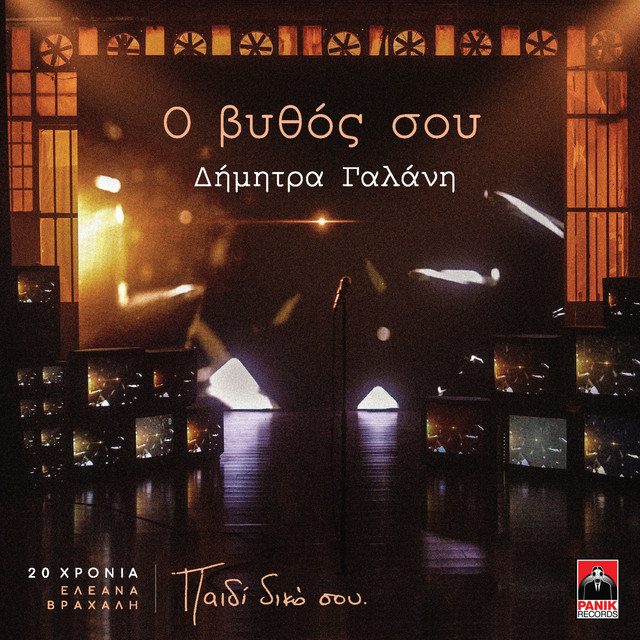
O Vythos Sou
Dimitra Galani
Neo Kyma
2012
1
/5
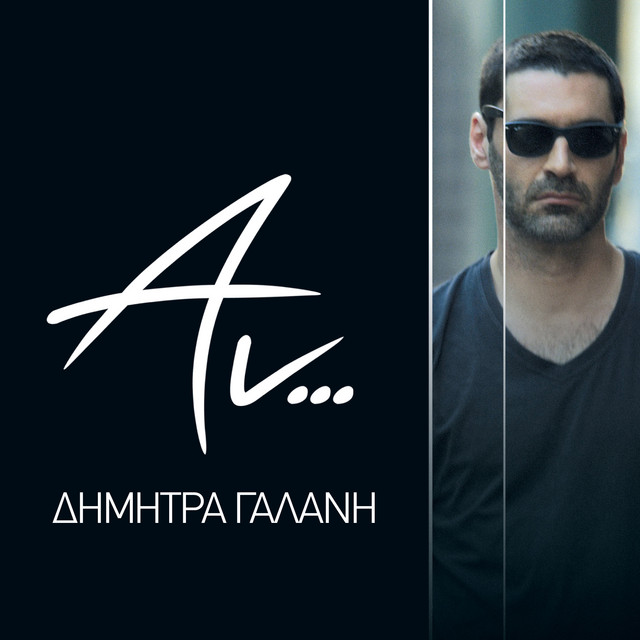
An
Dimitra Galani
Neo Kyma
2009
2
/5
Pixel
Dimitra Galani
Neo Kyma
2007
2
/5
Dama Coupa
Dimitra Galani
Neo Kyma
2006
1
/5
Δροσουλίτες
Christodoulos Halaris Χριστόδουλος Χάλαρης
Greek Music
Balkan Music
Ancient Greek Music
1991
2
/5
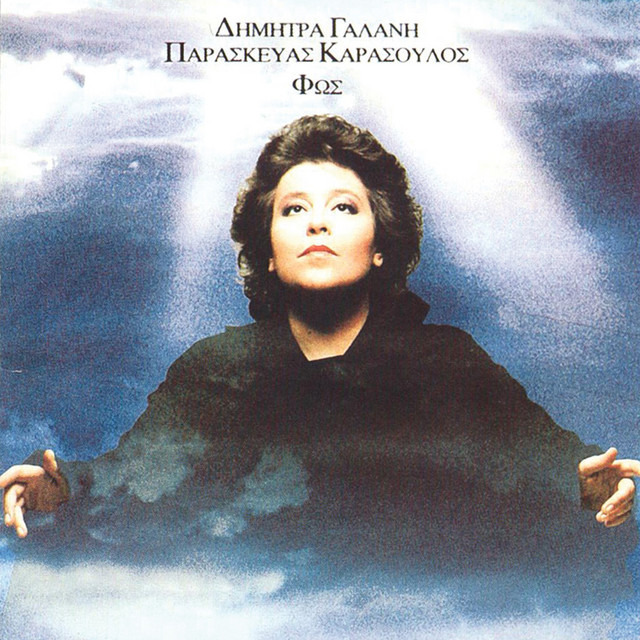
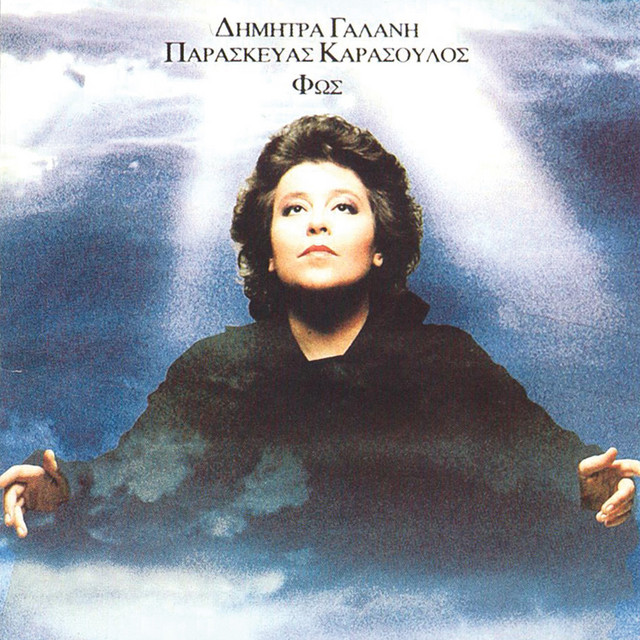
Fos
Dimitra Galani
Neo Kyma
1991
1
/5
Fos
Dimitra Galani
Neo Kyma
1989
2
/5
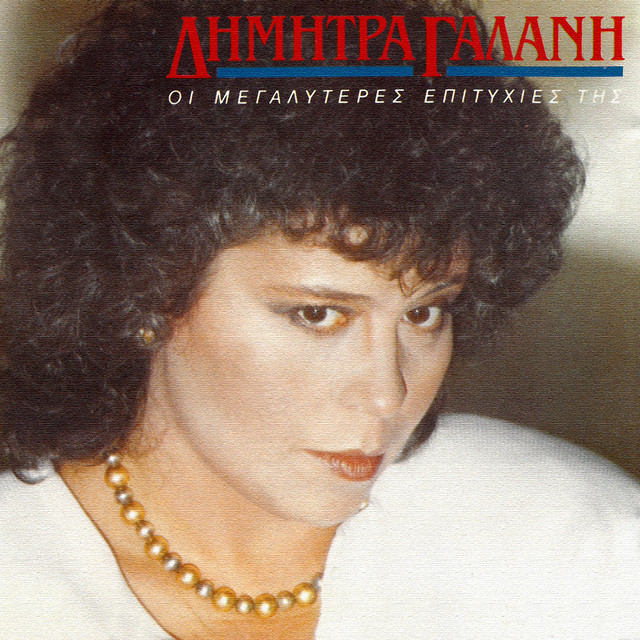
I Megaliteres Epitihies Tis
Dimitra Galani
Neo Kyma
1986
2
/5
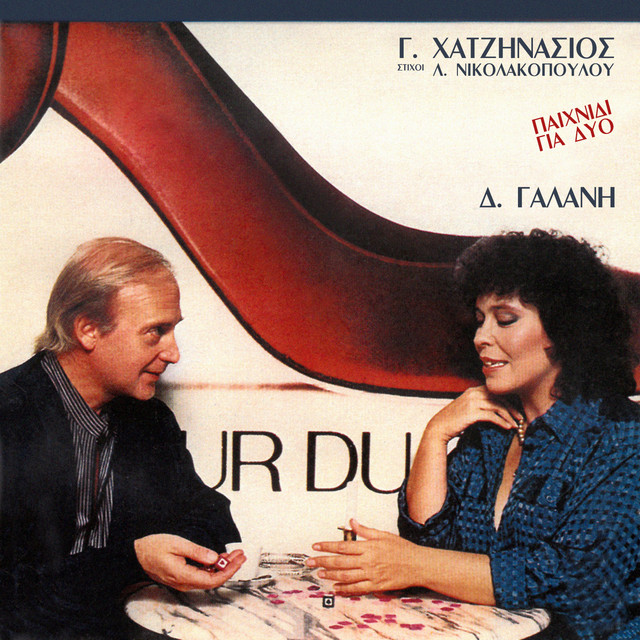
Pehnidi Gia Dio
Dimitra Galani
Neo Kyma
1984
2
/5
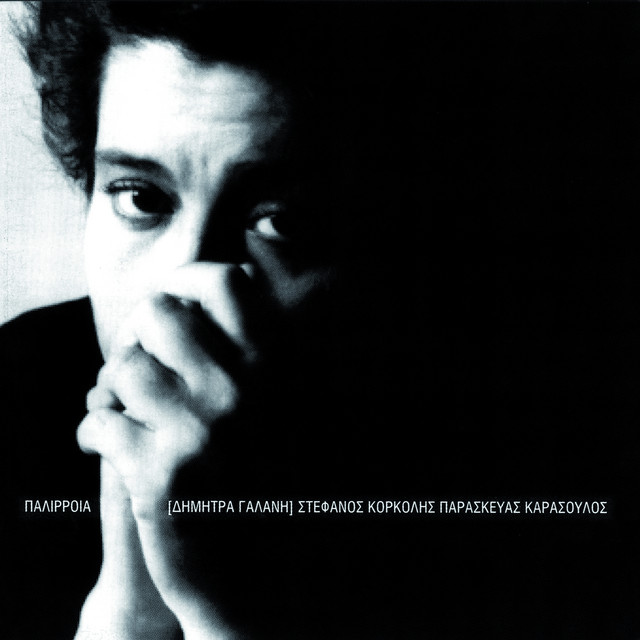
Palirria
Dimitra Galani
Neo Kyma
1982
2
/5
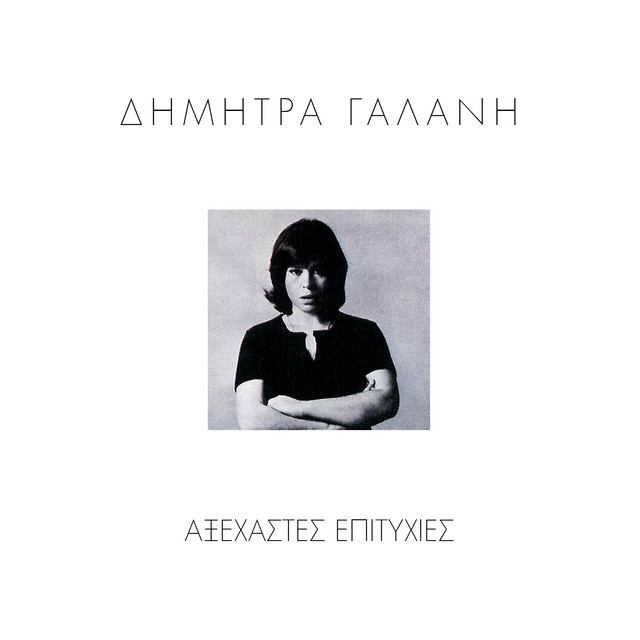
Axehastes Epitihies
Dimitra Galani
Neo Kyma
1975
2
/5
Athanasia Αθανασία
Manos Hadjidakis Μάνος Χατζιδάκις, Nikos Gatsos Νίκος Γκάτσος, Manolis Mitsias…
Laiko
Rebetiko
Similar artists
2
/5
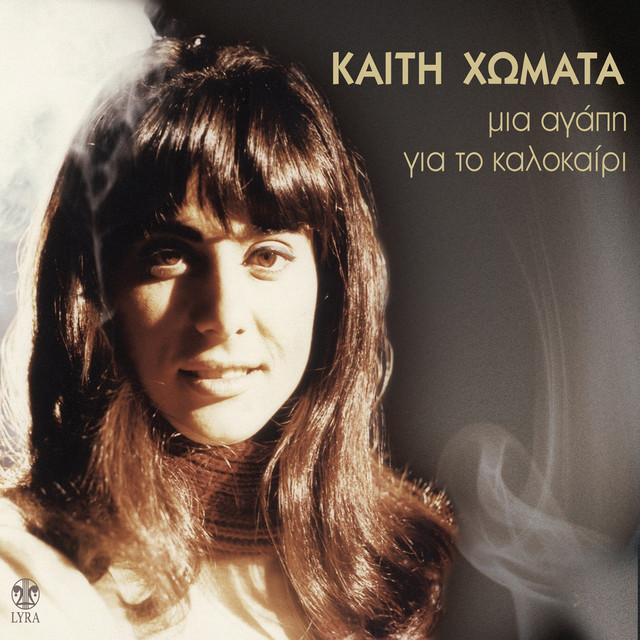
Kaiti Homata
Neo Kyma
Éntekhno
Laiko
3
/5
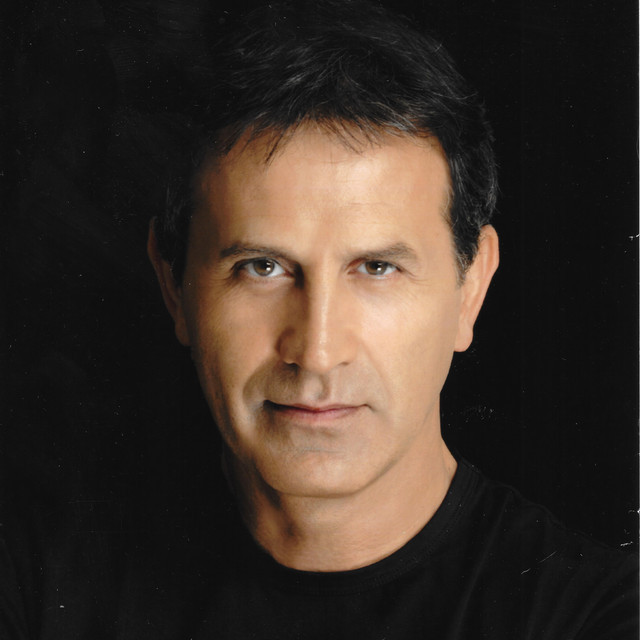
George Dalaras
Rebetiko
Laiko
Entechna Laika
3
/5
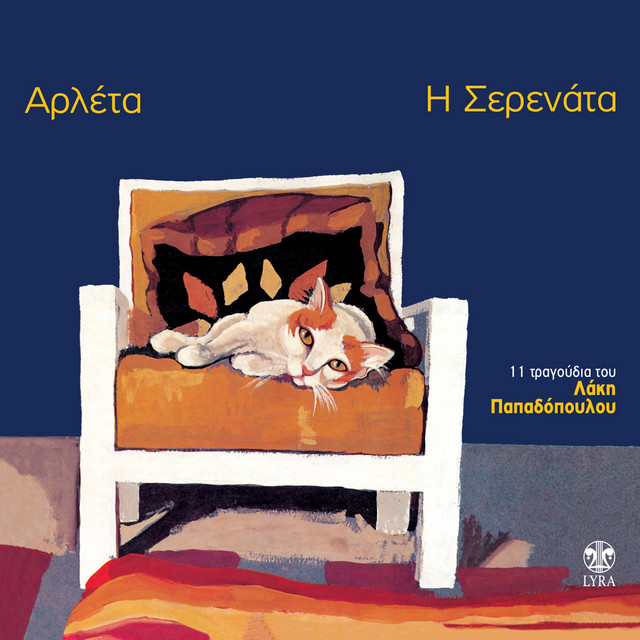
Arleta
Neo Kyma
Éntekhno
Easy Listening
3
/5
Giannis Poulopoulos
Neo Kyma
Éntekhno
Entechna Laika
3
/5
Manos Hadjidakis
Neo Kyma
Balkan Music
Entechna Laika
3
/5
Dionysis Savvopoulos
Neo Kyma
Éntekhno
Entechna Laika
2
/5
Popi Asteriadi
Neo Kyma
Éntekhno
Entechna Laika
2
/5
Rena Koumioti
Neo Kyma
Éntekhno
Entechna Laika
2
/5
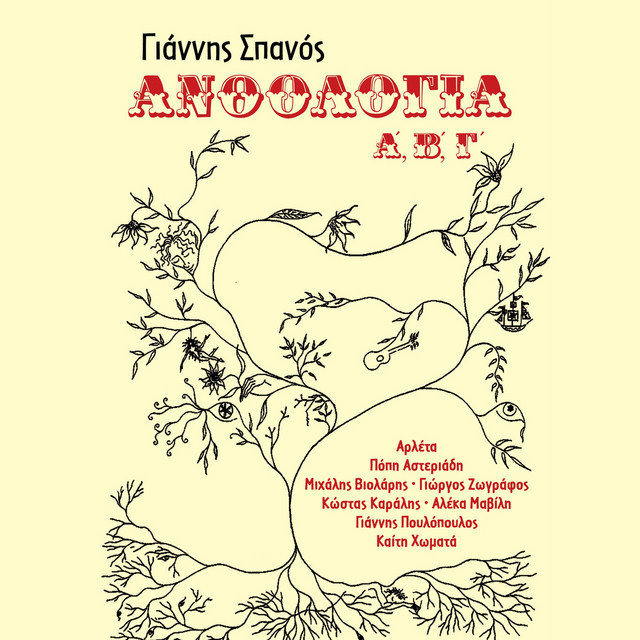
Giannis Spanos
Neo Kyma
Éntekhno
Laiko
2
/5
Stavros Xarhakos
Éntekhno
Neo Kyma
Rebetiko
Download our mobile app
Get the Melodigging app and start digging for new genres on the go
Download on the App Store
Get it on Google Play
© 2026 Melodigging
Give feedback
Legal
Melodding was created as a tribute to
Every Noise at Once
, which inspired us to help curious minds keep digging into music's ever-evolving genres.