Genres
Artists
Albums
Make Music
Sign in
Sign in
Artists
Anarcho-Punk
Artists
Anarcho-Punk
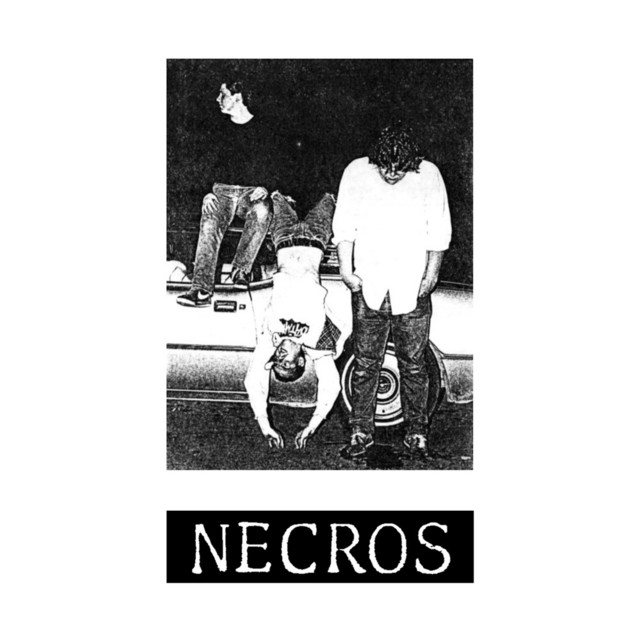
Necros
1979
·
4 albums
Listen
Genres
Crust Punk
Crust punk is a dark, heavy, and politically charged offshoot of punk that fuses the speed and rawness of hardcore with the weight and bleak atmospheres of metal. It is characterized by abrasive, overdriven guitar tones, pounding D‑beat and double‑time rhythms, and harsh, shouted vocals. Lyrically, crust punk confronts themes such as anti-militarism, anti-fascism, environmental collapse, social decay, and everyday survival under capitalism, often presented through apocalyptic or dystopian imagery. Its sound and message are inseparable from the DIY ethic, squatter culture, and grassroots activism that nurtured the scene.
Discover
Listen
Demoscene
Demoscene music is the soundtrack to real‑time computer art “demos” that emerged on 8‑bit and 16‑bit home computers such as the Commodore 64, Amiga, and Atari ST. It is characterized by tracker-based composition, strict technical constraints, and a focus on compact, efficient file sizes. Typical pieces use sample-based modules (e.g., MOD, S3M, XM) or tiny procedural synths in 64k/4k intros, resulting in bright leads, rapid arpeggios, tight grooves, and bold, melodic hooks. Stylistically it borrows from synth-pop, Italo/euro-disco, electro, early house/techno, and video game chip music, while maintaining a distinctive scene aesthetic centered on virtuosity within limitations. Beyond its nostalgic timbres, demoscene music emphasizes precision pattern programming, polymelodic counterlines, and rhythmic drive, often composed to sync tightly with graphics and code-based effects at demoparties.
Discover
Listen
Demostyle
Demostyle is a branch of electronic, tracker-based music that emerged from the European computer demoscene. It is characterized by sample-based synthesis, crisp arpeggios, driving yet light percussion, and melodic hooks designed to synchronize tightly with real‑time graphics demos. Composers typically write in MOD, S3M, XM, or IT module formats using pattern-based sequencers (trackers), embracing timbral constraints (8–16 bit samples, limited channels) as part of the aesthetic. The result is an energetic, bright, and highly structured sound that celebrates technological ingenuity and musical economy.
Discover
Listen
Tracker Music
Tracker music is music composed with tracker software, a pattern-based, sample-oriented sequencer that displays notes in vertical columns and steps through them row by row. Composers arrange short audio samples (often 8-bit/16-bit) into patterns, apply command-based effects (such as arpeggio, vibrato, portamento, and volume slides), and chain patterns via an order list to form a complete piece. Emerging from the Amiga and PC demoscenes, tracker music encompasses a wide aesthetic range: from chiptune-like bleeps and crunchy breakbeats to ambient modules and high-energy rave and hardcore. Characteristic traits include tight, staccato phrasing, rapid arpeggios simulating chords, lo‑fi sample color, and creative use of limited polyphony/channels. Common module formats include MOD, XM, IT, and S3M, and classic tools include ProTracker, FastTracker II, Impulse Tracker, and their modern descendants such as OpenMPT, MilkyTracker, and Renoise.
Discover
Listen
Post-Hardcore
Post-hardcore is a branch of hardcore punk that retains the style’s urgency and DIY ethos while expanding its musical vocabulary. Bands push beyond breakneck tempos and simple power-chord progressions into more dynamic song structures, varied rhythms, and a wider emotional range. Guitars often alternate between caustic distortion and clean, chiming textures; vocals can shift from shouted slogans to melodic singing; and arrangements emphasize tension-and-release, odd meters, and dramatic builds. Lyrically, post-hardcore tends to be more introspective and socially conscious than its hardcore roots, touching on personal, political, and philosophical themes.
Discover
Listen
Anarcho-Punk
Anarcho-punk is a politically charged strand of punk that explicitly promotes anarchist and anti-authoritarian ideas. Emerging in the late 1970s United Kingdom, it fused the speed and abrasion of punk with an uncompromising DIY ethic, collective organization, and a culture of zines, benefit gigs, and independent labels. Musically, anarcho-punk leans on raw guitars, driving 4/4 rhythms, shouted or chant-like vocals, and concise song forms, but it often incorporates spoken-word, noise, sound collage, and experimental interludes to underscore its messages. Lyrically, it addresses anti-war and anti-nuclear activism, animal liberation, environmentalism, anti-capitalism, feminism, and social justice. Its stark black-and-white stencil aesthetic—iconic in sleeves, patches, and posters—became as recognizable as its sound.
Discover
Listen
Punk
Punk is a fast, abrasive, and minimalist form of rock music built around short songs, stripped-down instrumentation, and confrontational, anti-establishment lyrics. It emphasizes DIY ethics, raw energy, and immediacy over virtuosity, often featuring distorted guitars, shouted or sneered vocals, and simple, catchy melodies. Typical songs run 1–3 minutes, sit around 140–200 BPM, use power chords and basic progressions (often I–IV–V), and favor live, unpolished production. Beyond sound, punk is a cultural movement encompassing zines, independent labels, political activism, and a fashion vocabulary of ripped clothes, leather, and safety pins.
Discover
Listen
Hardcore Punk
Hardcore punk is a faster, louder, and more abrasive offshoot of late-1970s punk rock. Songs are typically short (often under two minutes), propelled by rapid tempos, aggressive down‑stroked guitar riffs, and shouted or barked vocals. The style prioritizes raw energy over technical ornamentation: power‑chord harmony, minimal guitar solos, and tightly locked rhythm sections dominate. Lyrically, hardcore punk is intensely direct—often political, anti‑authoritarian, and socially critical—reflecting a DIY ethic that values independent labels, self‑organized shows, and community‑run spaces. The genre coalesced in U.S. scenes such as Los Angeles, Washington, D.C., New York, and Boston, and soon spread internationally. Its velocity, attitude, and grassroots infrastructure profoundly shaped underground music and paved the way for numerous metal, punk, and alternative subgenres.
Discover
Listen
Show all 8 genres
Albums
1979
2
/5
Ambionic Sound (1979)
Necros
Crust Punk
Anarcho-Punk
Punk
Progression
Necros
Tracker Music
Progression
Necros
Demoscene
Progression
Necros
Demostyle
Similar artists
3
/5
Crass
Anarcho-Punk
Crust Punk
Punk
3
/5
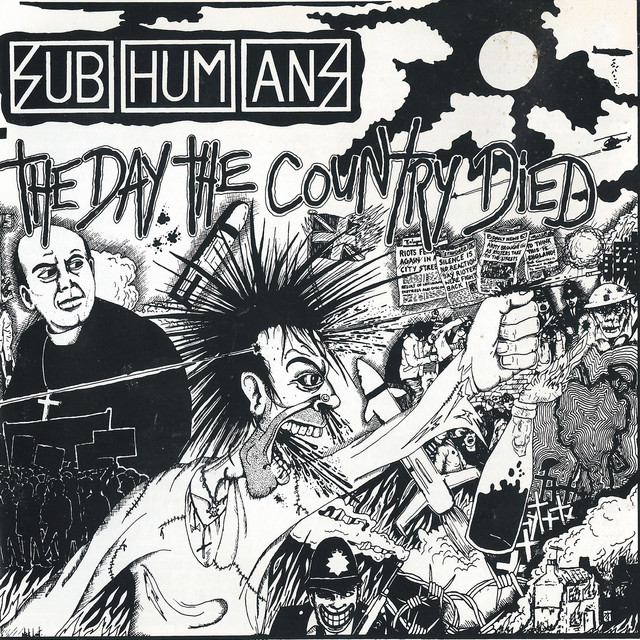
Subhumans
Uk82
Anarcho-Punk
Crust Punk
2
/5
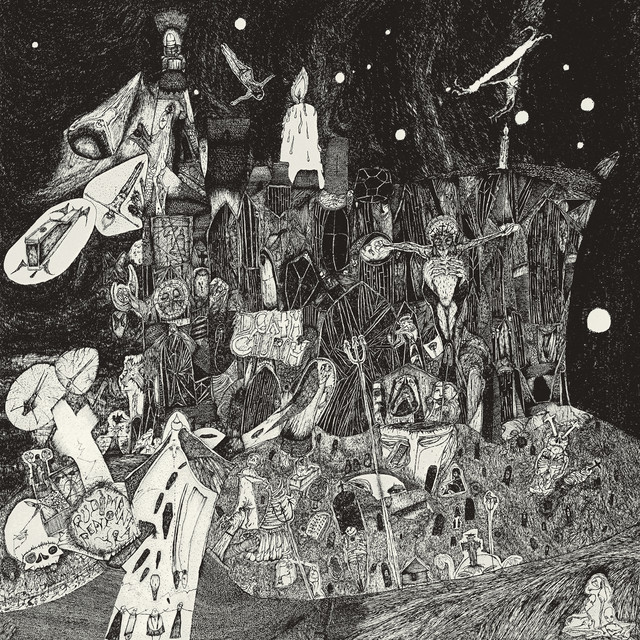
Rudimentary Peni
Anarcho-Punk
Crust Punk
Deathrock
2
/5
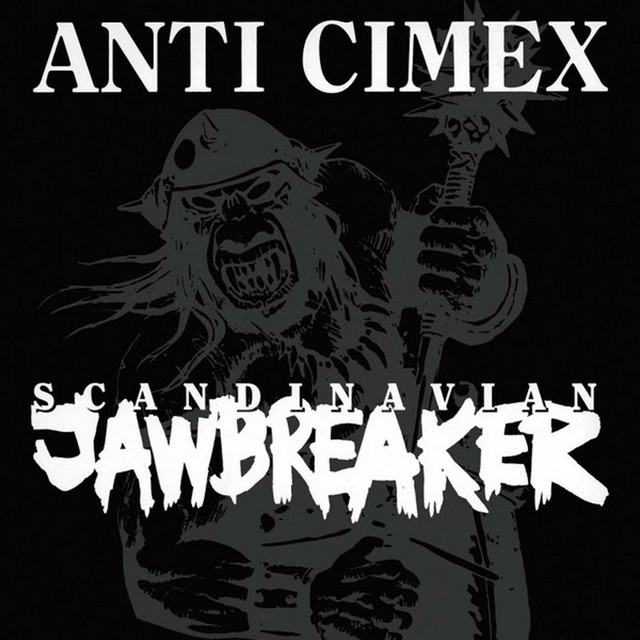
Anti Cimex
D-Beat
Crust Punk
Anarcho-Punk
2
/5
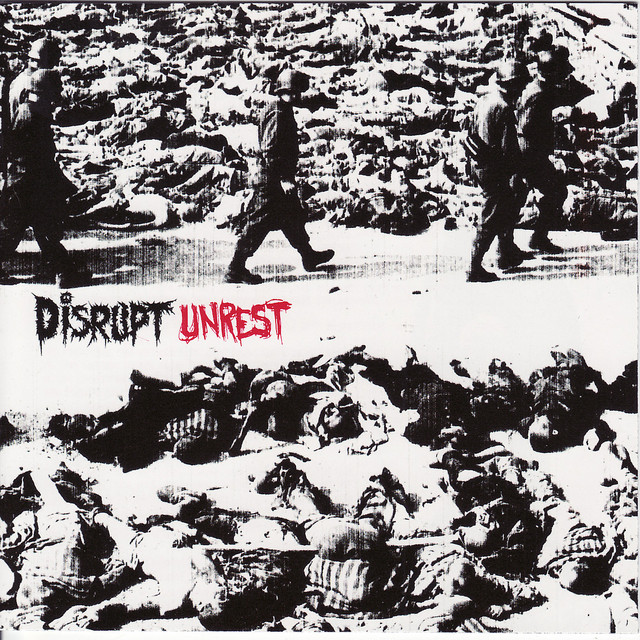
disrupt
Crust Punk
Grindcore
Anarcho-Punk
2
/5
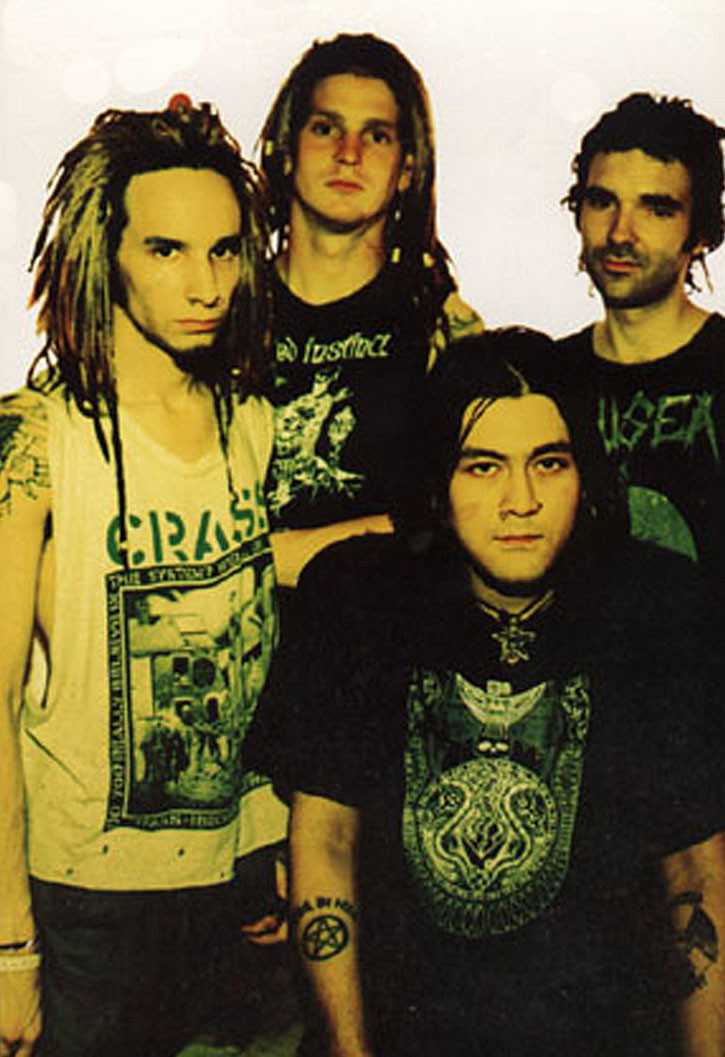
Nausea
Grindcore
Hardcore Punk
Punk
2
/5
Conflict
Anarcho-Punk
Punk
Uk82
2
/5
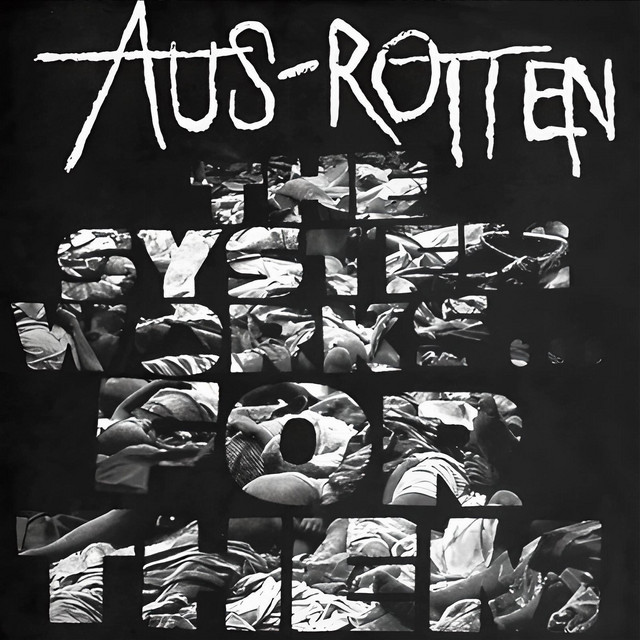
Aus Rotten
Anarcho-Punk
Grindcore
Hardcore Punk
2
/5
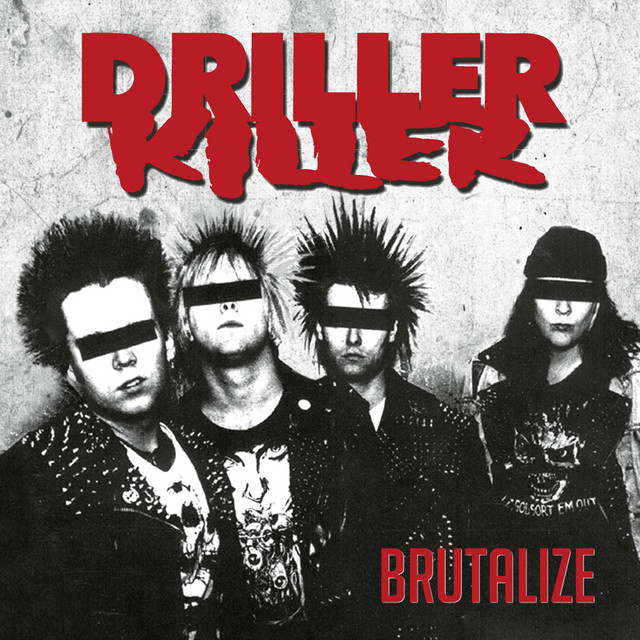
Driller Killer
Stenchcore
Grindcore
Hardcore Punk
2
/5
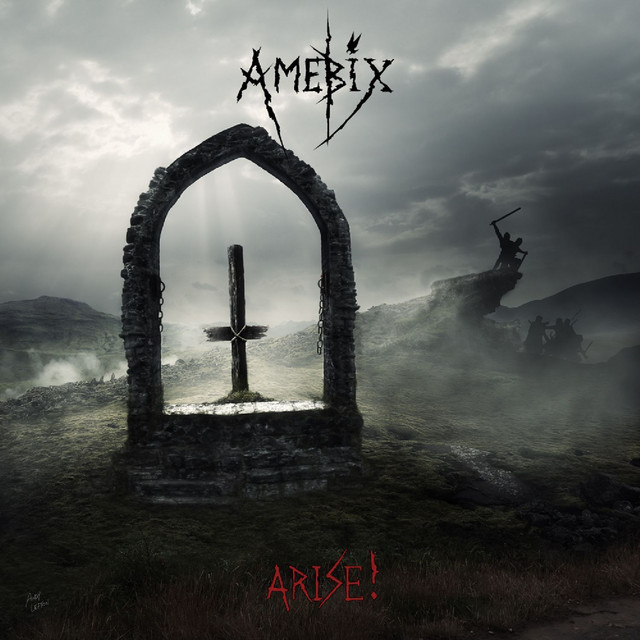
Amebix
Stenchcore
Crust Punk
Anarcho-Punk
Download our mobile app
Get the Melodigging app and start digging for new genres on the go
Download on the App Store
Get it on Google Play
© 2026 Melodigging
Give feedback
Legal
Melodding was created as a tribute to
Every Noise at Once
, which inspired us to help curious minds keep digging into music's ever-evolving genres.