Genres
Artists
Albums
Make Music
Sign in
Sign in
Artists
Al-Jadīd
Artists
Al-Jadīd
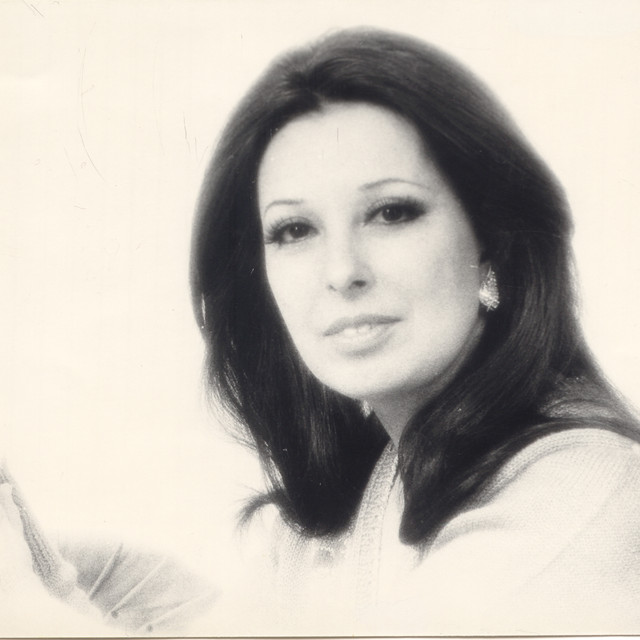
Najat Al Saghira
1979–1980
·
2 albums
Listen
2
/5
Genres
Arabic Pop
Arabic pop is the mainstream, commercial song style of the Arabic‑speaking world, blending Western pop structures with Arabic melodic modes (maqām) and regional rhythmic cycles (iqa‘āt). Arrangements typically pair traditional instruments like the oud, qanun, nay, strings, and darbuka with electric guitar/bass, keyboards, drum machines, and modern synthesizers. Vocals are highly ornamented (melisma, trills, turns) and delivered in widely understood dialects such as Egyptian and Levantine, as well as Khaliji and Maghrebi Arabic. Songs favor verse–pre‑chorus–chorus forms with catchy hooks, glossy production, and video‑forward presentation. Lyrically, themes of romance, longing, celebration, and everyday life dominate, spanning intimate ballads to up‑tempo dance anthems.
Discover
Listen
Classic Arab Pop
Classic Arab pop refers to the mid‑20th‑century popular song tradition that flourished across the Arab world—especially from the 1950s through the 1970s—centered in Cairo and Beirut. It blends Arabic modal melody (maqām), poetic lyricism, and tarab vocal aesthetics with Western orchestration and song form. Lush string sections, accordion, and brass sit alongside oud, qānūn, and Arabic percussion, producing grand, cinematic arrangements. Songs are typically romantic, bittersweet, and melodically ornate, featuring microtonal inflections, melisma, and expressive vibrato. Unlike later synth-driven Arab pop, classic Arab pop preserves extended introductions, instrumental interludes, and moments of vocal improvisation (layālī/taqsīm), while adopting verse–refrain hooks and danceable rhythms drawn from both Arabic iqaʿāt and mid‑century international dance forms.
Discover
Listen
Al-Jadīd
Al-jadīd (Arabic for "the new") is the modernist current in Arabic song that emerged from early 20th‑century urban centers—most prominently Cairo—and reshaped traditional, maqam‑based music with expanded orchestration, new song forms, and selective Western harmonies. It retains Arabic modal language (maqām) and rhythmic cycles (iqāʿāt), yet introduces larger string sections, cinematic introductions, modulating bridges, and dance‑derived meters such as waltz and tango alongside indigenous rhythms. Lyrically, it favors contemporary vernacular or refined colloquial poetry while preserving the expressive, melismatic vocal style associated with tarab. The result is a long‑form, emotionally intense song tradition that bridges courtly/urban classicism and popular mainstream appeal, forming the foundation of the Arab world’s mid‑century “golden age” of music and later Arabic pop.
Discover
Listen
Albums
1980
2
/5
Nagat Toghny Mn Ahla Ma Ghana Mohammed Abdel Wahab
Najat Al Saghira
Al-Jadīd
1979
3
/5
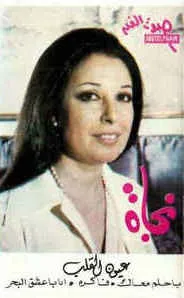
عيون القلب
نجاة
Al-Jadīd
Arabic Pop
Similar artists
4
/5
Fairuz
Al-Jadīd
Mūsīqā Lubnāniyya
Dabke
4
/5
Assala
Classic Arab Pop
Al-Jadīd
Egyptian Pop
3
/5
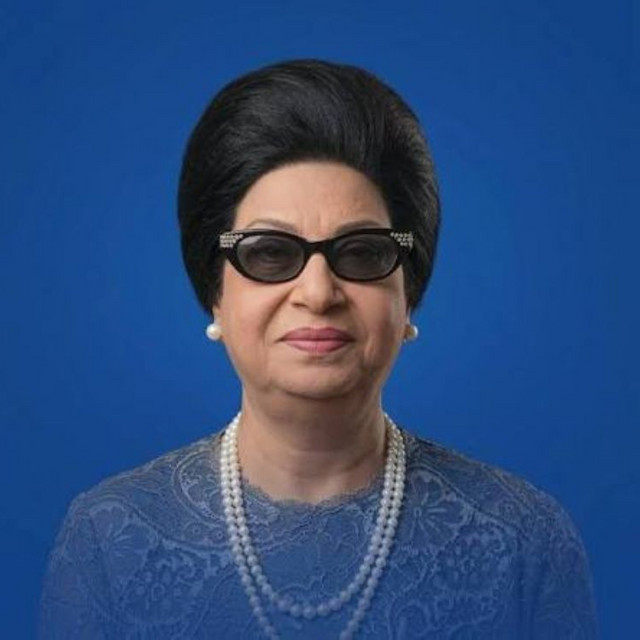
Umm Kulthum
Al-Jadīd
Arabic Music
Classic Arab Pop
3
/5
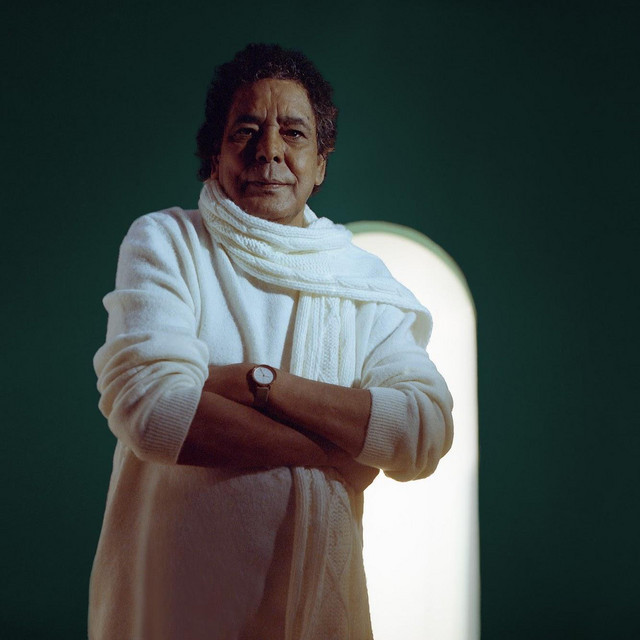
Mohamed Mounir
Classic Arab Pop
Mahraganat
Egyptian Pop
3
/5
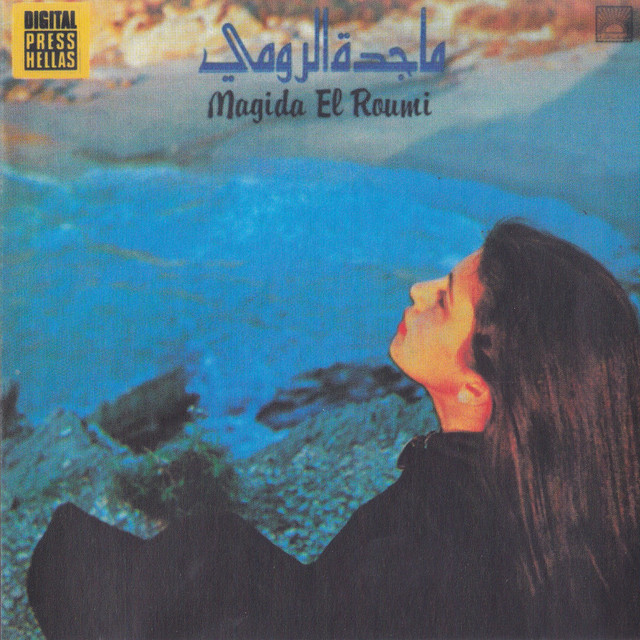
Majida El Roumi
Al-Jadīd
Arabic Pop
Levantine Arabic Music
3
/5
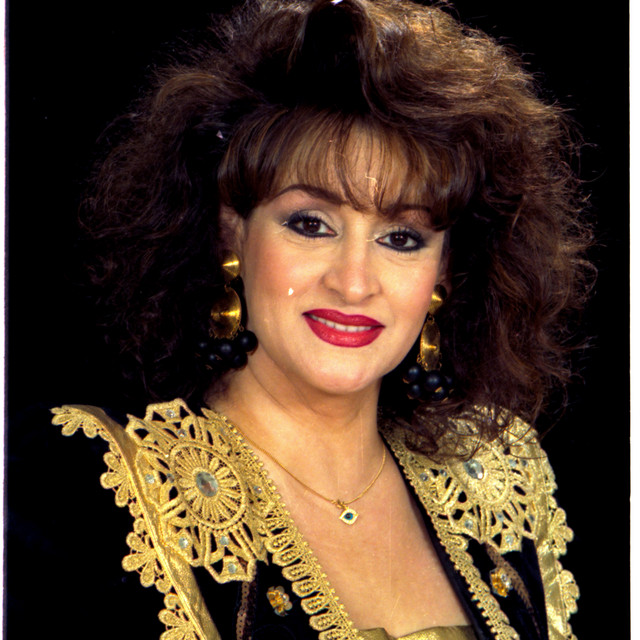
Warda
Classic Arab Pop
Raï
Al-Jadīd
3
/5
Ziad Rahbani
Arab Groove
Arabic Jazz
Levantine Arabic Music
4
/5
Angham
Classic Arab Pop
Khaleeji
Egyptian Pop
4
/5
Khaled
Raï
Pop Raï
Classic Arab Pop
3
/5
Ragheb Alama
Classic Arab Pop
Khaleeji
Lebanese Pop
Download our mobile app
Get the Melodigging app and start digging for new genres on the go
Download on the App Store
Get it on Google Play
© 2026 Melodigging
Give feedback
Legal
Melodding was created as a tribute to
Every Noise at Once
, which inspired us to help curious minds keep digging into music's ever-evolving genres.