Genres
Artists
Albums
Make Music
Sign in
Sign in
Artists
Folk
Artists
Folk
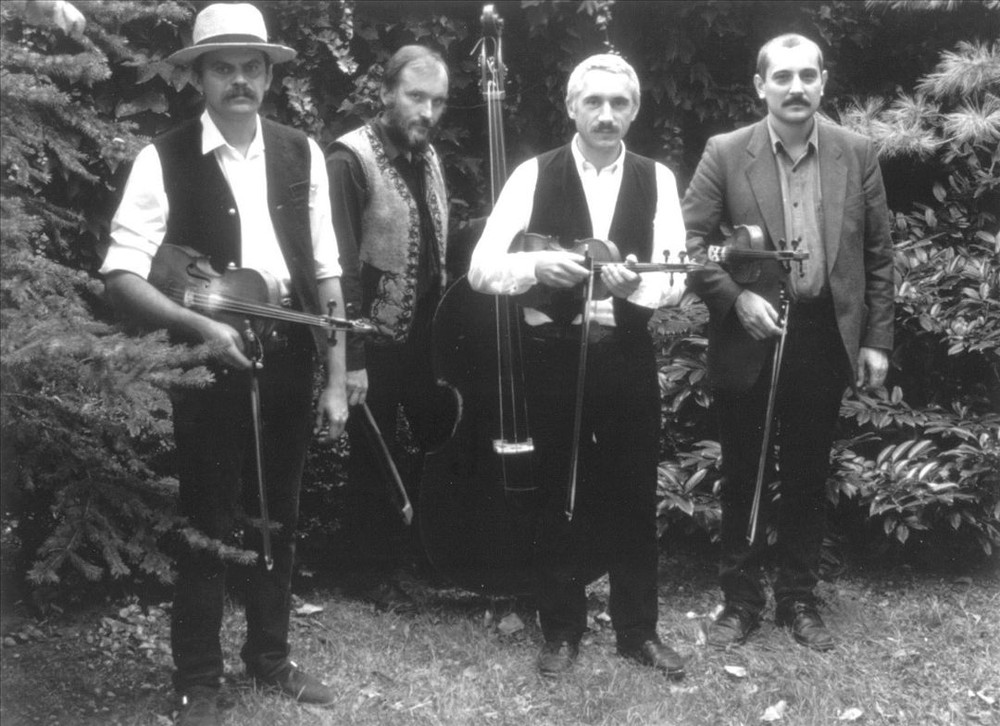
Muzsikás
1979–2015
·
9 albums
Listen
2
/5
Genres
Traditional Music
Traditional music is an umbrella term used in the mid–20th century by folklorists and ethnomusicologists to denote community-rooted, orally transmitted repertoires tied to social ritual, work, celebration, and storytelling. Unlike commercial pop or art-music traditions, traditional music is typically learned by ear, varies regionally, and evolves slowly through communal participation. It often features modal melodies, cyclic rhythms, heterophony or unison singing, and indigenous instruments whose timbres are integral to local identity. Lyrics tend to preserve language, history, and collective memory. While the musical practices themselves can be ancient, the phrase “traditional music” emerged to replace earlier, narrower or colonial framings like “folk” or “ethnic” music, foregrounding continuity, locality, and living practice rather than exoticism.
Discover
Listen
Folk
Folk is a song-centered acoustic tradition rooted in community storytelling, everyday life, and social history. It emphasizes clear melodies, simple harmonies, and lyrics that foreground narrative, protest, and personal testimony. As a modern recorded genre, folk coalesced in the early-to-mid 20th century in the United States out of older ballad, work song, and rural dance traditions. It typically features acoustic instruments (guitar, banjo, fiddle, mandolin, harmonica), strophic song forms, and participatory singing (choruses, call-and-response).
Discover
Listen
Hungarian Folk Music
Hungarian folk music is the traditional music of the Carpathian Basin’s Hungarian-speaking communities, performed for dancing, storytelling, ritual, and everyday social life. It is characterized by a fiddle-led band (prímás) supported by a three‑string viola (kontra) playing drone-triad shuffles, a double bass (bőgő) marking off‑beats, and often a cimbalom (hammered dulcimer). Melodies frequently use old-style pentatonic and heptatonic modes (notably Dorian and Mixolydian), with rich ornamentation, parlando‑rubato declamation in ballads, and strict tempo giusto in dance tunes. Core dance types include the csárdás (typically a slow lassú followed by a fast friss), verbunk (recruitment dance with dotted rhythms), ugrós, and regional suites from Transylvania (Mezőség, Kalotaszeg, Szék), Gyimes, and Moldva. Singing is usually strophic, with narrow-to-moderate ambitus, heterophonic variation between voice and fiddle, and text topics ranging from love and work to historical and humorous narratives. The 20th‑century collection work of Bartók and Kodály, and the late‑20th‑century táncház (dance‑house) revival, helped sustain a living, village-rooted performance practice in urban settings.
Discover
Listen
Traditional Folk
Traditional folk is a broad umbrella for orally transmitted songs and dance tunes that circulated in rural and working-class communities before the age of mass recording. Repertoires include narrative ballads, laments, love songs, work songs, lullabies, and instrumental dance sets such as reels, jigs, hornpipes, and marches. Stylistically, traditional folk favors strophic forms, pentatonic or modal melodies (often Dorian and Mixolydian), limited harmonic movement, and strong, memorable tunes designed for communal singing and dancing. Performances range from unaccompanied solo voice to small ensembles built around fiddle, flute/whistle, pipes, concertina/accordion, guitar, banjo, and frame drum. Ornamentation, variation by verse, and flexible tempo are integral, reflecting an oral tradition where songs live through continual reinterpretation. Although it is pan‑regional, the modern idea of “traditional folk” coalesced in the 19th century through collectors and revivalists who documented vernacular music and framed it as cultural heritage.
Discover
Listen
Ashkenazi Music
Ashkenazi music is the broad musical tradition of Jews from the medieval German lands and, later, Eastern Europe. It spans sacred chant and cantorial practice (khazones), devotional nigunim (wordless melodies), and a rich secular repertoire of Yiddish folk song and dance tunes. Its sound world draws on synagogue nusach (modal prayer formulas) and characteristic modes such as Ahava Rabbah/Freygish (Phrygian dominant) and Ukrainian Dorian, alongside Eastern and Central European folk idioms. Ornamented, melismatic vocal lines, heterophonic textures, and expressive rubato (as in the doina) are common. Instrumentally, the clarinet, violin, tsimbl (hammered dulcimer), accordion, and brass became central—especially in dance forms like freylekhs, bulgar, hora, sher, and khosidl. Lyrically, Yiddish and Hebrew texts range from pious yearning and mystical ecstasy to sharp social observation and celebration of communal life.
Discover
Listen
Albums
2015
1
/5
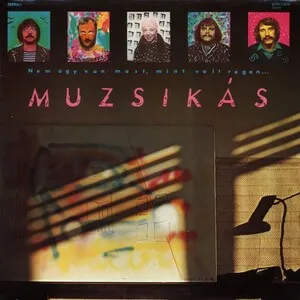
Nem úgy van most, mint volt régen...
Muzsikás
Hungarian Folk Music
Folk
2014
1
/5
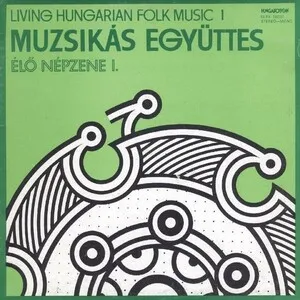
Élő népzene I.
Muzsikás
Hungarian Folk Music
Folk
2014
1
/5
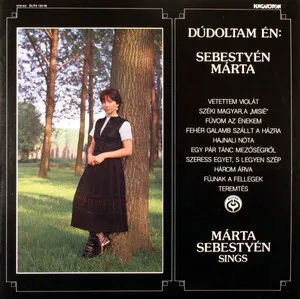
Dúdoltam én: Sebestyén Márta
Márta Sebestyén
Hungarian Folk Music
2014
1
/5
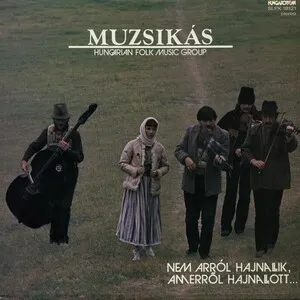
Nem arról hajnallik, amerről hajnallott...
Muzsikás
Hungarian Folk Music
Folk
1998
2
/5
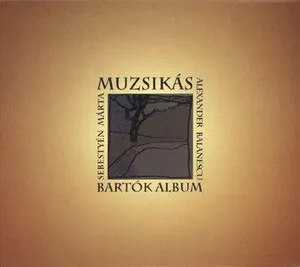
Bartók Album
Muzsikás
Hungarian Folk Music
Folk
1979
1
/5
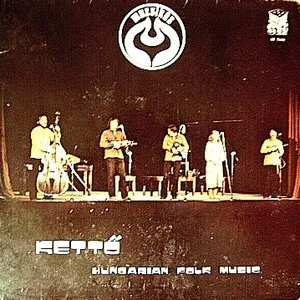
Kettő: Hungarian Folk Music
Muzsikás
Hungarian Folk Music
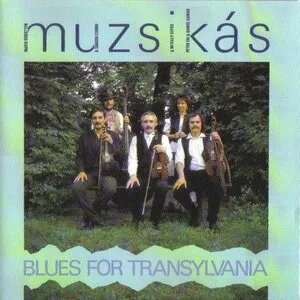
Blues for Transylvania
Muzsikás
Hungarian Folk Music
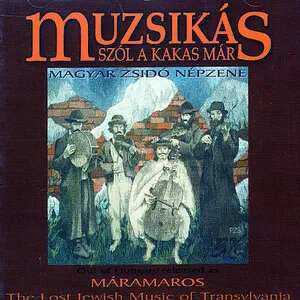
Szól a kakas már: Magyar zsidó népzene
Muzsikás
Hungarian Folk Music
Szól a kakas már: Magyar zsidó népzene
Muzsikás
Ashkenazi Music
Similar artists
2
/5
Malicorne
Folk
French Folk Music
Auvergnat Folk Music
2
/5
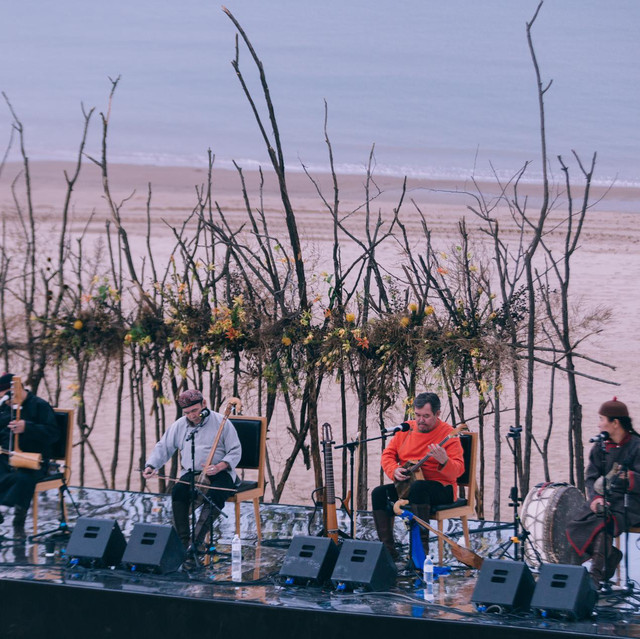
Huun-Huur-Tu
Central Asian Throat Singing
North Asian Music
Tuvan Throat Singing
3
/5
The Corries
Scots Song
Scottish Folk Revival
Celtic
2
/5
Solas
Celtic
Folk
Traditional Folk
2
/5
Breabach
Celtic
Celtic Rock
Folk
2
/5
Altan
Celtic
Celtic Rock
Folk
2
/5
John Doyle
Celtic
Folk
Traditional Folk
2
/5
Tim Eriksen
Bluegrass
Folk
Traditional Folk
2
/5
Claire Hastings
Celtic
Folk
Traditional Folk
2
/5
Bargainatt
Folk
Traditional Folk
Traditional Music
Download our mobile app
Get the Melodigging app and start digging for new genres on the go
Download on the App Store
Get it on Google Play
© 2026 Melodigging
Give feedback
Legal
Melodding was created as a tribute to
Every Noise at Once
, which inspired us to help curious minds keep digging into music's ever-evolving genres.