Genres
Artists
Albums
Make Music
Sign in
Sign in
Artists
Ragtime
Artists
Ragtime
Murray Johnson
2001
·
1 album
Listen
1
/5
Genres
Ragtime
Ragtime is an African American–rooted piano style that flourished from the 1890s to the 1910s, characterized by lively syncopation in the right hand against a steady, march-like “oom‑pah” accompaniment in the left hand. Typically written in 2/4 or 4/4 time and notated with straight (unswung) eighth notes, classic rags unfold in multiple 16‑bar strains, often in the form AABBACCDD. The music draws on cakewalk rhythms, marching-band forms, and popular song, and it became a sensation through sheet music, piano rolls, and parlor performance. Scott Joplin, known as the “King of Ragtime,” helped codify the genre’s refined, compositional approach, calling for moderate tempos and a clear, singing melody. Beyond solo piano, ragtime was arranged for small ensembles and orchestras, found a home in vaudeville and dance halls, and laid essential groundwork for early jazz, stride piano, and much of 20th‑century American popular music.
Discover
Listen
Vaudeville
Vaudeville is a late‑19th to early‑20th‑century American variety stage tradition whose musical side blends comic songs, patter numbers, novelty tunes, sentimental ballads, ragtime interludes, and ensemble finales. It emphasized catchy melodies, memorable refrains, and clear diction so songs could land immediately with live audiences. Typical accompaniment was piano (often with a small pit ensemble of strings, reeds, and light percussion). Song forms favored verse–chorus and 32‑bar AABA structures, with simple diatonic harmony embellished by secondary dominants and ragtime‑style syncopation. Lyrics leaned into topical humor, character monologues, dialect turns (now recognized as historically problematic), and direct audience address. Unlike bawdier burlesque, vaudeville marketed itself as “family entertainment,” integrating music with comedy, dance, specialty acts, and novelty performance. Its stages and circuits incubated the American popular song, connected sheet‑music publishers with performers, and supplied early film and radio with talent and repertoire.
Discover
Listen
Music Hall
Music hall is a 19th- and early-20th-century British form of popular entertainment centered on comic songs, patter, novelty acts, and audience participation. It grew out of pub concert rooms and purpose-built halls where singers and comedians performed short, catchy numbers with memorable choruses. Its songs typically feature everyday themes, double entendre, and local dialects, supported by piano or small ensemble accompaniment. The style blends sentimental ballads with jaunty patter songs and marches, designed for communal singing and lively theatrical showmanship.
Discover
Listen
Albums
2001
2
/5
Oh! It's A Lovely War (Vol. 1)
Murray Johnson
Vaudeville
Music Hall
Similar artists
2
/5
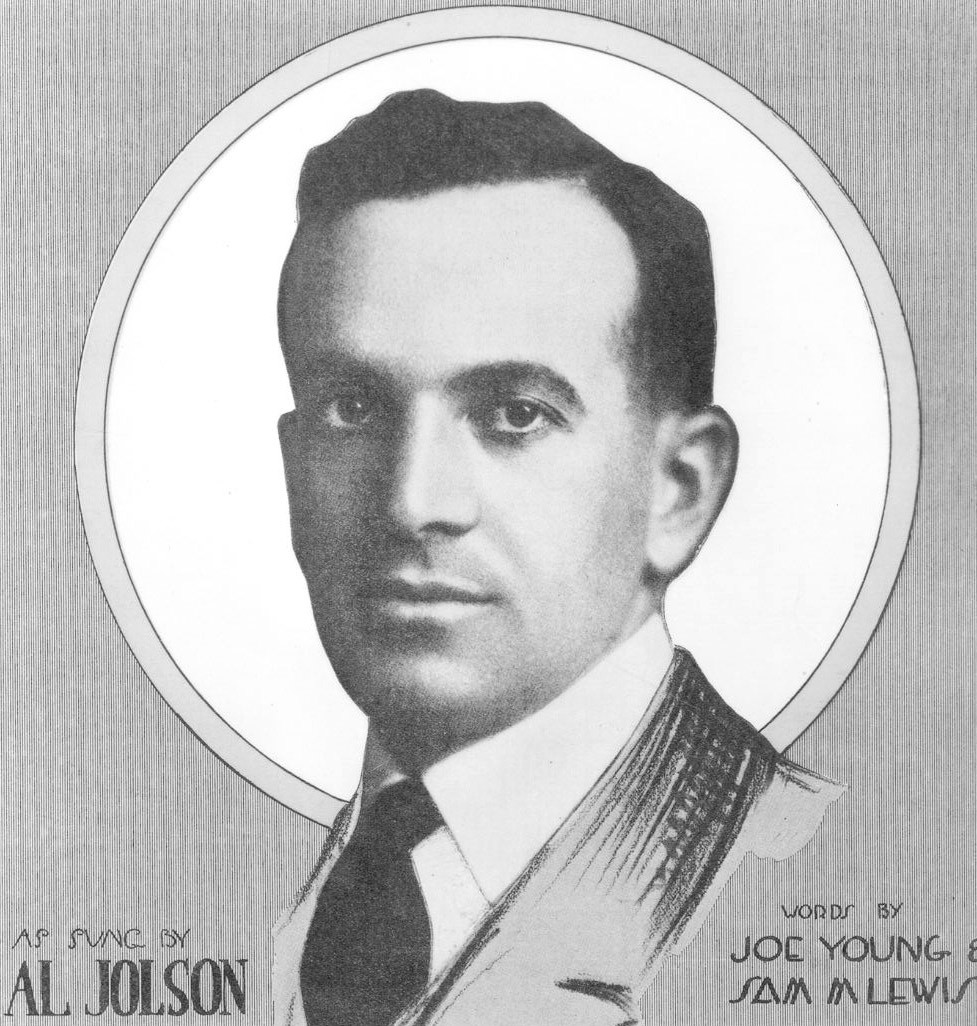
Al Jolson
Music Hall
Vaudeville
Tin Pan Alley
2
/5
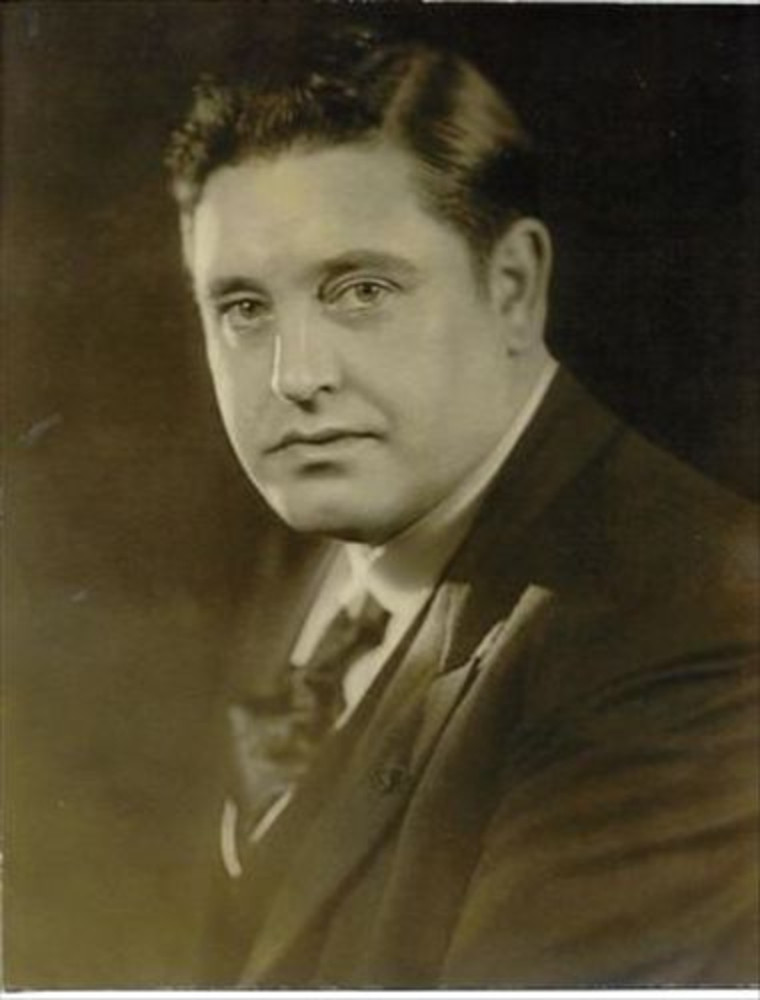
John McCormack
Vaudeville
Ragtime
Music Hall
1
/5
Various Artists
Afro-Funk
Alternative Rock
Ambient
2
/5
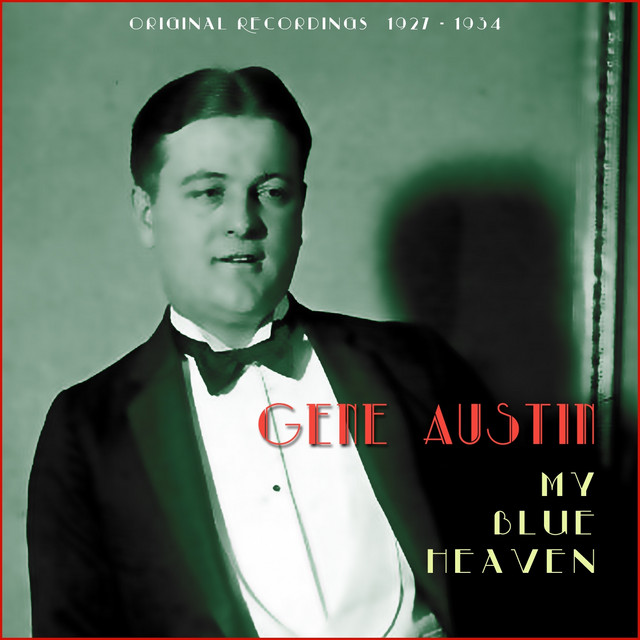
Gene Austin
British Dance Band
Ragtime
Tin Pan Alley
2
/5
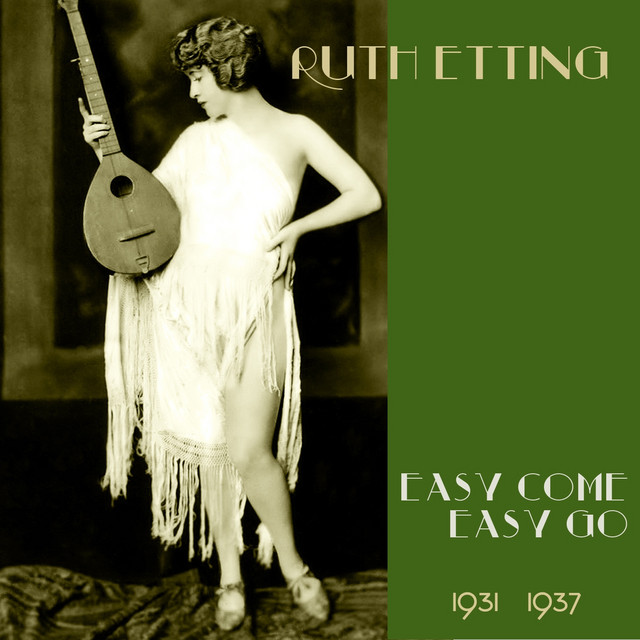
Ruth Etting
Digital Horror
Ragtime
Vaudeville
2
/5
Rudy Vallee and His Connecticut Yankees
Vaudeville
British Dance Band
Ragtime
2
/5
Rudy Vallee
Vaudeville
Big Band
British Dance Band
2
/5
Alberta Hunter
Classic Blues
Blues
Vaudeville
2
/5
Paul Whiteman & His Orchestra
Big Band
British Dance Band
Ragtime
2
/5
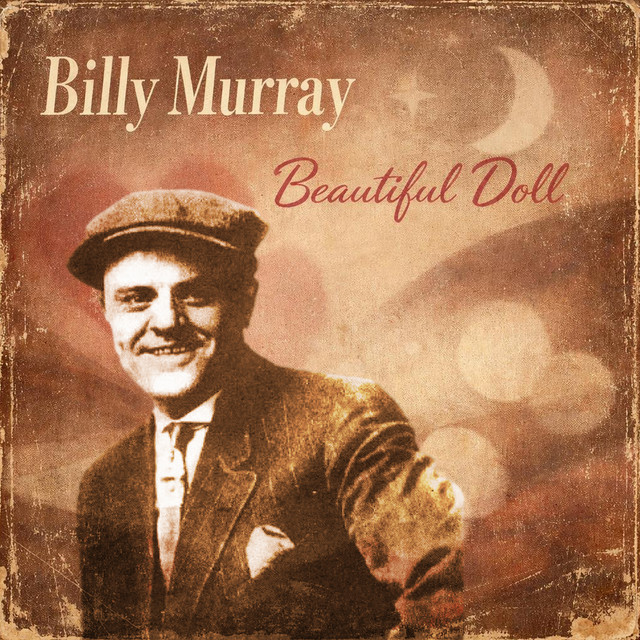
Billy Murray
Ragtime
Vaudeville
Download our mobile app
Get the Melodigging app and start digging for new genres on the go
Download on the App Store
Get it on Google Play
© 2026 Melodigging
Give feedback
Legal
Melodding was created as a tribute to
Every Noise at Once
, which inspired us to help curious minds keep digging into music's ever-evolving genres.