Genres
Artists
Albums
Make Music
Sign in
Sign in
Artists
Basshall
Artists
Basshall
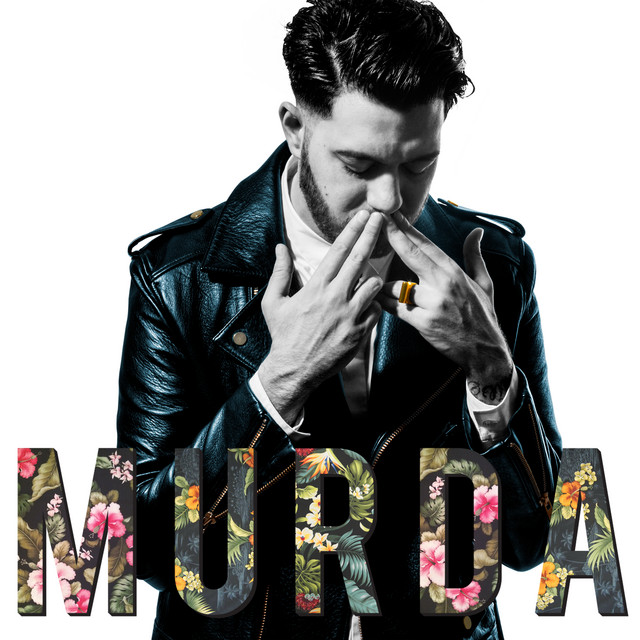
Murda
2016
·
1 album
Listen
4
/5
Genres
Basshall
Basshall is a club-focused fusion of modern dancehall riddims with the sound design and drops of bass-heavy EDM. It keeps the dembow-derived, off‑beat swing of Jamaican dancehall while layering sub‑driven 808s, aggressive synths, and festival‑ready builds and drops borrowed from trap, electro house, and UK bass. Typical tempos sit around 95–110 BPM (or 130–140 BPM with a halftime feel). Vocals often draw on Jamaican patois toasting or catchy pop hooks, and arrangements alternate between groove-led verses and explosive, sound‑system drops. Emerging from European (especially Dutch) club culture and the global‑bass scene, Basshall spreads dancehall’s energy into big‑room contexts without losing its Caribbean rhythmic DNA.
Discover
Listen
Urban Kiz
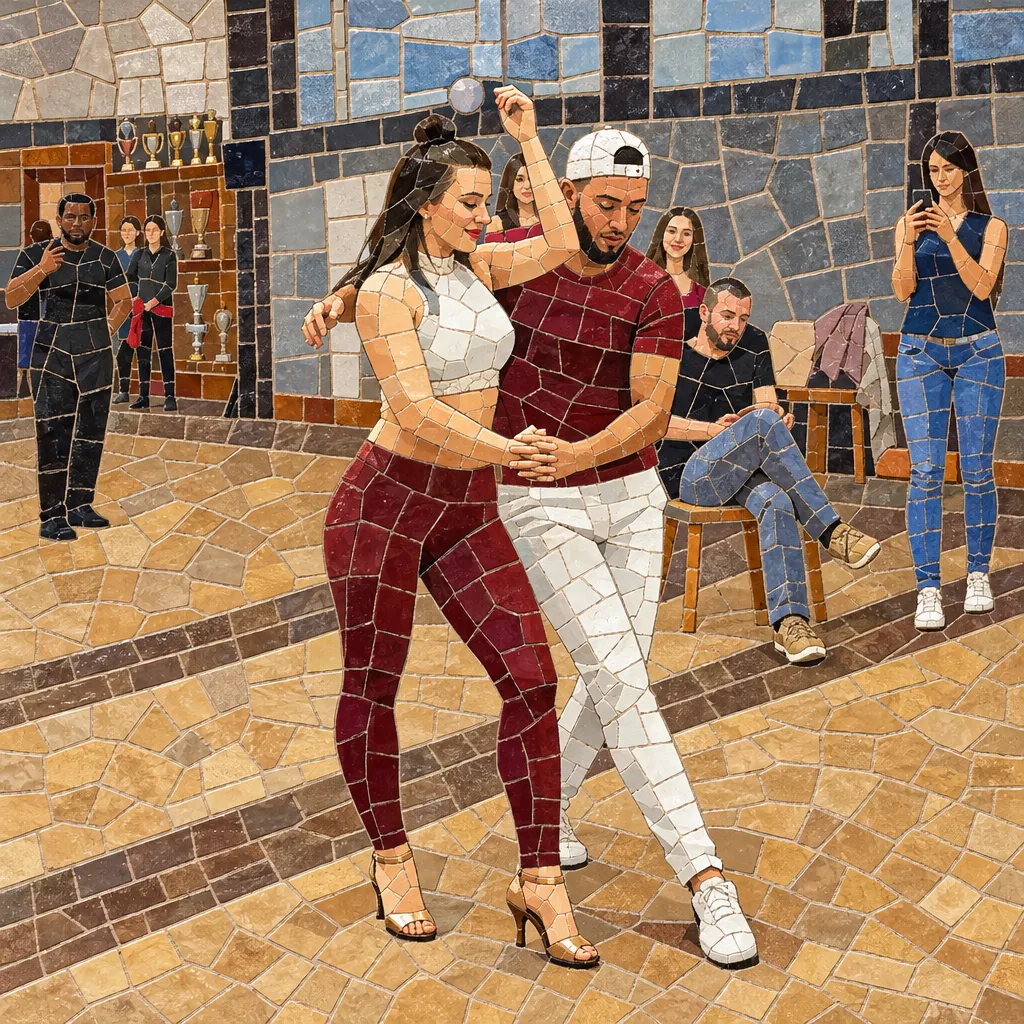
Urban Kiz is a contemporary, club-oriented offshoot of kizomba that took shape in Europe—especially in Paris—in the early-to-mid 2010s. It adapts the sensual, close-connection feel of kizomba to straighter, trap- and R&B-influenced beats with pronounced bass lines, crisp hi‑hats, and engineered breaks that suit the stop‑and‑go aesthetics of Urban Kiz social dancing. Musically, it favors 4/4 grooves around 88–102 BPM, less of the lilting/zouk swing found in classic kizomba, and more linear phrasing with dramatic drops, filters, and space for micro-pauses. Vocals (often in Portuguese, French, Cape Verdean Creole, or English) may be original toplines, sampled phrases, or R&B‑style hooks layered over sleek electronic production. Producers frequently label releases or remixes specifically for "Urban Kiz" floors, reinforcing the genre’s identity within the partner‑dance scene.
Discover
Listen
Jungle Terror
Jungle terror is a high-impact festival style of electronic dance music that fuses the punch of big-room and electro house with hyper-percussive, "tribal" drum programming. Rather than relying on massive supersaw leads, it centers on toms, congas, wooden blocks, clacks, and animalistic shouts that drive the drop. Typically around 128–135 BPM, its arrangements emphasize tension-and-release: long risers, vocal calls, and cinematic breaks snap into sparse, tom-led drops with heavy sub-kicks and syncopated patterns. The overall aesthetic is wild, raw, and rhythmic—designed for large dancefloors and open-air festival stages.
Discover
Listen
Briddim
Briddim is a hybrid strain of bass music that fuses the lurching, loop-driven minimalism of riddim with the high-impact, sound-design-forward aggression of brostep. It typically runs at 140–150 BPM in half-time, placing a punchy snare on beat three and driving the groove with syncopated bass stabs and call‑and‑response motifs. Compared to classic riddim, briddim foregrounds complex, highly modulated bass patches, sharp fills, and cinematic builds borrowed from brostep and tearout. The drops tend to be heavier and more varied than traditional riddim, yet remain more pattern‑centric and hypnotic than typical brostep, hence the “bridge” quality implied by the name.
Discover
Listen
Deep Filthstep
Deep filthstep is a heavy, sub‑focused branch of dubstep that keeps the snarling mid‑range "filth" of brostep while restoring the genre’s original sense of weight, space, and darkness. It emphasizes powerful mono subs, half‑time rhythms at ~140 BPM, and sculpted growl/wobble basses that punch through a minimalist, often cinematic mix. Compared with maximalist festival brostep, deep filthstep tends to be moodier and more restrained in arrangement, letting the sub and a few carefully modulated bass layers carry the drop. Sound design is still intricate (wavetable/FMs, formant and vowel filtering, resampling), but deployed with attention to negative space and bass weight.
Discover
Listen
Frauenrap
Frauenrap is a German-language umbrella term for hip hop led by women and non‑binary artists across Germany, Austria, and Switzerland (the DACH region). Musically it sits inside modern Deutschrap: booming 808s, trap hi‑hats, Autotune‑assisted toplines, and hook‑forward pop‑rap structures. Artists move fluidly between hard, percussive flows and melodic sing‑rap, often blending street‑rap attitudes with glossy pop sensibilities. Lyrically, frauenrap is marked by self‑assertion, sexuality on the artist’s own terms, social commentary, and the everyday realities of young urban life (work, relationships, migration backgrounds, digital culture). Code‑switching between German and heritage languages (e.g., Turkish, Kurdish, Albanian) and regional slang is common. Aesthetically, it ranges from icy, minimalist trap and drill beats to chart‑ready pop‑rap anthems, making it a highly visible, hit‑driven strand of contemporary German hip hop that has shifted mainstream perceptions of women in Deutschrap.
Discover
Listen
Hard Trap
Hard trap is a high-octane branch of trap that fuses the halftime bounce and 808-centric weight of hip hop with the sound-design aggression and build–drop architecture of festival EDM. Typically sitting around 145–160 BPM (often 150 BPM in halftime), it features seismic, often distorted 808 subs, razor-edged screech leads borrowed from hardstyle, and explosive, big-room drops. Arrangements emphasize tension-and-release with cinematic risers, snare rolls, and crowd-commanding vocal chops or hype shouts. The result is trap’s swagger scaled up for main stages: mosh-pit energy, punchy drums, and maximalist synth work designed to hit hard on large sound systems.
Discover
Listen
Speed House
Speed house is a high-tempo offshoot of house that accelerates the genre’s usual groove into the 140–155 BPM range while retaining a four-on-the-floor pulse. It fuses the punchy low-end and switch-up drops of bass house with the streamlined structure of tech house, often adding rave-style stabs, fidgety fills, and chopped vocal hooks. Sound design tends to emphasize aggressive, saturated basslines, crisp drum transients, and snappy turnarounds, creating a festival-ready, high-energy feel that still reads as house rather than hard dance. The style became widely identified through the Speed House Movement community and releases, spreading across North America and Europe via DJ edits, label samplers, and social media-driven virality.
Discover
Listen
Afro Drill
Afro drill is a regionalized form of drill that fuses the gritty, sliding-808 sonics and half‑time bounce of UK/Chicago drill with African rhythmic feel, languages, and street narratives. Born around the turn of the 2020s in Ghana (popularly called the Asakaa movement) and quickly echoed across other African scenes and diasporas, it retains drill’s cold, minor‑key atmosphere while introducing Afrobeats/highlife‑tinged melodies, syncopated percussion, and local flows in Twi, Ghanaian Pidgin, Yoruba, Sheng, and more. The result is music that is simultaneously raw and danceable—dark, street‑level storytelling delivered with regional slang and call‑and‑response hooks, framed by modern drill drum programming and African groove sensibilities.
Discover
Listen
Tearout Brostep
Tearout brostep is a hyper-aggressive strain of brostep that emphasizes violently modulated midrange basses, high-impact drops, and rapid-fire switch‑ups. It typically runs at 140–150 BPM in half‑time, pairing chest‑punching snares with seismic subs and screeching or growling lead basses. Producers lean heavily on advanced wavetable/FMX sound design, serial resampling, multiband distortion, OTT-style compression, and tight sidechaining to create a wall of kinetic, metallic energy. Arrangements often feature cinematic intros, tension‑building risers, and whiplash-inducing call‑and‑response bass phrases designed for headbanging festival crowds.
Discover
Listen
Turkish Hip Hop
Turkish hip hop is a rap tradition that emerged from the Turkish diaspora—especially in Germany—before taking root in Turkey itself. It blends the core aesthetics of hip hop (MCing, DJing/production, sampling) with Turkish-language delivery, code‑switching (often Turkish–German), and heavy use of regional melodic material. Sonically, the genre spans classic boom‑bap and G‑funk to contemporary trap. Producers frequently sample or reference Anatolian rock and arabesk, incorporate bağlama (saz), darbuka-style percussion, and modal colors related to makam (e.g., Hicaz, Hüseyni). Lyrically, it addresses migration, identity, social inequality, street culture, politics, and generational change—ranging from gritty reportage to introspective storytelling and protest. From pioneers like Cartel, Killa Hakan, Fuat, Ceza, and Sagopa Kajmer to a trap-informed wave led by Ezhel, Şehinşah, Uzi, Murda, and Ben Fero, Turkish hip hop has grown into one of the most visible and debated popular forms in contemporary Turkish-language music.
Discover
Listen
Hip Hop
Hip hop is a cultural and musical movement that emerged from Black, Latino, and Caribbean communities, centering around rapping (MCing), DJing/turntablism, sampling-based production, and rhythmic speech over beats. It prioritizes groove, wordplay, and storytelling, often reflecting the social realities of urban life. Musically, hip hop is built on drum-centric rhythms (from breakbeats to 808 patterns), looped samples, and bass-forward mixes. Lyrically, it ranges from party anthems and braggadocio to political commentary and intricate poetic forms, with flow, cadence, and rhyme density as core expressive tools. Beyond music, hip hop encompasses a broader culture, historically intertwined with graffiti, b-boying/b-girling (breakdance), fashion, and street entrepreneurship, making it both an art form and a global social language.
Discover
Listen
Rap
Rap is a vocal music style built on the rhythmic, rhymed, and often improvised spoken delivery of lyrics over a beat. It emphasizes flow, cadence, wordplay, and narrative, and is commonly performed over sampled or programmed drum patterns and loops. Emerging from block parties and sound-system culture in the Bronx, New York City, rap became the core vocal expression of hip hop culture alongside DJing, breakdancing, and graffiti. While it is closely linked to hip hop, rap as a technique and genre has also crossed into pop, rock, electronic, and global regional scenes. Musically, rap favors strong drum grooves (breakbeats, 808 patterns), sparse harmony, and loop-based structures that foreground the MC’s voice. Lyrically, it spans party chants and battle brags to intricate internal rhymes, social commentary, reportage, and autobiography.
Discover
Listen
Turkish Pop
Turkish pop is the mainstream popular music of Turkey, blending Western pop songcraft and production with Turkish melodic modes (makam), ornamentation, and rhythmic sensibilities. It typically features hook-driven choruses, polished vocals, and danceable beats, while weaving in timbres or phrases from traditional instruments (such as bağlama, kanun, darbuka) and characteristic micro-ornaments. From the 1960s “aranjman” era of Turkish-language covers of Western hits to the 1990s–2000s wave of glossy, Eurodance-tinged radio smashes, Turkish pop has acted as both a mirror of global pop trends and a carrier of local musical identity.
Discover
Listen
Show all 14 genres
Albums
2016
We Doen Ons Best
Murda
Basshall
Similar artists
4
/5
Ezhel
Turkish Hip Hop
Turkish Pop
Trap
4
/5
Sefo
Turkish Hip Hop
Turkish Pop
Hip Hop
3
/5
Canbay & Wolker
Turkish Hip Hop
Turkish Pop
Hip Hop
3
/5
Velet
Turkish Hip Hop
Turkish Pop
Hip Hop
4
/5
MERO
German Hip Hop
Turkish Hip Hop
Hip Hop
3
/5
Eko Fresh
German Hip Hop
Turkish Hip Hop
Hip Hop
3
/5
F1rstman
Basshall
Moombahton
Moroccan Pop
3
/5
Joker
Turkish Hip Hop
Hip Hop
Rap
5
/5
BLOK3
Turkish Hip Hop
Turkish Pop
Huzunlu Sarkilar
4
/5
Lvbel C5
Turkish Hip Hop
Turkish Pop
Drill
Download our mobile app
Get the Melodigging app and start digging for new genres on the go
Download on the App Store
Get it on Google Play
© 2026 Melodigging
Give feedback
Legal
Melodding was created as a tribute to
Every Noise at Once
, which inspired us to help curious minds keep digging into music's ever-evolving genres.