Genres
Artists
Albums
Make Music
Sign in
Sign in
Artists
Afro House
Artists
Afro House
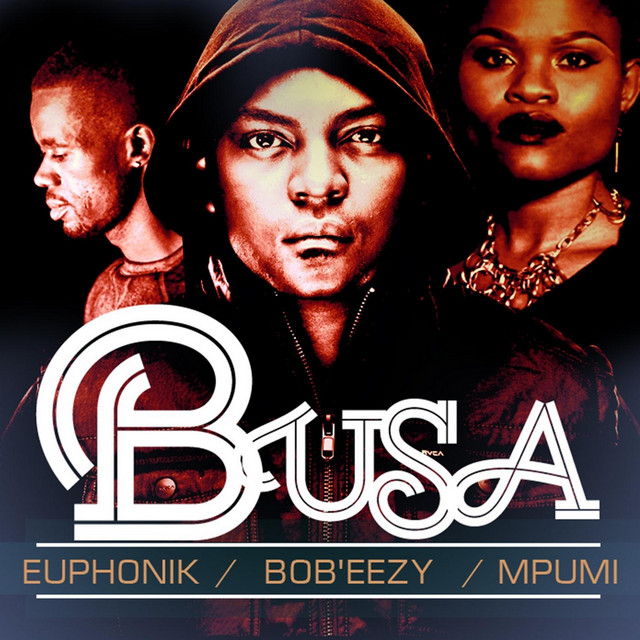
Mpumi
1 album
Listen
3
/5
Genres
3-Step
3-step is a contemporary club style built around a distinctive three‑kick‑drum pattern per bar instead of the traditional four‑on‑the‑floor. It blends the supple log‑drum bass and patient, rolling pace of Amapiano with the syncopated, jazz‑inflected looseness of UK Broken Beat. The result is relaxed, free‑form and playful, with a subtly swung feel, airy Rhodes‑style chords and nimble percussion that invite head‑nodding as much as dancing.
Discover
Listen
Gqom
Gqom is a minimalist, hard-edged club music from Durban, South Africa, built around pounding kicks, syncopated toms, and sparse, looped vocal chants. It favors tension and release over melodic development, using stark, percussive motifs and dramatic breakdowns to create a hypnotic, physically compelling groove. Typically sitting around 120–130 BPM, gqom departs from straight four-on-the-floor house patterns, embracing broken-beat structures, off-grid fills, and sudden dropouts. The sound palette leans dark and industrial—heavy sub-bass, metallic hits, claps, whistles, crowd shouts, and found sounds—while harmony is minimal or absent, keeping the focus on rhythm and texture.
Discover
Listen
Afro Tech
Afro tech is a club-focused hybrid of Afro house and techno that blends four-on-the-floor drum programming with African polyrhythms, deep sub-bass, and hypnotic, minor-key synth work. It favors driving grooves, atmospheric pads, chant-like vocals, and long, DJ-friendly arrangements that build patiently toward cathartic drops. Compared with soulful Afro house, Afro tech tends to be darker, more streamlined, and more mechanical, while retaining the swing, percussion density, and call-and-response sensibilities of Southern African dance music.
Discover
Listen
Private School Piano
Private school piano is a contemporary pop microstyle centered on piano-led singer‑songwriter ballads and mid‑tempo anthems with polished, conservatory‑adjacent playing and intimate, emotive vocals. The style emphasizes clear, melodic right‑hand figures, broken‑chord patterns, and dynamic swells that bloom into cinematic choruses. Production is spacious and pristine—close‑miked piano, tasteful reverb, light percussion, and occasional strings—supporting lyrical themes of romance, self‑reflection, and coming‑of‑age. While its roots draw from earlier piano rock and adult contemporary balladry, its aesthetic became especially associated with UK artists who emerged in the streaming era and often trained in formal or high‑quality music programs.
Discover
Listen
Afro House
Afro house is a subgenre of house music that took shape in South Africa in the 1990s. It blends classic house’s 4/4 pulse with African rhythmic sensibilities, emphasizing hand percussion such as congas, bongos, shakers and djembe alongside warm basslines and steadily dancing kick drums. Tracks often sit around 118–124 BPM and lean into hypnotic, polyrhythmic grooves, soulful harmonies, and an organic, spiritual atmosphere. Producers commonly use piano, saxophone, synthesizers, marimba/kalimba and rich pads, while vocals appear in a variety of African languages in call‑and‑response or chantlike phrases. The result is music that feels both deeply communal and club‑ready, equally at home on outdoor dance floors and late‑night sets.
Discover
Listen
Kwaito
Kwaito is a South African dance music style that emerged in early- to mid-1990s Johannesburg, defined by slowed-down house grooves, heavy sub-bass, chant-like vocals, and township slang. It blends the four-on-the-floor pulse of house with the call-and-response energy of street culture, drawing on local styles like township jive and mbaqanga as well as global currents such as hip hop and dancehall. The lyrics often celebrate everyday township life, fashion, parties, and post-apartheid freedom, while some artists fold in social commentary. Sonically, kwaito is minimalist and hypnotic: simple chord vamps, catchy synth stabs, whistles, handclaps, and congas carry mid-tempo beats around 95–110 BPM. Its relaxed swagger and communal chants made it both club-friendly and radio-ready, turning it into a defining sound of 1990s and 2000s urban South Africa.
Discover
Listen
Deep House
Deep house is a subgenre of house music characterized by warm, soulful textures, jazz-influenced harmony, and understated, hypnotic grooves. It typically runs around 115–124 BPM, favoring subtle swing, syncopated percussion, and rounded, mellow basslines over aggressive peaks. Sonically, deep house draws on extended chords (7ths, 9ths, 11ths), Rhodes and M1 organ timbres, airy pads, and tasteful use of reverb and delay to create a spacious, emotive atmosphere. Vocals, when present, often reference soul and gospel traditions, delivering intimate, reflective themes rather than big-room hooks. The style emerged in the mid-to-late 1980s as producers fused Chicago house rhythms with jazz-funk, soul, and garage house sensibilities, resulting in a smoother, deeper take on the house blueprint.
Discover
Listen
House
House is a dance music genre that emerged in Chicago in the early 1980s, defined by a steady four-on-the-floor kick drum, off-beat hi-hats, soulful or hypnotic vocals, and groove-centric basslines. Typical tempos range from 118–130 BPM, and tracks are structured in DJ-friendly 16–32 bar phrases designed for seamless mixing. Drawing on disco’s celebratory spirit, electro-funk’s drum-machine rigor, and Italo/Hi-NRG’s synth-led sheen, house prioritizes repetition, tension-and-release, and communal energy on the dancefloor. Its sound palette often includes 808/909 drums, sampled or replayed disco/funk elements, filtered loops, piano/organ stabs, and warm, jazzy chords. Over time, house diversified into many substyles—deep house, acid house, French house, tech house, progressive house, and more—yet it remains a global foundation of club culture, known for emphasizing groove, inclusivity, and euphoria.
Discover
Listen
Pop
Pop is a broad, hook-driven style of popular music designed for wide appeal. It emphasizes memorable melodies, concise song structures, polished vocals, and production intended for radio, charts, and mass media. While pop continually absorbs elements from other styles, its core remains singable choruses, accessible harmonies, and rhythmic clarity. Typical forms include verse–pre-chorus–chorus, frequent use of bridges and middle-eights, and ear-catching intros and outros. Pop is not defined by a single instrumentation. It flexibly incorporates acoustic and electric instruments, drum machines, synthesizers, and increasingly digital production techniques, always in service of the song and the hook.
Discover
Listen
Show all 9 genres
Albums
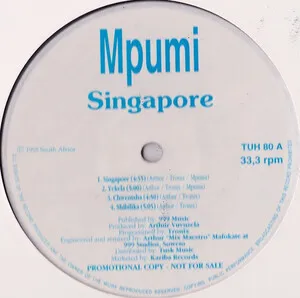
Singapore
Mpumi
Kwaito
Similar artists
3
/5
DJ Kent
Afro House
Afro Tech
Amapiano
3
/5
Black Motion
Afro House
Afro Soul
Amapiano
3
/5
Mobi Dixon
Afro House
Afro Soul
Afro Tech
3
/5
Zakes Bantwini
Afro House
Amapiano
Deep House
2
/5
DJ Sbu
Afro House
Afro Soul
Gqom
3
/5
Dennis Ferrer
Funky House
House
Uk Funky
3
/5
Andrey Exx
Afro House
Deep House
Groove Room
3
/5
MÖRDA
H8000
Afro House
Afro Soul
3
/5
Bukeka
3-Step
Afro House
Afro Tech
2
/5
Darque
Afro House
Afro Soul
Amapiano
Download our mobile app
Get the Melodigging app and start digging for new genres on the go
Download on the App Store
Get it on Google Play
© 2026 Melodigging
Give feedback
Legal
Melodding was created as a tribute to
Every Noise at Once
, which inspired us to help curious minds keep digging into music's ever-evolving genres.