Genres
Artists
Albums
Make Music
Sign in
Sign in
Artists
Dark Wave
Artists
Dark Wave
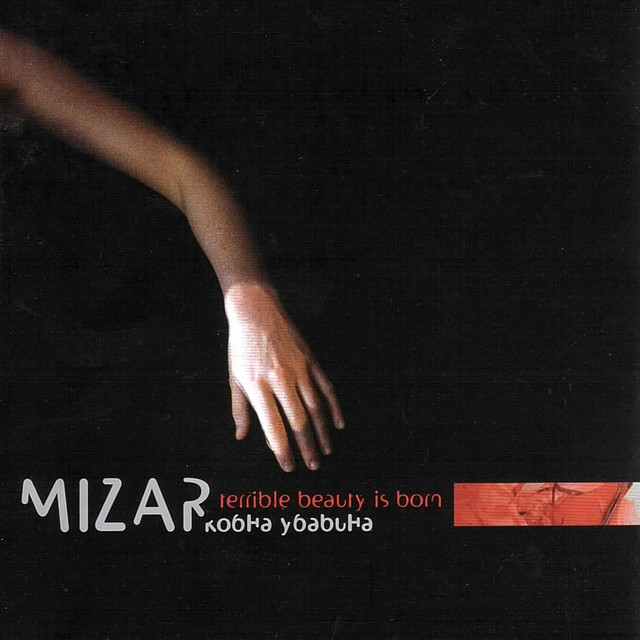
Mizar
2022
·
1 album
Listen
1
/5
Genres
Gothic Metal
Gothic metal is a fusion of the heaviness and slow, atmospheric pull of doom metal with the dark romanticism and melodrama of gothic rock. It emphasizes minor-key harmony, thick guitar textures, and prominent keyboards or orchestral pads to create a brooding, cinematic mood. Vocals range from deep baritone croons and clean female sopranos to harsh growls—sometimes used together in the "beauty-and-the-beast" style. Lyrical themes often explore love and loss, mortality, melancholy, myth, and the supernatural, presented with a sense of theatricality. While centered in metal, the style borrows from dark wave’s somber synths and gothic rock’s atmosphere, leading to variations that lean toward doom, symphonic, or even alternative-leaning approaches.
Discover
Listen
Dark Wave
Dark wave is a moody, melancholic offshoot of post-punk and new wave that emphasizes minor-key harmonies, somber timbres, and introspective or romantic lyrical themes. It blends the icy textures of early synthesizers and drum machines with reverb-laden guitars and melodic, driving basslines. The style typically features baritone or ethereal vocals, atmospheric production with heavy use of chorus, delay, and reverb, and tempos that range from slow and brooding to mid-tempo and danceable. Dark wave spans both guitar-oriented and synth-forward approaches, and often overlaps with related movements such as coldwave, minimal wave, and ethereal wave.
Discover
Listen
Gothic Rock
Gothic rock is a dark, atmospheric branch of post-punk that emphasizes brooding moods, melodic basslines, baritone or icy vocal deliveries, and guitar textures drenched in chorus, delay, and reverb. Its lyrics often explore themes of romanticism, existential dread, night, mysticism, and decay, drawing on Gothic literature and cinema as much as rock tradition. Sonically, it blends the stark rhythms and minimalism of post-punk with the theatricality of glam and the textural experimentation of art and psychedelic rock. Drum machines or tightly metronomic drumming underpin prominent, melodic bass figures, while guitars shimmer or scrape with chorus/flanger effects. The result is danceable yet somber music that feels both dramatic and introspective.
Discover
Listen
Post-Punk
Post-punk is a broadly experimental strain of rock that emerged in the late 1970s as artists sought to push beyond the speed, simplicity, and orthodoxy of first-wave punk. It typically features angular, bass-forward grooves; jagged or minimal guitar lines; stark, spacious production; and an openness to dub, funk, electronic, and avant-garde ideas. Lyrics often examine alienation, urban decay, politics, and the inner life with artful or abstract delivery. A studio-as-instrument approach, emphasis on rhythm section interplay, and an appetite for non-rock textures (tape effects, drum machines, found sound, synths) distinguish the style. The result can be danceable yet tense, cerebral yet visceral, and emotionally restrained yet intensely expressive.
Discover
Listen
Byzantine Chant
Byzantine chant is the monophonic, a cappella liturgical music of the Eastern Roman (Byzantine) Church, sung primarily in Greek and organized around the octoechos (eight-mode) system. Its melodies are modal rather than harmonic, unfolding in one line supported in later practice by a sustained drone (ison). The repertory sets biblical psalms and hymnic poetry (e.g., troparia, kontakia, stichera, and canons) to melodies that follow textual accent and rhetorical pacing rather than strict meter. Notation employs neumes that encode melodic direction and ornate formulae, preserving a highly codified oral tradition. The sound is characterized by free rhythm, microtonal inflections in certain modes, and an austere, prayerful timbre designed for resonant ecclesiastical spaces. Byzantine chant remains central to the worship of the Eastern Orthodox Church and has shaped a wide family of chant traditions across the Mediterranean and Slavic worlds.
Discover
Listen
Byzantine Music
Byzantine music is the sacred chant tradition of the Byzantine (Eastern Roman) Empire, cultivated primarily in the Greek-speaking Christian world. It is a monophonic, vocal art that uses modal systems (the Octoechos), formulaic melodic patterns, and an ison (drone) to support the principal melody. It is performed a cappella in liturgical contexts, with texts drawn from scripture and hymnography in Greek and related Christian languages. Its notation developed a distinctive neumatic script, and its aesthetics emphasize prayerful sobriety, rhetorical declamation of sacred texts, and highly ornamented melodic gestures governed by modal grammar.
Discover
Listen
Albums
2022
1
/5
Детето и белото море
Harmosini Хармосини & Mizar Мізар
Byzantine Chant
Byzantine Music
Similar artists
3
/5
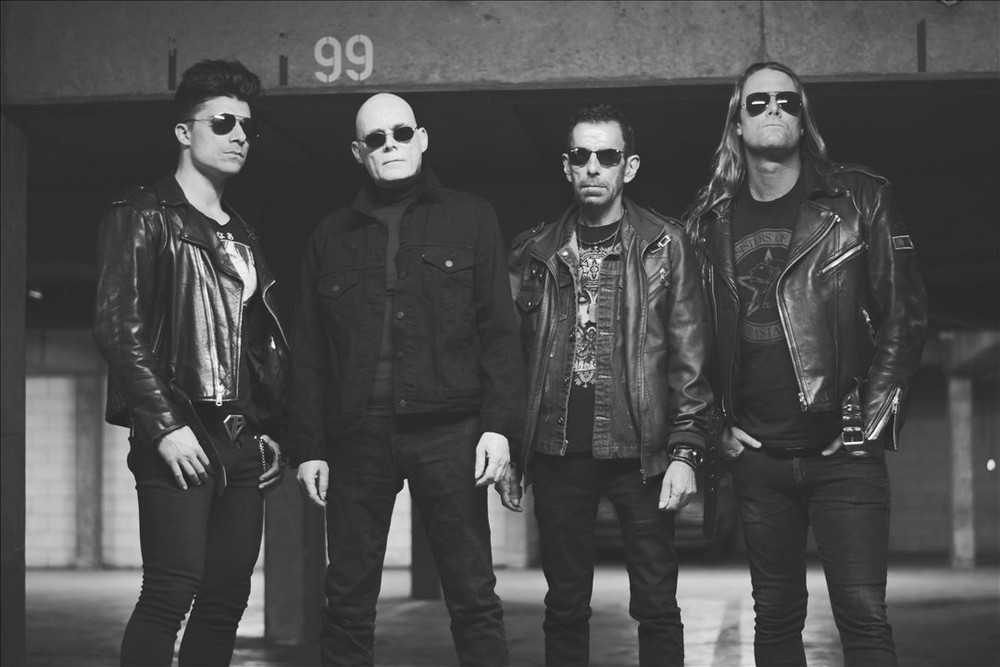
Sisters of Mercy
Gothic Rock
Dark Wave
Deathrock
3
/5
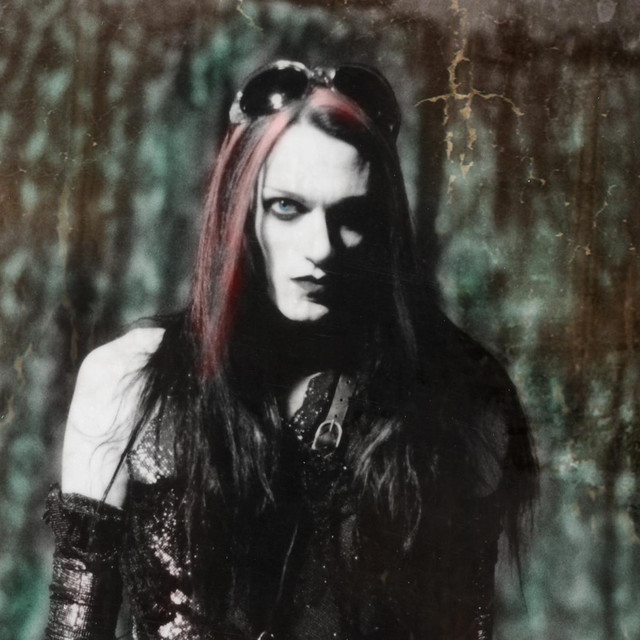
London After Midnight
Dark Wave
Deathrock
Gothic Rock
3
/5
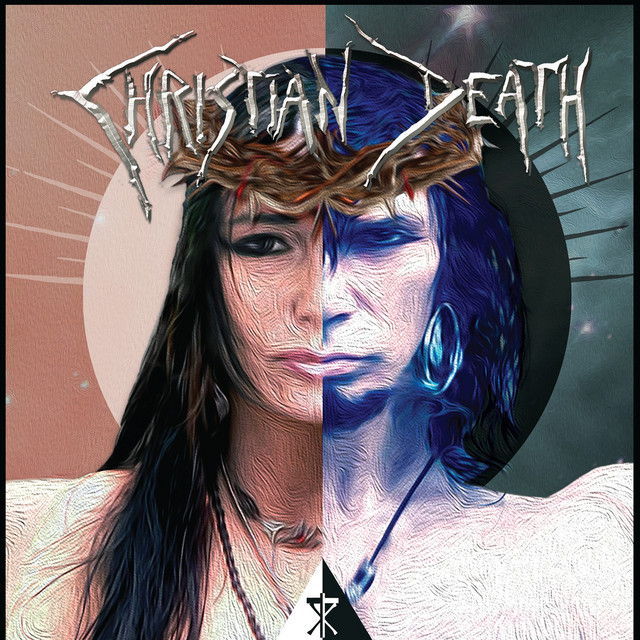
Christian Death
Deathrock
Gothic Rock
Horror Punk
3
/5
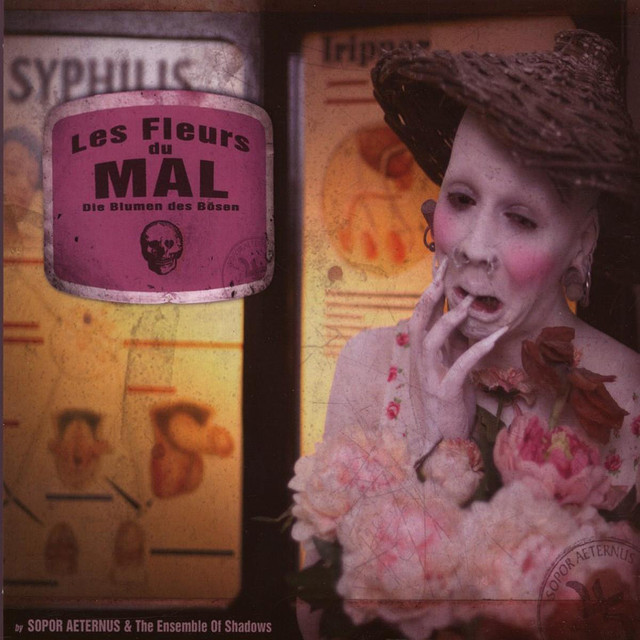
Sopor Aeternus & The Ensemble Of Shadows
Neue Deutsche Todeskunst
Dark Wave
Neoclassical Dark Wave
3
/5
Diva Destruction
Coldwave
Dark Wave
Deathrock
2
/5
Alien Sex Fiend
Deathrock
Dark Wave
Industrial
2
/5
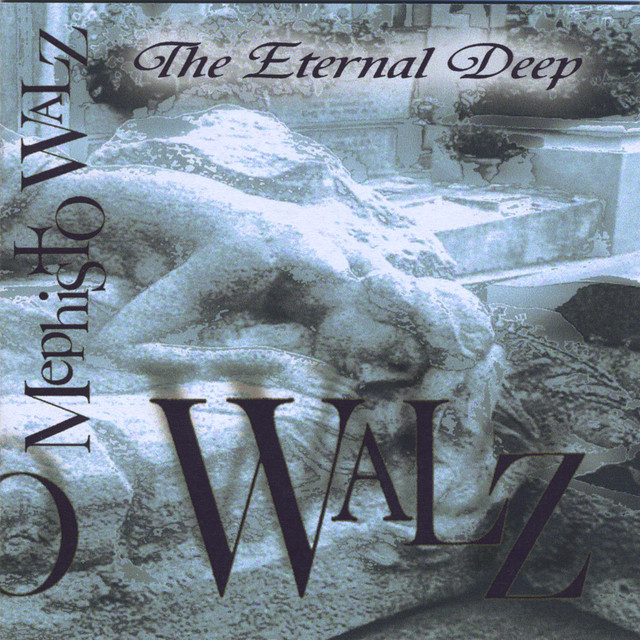
Mephisto Walz
Coldwave
Dark Wave
Deathrock
2
/5
Fields Of The Nephilim
Gothic Rock
Coldwave
Dark Wave
2
/5
Horror Vacui
Deathrock
Post-Punk
Modern Goth
2
/5
Inkubus Sukkubus
Dark Wave
Deathrock
Gothic Metal
Download our mobile app
Get the Melodigging app and start digging for new genres on the go
Download on the App Store
Get it on Google Play
© 2026 Melodigging
Give feedback
Legal
Melodding was created as a tribute to
Every Noise at Once
, which inspired us to help curious minds keep digging into music's ever-evolving genres.