Genres
Artists
Albums
Make Music
Sign in
Sign in
Artists
Neo-Classic Music
Artists
Neo-Classic Music
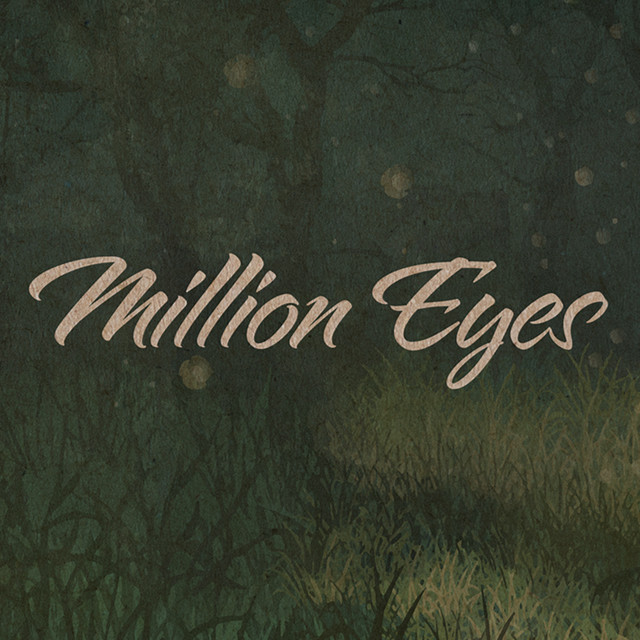
Million Eyes
2015
·
1 album
Listen
3
/5
Genres
Isekai
Isekai (lit. "another world") in music refers to songs and scores written for anime and games where characters are transported—often accidentally or involuntarily—into a parallel universe or fantasy world. In practice, it is a sub-current of Japanese anisong and soundtrack culture whose soundworld emphasizes the wonder, peril, and empowerment arcs typical of isekai narratives. Musically, isekai blends high-impact J‑pop/J‑rock openings (OPs) with hybrid orchestral scores: soaring string ostinati, heroic brass, choir pads, and EDM/rock rhythm sections used to frame battles, leveling-up sequences, and portal moments. Endings (EDs) often pivot to lyrical, nostalgic or bittersweet pop to reflect homesickness, found-family bonds, or the protagonist’s inner monologue.
Discover
Listen
Reading Indie
Reading indie refers to the contemporary indie-rock and indie-pop scene centered on Reading, Berkshire (UK). It blends jangly and driving guitar textures with anthemic choruses and a distinctly British melodic sensibility. The sound often sits between post-punk revival bite, festival-ready alternative rock, and (via local history) shoegaze shimmer. Songs balance energetic, danceable rhythms with bittersweet, small‑town storytelling and youthful urgency, making the style travel well from clubs to big outdoor stages.
Discover
Listen
No Beat
No beat is a Brazilian, producer‑driven tag and scene that grew around baile funk and adjacent regional party styles, where the beatmaker’s identity (often voiced as the tag “X no beat!”) is foregrounded. Musically it pulls from funk carioca’s Miami‑bass lineage, paredão/car‑sound‑system aesthetics, and newer dark, minimalist strands (e.g., bruxaria), yielding hard sub‑bass, sparse percussion at 130–150+ BPM, abrupt mutes, chopped/ported vocals, and crowd‑command call‑outs. In some regional pockets the groove leans into arrochadeira/brega influences and trap textures (“trapfunk”). Rather than meaning “without drums,” the label signals a producer‑centric baile funk approach that thrives in street parties and sound‑system culture and has fed into today’s global club and trap‑funk cross‑pollination.
Discover
Listen
Neo-Classic Music
Neo-classic music is a contemporary, post-classical style that blends the language of chamber and orchestral writing with the textures and production of electronic and ambient music. Typically centered on piano and small string ensembles, it favors intimate timbres (felt piano, close‑miked strings), looping minimalist figures, and slowly evolving harmonies. Subtle electronics—tape hiss, granular clouds, synth pads, gentle pulses—are treated as equal partners to acoustic instruments, creating a cinematic, contemplative atmosphere. The term is distinct from early‑20th‑century neoclassicism: where that movement revisited Baroque and Classical forms with modern harmonies, neo-classic music is a 2000s development rooted in minimalism, ambient, and studio craft, often crossing over into film/TV scoring and playlist culture.
Discover
Listen
Albums
2015
4
/5
In the Wind
Million Eyes
Neo-Classic Music
Similar artists
Hide discovered
4
/5
Ólafur Arnalds
Classical
Contemporary Classical
Ambient
4
/5
Nils Frahm
Ambient
Electronic
Modern Classical
4
/5
Hania Rani
Classical
Electronic
Ambient
3
/5
Chad Lawson
Minimalism
Classical
Neoclassicism
3
/5
RIOPY
Neo-Classic Music
Neo-Classical
Neoclassicism
3
/5
Peter Gregson
Modern Cello
Classical
Contemporary Classical
3
/5
Federico Albanese
Contemporary Classical
Minimalism
Neo-Classic Music
3
/5
Matteo Myderwyk
Minimalism
Neoclassicism
Neo-Classic Music
3
/5
Luke Howard
Contemporary Classical
Modern Classical
Classical Crossover
3
/5
Sid Acharya
Neo-Classic Music
Ambient Lo-Fi
Deep Soundtrack
Download our mobile app
Get the Melodigging app and start digging for new genres on the go
Download on the App Store
Get it on Google Play
© 2026 Melodigging
Give feedback
About & FAQ
Legal
Melodding was created as a tribute to
Every Noise at Once
, which inspired us to help curious minds keep digging into music's ever-evolving genres.