Genres
Artists
Albums
Make Music
Sign in
Sign in
Artists
Znamenny Chant
Artists
Znamenny Chant
Men's Choir of the Valaam Singing Culture Institute
1995–2011
·
3 albums
Listen
1
/5
Genres
Znamenny Chant
Znamenny chant is a monophonic, unaccompanied liturgical chant tradition of the medieval Russian Orthodox Church. It took shape from the 11th century, building on the Byzantine octoechos system and adapting it to Slavic language, prosody, and worship. Hallmarks include strictly modal melodies (the eight glas/modes), stepwise motion with measured leaps, free rhythm governed by the Church Slavonic text, and performance in unison by cantors or choir without instruments. Its neumatic notation—called kryuki or "hooks"—encodes melodic formulae and nuanced delivery rather than exact meter. Several stylistic strata exist: stolpovoy ("pillar") as the foundational, more syllabic layer; putevoy ("path") with richer formulae; and demestvenny, the most ornate and melismatic. The overall sound is austere, meditative, and hieratic, designed to carry scripture and prayer rather than display virtuosity.
Discover
Listen
Russian Orthodox Liturgical Music
Russian Orthodox liturgical music is the a cappella chant and choral tradition of the Russian Orthodox Church, sung in Church Slavonic during services such as the Divine Liturgy, the All‑Night Vigil, and the Hours. It grew from medieval monophonic chant (especially Znamenny, but also Demestvenny and Put’) structured by the octoechos (eight-mode) system inherited from Byzantium. From the 17th century onward, polyphonic and later richly harmonized choral idioms developed alongside chant, creating a uniquely Slavic blend of ancient modal melody and Romantic choral sonority. Hallmarks include unaccompanied mixed or male choirs, free, text-driven rhythm, deep basses (oktavists), luminous chordal writing in later repertoire, and a reverent, prayerful tone that prioritizes clarity of the sacred text over display. Instruments are not used, in keeping with Orthodox canons.
Discover
Listen
Gregorian Chant
Gregorian chant is the central Western tradition of plainchant: a monophonic, unaccompanied sacred song in Latin (and occasionally Greek) used in the Roman Catholic liturgy. It employs free rhythm guided by the prosody of the text rather than by strict meter, and is sung in unison by clerics or scholas. Its melodies are organized by the system of eight church modes, with characteristic finalis (final), tenor/reciting tones, and melodic formulas. Repertoires include the Proper and Ordinary of the Mass (e.g., Introit, Gradual, Alleluia, Offertory, Communion, Kyrie, Gloria, Credo, Sanctus, Agnus Dei) and the Divine Office (e.g., Antiphons, Responsories, Hymns, Psalms). Although legend credits Pope Gregory I, modern scholarship sees Gregorian chant as a Carolingian synthesis of Old Roman and Gallican chants, standardized across Frankish realms and later the broader Latin West.
Discover
Listen
Choral
Choral refers to music written for and performed by a choir—an ensemble of voices organized into sections such as soprano, alto, tenor, and bass (SATB), or same-voice groupings (SSA, TTBB). It encompasses both sacred and secular repertoire and may be sung a cappella or with accompaniment by organ, piano, or full orchestra. Stylistically, choral music ranges from chant-like monophony to intricate polyphony and rich homophonic textures. Texts are drawn from liturgy, scripture, poetry, and vernacular sources, and are set in many languages. Performance contexts include church services, concert halls, and community events, making choral one of the most socially embedded and widely practiced forms of ensemble music. Across history, choral music has served as a laboratory for vocal counterpoint, word painting, and text-driven form, while functioning as a cultural bridge among religious rites, national traditions, and contemporary concert practice.
Discover
Listen
Albums
2011
1
/5
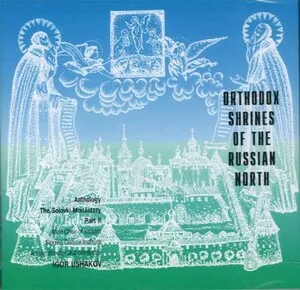
Orthodox Shrines of the Russian North: The Solovki Monastery II
Male Choir of Valaam Singing Culture Institute Мужской хор Института певческой…
Znamenny Chant
1996
1
/5
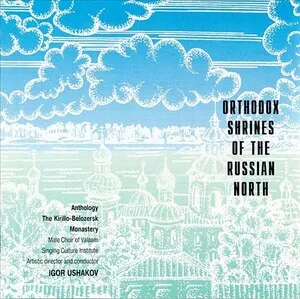
Orthodox Shrines of the Russian North: The Kirillo-Belozersk Monastery
Male Choir of Valaam Singing Culture Institute Мужской хор Института певческой…
Znamenny Chant
Russian Orthodox Liturgical Music
1995
1
/5
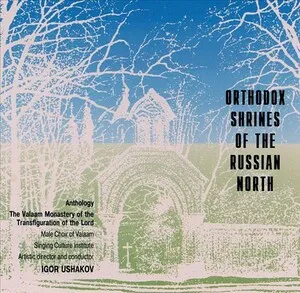
Orthodox Shrines of the Russian North: The Valaam Monastery of the Transfiguration of the Lord
Male Choir of Valaam Singing Culture Institute Мужской хор Института певческой…
Znamenny Chant
Russian Orthodox Liturgical Music
Similar artists
2
/5
Igor Ushakov
Choral
Gregorian Chant
Russian Orthodox Liturgical Music
2
/5
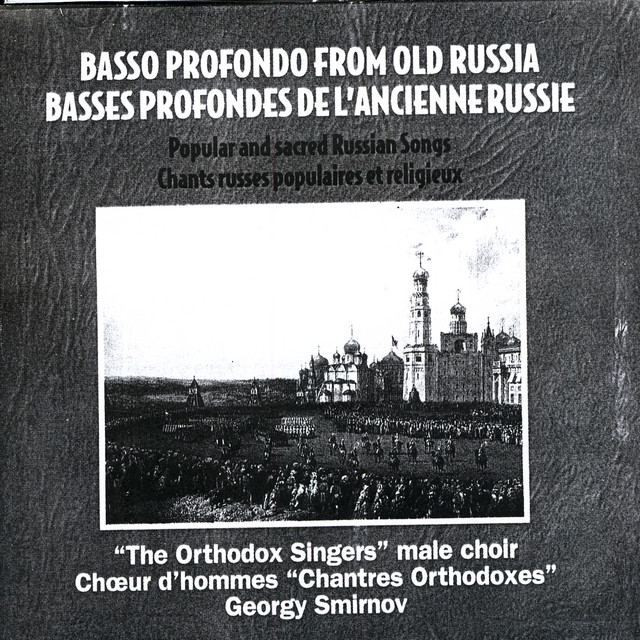
Georgiy Smirnov
Choral
Gregorian Chant
Russian Music
2
/5
"The Orthodox Singers" Male Choir
Choral
Gregorian Chant
Russian Music
3
/5
Anonymous
Ars Antiqua
Gregorian Chant
Medieval
2
/5
Valery Polyansky
Choral
Choral Concerto
Gregorian Chant
2
/5
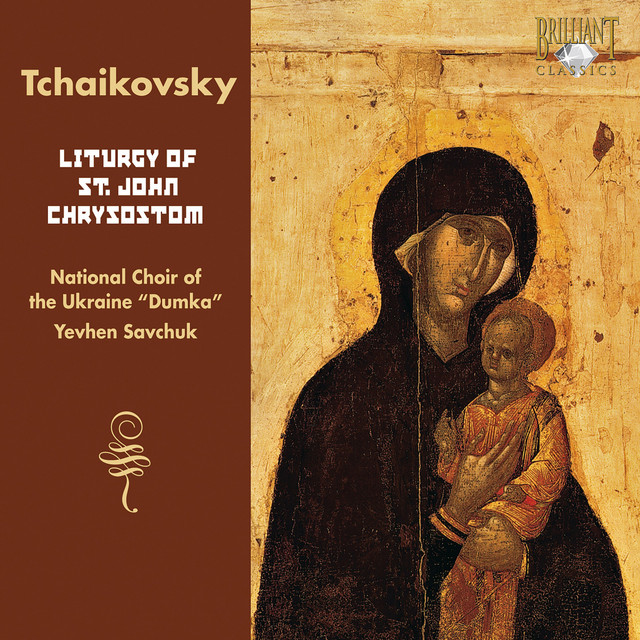
Yevhen Savchuk
Choral
Gregorian Chant
Russian Orthodox Liturgical Music
2
/5
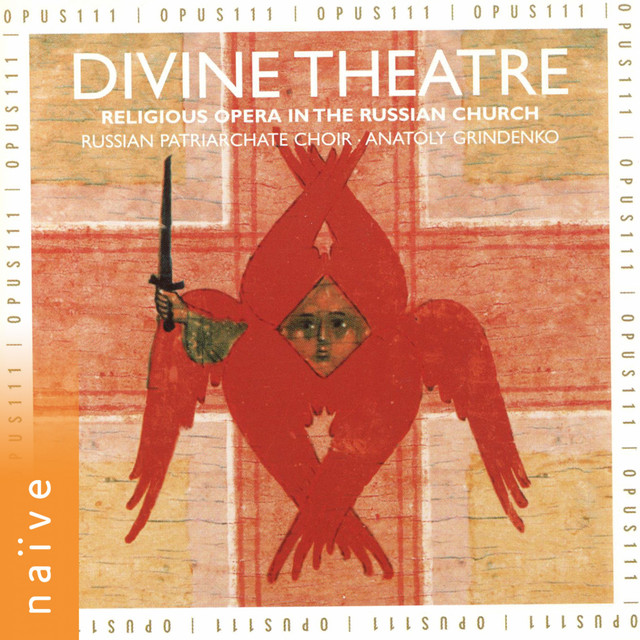
Anatoly Grindenko
Choral
Gregorian Chant
Znamenny Chant
2
/5
National Choir Of The Ukraine "Dumka"
Choral
Gregorian Chant
Russian Orthodox Liturgical Music
3
/5
The Tallis Scholars
Choral
Renaissance
Requiem
2
/5
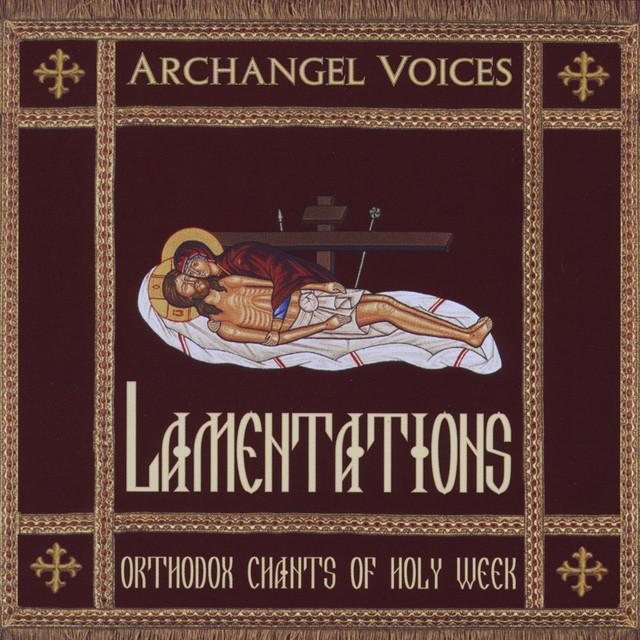
Archangel Voices
Choral
Gregorian Chant
Russian Orthodox Liturgical Music
Download our mobile app
Get the Melodigging app and start digging for new genres on the go
Download on the App Store
Get it on Google Play
© 2026 Melodigging
Give feedback
Legal
Melodding was created as a tribute to
Every Noise at Once
, which inspired us to help curious minds keep digging into music's ever-evolving genres.