Genres
Artists
Albums
Make Music
Sign in
Sign in
Artists
Piano Blues
Artists
Piano Blues
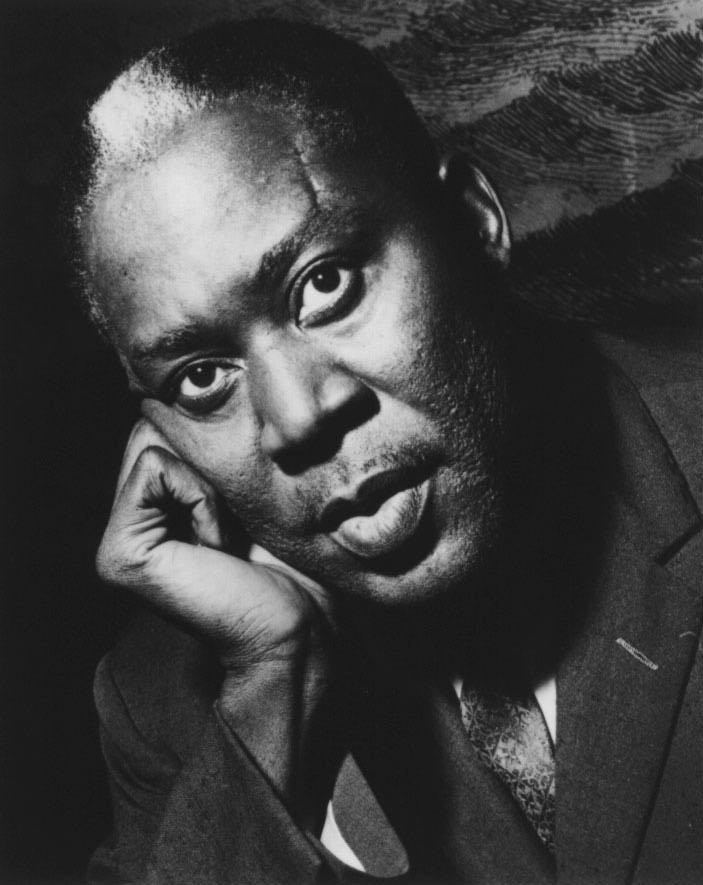
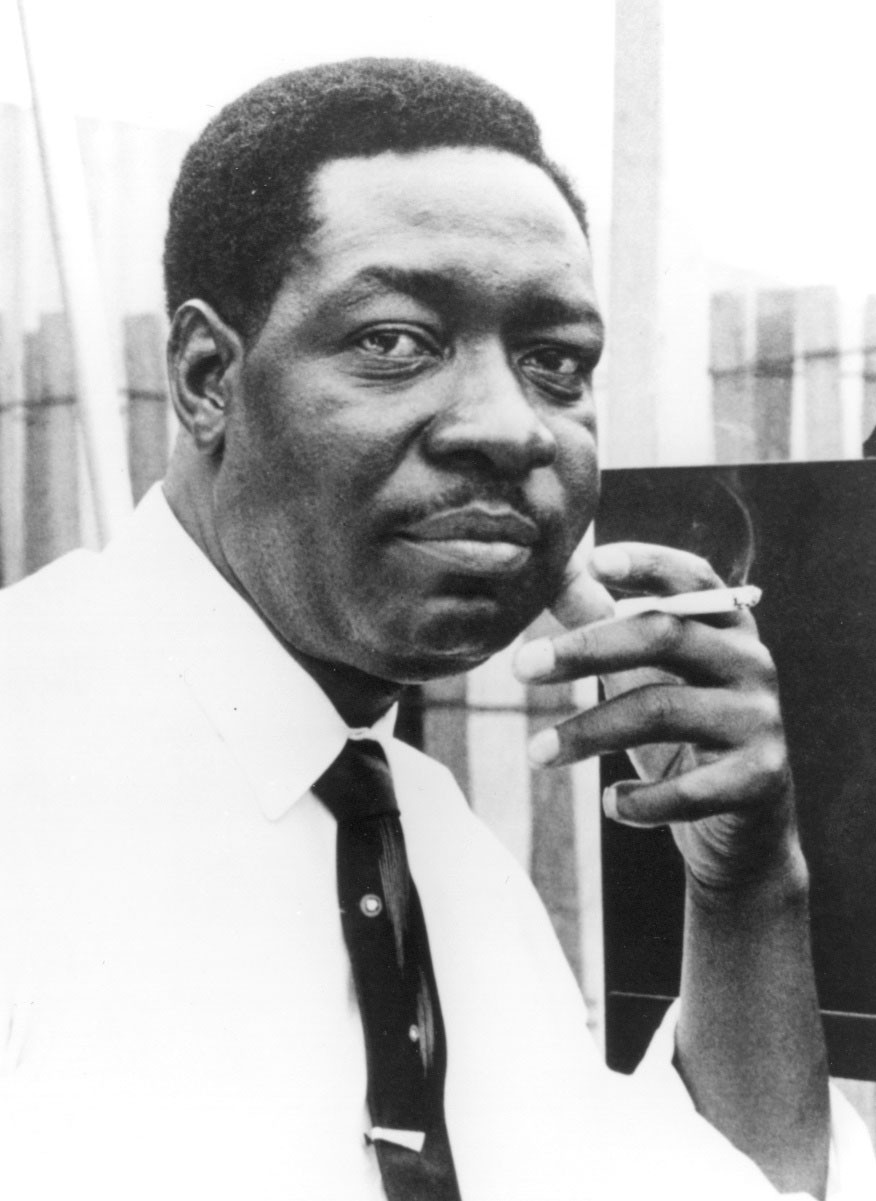
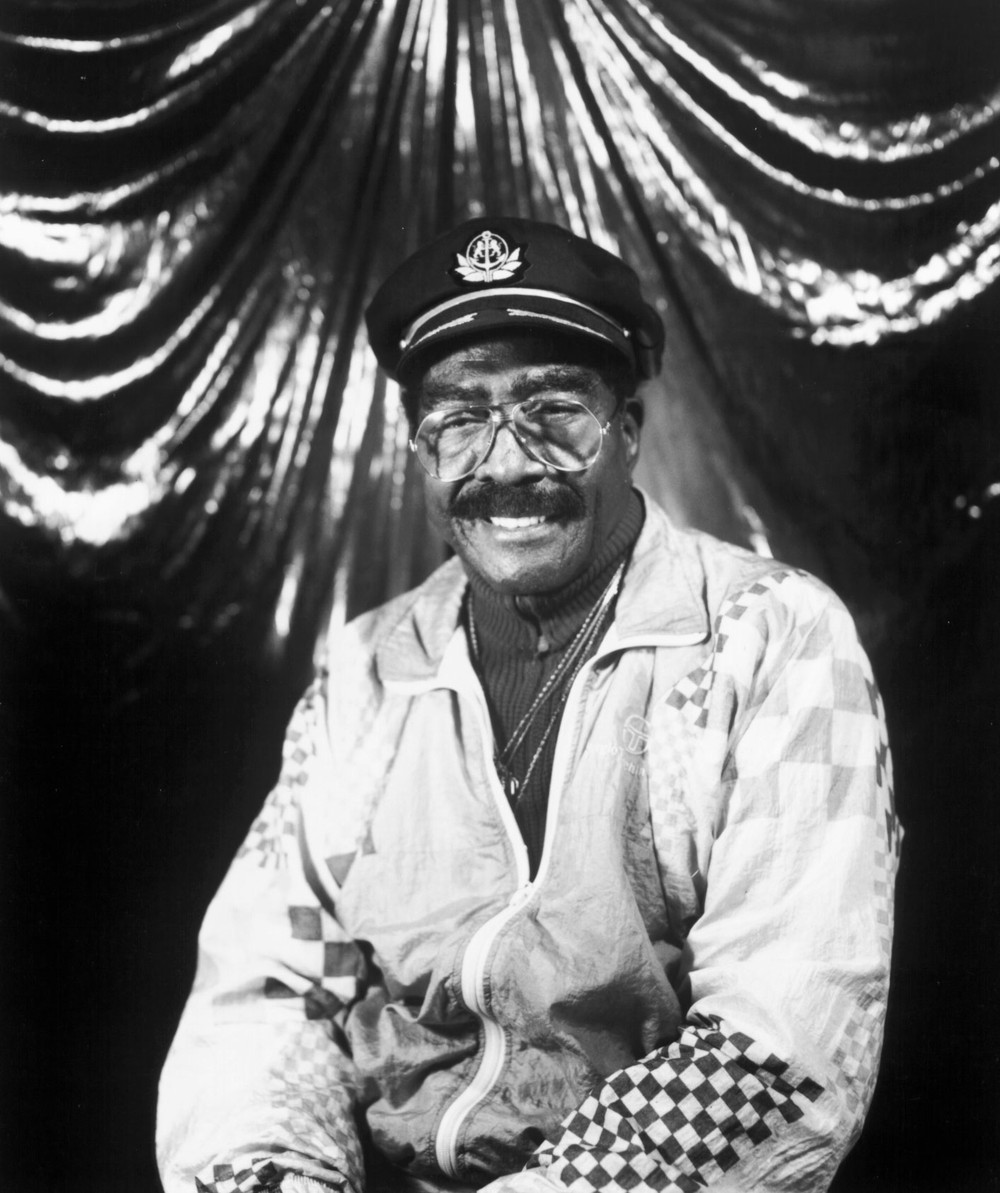
Memphis Slim
1959–2004
·
8 albums
Listen
2
/5
Genres
Blues Rock
Blues rock is a guitar-driven style that fuses the raw feeling and 12‑bar structures of the blues with the power, volume, and rhythmic punch of rock. It emphasizes riff-based songs, pentatonic and blues-scale soloing, call‑and‑response between voice and guitar, and an expressive, often gritty vocal delivery. Typical ensembles are power trios (guitar, bass, drums) or quartet formats adding second guitar, keyboards, or harmonica, and performances commonly feature extended improvisation. Sonically, it favors overdriven tube-amp tones, sustained bends, vibrato, and dynamic contrasts, moving from shuffles and boogies to straight‑eighth rock grooves.
Discover
Listen
Chicago Blues
Chicago blues is an electrified, urban form of the blues that took root on Chicago’s South and West Sides during the Great Migration. Built on the 12‑bar blues and I–IV–V harmony, it is marked by amplified guitar, amplified harmonica ("harp"), piano, bass, and drum kit, with a swinging shuffle feel and a strong backbeat. Riffs, call‑and‑response between voice and lead instruments, and terse, memorable hooks are central. Lyrically, Chicago blues pivots from rural imagery to city life—work, love, nightlife, tough luck, and resilience—delivered with grit, wit, and emotional directness. The sound is raw yet powerful, merging Delta roots with urban rhythm sections and studio production that foregrounds groove and bite.
Discover
Listen
Jazz Blues
Jazz blues is a hybrid idiom that merges the expressive, melodic language and 12‑bar song forms of the blues with the harmony, improvisational vocabulary, and rhythmic feel of jazz. Typically, it retains a blues structure (often the 12‑bar form) while enriching it with jazz devices such as ii–V progressions, secondary dominants, turnarounds, tritone substitutions, and extended chords (9ths, 11ths, 13ths). The feel commonly swings, with walking bass lines, comping on piano or guitar, blue notes, call‑and‑response phrasing, and solos that mix blues scales with mixolydian and bebop lines. The result ranges from earthy shuffles to urbane, harmonically sophisticated vehicles for improvisation, sitting comfortably between New Orleans roots, Kansas City riff traditions, and modern bop language.
Discover
Listen
Piano Blues
Piano blues is a blues tradition centered on solo piano performance, where the instrument carries both rhythm-section drive and melodic lead. It fuses ragtime’s syncopation, early jazz phrasing, and the 12‑bar blues form into a percussive, highly expressive style. Hallmarks include steady left‑hand patterns (walking tenths, stride figures, broken octaves, and boogie ostinatos) supporting right‑hand riffs built from the blues scale, blue notes, crushed grace notes, tremolos, and call‑and‑response motifs. It flourished in saloons, rent parties, theaters, and recording studios, giving rise to regional approaches like Chicago’s understated, swinging shuffle and New Orleans’ rolling, rhumba‑tinged feel. Closely related to barrelhouse and boogie‑woogie, piano blues underpins much of later American popular music, feeding directly into jump blues, early R&B, rock and roll, and rockabilly.
Discover
Listen
Classic Blues
Classic blues (often called "classic female blues") is the early, urban, theater-bred form of the blues that flourished primarily in the 1920s. It is characterized by powerful lead vocalists—frequently women—fronting small jazz ensembles or a piano accompanist, with arrangements that translated the blues idiom to vaudeville stages and recording studios. Musically it typically uses the 12‑bar blues form, AAB lyric stanzas, swung or shuffle rhythms in 4/4, and prominent use of blue notes (flattened 3rd, 5th, and 7th). The style sits at the crossroads of Southern blues traditions, ragtime and early jazz, and the songcraft and professionalism of vaudeville and Tin Pan Alley. Classic blues differs from country/delta blues by its more formal arrangements, band instrumentation, and theatrical delivery. It launched the commercial “race records” era with Mamie Smith’s 1920 hit "Crazy Blues," and set the template for later jazz and R&B vocal performance.
Discover
Listen
Blues
Blues is an African American musical tradition defined by expressive "blue notes," call-and-response phrasing, and a characteristic use of dominant-seventh harmony in cyclical song forms (most famously the 12‑bar blues). It is as much a feeling as a form, conveying sorrow, resilience, humor, and hard-won joy. Musically, blues commonly employs the I–IV–V progression, swung or shuffled rhythms, and the AAB lyric stanza. Melodies lean on the minor/major third ambiguity and the flattened fifth and seventh degrees. Core instruments include voice, guitar (acoustic or electric), harmonica, piano, bass, and drums, with slide guitar, bends, and vocal melismas as signature techniques. Over time the blues has diversified into regional and stylistic currents—Delta and Piedmont country blues, urban Chicago and Texas blues, West Coast jump and boogie-woogie—while profoundly shaping jazz, rhythm & blues, rock and roll, soul, funk, and much of modern popular music.
Discover
Listen
Boogie-Woogie
Boogie-woogie is a highly rhythmic, piano-centered branch of the blues distinguished by its driving “eight-to-the-bar” left-hand ostinato and improvised right-hand riffs. While it shares the 12‑bar blues framework and blue-note vocabulary, it places an unusually strong emphasis on groove, forward motion, and danceability. Typically performed at brisk tempos, the style features a rolling, repeated bass pattern in broken octaves (or a walking single-note line) that locks into a shuffle or 12/8 swing feel. Over this foundation, the right hand plays syncopated licks, triplet figures, crushed grace notes, tremolos, and call‑and‑response motifs, often quoting and varying short, catchy riffs. The result is a propulsive, celebratory sound designed for social dancing and energetic performance.
Discover
Listen
Show all 7 genres
Albums
2004
1
/5
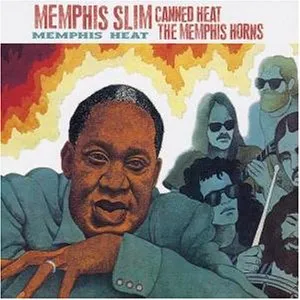
Memphis Heat
Memphis Slim, Canned Heat & The Memphis Horns
Piano Blues
1993
1
/5
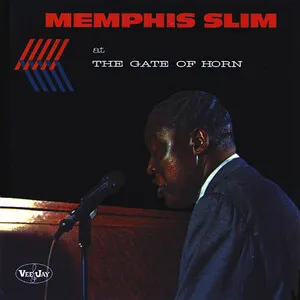
At the Gate of Horn
Memphis Slim
Piano Blues
1990
1
/5
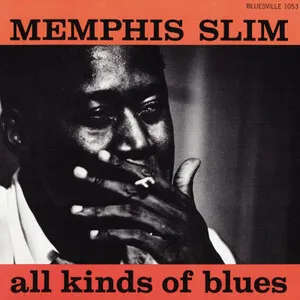
All Kinds of Blues
Memphis Slim
Piano Blues
1990
1
/5
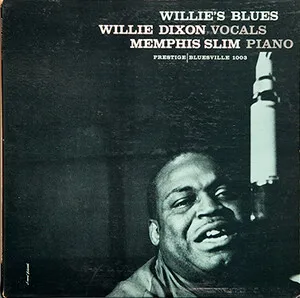
Willie's Blues
Memphis Slim & Willie Dixon
Piano Blues
1965
1
/5
20 Chicago Blues Classics
Memphis Slim
Piano Blues
1959
1
/5
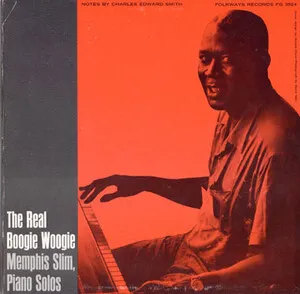
The Real Boogie Woogie
Memphis Slim
Boogie-Woogie
Piano Blues
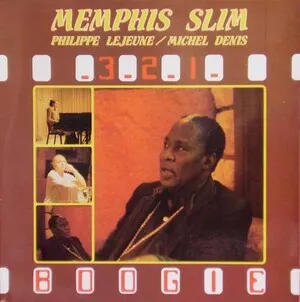
Three, Two, One Boogie
Memphis Slim
Boogie-Woogie
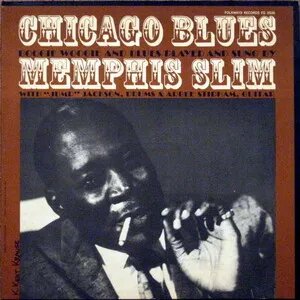
Chicago Blues
Memphis Slim
Boogie-Woogie
Similar artists
2
/5
Otis Spann
Piano Blues
Blues
Boogie-Woogie
1
/5
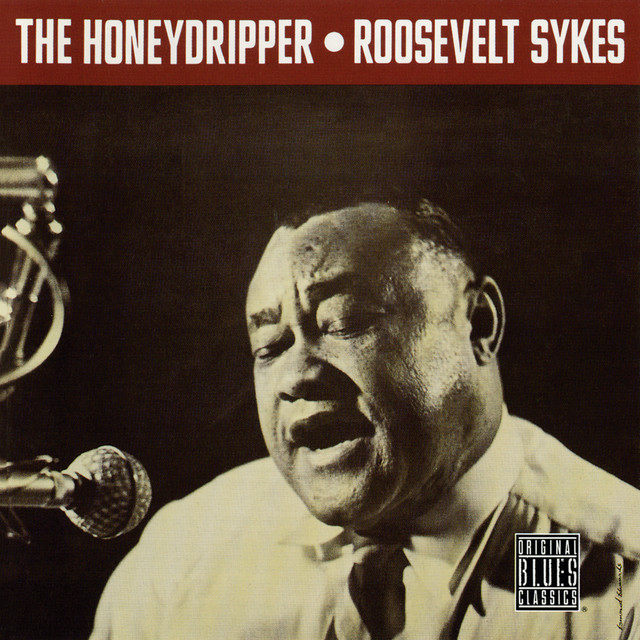
Roosevelt Sykes
Piano Blues
New Orleans Blues
Blues
1
/5
Various Artists
Afro-Funk
Alternative Rock
Ambient
2
/5
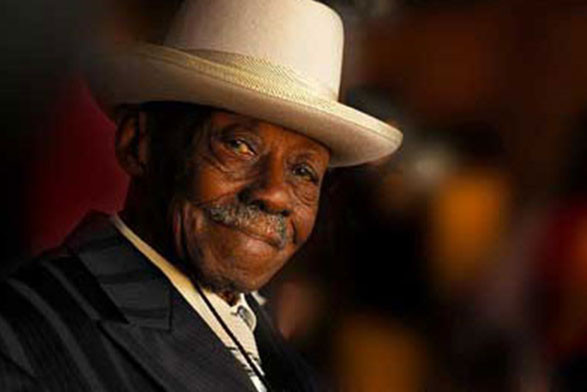
Pinetop Perkins
Boogie-Woogie
Blues
Classic Blues
2
/5
James Booker
New Orleans Blues
Piano Blues
Blues
2
/5
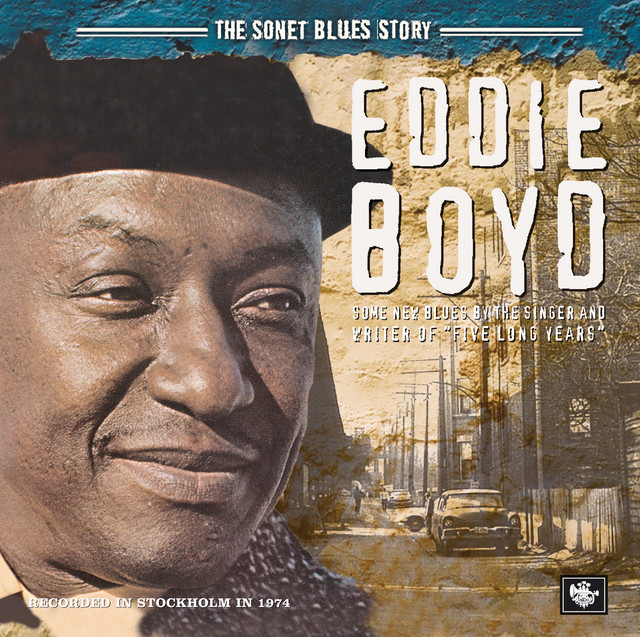
Eddie Boyd
Piano Blues
Blues
Boogie-Woogie
2
/5
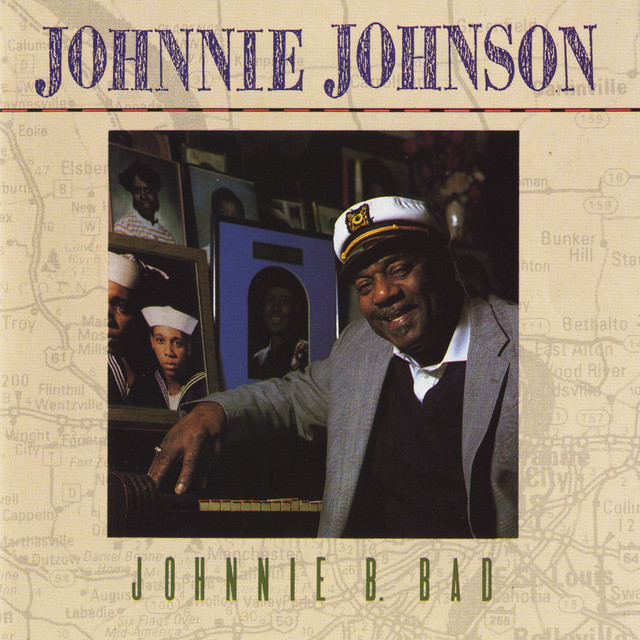
Johnnie Johnson
Blues
Boogie-Woogie
Classic Blues
3
/5
Champion Jack Dupree
New Orleans Blues
Blues
Boogie-Woogie
2
/5
Professor Longhair
Blues
Cajun
Boogie-Woogie
2
/5
Jimmy Witherspoon
Jump Blues
Blues
Classic Blues
Download our mobile app
Get the Melodigging app and start digging for new genres on the go
Download on the App Store
Get it on Google Play
© 2026 Melodigging
Give feedback
Legal
Melodding was created as a tribute to
Every Noise at Once
, which inspired us to help curious minds keep digging into music's ever-evolving genres.