Genres
Artists
Albums
Make Music
Sign in
Sign in
Artists
Liedermacher
Artists
Liedermacher
Max Raabe
2017–2024
·
3 albums
Listen
3
/5
Genres
Liedermacher
Liedermacher is a German-language singer‑songwriter tradition whose roots lie more in literature, theatre, and cabaret than in American blues or rock idioms. The term literally means “song‑maker,” and it emphasizes crafted lyrics, poetic imagery, and clear diction over instrumental virtuosity or band spectacle. Stylistically, Liedermacher favors intimate, text‑forward performances—often just voice with acoustic guitar or piano. Songs range from personal and reflective to satirical and explicitly political. The lineage connects to the German Lied, French and German cabaret/chanson, and the European protest‑song wave of the 1960s, adapted to contemporary social realities in the German‑speaking world.
Discover
Listen
Schlager
Schlager is a European popular music style characterized by catchy melodies, simple verse–chorus forms, and emotionally direct lyrics that foreground love, sentimentality, everyday life, and feel‑good escapism. It is typically sung in German, but also thrives in Swedish, Dutch, and other European languages, and favors bright, polished production, sing‑along choruses, and frequent key changes (notably a climactic final‑chorus modulation). Rhythmically steady, mid‑tempo 4/4 grooves support memorable hooks, while arrangements draw on orchestral colors (strings, brass), light pop rhythm sections, and, in later decades, disco, synth‑pop, and dance‑pop textures. Stylistically, Schlager sits between traditional pop and mainstream light entertainment, bridging pre‑rock European song traditions with modern pop presentation.
Discover
Listen
Comedy
Comedy (as a music genre) comprises songs and recorded pieces designed primarily to make listeners laugh through parody, satire, wordplay, character voices, and situational humor. It often borrows the musical language of whatever is popular at the time—pop, rock, hip hop, folk, musical theatre—then subverts expectations with humorous lyrics, exaggerated performance, and sonic gags. Rooted in vaudeville and music hall traditions, comedy music ranges from novelty songs and topical ditties to elaborate pastiches and narrative sketches. It values comedic timing as much as musical craft, using hooks, rhyme, and arrangement to set up and deliver punchlines while remaining musically engaging.
Discover
Listen
Cabaret
Cabaret is an intimate form of stage entertainment centered on songs, witty monologues, satire, and character pieces, typically presented in small rooms with table seating and a master of ceremonies. Performers address the audience directly, and the atmosphere is conversational, risqué, and often politically or socially pointed. Musically, cabaret blends the French chanson tradition with Weimar-era “Kabarett” and, later, American torch-song and jazz idioms. Arrangements are usually piano-led with small ensembles (accordion, violin, clarinet, upright bass, light percussion), supporting nuanced storytelling and dramatic delivery. Vocal approaches range from parlando (speech-like) delivery to a smoky croon. Common grooves include waltz and musette-inflected 3/4, tango and habanera patterns, foxtrot, and slow blues; harmonies are tonal with chromatic color and expressive rubato. Lyrics favor irony, double entendre, longing, and social commentary.
Discover
Listen
Orchestral
Orchestral music refers to compositions written for an orchestra—a large ensemble typically built around a string section (violins, violas, cellos, double basses), complemented by woodwinds, brass, percussion, and often harp, keyboard, or other auxiliary instruments. A conductor coordinates the ensemble, shaping balance, phrasing, and expression. The style emphasizes coloristic timbre combinations, dynamic range from the softest pianissimo to explosive tuttis, and textures that can shift seamlessly between transparent chamber-like writing and monumental masses of sound. Orchestral writing underpins concert genres such as symphonies, overtures, and tone poems, as well as opera, ballet, and modern film and game scores. While orchestral writing evolved across centuries, its core craft centers on melody, counterpoint, harmony, register, and orchestration—the art of assigning musical ideas to instruments to achieve clarity, contrast, and narrative impact.
Discover
Listen
Albums
2024
2
/5
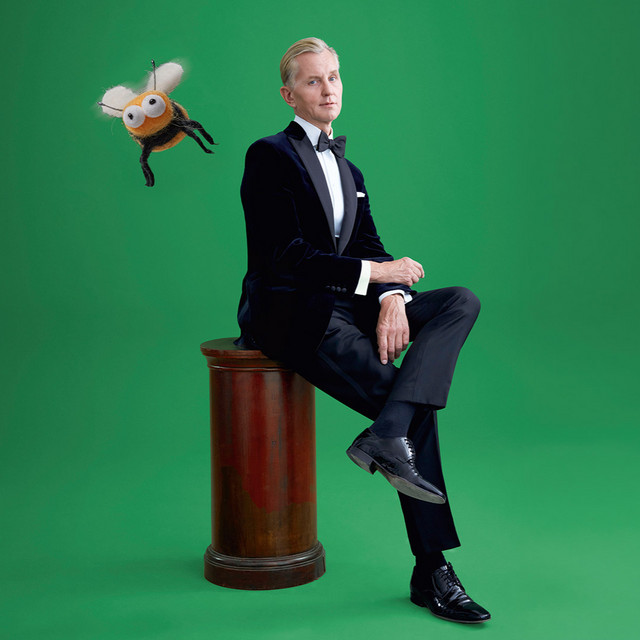
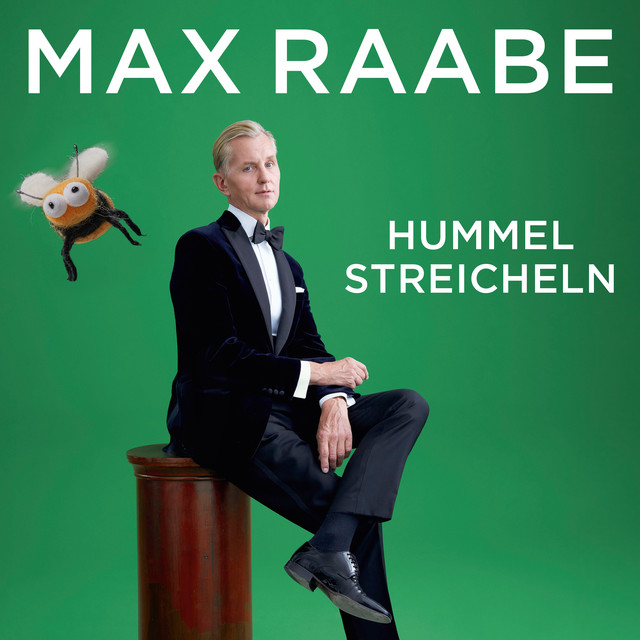
Hummel streicheln
Max Raabe
Liedermacher
2017
3
/5
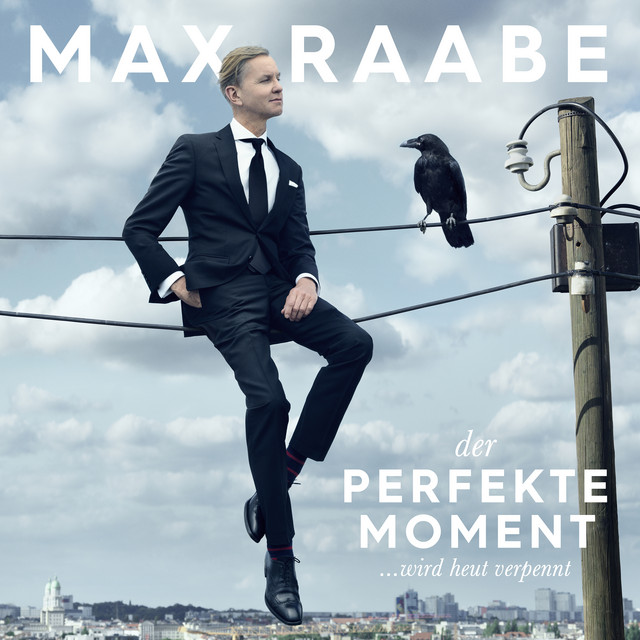
Der perfekte Moment… wird heut verpennt
Max Raabe
Liedermacher
Küssen kann man nicht alleine
Max Raabe
Schlager
Similar artists
1
/5
Various Artists
Afro-Funk
Alternative Rock
Ambient
4
/5
Herbert Grönemeyer
Liedermacher
Neue Deutsche Welle
Deutschrock
3
/5
Heinz Rudolf Kunze
Liedermacher
Covertronica
German Pop
3
/5
Reinhard Mey
Kabarett
Liedermacher
German Pop
3
/5
Wolfgang Ambros
Liedermacher
Pop
Rock
3
/5
Hildegard Knef
Schlager
Liedermacher
Neue Deutsche Welle
2
/5
Franz Josef Degenhardt
Liedermacher
Folk
Singer-Songwriter
3
/5
Achim Reichel
Krautrock
Neue Deutsche Welle
Rock
2
/5
Rio Reiser
German Pop
Neue Deutsche Welle
Schlager
2
/5
Rainald Grebe
Kabarett
Liedermacher
Singer-Songwriter
Download our mobile app
Get the Melodigging app and start digging for new genres on the go
Download on the App Store
Get it on Google Play
© 2026 Melodigging
Give feedback
Legal
Melodding was created as a tribute to
Every Noise at Once
, which inspired us to help curious minds keep digging into music's ever-evolving genres.