Genres
Artists
Albums
Make Music
Sign in
Sign in
Artists
Liedermacher
Artists
Liedermacher
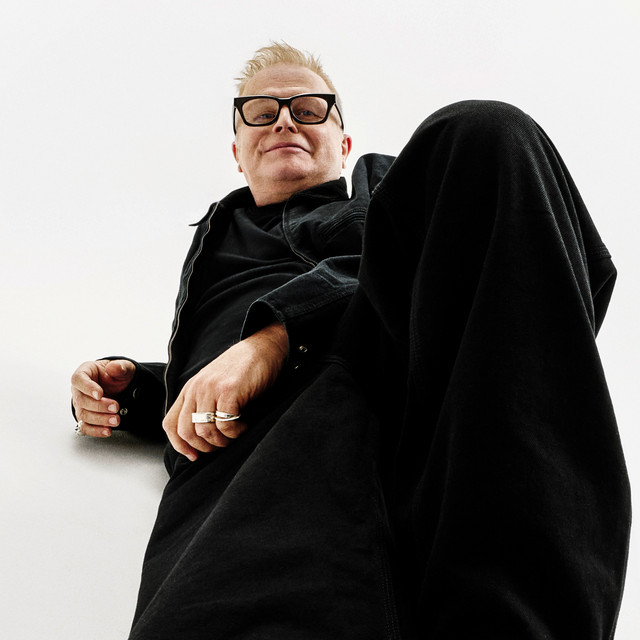
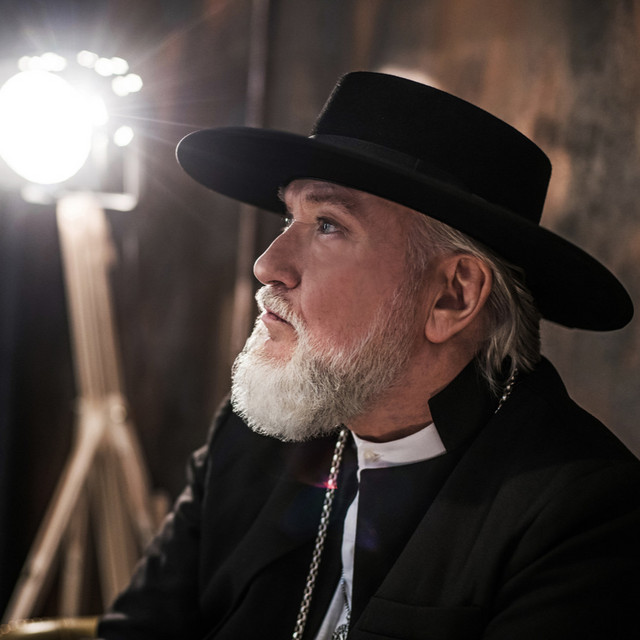
Heinz Rudolf Kunze
2002–2025
·
2 albums
Listen
3
/5
Genres
Covertronica
Covertronica is a microgenre centered on electronically produced cover versions of well‑known songs. Artists retain the recognizability of the original melodies and hooks, but reimagine them with contemporary electronic palettes—glossy synths, side‑chained pads, drum machines, 808s, and modern pop/EDM production. The style thrives on clever reharmonization (e.g., minor/major flips), tempo shifts, and textural redesign, often translating rock, soul, or classic pop into sleek electropop/indietronica frameworks. Vocals are typically polished and upfront, with stacked harmonies, tight autotune as a color (when desired), and arrangement tricks such as filtered intros, half‑time drops, and breakdowns that mirror club and synth‑pop dynamics. Because the repertoire comes from existing songs, covertronica is as much about curatorial taste and arrangement craft as it is about sound design, making it a meeting point between DJ culture’s recontextualization and the singer‑producer era of the internet.
Discover
Listen
Volkspop
Volkspop is a contemporary, radio-friendly pop style that blends Alpine and Central European folk music signifiers (dialect lyrics, traditional dance rhythms, and folk instrumentation) with modern pop/rock production. It commonly features sing-along choruses, clear verse–pre-chorus–chorus forms, and a bright, polished sound while retaining regional identity through language, melodic turns, and characteristic instruments such as accordion/steirische Harmonika, brass, and sometimes fiddle. The genre is especially associated with the German-speaking Alpine regions and is often positioned between “Volksmusik/Neue Volksmusik,” schlager, and mainstream pop.
Discover
Listen
Neue Deutsche Welle
Neue Deutsche Welle (NDW) is a German-language movement of the early 1980s that fused punk and post-punk attitude with new wave and synth-pop sonics. It typically features minimalist arrangements, deadpan or Sprechgesang vocal delivery, and witty, satirical, or absurdist lyrics delivered in German. Musically, NDW leans on simple drum-machine patterns, dry basslines, bright analog synth hooks, and clipped, chorus-treated guitars. The tone oscillates between playful and sardonic, with catchy pop sensibilities rubbing against an art-school, experimental edge. While rooted in underground clubs, the genre briefly crossed into European and global pop charts with enduring hits in the mid-1980s.
Discover
Listen
Liedermacher
Liedermacher is a German-language singer‑songwriter tradition whose roots lie more in literature, theatre, and cabaret than in American blues or rock idioms. The term literally means “song‑maker,” and it emphasizes crafted lyrics, poetic imagery, and clear diction over instrumental virtuosity or band spectacle. Stylistically, Liedermacher favors intimate, text‑forward performances—often just voice with acoustic guitar or piano. Songs range from personal and reflective to satirical and explicitly political. The lineage connects to the German Lied, French and German cabaret/chanson, and the European protest‑song wave of the 1960s, adapted to contemporary social realities in the German‑speaking world.
Discover
Listen
Pop Rock
Pop rock blends the hook-focused immediacy of pop with the instrumentation and drive of rock. It prioritizes catchy melodies, concise song structures, and polished production while retaining guitars, bass, and drums as core elements. Typical pop rock tracks use verse–pre-chorus–chorus forms, strong vocal harmonies, and memorable riffs. The sound ranges from jangly and bright to mildly overdriven and arena-ready, aiming for radio-friendly appeal without abandoning rock’s rhythmic punch.
Discover
Listen
Pop
Pop is a broad, hook-driven style of popular music designed for wide appeal. It emphasizes memorable melodies, concise song structures, polished vocals, and production intended for radio, charts, and mass media. While pop continually absorbs elements from other styles, its core remains singable choruses, accessible harmonies, and rhythmic clarity. Typical forms include verse–pre-chorus–chorus, frequent use of bridges and middle-eights, and ear-catching intros and outros. Pop is not defined by a single instrumentation. It flexibly incorporates acoustic and electric instruments, drum machines, synthesizers, and increasingly digital production techniques, always in service of the song and the hook.
Discover
Listen
Rock
Rock is a broad family of popular music centered on amplified instruments, a strong backbeat, and song forms that foreground riffs, choruses, and anthemic hooks. Emerging from mid‑20th‑century American styles like rhythm & blues, country, and gospel-inflected rock and roll, rock quickly expanded in scope—absorbing folk, blues, and psychedelic ideas—while shaping global youth culture. Core sonic markers include electric guitar (often overdriven), electric bass, drum kit emphasizing beats 2 and 4, and emotive lead vocals. Rock songs commonly use verse–chorus structures, blues-derived harmony, and memorable melodic motifs, ranging from intimate ballads to high‑energy, stadium‑sized performances.
Discover
Listen
German Pop
German pop (Deutschpop) is mainstream popular music produced in Germany and/or performed in the German language, blending international pop conventions with local melodic sensibilities and lyrical themes. It emphasizes memorable hooks, clean and modern production, and relatable storytelling about love, everyday life, and personal identity. While its roots intersect with Schlager and beat music, contemporary German pop also borrows from new wave/synth-pop, rock, and, more recently, hip-hop and electronic dance music. The style ranges from acoustic singer‑songwriter ballads to glossy, radio‑ready anthems and danceable tracks, unified by strong choruses, clear diction, and accessible, emotive lyrics.
Discover
Listen
Schlager
Schlager is a European popular music style characterized by catchy melodies, simple verse–chorus forms, and emotionally direct lyrics that foreground love, sentimentality, everyday life, and feel‑good escapism. It is typically sung in German, but also thrives in Swedish, Dutch, and other European languages, and favors bright, polished production, sing‑along choruses, and frequent key changes (notably a climactic final‑chorus modulation). Rhythmically steady, mid‑tempo 4/4 grooves support memorable hooks, while arrangements draw on orchestral colors (strings, brass), light pop rhythm sections, and, in later decades, disco, synth‑pop, and dance‑pop textures. Stylistically, Schlager sits between traditional pop and mainstream light entertainment, bridging pre‑rock European song traditions with modern pop presentation.
Discover
Listen
Show all 9 genres
Albums
2025
3
/5
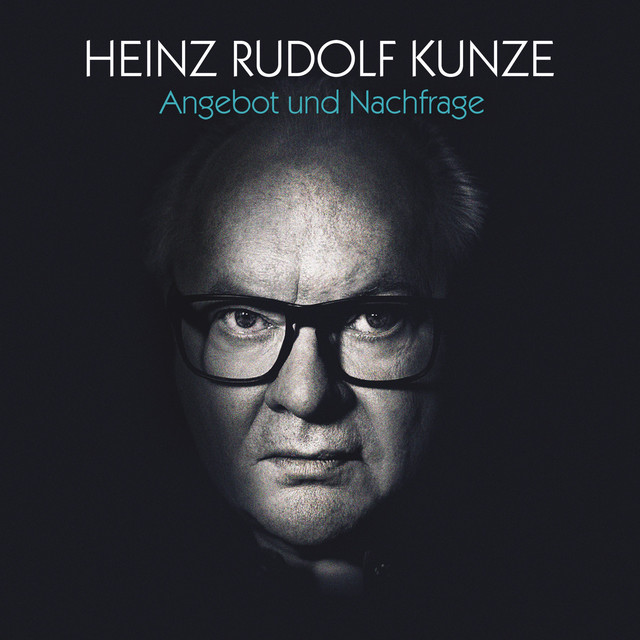
Angebot und Nachfrage
Heinz Rudolf Kunze
Liedermacher
Pop
2002
2
/5
Portrait
Heinz Rudolf Kunze
Liedermacher
Pop
Pop Rock
Similar artists
3
/5
Wolfgang Ambros
Liedermacher
Pop
Rock
4
/5
Herbert Grönemeyer
Liedermacher
Neue Deutsche Welle
Deutschrock
3
/5
Reinhard Mey
Kabarett
Liedermacher
German Pop
3
/5
Udo Lindenberg
Deutschrock
Classic Rock
German Pop
3
/5
Achim Reichel
Krautrock
Neue Deutsche Welle
Rock
3
/5
Karat
Deutschrock
Electronic
German Pop
4
/5
Nena
Neue Deutsche Welle
German Pop
Schlager
4
/5
Wolfgang Petry
Neue Deutsche Welle
Schlager
Pop
3
/5
Westernhagen
German Pop
Neue Deutsche Welle
Schlager
3
/5
Joachim Witt
Neue Deutsche Welle
Modern Downshift
Neue Deutsche Härte
Download our mobile app
Get the Melodigging app and start digging for new genres on the go
Download on the App Store
Get it on Google Play
© 2026 Melodigging
Give feedback
Legal
Melodding was created as a tribute to
Every Noise at Once
, which inspired us to help curious minds keep digging into music's ever-evolving genres.