Genres
Artists
Albums
Make Music
Sign in
Sign in
Artists
Disco Polo
Artists
Disco Polo
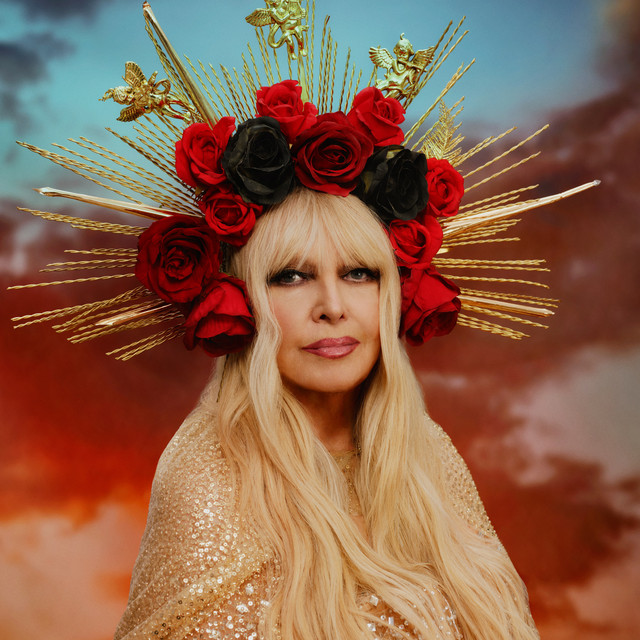
Maryla Rodowicz
2 albums
Listen
3
/5
Genres
Disco Polo
Disco polo is a Polish strand of catchy, synth-driven dance-pop that blends Euro-disco and Italo-disco aesthetics with local folk-party sensibilities. It is characterized by simple, memorable melodies, a steady four-on-the-floor beat, and uncomplicated major-key harmonies. Lyrically, disco polo centers on love, flirtation, nostalgia, and celebration, aiming for maximum sing-along appeal at weddings, festivals, and club nights. Production typically features bright leads, punchy drum-machine patterns, and smooth bass lines, often delivered with a sense of kitsch and cheerful exuberance.
Discover
Listen
Folk Rock
Folk rock is a fusion genre that blends the narrative lyricism, modal melodies, and acoustic timbres of traditional folk with the backbeat, amplification, and song structures of rock. It typically pairs acoustic or traditional instruments (acoustic guitar, mandolin, fiddle) with a rock rhythm section (electric guitar, bass, drums), often featuring chiming 12‑string guitar textures, close vocal harmonies, and socially conscious or storytelling lyrics. The result ranges from intimate, reflective ballads with a steady backbeat to more anthemic, roots‑driven rock. Emerging in the mid‑1960s through artists such as Bob Dylan and The Byrds, folk rock became a gateway for traditional and roots materials to enter mainstream popular music, and it seeded later movements from country rock and Americana to jangle pop and modern indie folk.
Discover
Listen
Pop Rock
Pop rock blends the hook-focused immediacy of pop with the instrumentation and drive of rock. It prioritizes catchy melodies, concise song structures, and polished production while retaining guitars, bass, and drums as core elements. Typical pop rock tracks use verse–pre-chorus–chorus forms, strong vocal harmonies, and memorable riffs. The sound ranges from jangly and bright to mildly overdriven and arena-ready, aiming for radio-friendly appeal without abandoning rock’s rhythmic punch.
Discover
Listen
Pop
Pop is a broad, hook-driven style of popular music designed for wide appeal. It emphasizes memorable melodies, concise song structures, polished vocals, and production intended for radio, charts, and mass media. While pop continually absorbs elements from other styles, its core remains singable choruses, accessible harmonies, and rhythmic clarity. Typical forms include verse–pre-chorus–chorus, frequent use of bridges and middle-eights, and ear-catching intros and outros. Pop is not defined by a single instrumentation. It flexibly incorporates acoustic and electric instruments, drum machines, synthesizers, and increasingly digital production techniques, always in service of the song and the hook.
Discover
Listen
Rock
Rock is a broad family of popular music centered on amplified instruments, a strong backbeat, and song forms that foreground riffs, choruses, and anthemic hooks. Emerging from mid‑20th‑century American styles like rhythm & blues, country, and gospel-inflected rock and roll, rock quickly expanded in scope—absorbing folk, blues, and psychedelic ideas—while shaping global youth culture. Core sonic markers include electric guitar (often overdriven), electric bass, drum kit emphasizing beats 2 and 4, and emotive lead vocals. Rock songs commonly use verse–chorus structures, blues-derived harmony, and memorable melodic motifs, ranging from intimate ballads to high‑energy, stadium‑sized performances.
Discover
Listen
Country
Country is a roots-based popular music from the rural American South that blends Anglo-Celtic ballad traditions with African American blues, gospel, and string-band dance music. It is characterized by narrative songwriting, plainspoken vocals with regional twang, and a palette of acoustic and electric instruments such as acoustic guitar, fiddle, banjo, pedal steel, and telecaster guitar. Rhythmically it favors two-step feels, train beats, shuffles, and waltzes, while harmony is largely diatonic (I–IV–V) with occasional country chromaticism and secondary dominants. Across a century, country has evolved through substyles like honky-tonk, the Nashville and Bakersfield sounds, outlaw country, neotraditionalist revivals, pop-country, and country-rap hybrids, but it consistently prioritizes storytelling about everyday life, love, work, faith, place, and identity.
Discover
Listen
Goral Music
Goral music is the traditional folk music of the Polish highlanders (Górale) from the Podhale region in the Tatra Mountains, with close kinship to highland traditions across northern Slovakia and parts of southern Poland. It is typically performed by a góralska kapela (highlander string band) centered on an intensely ornamented lead fiddle (prym), a rhythm fiddle (sekund) playing strong double-stops and open fifths, and a bass (basy) providing a droning I–V foundation. The sound is raw, penetrating, and highly rhythmic, often accompanied by shepherd’s flutes (fujarka), regional bagpipes (koza), and the long wooden alpine horn (trombita). Melodically, Goral tunes use modal collections characteristic of Podhale, frequently mixing major with a raised fourth (Lydian color) and a lowered seventh (Mixolydian color), and rely on heterophonic textures in which multiple instruments ornament the same tune differently. The repertoire includes vigorous dance forms (krzesany, obyrtka, zbójnicki) and expressive solo songs (zaśpiew) on themes of mountains, love, shepherd life, and brigand lore.
Discover
Listen
Polish Goral Music
Polish Goral music (Muzyka góralska) is the traditional music of the Górale (Highlanders) from the Podhale and adjacent Carpathian regions of southern Poland. It is characterized by a lead violin (prym) supported by one or two accompanying violins (sekund) and a three‑string bass (basy), producing a muscular, droning sound built on open fifths and driving rhythms. The idiom revolves around dance-suites (góralski) and tune types such as ozwodna (free, rubato opening), zwyrtana (a fast, spinning dance), krzesany (heavily accented, “chopping” rhythm), and drobny. Melodies are modal—often mixolydian or lydian‑inflected—with a distinctive raised fourth and lowered seventh that create the recognizable “Podhalean” color. Ornamented, improvised violin lines sit over pedal drones, while singers employ an open-throated, high-carrying “white voice.” Beyond the core string band, timbres of local shepherd instruments—Podhale bagpipes (dudy), wooden flutes (piszczałki, fujarki, dwojnice), and the long wooden trumpet (trombita)—enrich the palette. The repertoire ranges from exuberant dance tunes and wedding music to pastoral and outlaw ballads, expressing highlander pride, mountainous landscapes, and communal celebration.
Discover
Listen
Show all 8 genres
Albums
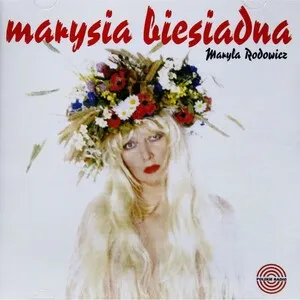
Marysia biesiadna
Maryla Rodowicz
Goral Music
Marysia biesiadna
Maryla Rodowicz
Polish Goral Music
Similar artists
3
/5
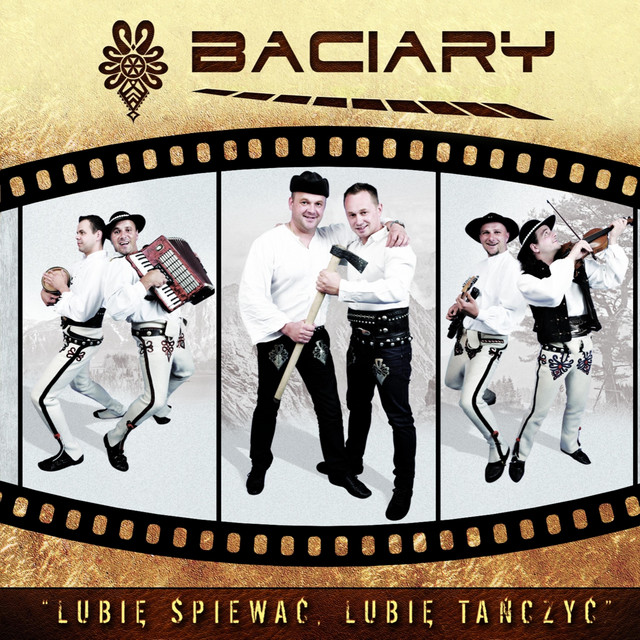
Baciary
Disco
Disco Polo
Vixa
2
/5
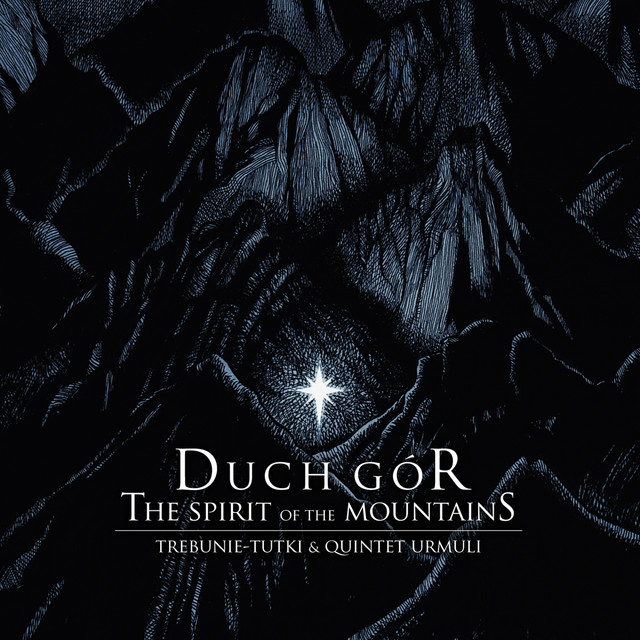
Trebunie-Tutki
Polish Goral Music
Goral Music
Caucasian Folk Music
2
/5
Vołosi
Goral Music
Polish Goral Music
Folk
2
/5
Orkiestra Św. Mikołaja
Polish Goral Music
Folk
Goral Music
2
/5
Sebastian Karpiel-Bułecka
Goral Music
Polish Goral Music
2
/5
Kapela Harnasie
Folk
Goral Music
Polish Goral Music
2
/5
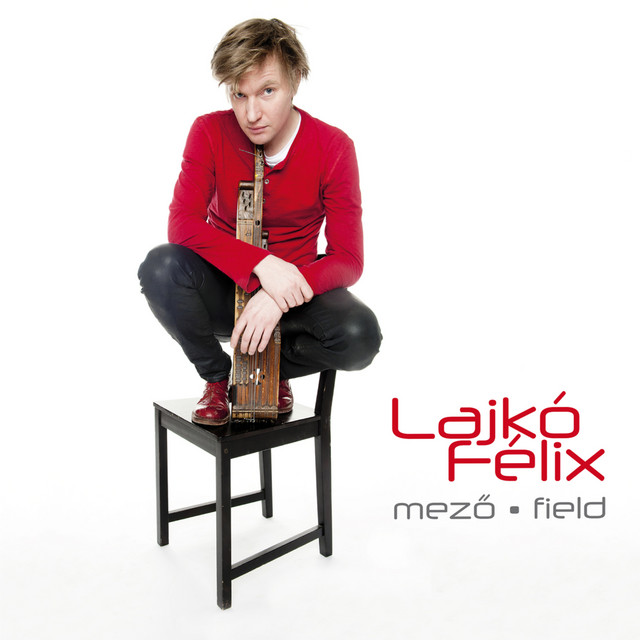
Lajkó Félix
Goral Music
Hungarian Folk Music
Polish Goral Music
1
/5
Quintet Urmuli
Caucasian Folk Music
Caucasian Music
Folk
1
/5
Baciary z Baciarami
Folk
Goral Music
Polish Goral Music
1
/5
Jan Karpiel Bułecka
Folk
Traditional Music
Goral Music
Download our mobile app
Get the Melodigging app and start digging for new genres on the go
Download on the App Store
Get it on Google Play
© 2026 Melodigging
Give feedback
Legal
Melodding was created as a tribute to
Every Noise at Once
, which inspired us to help curious minds keep digging into music's ever-evolving genres.