Genres
Artists
Albums
Make Music
Sign in
Sign in
Artists
Kundiman
Artists
Kundiman
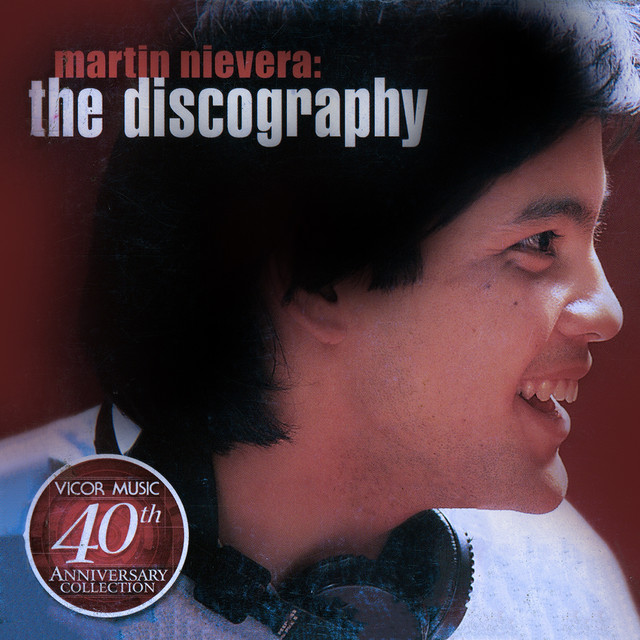
Martin Nievera
2002
·
1 album
Listen
3
/5
Genres
Opm
OPM (Original Pilipino Music) is the umbrella term for Filipino popular music, encompassing mainstream pop, soft rock, ballads, and band music primarily sung in Filipino languages (especially Tagalog) as well as English. The tag crystallized in the 1970s alongside the Manila Sound movement and the formation of a modern local recording industry that foregrounded Filipino songwriting and artists. Stylistically, OPM blends Western pop/rock and soul with indigenous and Hispanic-influenced Filipino song traditions such as kundiman and harana. Melodies tend to be singable and emotive, harmony is diatonic with occasional modulations, and lyrics often revolve around love, nostalgia, family, and national identity. Across decades, OPM has continually evolved—from disco-tinged 70s pop and 80s power ballads to 90s alternative band culture and today’s polished pop and R&B—while remaining distinctively Filipino in sensibility and storytelling.
Discover
Listen
P-Pop
P-pop (Pinoy pop) is the umbrella term for Filipino popular music, spanning slick idol groups, powerhouse solo vocalists, dance-pop, ballads, and hybrid pop-rap/R&B crossovers. While its roots lie in the 1970s OPM (Original Pilipino Music) era—fusing Western pop/rock with Filipino sensibilities—the contemporary P-pop wave integrates K-pop/J-pop-style training, choreography, and group branding with Tagalog or Taglish (Tagalog–English) lyrics and distinctly Filipino storytelling. Sonically, P-pop favors hook-forward choruses, glossy synths, tight vocal stacks, and danceable rhythms, but it also preserves the OPM tradition of emotive belting and big ballad codas. The result is a high-energy, proudly local pop sound built for both live performance and global streaming.
Discover
Listen
Papuri
Papuri is a Filipino form of contemporary Christian praise-and-worship music, distinguished by the use of Tagalog (and other Philippine languages) in congregational songs and pop-leaning devotional pieces. The word “papuri” literally means “praise,” and the genre centers on direct, scripture-inflected address to God, memorable singable melodies, and simple, emotive harmonies that fit church services, crusades, and broadcast ministry. Stylistically it spans gentle ballads led by piano or acoustic guitar to full pop-rock bands with drums, bass, keyboards, and vocal harmonies. Distribution historically relied on radio, cassettes, and songbooks, later moving to CDs, live worship recordings, and digital platforms, helping standardize a shared Filipino worship repertoire across evangelical, Pentecostal, and, in parallel, Catholic inspirational contexts.
Discover
Listen
Adult Contemporary
Adult contemporary (AC) is a radio-driven pop style characterized by smooth vocals, polished production, and lyric themes that speak to adult listeners—love, family, reflection, and everyday life. Musically, it emphasizes mid‑tempo grooves and ballads, clear melodies, and accessible harmonies, often arranged for piano, acoustic or clean electric guitars, light drums, bass, and tasteful string or synth pads. The sound favors warmth and clarity over aggression, with a strong focus on memorable choruses and emotive vocal performances. As a format and a repertoire, adult contemporary bridges soft rock, pop balladry, and easy listening, adapting with each decade while maintaining radio-friendly songwriting and production values.
Discover
Listen
Soft Rock
Soft rock is a mellow, melody-forward strain of rock and pop that favors smooth vocals, polished production, and restrained dynamics over distortion and aggression. Built on acoustic and clean electric guitars, piano or electric piano (Rhodes), light rhythm sections, and lush backing vocals or strings, the style centers on memorable hooks and sentimental themes. Its lyrics often explore love, heartbreak, nostalgia, and introspection, delivered with warmth and clarity. Tempos are moderate, grooves are unobtrusive, and harmonies are diatonic with tasteful color (maj7, add9) and occasional key changes. Commercially, soft rock flourished on AM radio and adult contemporary playlists in the 1970s and early 1980s, shaping the sound of radio-friendly ballads and influencing later styles like yacht rock and modern adult contemporary.
Discover
Listen
Pop
Pop is a broad, hook-driven style of popular music designed for wide appeal. It emphasizes memorable melodies, concise song structures, polished vocals, and production intended for radio, charts, and mass media. While pop continually absorbs elements from other styles, its core remains singable choruses, accessible harmonies, and rhythmic clarity. Typical forms include verse–pre-chorus–chorus, frequent use of bridges and middle-eights, and ear-catching intros and outros. Pop is not defined by a single instrumentation. It flexibly incorporates acoustic and electric instruments, drum machines, synthesizers, and increasingly digital production techniques, always in service of the song and the hook.
Discover
Listen
Kundiman
Kundiman is a Filipino art-song tradition centered on love and devotion, typically sung in Tagalog with refined, lyrical melodies. It is most often set in a slow triple meter (commonly 3/4), employing expressive rubato and ornamentation. Harmonically, kundiman pieces characteristically begin in a minor key and resolve to the parallel major in the refrain, mirroring a poetic journey from yearning to hope. While rooted in indigenous Filipino song and serenade practice, the genre absorbed European art-song and Romantic-era harmonic language during Spanish and early American colonial periods. Beyond romantic themes, kundiman historically served as an allegory for patriotic love of the motherland, especially during the late 19th-century Philippine Revolution. Today it is performed by classical singers and traditional vocalists alike, remaining a cornerstone of Filipino musical identity.
Discover
Listen
Ballad
A ballad is a narrative song form that tells a story in simple, singable stanzas, traditionally using quatrains in ballad meter (alternating lines of iambic tetrameter and trimeter with an ABCB rhyme scheme). Ballads typically recount dramatic events—love, betrayal, tragedy, murder, the supernatural—or notable historical incidents. Early ballads were often sung unaccompanied or with minimal accompaniment, carried by memorable, modal melodies and refrains that aided oral transmission. Over time, the term also came to describe slow, sentimental popular songs in the 20th century, but the core of the genre remains the storytelling focus and strophic, easily learned structure. Ballads are central to the English- and Scots-language folk traditions, migrated to North America where they flourished in Appalachian singing, and continue to be performed, adapted, and reinterpreted in contemporary folk and roots scenes.
Discover
Listen
Show all 8 genres
Albums
2002
Martin Nievera the Discography
Martin Nievera
Papuri
Similar artists
4
/5
Moira Dela Torre
Harana
Kundiman
Opm
4
/5
Regine Velasquez
P-Pop
Pop
Opm
3
/5
Daniel Padilla
Harana
Kundiman
Opm
3
/5
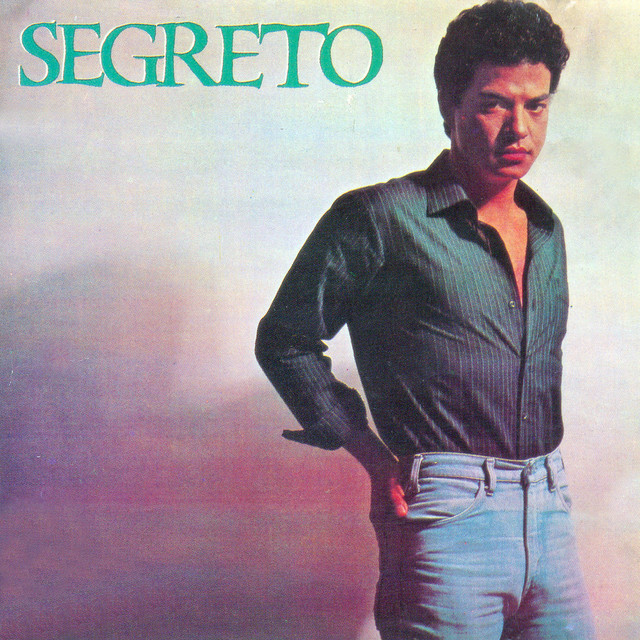
Ric Segreto
Opm
Kundiman
P-Pop
3
/5
Basil Valdez
Opm
Pop
Harana
3
/5
Aegis
Kundiman
Opm
P-Pop
3
/5
Sharon Cuneta
Opm
Pop
Manila Sound
3
/5
Rodel Naval
Kundiman
Opm
P-Pop
3
/5
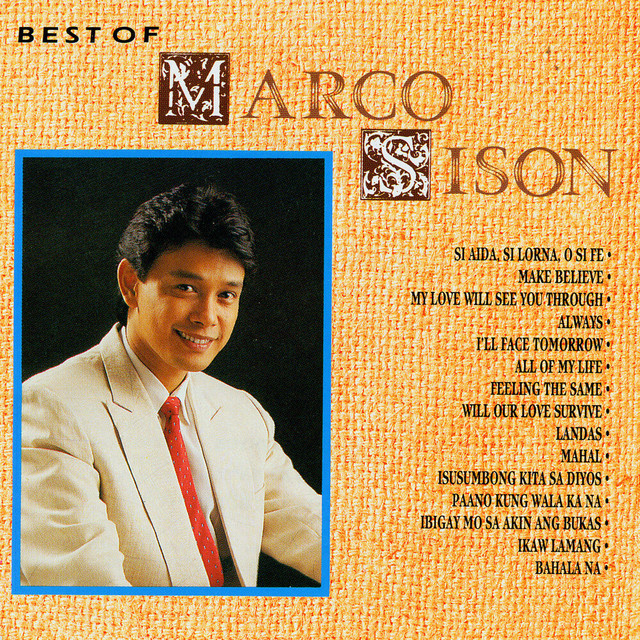
Marco Sison
Kundiman
Opm
P-Pop
2
/5
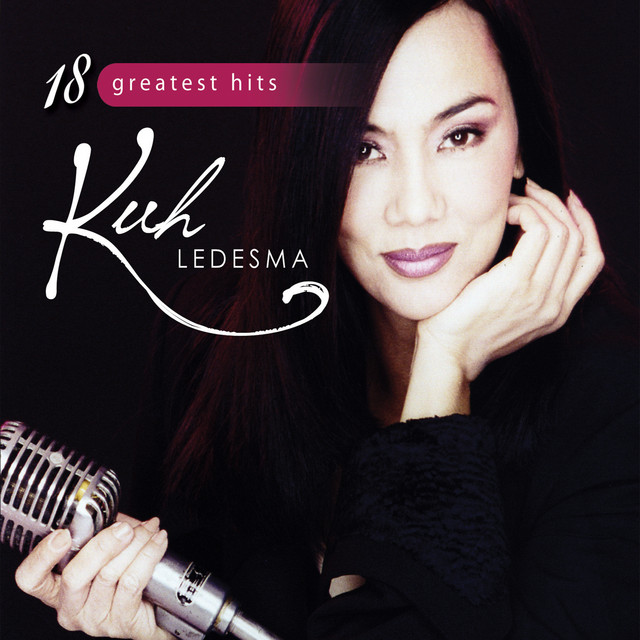
Kuh Ledesma
Opm
P-Pop
Kundiman
Download our mobile app
Get the Melodigging app and start digging for new genres on the go
Download on the App Store
Get it on Google Play
© 2026 Melodigging
Give feedback
Legal
Melodding was created as a tribute to
Every Noise at Once
, which inspired us to help curious minds keep digging into music's ever-evolving genres.