Genres
Artists
Albums
Make Music
Sign in
Sign in
Artists
Kurdish Remix
Artists
Kurdish Remix
Mansur
Listen
4
/5
Genres
Kurdish Remix
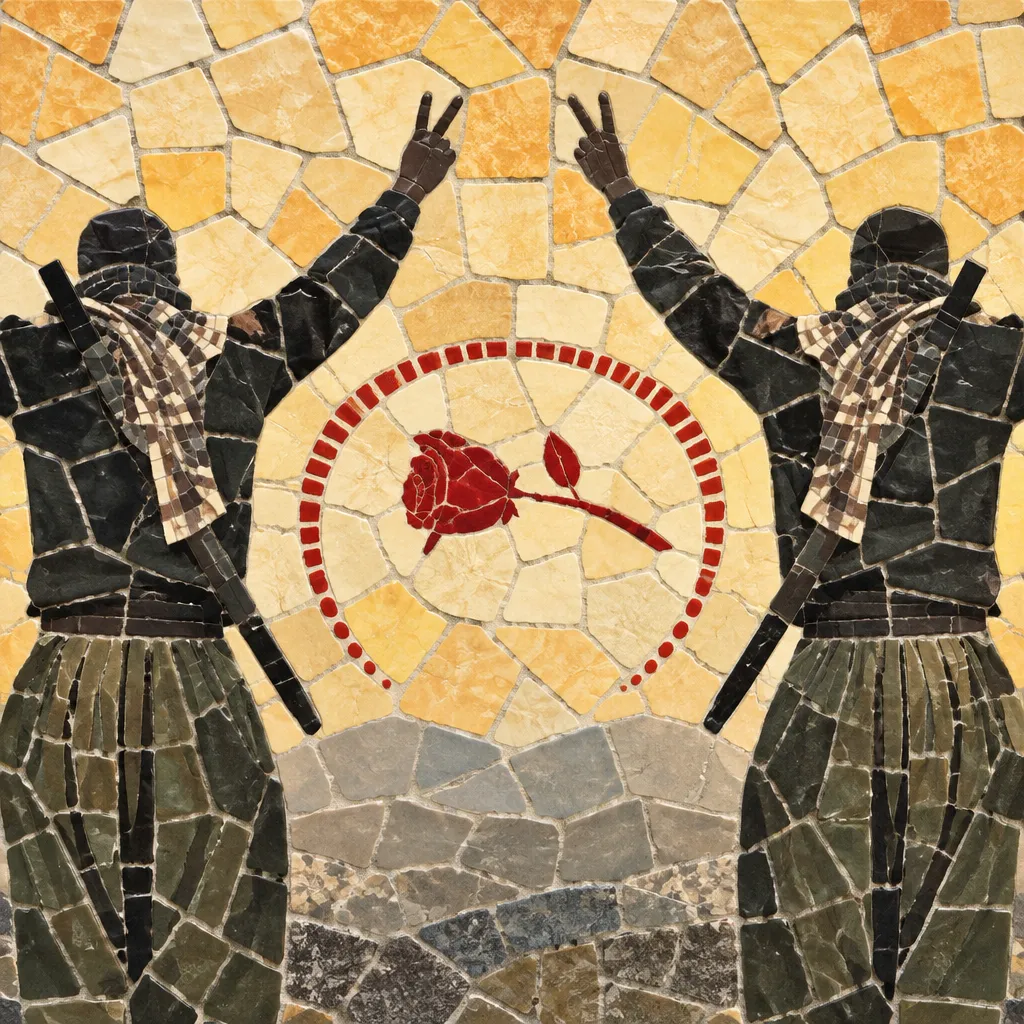
Kurdish remix refers to dance‑oriented reworks that fuse Kurdish folk melodies, dance rhythms (often from halay/dîlan traditions), and timbres (saz/tembûr, daf, davul, zurna) with contemporary electronic production—house, techno, trap and related club idioms. The result is a high‑energy, bass‑forward sound that keeps the cyclic, modal character of Kurdish tunes while translating them for clubs, weddings, and social media. The style grew online via SoundCloud/YouTube playlists labelled “Kurdish Trap/Remix” and later entered mainstream DSPs, where dedicated artists and DJ accounts issue steady singles and “modern covers.” Typical tracks loop folkloric vocal lines or saz riffs over 4/4 kicks or half‑time 808s, add build‑ups/drops, and keep a communal, call‑and‑response feel suited to line dances. Instruments such as the tembûr (tanbūr) and frame‑drum daf remain touchstones—even when emulated with synths—while halay’s accelerating, pulse‑driven phrasing informs the groove. The genre sits within a wider West Asian club current that includes dabke‑techno and Turkish/Arab electronic hybrids.
Discover
Listen
The Wave
The Wave is a loosely defined cluster of American post-hardcore/emo bands that surged in the early 2010s as emo-pop’s mainstream moment faded. The name was a tongue‑in‑cheek scene tag that stuck in press coverage, but it points to a real overlap in sound, ethos, and touring networks. Musically, The Wave fuses the urgency of 1990s post‑hardcore and screamo with confessional, literate lyric writing associated with emo. Expect shouted or half‑sung/half‑spoken vocals, dynamic quiet‑loud builds, intricate but driving drums, and guitar textures that shift between glassy clean arpeggios and overdriven, emotive climaxes. The songs often emphasize catharsis, narrative detail, and community-minded DIY presentation.
Discover
Listen
Drill
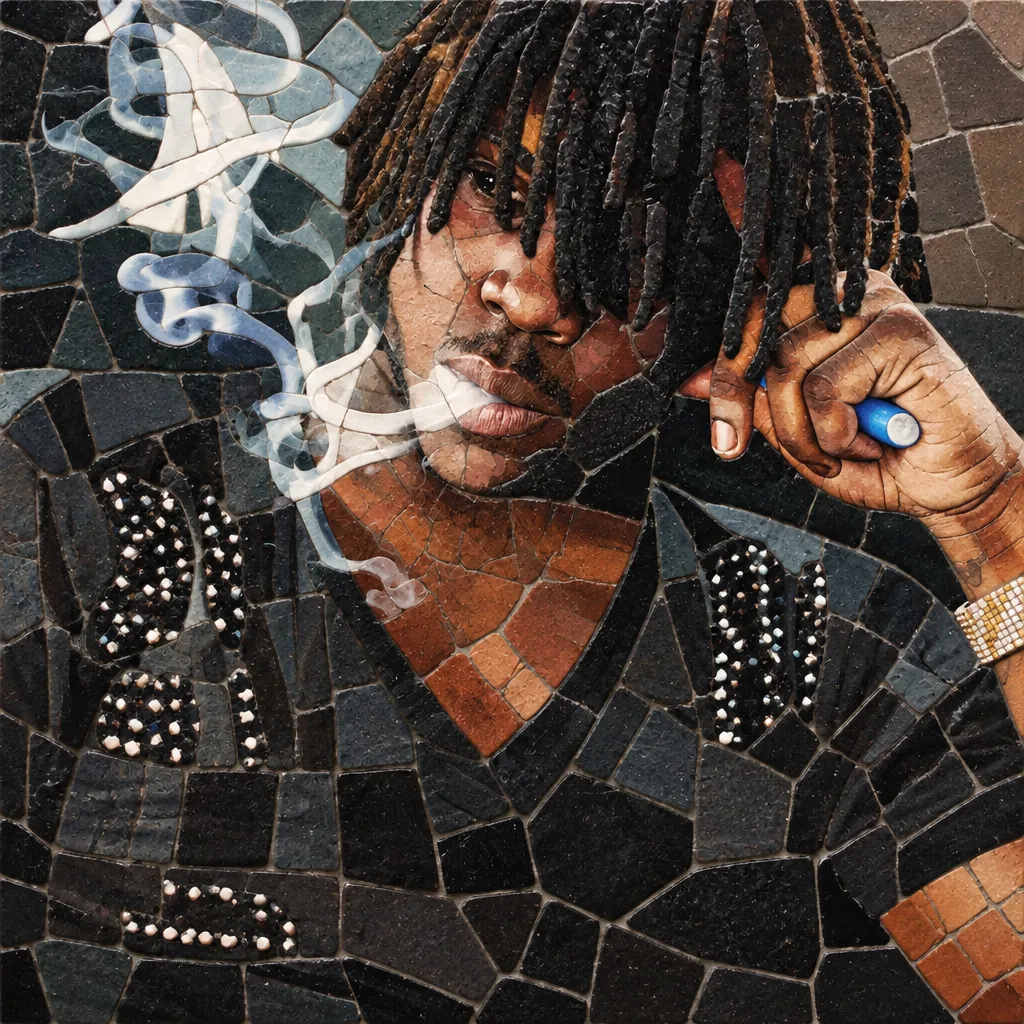
Drill is a subgenre of hip hop that emerged on Chicago’s South Side in the early 2010s. It is defined by stark, menacing production; booming 808 sub‑bass with frequent pitch slides; skittering hi‑hats; and sparse, minor‑key melodies built from pianos, synth pads, strings, bells, or eerie soundscapes. Vocals are typically deadpan or urgent, with ad‑libs punctuating lines. Lyrically, drill foregrounds raw street reportage—survival, trauma, crews, and contested territory—often delivered with bleak realism. Tempos in original Chicago drill tend to sit around 60–75 BPM (often felt in double‑time), while later UK and New York scenes adopt 130–145 BPM grids with off‑kilter snare placement and distinctive sliding 808 patterns. The overall aesthetic prioritizes weighty low end, rhythmic tension, and an uncompromising mood.
Discover
Listen
Huzunlu Sarkilar
Hüzünlü şarkılar (literally “melancholy/sorrowful songs”) is a contemporary Turkish micro‑scene and streaming tag that gathers slow to mid‑tempo, emotive songs spanning indie, alternative rock, pop ballads, and modern echoes of arabesk. The style is unified less by strict form than by feeling: minor or modal harmony (often with Turkish makam color), intimate vocals, and lyrics steeped in longing (gurbet), heartbreak, and the culturally resonant idea of hüzün. Arrangements typically blend acoustic guitars, piano, soft synth pads, string lines, and occasionally bağlama, with restrained percussion and reverberant spaces. The result is a wistful, atmospheric sound that sits between classic Turkish balladry and modern indie aesthetics.
Discover
Listen
Turkish Hip Hop
Turkish hip hop is a rap tradition that emerged from the Turkish diaspora—especially in Germany—before taking root in Turkey itself. It blends the core aesthetics of hip hop (MCing, DJing/production, sampling) with Turkish-language delivery, code‑switching (often Turkish–German), and heavy use of regional melodic material. Sonically, the genre spans classic boom‑bap and G‑funk to contemporary trap. Producers frequently sample or reference Anatolian rock and arabesk, incorporate bağlama (saz), darbuka-style percussion, and modal colors related to makam (e.g., Hicaz, Hüseyni). Lyrically, it addresses migration, identity, social inequality, street culture, politics, and generational change—ranging from gritty reportage to introspective storytelling and protest. From pioneers like Cartel, Killa Hakan, Fuat, Ceza, and Sagopa Kajmer to a trap-informed wave led by Ezhel, Şehinşah, Uzi, Murda, and Ben Fero, Turkish hip hop has grown into one of the most visible and debated popular forms in contemporary Turkish-language music.
Discover
Listen
Similar artists
4
/5
Organize
Turkish Hip Hop
Drill
Kurdish Remix
4
/5
Batuflex
Kurdish Remix
The Wave
Turkish Hip Hop
4
/5
ERAY067
Kurdish Remix
The Wave
Turkish Hip Hop
3
/5
Chiko
Kurdish Remix
The Wave
Turkish Hip Hop
4
/5
UZI
Drill
Turkish Hip Hop
Afro Drill
4
/5
Keskin
Turkish Hip Hop
Drill
The Wave
5
/5
BLOK3
Turkish Hip Hop
Turkish Pop
The Wave
4
/5
Ezhel
Turkish Hip Hop
Turkish Pop
The Wave
4
/5
Semicenk
Arabesk
Turkish Pop
Turkish Hip Hop
4
/5
Eypio
Kurdish Remix
Turkish Hip Hop
Turkish Pop
Download our mobile app
Get the Melodigging app and start digging for new genres on the go
Download on the App Store
Get it on Google Play
© 2026 Melodigging
Give feedback
Legal
Melodding was created as a tribute to
Every Noise at Once
, which inspired us to help curious minds keep digging into music's ever-evolving genres.