Genres
Artists
Albums
Make Music
Sign in
Sign in
Artists
Afropop
Artists
Afropop
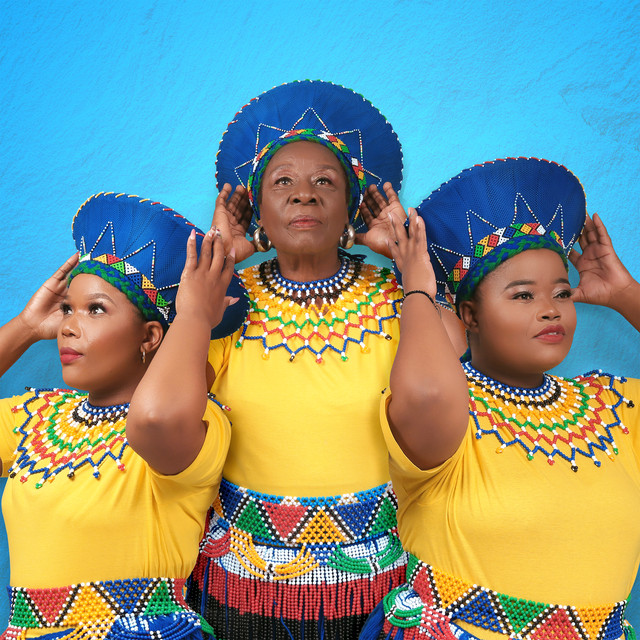
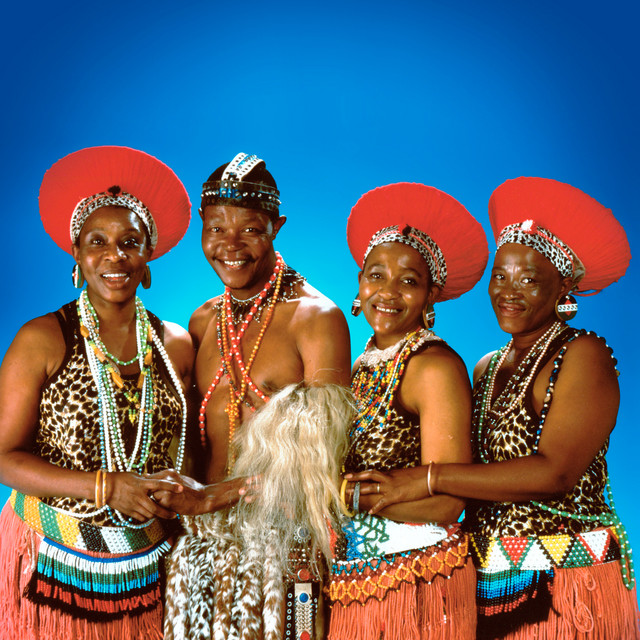
Mahotella Queens
1977–2019
·
2 albums
Listen
2
/5
Genres
Gqom
Gqom is a minimalist, hard-edged club music from Durban, South Africa, built around pounding kicks, syncopated toms, and sparse, looped vocal chants. It favors tension and release over melodic development, using stark, percussive motifs and dramatic breakdowns to create a hypnotic, physically compelling groove. Typically sitting around 120–130 BPM, gqom departs from straight four-on-the-floor house patterns, embracing broken-beat structures, off-grid fills, and sudden dropouts. The sound palette leans dark and industrial—heavy sub-bass, metallic hits, claps, whistles, crowd shouts, and found sounds—while harmony is minimal or absent, keeping the focus on rhythm and texture.
Discover
Listen
Afropop
Afropop is a modern, pan‑African pop style that blends West and Central African rhythmic traditions with global pop, R&B, hip hop, dancehall, and electronic production. It favors catchy toplines, call‑and‑response hooks, bright guitar licks inspired by highlife and soukous, and mid‑tempo grooves designed for dancing. Songs are often multilingual, moving fluidly between English or French and local languages or pidgins, while lyrics center on romance, joy, aspiration, and celebration. Production commonly uses syncopated percussion, warm sub‑bass, plucky synths or marimbas, and clean, melodic vocals (often with tasteful Auto‑Tune), resulting in an upbeat, accessible sound with unmistakably African groove and feel.
Discover
Listen
Mbaqanga
Mbaqanga is a South African township dance music that crystallized in the early 1960s, blending marabi piano-jazz harmonies, kwela’s lilting rhythms, and traditional Zulu/Sotho vocal styles with electric guitars, bass, saxophones, and drum kit. Characterized by a driving 4/4 shuffle, cyclical bass ostinati, choppy off‑beat rhythm guitar, tight horn riffs, and vibrant call-and-response vocals, it is both earthy and urbane—music made for public dances, shebeens, and radio alike. The term “mbaqanga” (a Zulu word for a steamed maize bread) came to signify a homegrown, filling, and proudly local sound that nonetheless drew on global jazz and R&B currents. A signature substyle, mgqashiyo, features a gravel-voiced male lead (“the groaner”) backed by a bright female chorus and a virtuoso electric band, epitomizing the music’s propulsive, joyful energy.
Discover
Listen
Marabi
Marabi is a South African urban dance music that emerged in the townships around Johannesburg during the 1920s. It is built on hypnotic, cyclical chord vamps—often a simple I–IV–I–V loop—played on cheap pedal organs or upright pianos in informal drinking houses known as shebeens. Blending African melodic phrasing and call-and-response with the syncopation and harmonic language of American ragtime, stride, and early jazz/swing, marabi created an irresistibly danceable groove. As the style moved from small shebeen settings to larger ensembles, saxophones, trumpets, guitar/banjo, bass, and drums amplified its energy and helped define what became known as “township jazz.” Marabi’s infectious vamps and social vitality laid the groundwork for later South African genres such as kwela and mbaqanga.
Discover
Listen
Albums
2019
1
/5
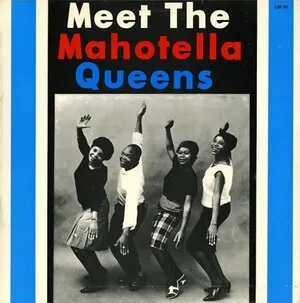
Meet the Mahotella Queens
Mahotella Queens
Mbaqanga
Marabi
1977
1
/5
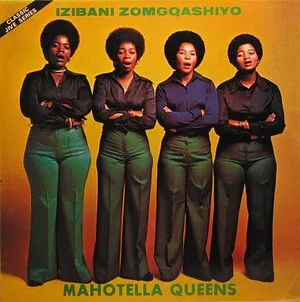
Izibani Zomgqashiyo
Mahotella Queens
Mbaqanga
Marabi
Similar artists
3
/5
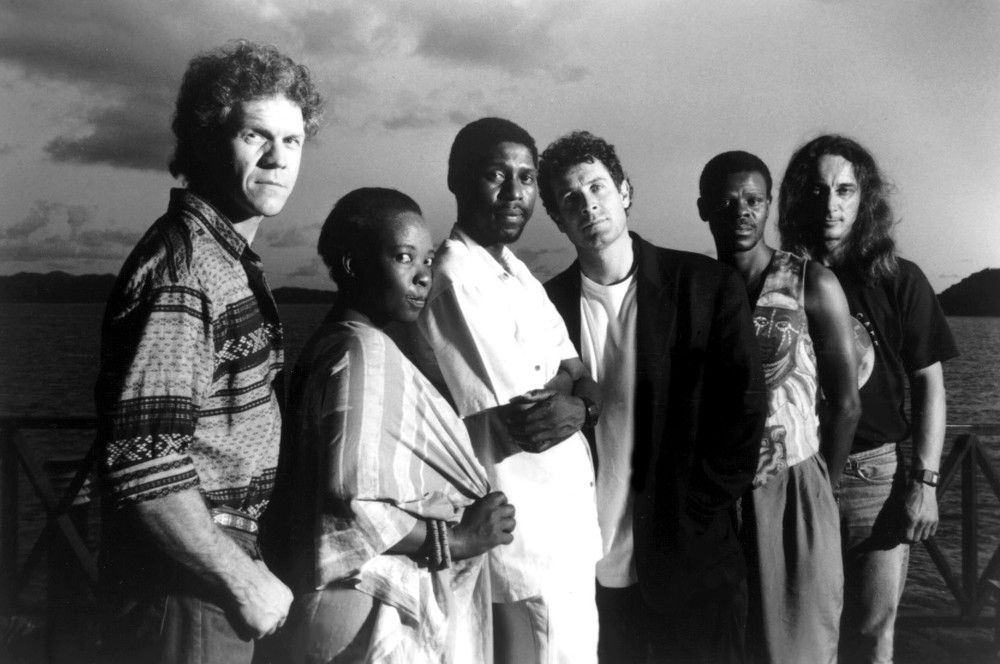
Johnny Clegg
Marabi
Mbaqanga
Afropop
2
/5
Mahlathini and the Mahotella Queens
Afropop
Champeta
Marabi
2
/5
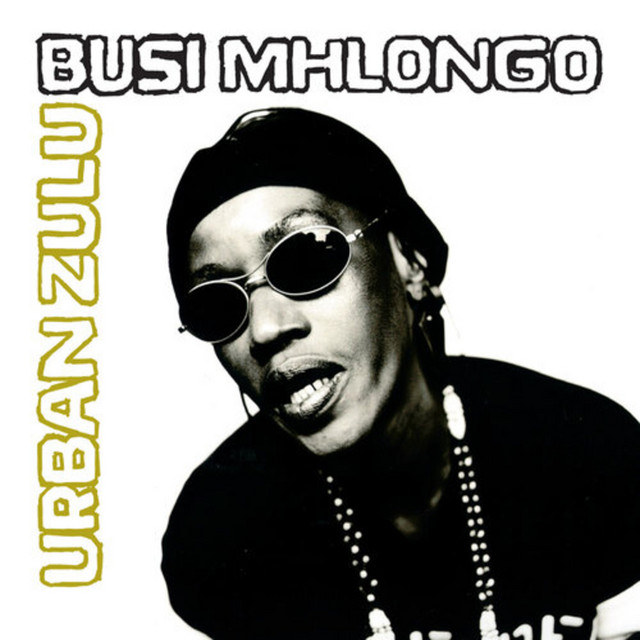
Busi Mhlongo
3-Step
Afro House
Afro Soul
2
/5
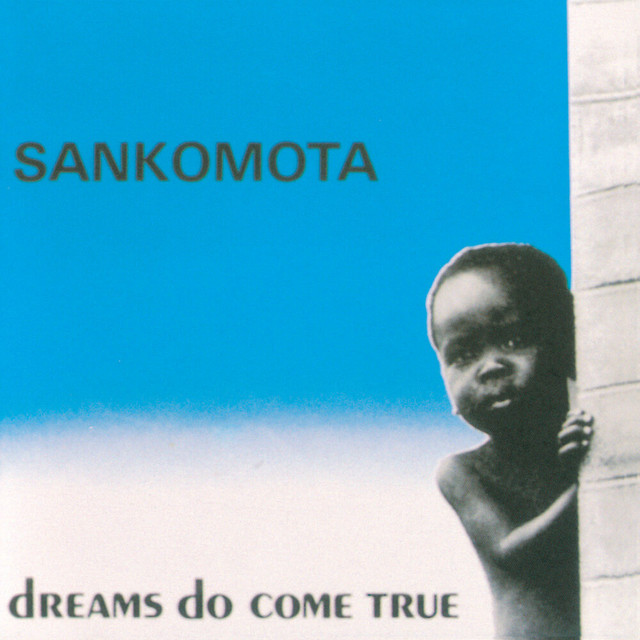
Sankomota
Afro Soul
Afropop
Marabi
3
/5
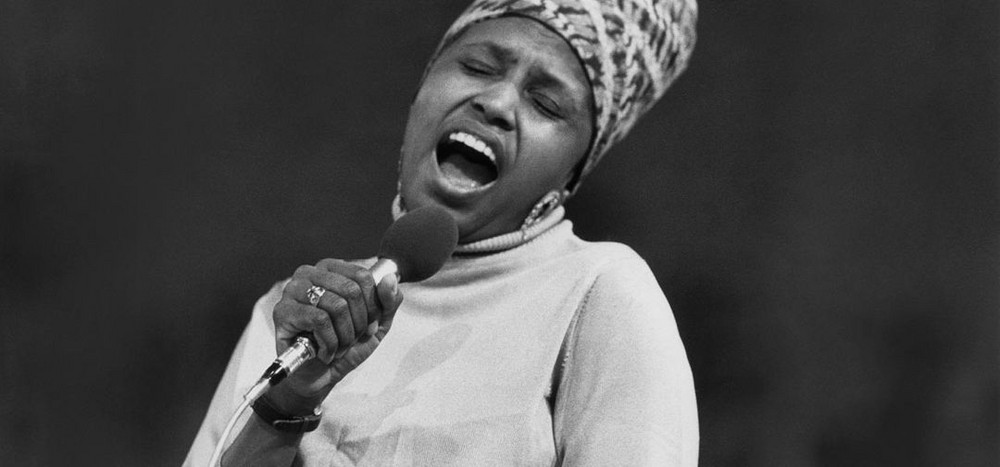
Miriam Makeba
Marabi
Folk
Pop
3
/5
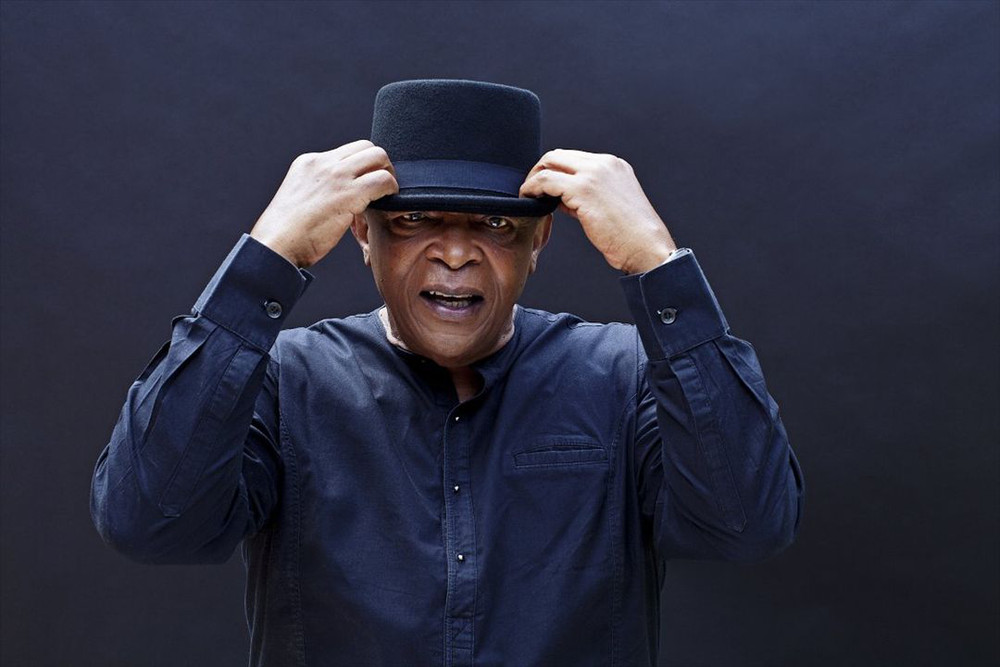
Hugh Masekela
Mbaqanga
Marabi
Afro Soul
3
/5
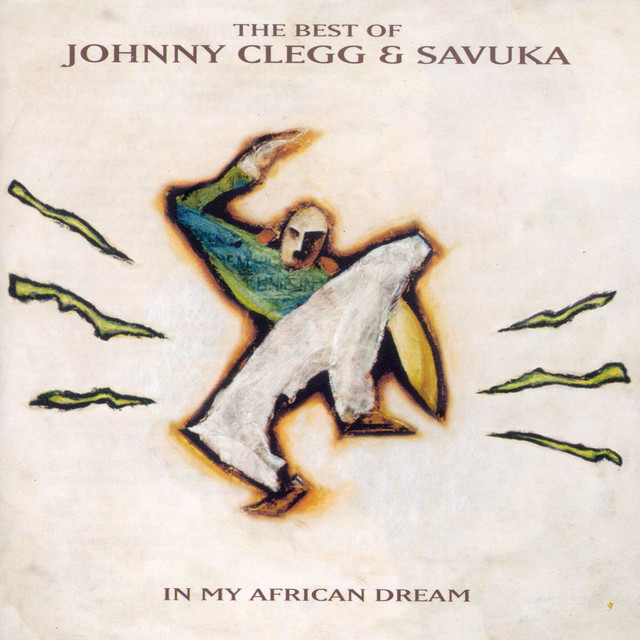
Savuka
Marabi
Mbaqanga
Maskanda
2
/5
Johnny Clegg & Juluka
Mbaqanga
Marabi
Champeta
2
/5
Sibusile Xaba
Mbaqanga
Marabi
African Folk Music
2
/5
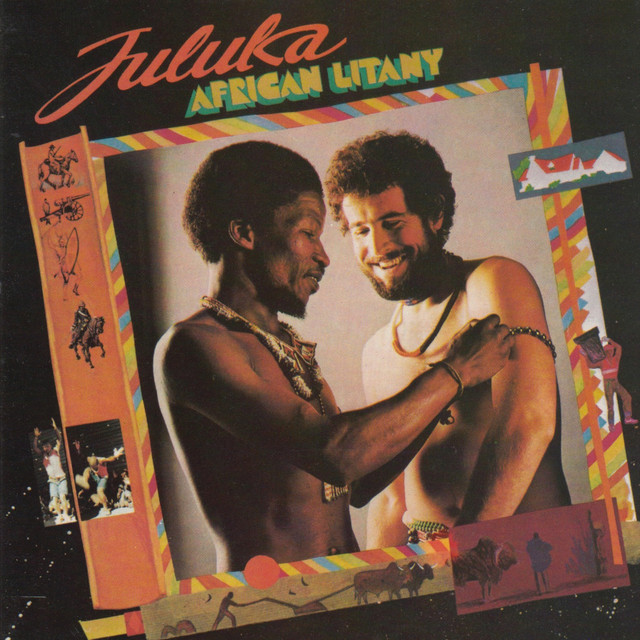
Juluka
Afropop
Mbaqanga
Folk Rock
Download our mobile app
Get the Melodigging app and start digging for new genres on the go
Download on the App Store
Get it on Google Play
© 2026 Melodigging
Give feedback
Legal
Melodding was created as a tribute to
Every Noise at Once
, which inspired us to help curious minds keep digging into music's ever-evolving genres.