Genres
Artists
Albums
Make Music
Sign in
Sign in
Artists
Cowpunk
Artists
Cowpunk
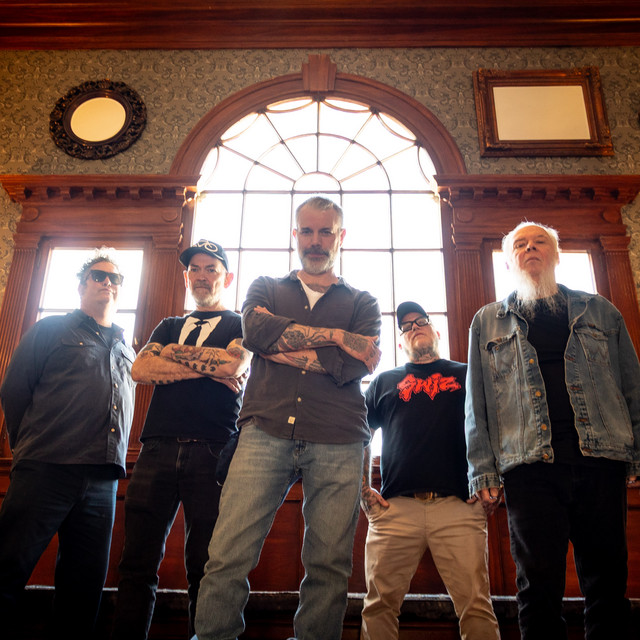
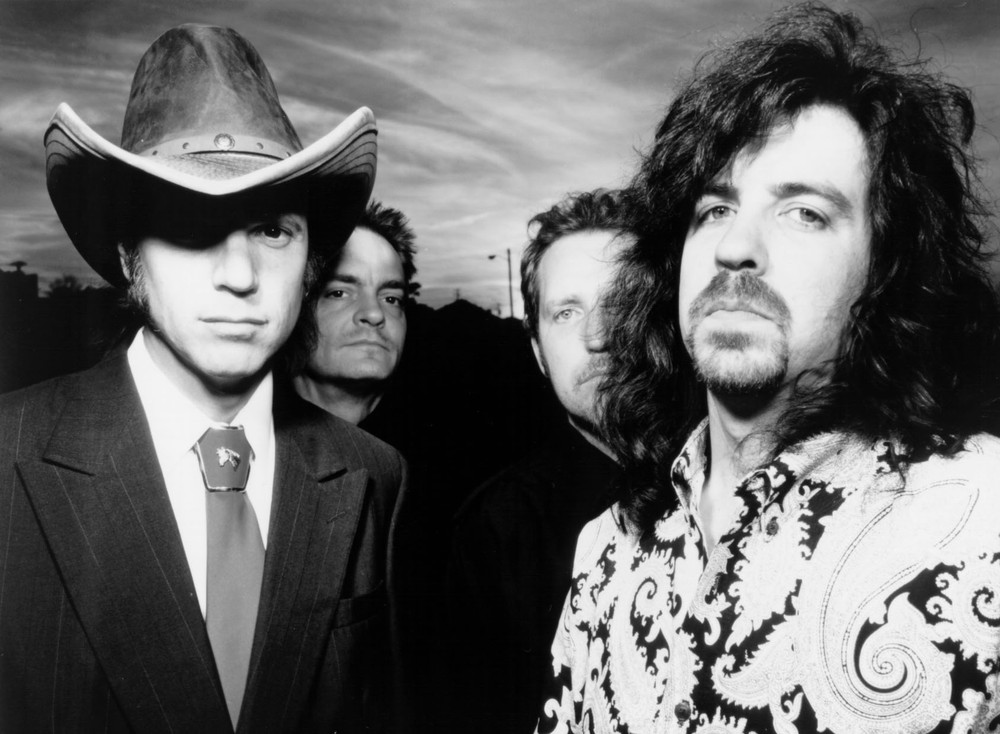
Lucero
2001–2022
·
9 albums
Listen
3
/5
Genres
Americana
Americana is a contemporary umbrella term for U.S. roots music that blends folk, country, blues, bluegrass, gospel, and roots rock into a songwriter-centered, largely acoustic-leaning sound. Hallmarks include story-driven lyrics; warm, organic production; and traditional instrumentation such as acoustic guitar, mandolin, banjo, fiddle, harmonica, pedal steel, upright or electric bass, and restrained drums. Rhythms often draw on the train beat, shuffles, two-step, waltz time, and relaxed backbeats. Harmonically it favors diatonic progressions (I–IV–V, I–vi–IV–V), modal tinges (Mixolydian), and close vocal harmonies. Rather than a rigid style, Americana functions as a bridge among related roots traditions, emphasizing authenticity, regional imagery, and narrative songwriting over genre flashiness.
Discover
Listen
Red Dirt
Red Dirt is a regional strain of country and roots-rock that grew out of the songwriter scene around Stillwater, Oklahoma, and later intertwined with the Texas country circuit. It blends the grit of outlaw country and southern rock with the storytelling focus of folk and Americana. Songs are often unvarnished and band-driven, featuring twangy electric guitars, fiddle or steel, and a steady two-step or barroom backbeat. The lyrics value place and plain-spoken detail—oilfields, small towns, long highways, and literal red dirt roads—favoring authenticity over polish. The style emphasizes live energy, road-warrior ethos, and community, reflecting its origins in collaborative house jams and club residencies. Its sound sits comfortably between country, rock, and Americana, with hooky choruses, honest verses, and a rugged, rootsy production aesthetic.
Discover
Listen
Texas Country
Texas country (often overlapping with the Red Dirt scene) is a roots-oriented strand of country music centered on Texas’ independent venues, college towns, and dancehalls. It blends classic honky-tonk and western swing with the songwriter-first ethos of outlaw country and the grit of roots rock and southern rock. The style favors live-band energy, two-step–friendly grooves, fiddle and pedal-steel leads, and plainspoken, image-rich storytelling about Texas places, road life, love, and self-reliance. As a scene, it emphasizes independence from Nashville’s mainstream system: artists commonly build careers through relentless touring, regional radio, and grassroots fan communities rather than chasing pop crossover trends.
Discover
Listen
Alternative Country
Alternative country (often shortened to alt-country) is a roots-oriented offshoot of country that blends the storytelling, twang, and acoustic instrumentation of classic country with the attitude, DIY ethos, and sonic grit of indie rock and punk. It arose as a reaction to the glossy production and commercial polish of mainstream Nashville in the late 1980s and 1990s. Hallmarks include weathered vocals, prominent acoustic and electric guitars (often with pedal steel), unfussy rhythm sections, and lyrics that foreground realism, heartbreak, working-class lives, and wandering souls. Production tends to be raw and unvarnished, favoring live-in-the-room feel over studio sheen. The result is music that sits comfortably between country, folk, and rock while retaining the emotional directness of traditional country.
Discover
Listen
Cowpunk
Cowpunk is a hybrid of country and punk that emerged at the turn of the 1980s, mixing the speed, grit, and DIY bluntness of punk rock or new wave with the twang, song forms, and storytelling of country, folk, rockabilly, and blues. The style typically features overdriven guitars playing two-step and train-beat grooves, twangy leads, and bar-band immediacy, while lyrics lean on honky‑tonk themes (heartbreak, highways, workaday life, gallows humor) delivered with punk bite. It was cultivated concurrently in Southern California and the United Kingdom, with scenes that cross‑pollinated roots rock, rockabilly revivals, and post‑punk. Many of its key artists later paved the way for alternative country, Americana, and related roots‑minded punk offshoots.
Discover
Listen
Alternative Rock
Alternative rock is a broad umbrella for guitar-based rock that emerged from the independent and college-radio scenes as a counterpoint to mainstream, commercial rock. It blends the energy and ethos of punk with the textural and songwriting experiments of post-punk, new wave, jangle pop, and noise rock, often foregrounding introspective or socially aware lyrics. Across its many strains—from the melodic minimalism of college rock to the loud-quiet-loud dynamics of grunge and the artful experimentation of Radiohead-era modernism—alternative rock prioritizes authenticity, sonic individuality, and a do-it-yourself approach. Its sound ranges from chiming, chorus-laden clean guitars to abrasive distortion and feedback, supported by straightforward rock rhythms or off-kilter grooves, and production that can be either raw and live-sounding or polished yet unconventional.
Discover
Listen
Southern Rock
Southern rock is a guitar-driven strain of American rock that emerged from the U.S. South, blending the grit of blues and the twang of country with the volume and swagger of rock. It is distinguished by twin-lead (often harmonized) guitars, prominent slide playing, boogie and shuffle grooves, and a live, jam-forward energy. Hammond B‑3 organ, piano, and rough-hewn, soulful vocals are common. Lyrically, it often explores working‑class life, regional identity, resilience, and the open road, while alternating between barroom stompers and expansive, improvisational epics.
Discover
Listen
Punk Rock
Punk rock is a fast, raw, and stripped‑down form of rock music that foregrounds energy, attitude, and the DIY ethic over technical polish. Songs are short (often 90–180 seconds), in 4/4, and driven by down‑stroked power‑chord guitars, eighth‑note bass, and relentless backbeat drumming. Vocals are shouted or sneered rather than crooned, and lyrics are direct, often political, anti‑establishment, or wryly humorous. Production is intentionally unvarnished, prioritizing immediacy and live feel over studio perfection. Beyond sound, punk rock is a culture and practice: independent labels, fanzines, all‑ages venues, self‑organized tours, and a participatory scene that values inclusivity, affordability, and self‑reliance.
Discover
Listen
Rock
Rock is a broad family of popular music centered on amplified instruments, a strong backbeat, and song forms that foreground riffs, choruses, and anthemic hooks. Emerging from mid‑20th‑century American styles like rhythm & blues, country, and gospel-inflected rock and roll, rock quickly expanded in scope—absorbing folk, blues, and psychedelic ideas—while shaping global youth culture. Core sonic markers include electric guitar (often overdriven), electric bass, drum kit emphasizing beats 2 and 4, and emotive lead vocals. Rock songs commonly use verse–chorus structures, blues-derived harmony, and memorable melodic motifs, ranging from intimate ballads to high‑energy, stadium‑sized performances.
Discover
Listen
Rockabilly
Rockabilly is one of the earliest styles of rock and roll, fusing the twang and storytelling of Southern country ("hillbilly") with the driving backbeat and boogie of rhythm & blues and jump blues. It is marked by slap‑back echo on vocals and guitar, slapping upright bass, twangy hollow‑body electrics, and energetic, danceable grooves. The classic rockabilly sound emerged from mid‑1950s Memphis studios such as Sun Records, where minimal drum kits (or none at all) mixed with percussive bass and bright, overdriven guitars. Songs are typically short, hooky, and built on 12‑bar blues or simple I–IV–V progressions, with lyrics about love, cars, dancing, and youthful rebellion.
Discover
Listen
Country
Country is a roots-based popular music from the rural American South that blends Anglo-Celtic ballad traditions with African American blues, gospel, and string-band dance music. It is characterized by narrative songwriting, plainspoken vocals with regional twang, and a palette of acoustic and electric instruments such as acoustic guitar, fiddle, banjo, pedal steel, and telecaster guitar. Rhythmically it favors two-step feels, train beats, shuffles, and waltzes, while harmony is largely diatonic (I–IV–V) with occasional country chromaticism and secondary dominants. Across a century, country has evolved through substyles like honky-tonk, the Nashville and Bakersfield sounds, outlaw country, neotraditionalist revivals, pop-country, and country-rap hybrids, but it consistently prioritizes storytelling about everyday life, love, work, faith, place, and identity.
Discover
Listen
Show all 11 genres
Albums
2022
1
/5
Raining for Weeks
Lucero
Cowpunk
2022
1
/5
One Last F.U.
Lucero
Cowpunk
2013
2
/5
Texas & Tennessee
Lucero
Cowpunk
2009
2
/5
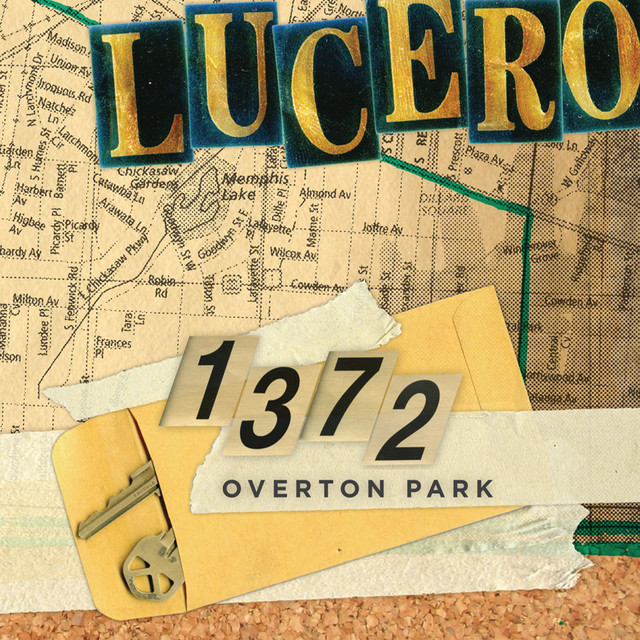
1372 Overton Park
Lucero
Cowpunk
2005
2
/5
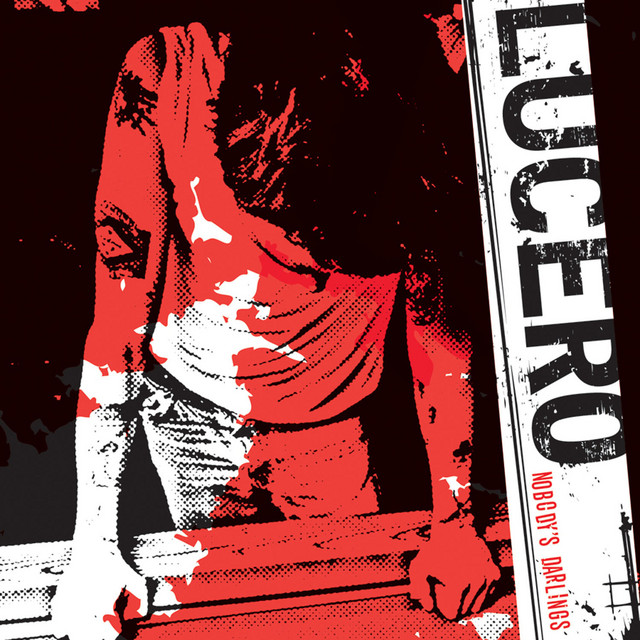
Nobody's Darlings
Lucero
Cowpunk
2003
2
/5
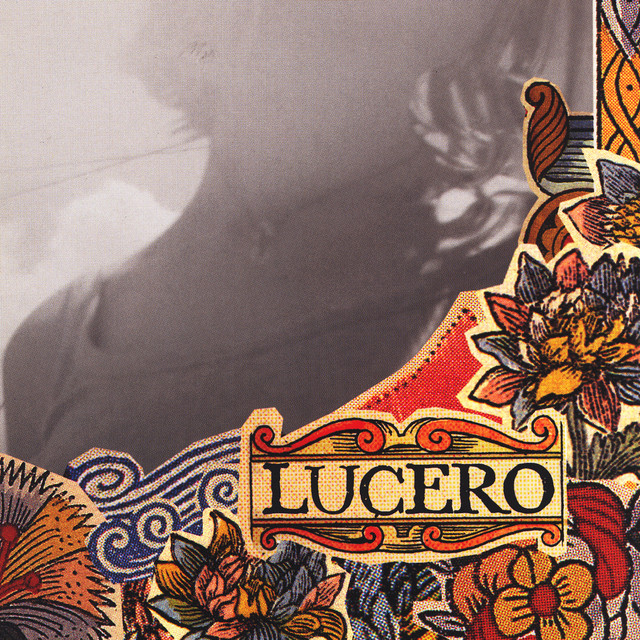
That Much Further West
Lucero
Cowpunk
2002
3
/5
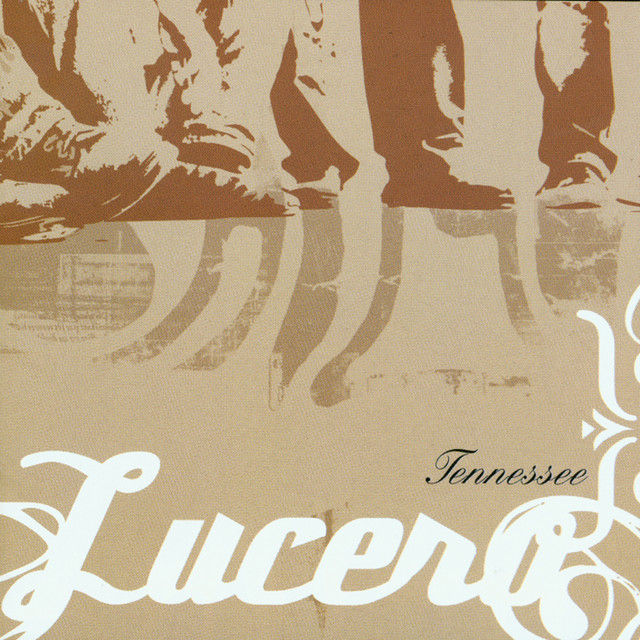
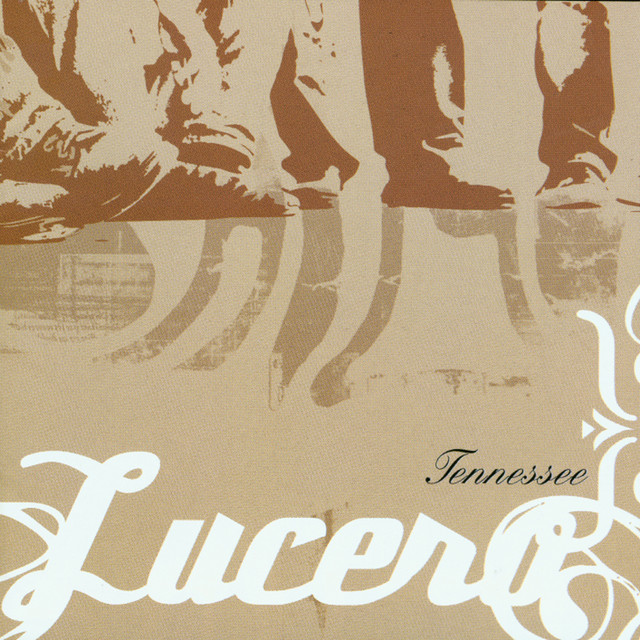
Tennessee
Lucero
Cowpunk
Country
Punk Rock
2002
1
/5
Tennessee
Lucero
Southern Rock
Cowpunk
Country
2001
3
/5
Lucero
Lucero
Cowpunk
Similar artists
3
/5
Hank Williams III
Cowpunk
Outlaw Country
Psychobilly
2
/5
Jason & The Scorchers
Cowpunk
Americana
Country Rock
1
/5
Various Artists
Afro-Funk
Alternative Rock
Ambient
3
/5
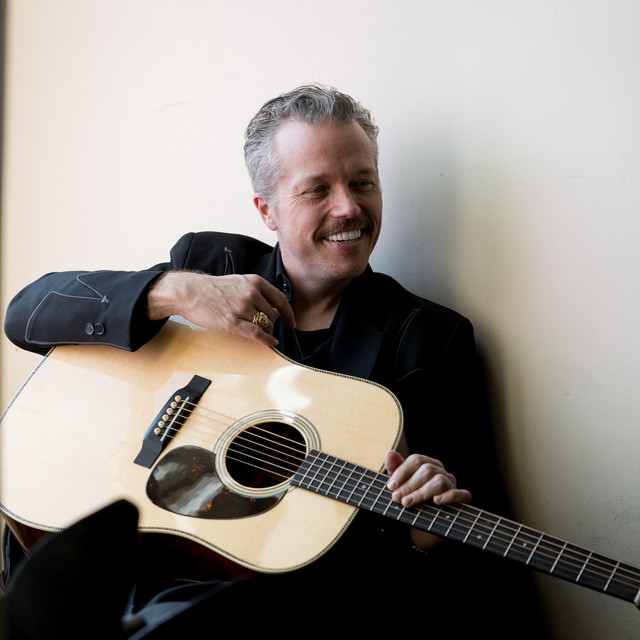
Jason Isbell
Americana
Roots Rock
Red Dirt
5
/5
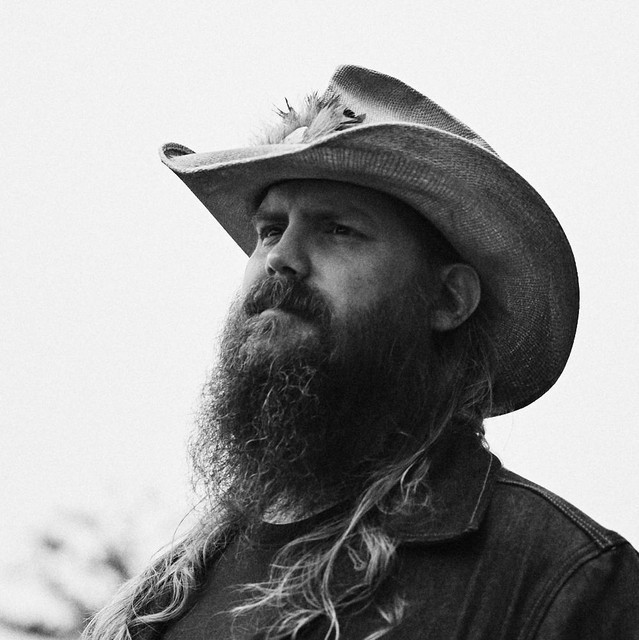
Chris Stapleton
Outlaw Country
Contemporary Country
Country
2
/5
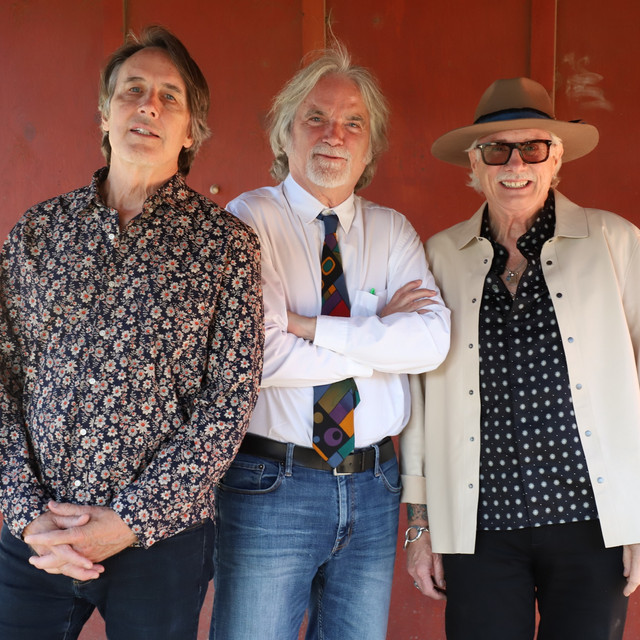
The Long Ryders
Paisley Underground
Cowpunk
Americana
4
/5
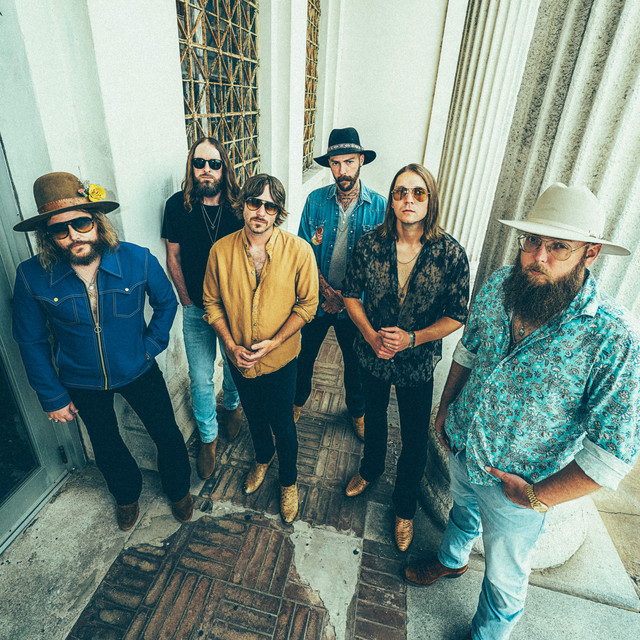
Whiskey Myers
Modern Southern Rock
Southern Rock
Country Rock
4
/5
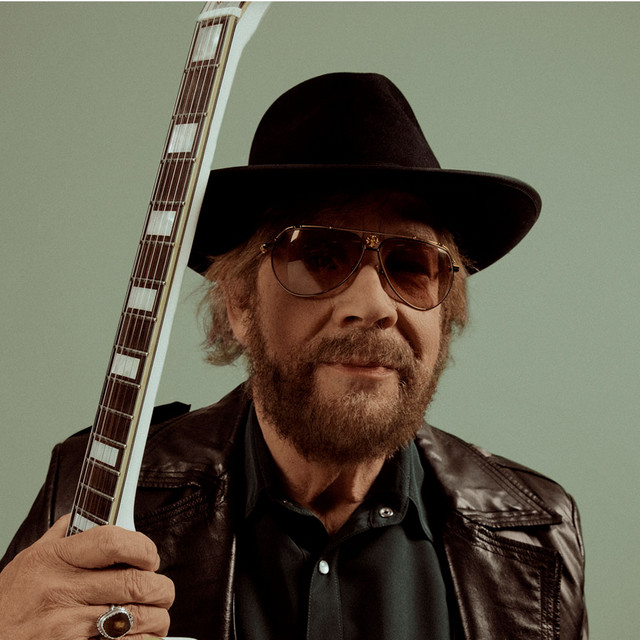
Hank Williams, Jr.
Country
Honky Tonk
Southern Rock
4
/5
The Charlie Daniels Band
Country Rock
Southern Rock
Classic Country
3
/5
Drive-By Truckers
Southern Rock
Country Rock
Americana
Download our mobile app
Get the Melodigging app and start digging for new genres on the go
Download on the App Store
Get it on Google Play
© 2026 Melodigging
Give feedback
Legal
Melodding was created as a tribute to
Every Noise at Once
, which inspired us to help curious minds keep digging into music's ever-evolving genres.