Genres
Artists
Albums
Make Music
Sign in
Sign in
Artists
Huayno
Artists
Huayno
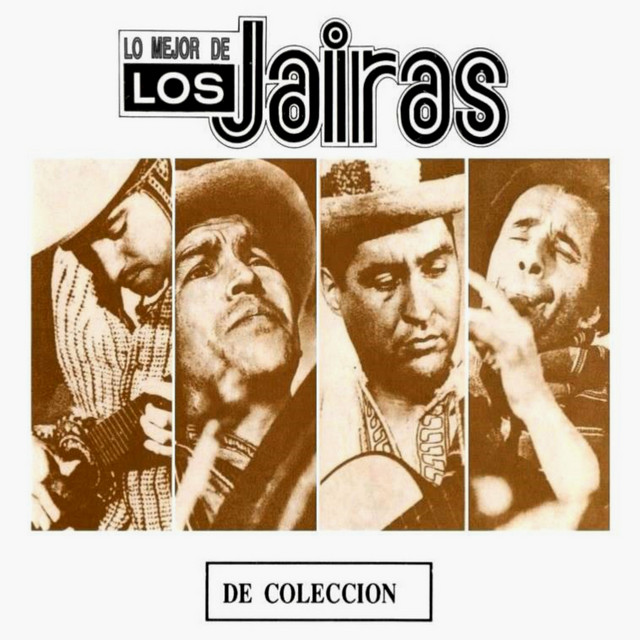
Los Jairas
1968–1971
·
4 albums
Listen
2
/5
Genres
Folclor Andino
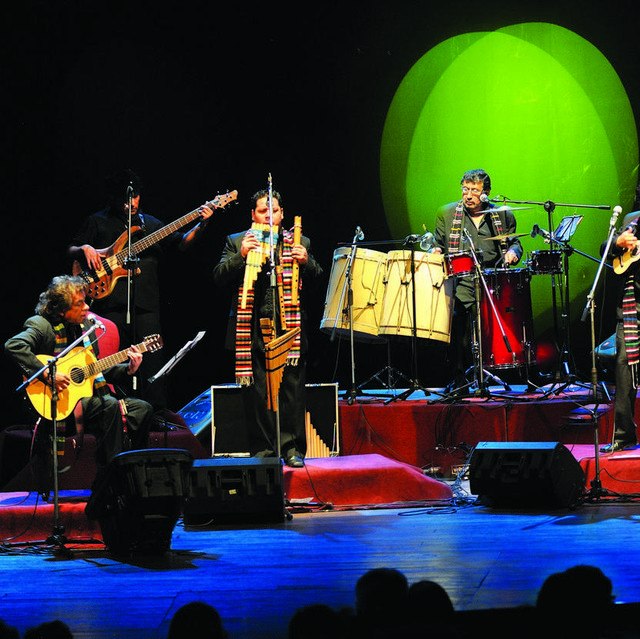
Folclor andino is the pan‑regional folk music of the Andean highlands, shaped by Indigenous Quechua and Aymara traditions and later mestizo influences. It centers on wind instruments such as quena (notched flute) and zampoña/siku (panpipes), the small 10‑string charango, guitar, and deep hand‑drummed bombos, producing bright timbres over earthy rhythms. Melodically it favors pentatonic and natural minor (Aeolian/Dorian) scales, parallel thirds, antiphonal hocketing between panpipe parts, and cyclical ostinatos. Repertoire often draws from regional forms like huayno, yaraví, carnavalito, and related highland dances, with lyrics that invoke the mountains, Pachamama (Mother Earth), love, migration, and social realities. As a modern stage and recording genre, folclor andino coalesced mid‑20th century when urban ensembles standardized instrumentation and performance, later intersecting with nueva canción’s socially engaged aesthetics and spreading globally through tours and world‑music circuits.
Discover
Listen
Conjunto Andino
Conjunto andino refers to the modern Andean folk ensemble format that crystallized in urban centers of the Central Andes during the 1960s and 1970s. Typical groups feature panpipes (zampoña/siku), end-blown flutes (quena), the small re-entrant lute charango, nylon- or steel-string guitar, bombo legüero or caja (drums), and occasional instruments like kena kena, ronroco, bandurria, and Andean harp. While rooted in Indigenous Quechua and Aymara musical traditions such as huayno, carnavalito, and sikuri panpipe music, the conjunto format standardized arrangements for stage performance and recording, blending rural repertories with urban harmony and song structures. The result is a recognizable acoustic sound marked by interlocking panpipe lines, bright charango strums, modal/pentatonic melodies, and dance-oriented rhythms.
Discover
Listen
Huayno
Huayno (Quechua: waynu/wayno) is a traditional Andean music and dance style that took modern shape in the Peruvian highlands and spread across Bolivia and Ecuador. It is marked by brisk duple-meter rhythms with a strong downbeat, bright pentatonic melodies, and emotive vocals often sung in Quechua and Spanish. Typical ensembles feature charango and guitar strumming patterns, soaring quena (Andean flute) and siku (panpipes), lyrical violin or harp lines, and driving bombo or wankara drum pulses. The dance uses lively stomping steps and turns, reflecting festive community gatherings, courtship, and rural life. Regional variants include the fast, celebratory Huaylas (central highlands), the yaraví-inflected, tender huayno ayacuchano (Ayacucho), and the panpipe- and charango-rich wayno sureño (Cusco–Puno). Lyrical themes span love and longing, migration, indigenous pride, and everyday joys and hardships.
Discover
Listen
Bolivian Huayño
Bolivian huayño is the Bolivian branch of the pan‑Andean huayno song‑dance, marked by a brisk duple‑meter pulse, buoyant syncopation, and melodies that move between pentatonic and minor (often Aeolian/Dorian) modalities. It is typically performed on Andean instruments such as charango, quena and zampoña (panpipes), alongside guitar, bombo and caja drums, and, regionally, violin or accordion. Vocals are delivered in Spanish, Quechua, and Aymara, with themes that range from romantic longing and nostalgia for the highlands to social commentary on migration and indigenous identity. The dance is lively and communal, featuring couples or lines that accent the strong first beat with quick, light steps and a characteristic upbeat pickup. Compared with Peruvian and northern Argentine variants, Bolivian huayño often emphasizes dense charango strums, bright panpipe harmonizations in parallel thirds or sixths, and a slightly more driving rhythmic feel. It is a cornerstone of Bolivian popular and folk repertoires, sustaining both rural festivities and urban stage performance.
Discover
Listen
Tonada Chilena
Tonada chilena is a lyrical, strophic song form from central Chile, distinct from the livelier cueca and typically performed at a moderate to slow tempo. It emphasizes expressive melody and poetic texts—often octosyllabic quatrains—sung over simple harmonic progressions. Rhythmically, the tonada often exhibits Iberian sesquiáltera (the interplay of 6/8 and 3/4), but it can also be felt in straightforward 3/4. Its accompaniment is traditionally carried by guitar (sometimes in alternate tunings), arpa chilena (Chilean harp), guitarrón chileno in some contexts, and occasionally accordion. The overall character is sentimental, nostalgic, and romantic, with a focus on vocal phrasing and word-painting. While the tonada shares Spanish roots with many Hispanic song forms, it matured into a distinctly Chilean idiom in the 19th and early 20th centuries and became a cornerstone of urban and rural repertoires, radio songbooks, and later the folk revival.
Discover
Listen
Villancico
Villancico is an Iberian song form that emerged in late medieval Spain and flourished during the Renaissance and Baroque eras. Originally a secular, vernacular song associated with rural or popular themes, it evolved into a predominantly sacred genre performed in churches and cathedrals—especially around Christmas. Structurally, a villancico typically alternates a recurring refrain (estribillo) with one or more stanzas (coplas), often in lively, dance-like meters. Texts may be in Spanish or Portuguese and sometimes incorporate dialects and topical characters (for example, negrillos, pastorcillos), while the music ranges from simple strophic tunes to richly scored polychoral works with instrumental accompaniment.
Discover
Listen
Indigenous Andean Music
Indigenous Andean music refers to the ceremonial, communal, and dance music of Quechua, Aymara, and other native peoples of the Andean highlands of present-day Peru, Bolivia, Ecuador, northern Chile, and northwestern Argentina. It is characterized by panpipe ensembles (siku/zampoña, antara), end-blown flutes (quena, pinkillu), block flutes (tarka), large double-headed drums (wankara/bombo), and—since the colonial period—the charango. Ensembles often play in interlocking pairs (ira/arca), creating hocketed melodies, dense heterophony, and a powerful collective sound suitable for processions and open-air festivals. Melodically, pentatonic and hexatonic scales are common, with flexible, non-equal-tempered tunings. Rhythms favor duple meters (2/4) and 6/8 feels, with frequent sesquialtera (3:2) interplay that drives circle and line dances. Vocals tend toward group singing, call-and-response, and timbres that prioritize projection in outdoor contexts. The music is inseparable from agricultural cycles, community identity (ayllu), and ritual calendars.
Discover
Listen
Show all 7 genres
Albums
1971
1
/5
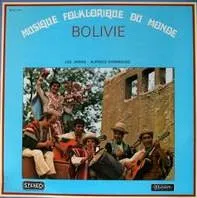
Bolivie - Musique folklorique du monde
Los Jairas
Tonada Chilena
1969
1
/5
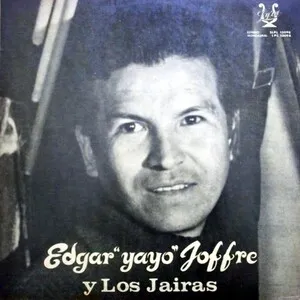
Yayo Jofré Y Los Jairas
Los Jairas
Bolivian Huayño
Huayno
1968
1
/5
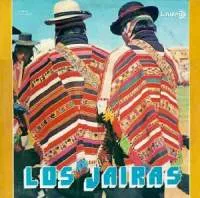
Bolivia con Los Jairas
Los Jairas
Conjunto Andino
Huayno
Indigenous Andean Music
Los Jairas
Los Jairas
Huayno
Similar artists
3
/5
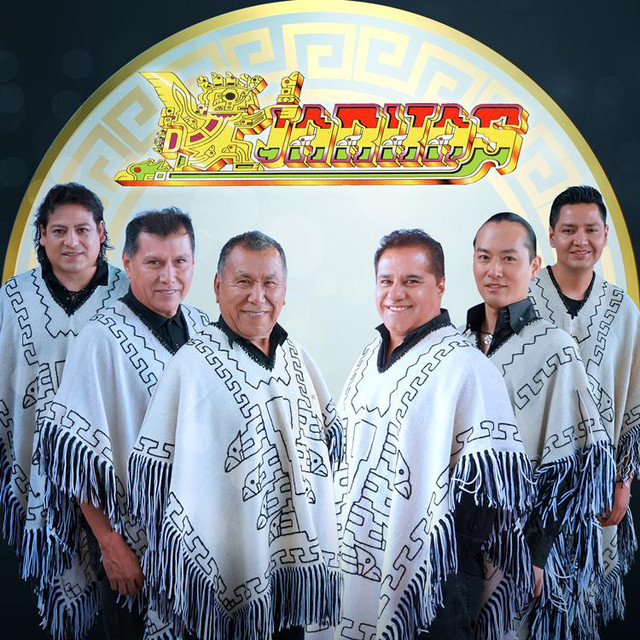
Los Kjarkas
Huayno
Latin Folk
Conjunto Andino
3
/5
William Luna
Huayno
Latin Folk
Folclor Andino
2
/5
Bonanza
Folclor Andino
Huayno
Villancico
1
/5
Quimantú
Celtic
Folclor Andino
Huayno
3
/5
Savia Andina
Conjunto Andino
Folclor Andino
Huayno
2
/5
Los Incas
Folclor Andino
Huayno
Latin Folk
2
/5
Rumillajta
Conjunto Andino
Folclor Andino
Huayno
2
/5
Luzmila Carpio
Huayno
Indigenous Andean Music
Tonada Potosina
2
/5
Diableros Jujeños
Folklore Argentino
Huayno
Latin Folk
2
/5
Picaflor De Los Andes
Huayno
Folclor Andino
Indigenous Andean Music
Download our mobile app
Get the Melodigging app and start digging for new genres on the go
Download on the App Store
Get it on Google Play
© 2026 Melodigging
Give feedback
Legal
Melodding was created as a tribute to
Every Noise at Once
, which inspired us to help curious minds keep digging into music's ever-evolving genres.