Genres
Artists
Albums
Make Music
Sign in
Sign in
Artists
Norteño
Artists
Norteño
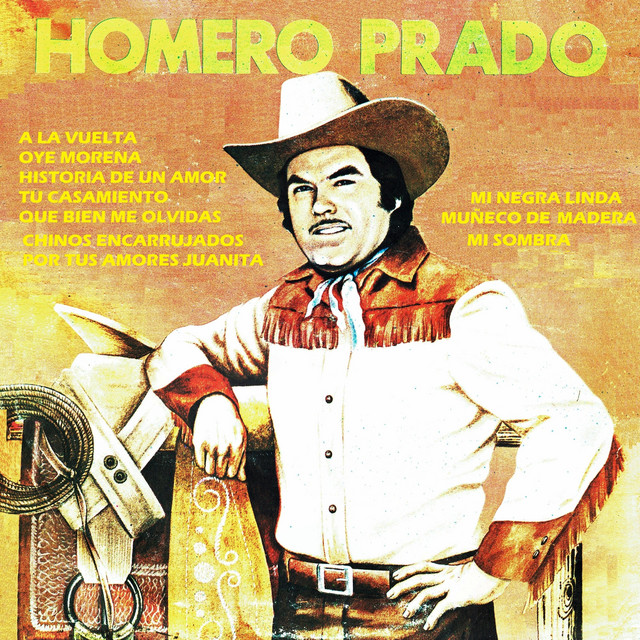
Los Hermanos Prado
2002
·
1 album
Listen
2
/5
Genres
Norteño
Norteño (música norteña) is a Mexican regional style built around the bright timbre of the diatonic button accordion and the driving strum of the bajo sexto. Rooted in borderland dance music, it blends Central European polka, waltz, and schottische rhythms with Mexican corrido storytelling and ranchera songcraft. Characterized by brisk 2/4 polkas and lilting 3/4 waltzes, norteño songs range from narrative corridos about migration and everyday struggles to romantic ballads and party tunes. Traditional ensembles used tololoche (upright bass) and snare, while modern groups often add electric bass, full drum kits, and occasionally tenor sax (in the norteño-sax substyle) or tuba (in norteño-banda). The result is a dance-forward, story-rich music that bridges rural and urban audiences on both sides of the U.S.–Mexico border.
Discover
Listen
Polka Norteña
Polka norteña is the lively, accordion‑driven polka tradition embedded in northern Mexico’s regional music (norteño). It adapts Central European dance rhythms—especially the two‑step polka—into a distinctly Mexican sound centered on diatonic button accordion, bajo sexto, bass (tololoche or electric), and, in modern groups, drum set and/or saxophone. Typically in a bright 2/4 with the classic “oom‑pah” bass pattern, polka norteña favors major keys, singable melodies, and simple, propulsive harmonies (I–IV–V) designed for the dance floor. Tunes can be instrumental showpieces for accordion and sax, or vocal numbers with strophic verses about courtship, nightlife, rural pride, and everyday humor. The style is a staple of northern Mexican bailes and a pillar of the cross‑border regional Mexican sound.
Discover
Listen
Polka
Polka is a lively Central European couple dance and musical style in a brisk 2/4 meter, characterized by its buoyant “oom‑pah” bass-chord accompaniment and bright, diatonic melodies. Originating in Bohemia (today’s Czech Republic) in the early 19th century, it quickly became a pan-European craze before taking root across immigrant communities in the Americas. Ensembles typically feature accordion or button box/concertina, clarinet or saxophone, trumpets/trombone, tuba or string bass, and drum kit, with regional variants highlighting different lead voices and rhythmic feels. While the classical ballroom tradition codified polka into formal strains (often AABB with a contrasting trio), folk and popular styles favor singable tunes, simple I–IV–V harmonies, and tempos commonly around 115–135 BPM, inviting upbeat social dancing and communal celebration.
Discover
Listen
Albums
2002
Polkas Norteñas: 15 Éxitos
Los Hermanos Prado
Polka Norteña
Similar artists
3
/5
Los Broncos de Reynosa
Corrido
Norteño
Polka
2
/5
Los Cadetes De Juan Y Rogelio
Cumbia Norteña Mexicana
Norteño
Polka
2
/5
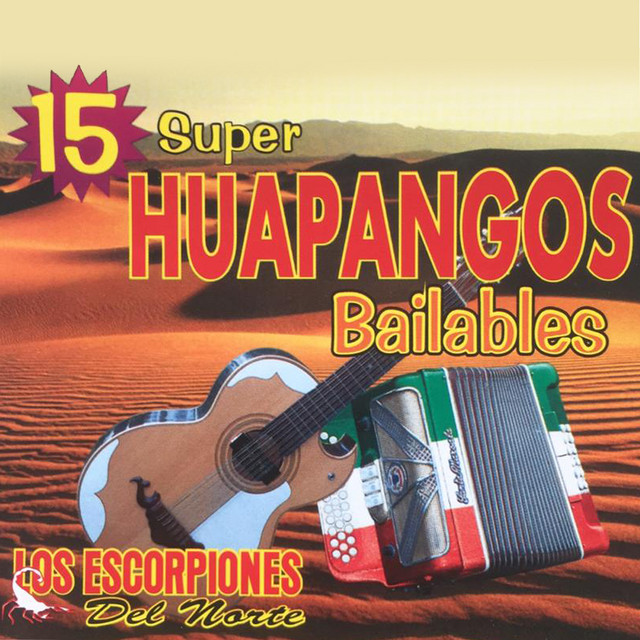
Los Escorpiones Del Norte
Bolero
Cumbia Norteña Mexicana
Huapango
2
/5
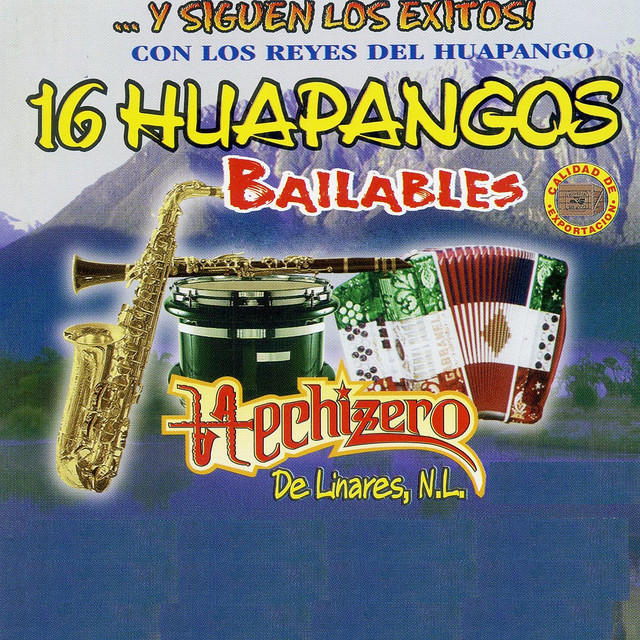
Hechizero de Linares
Cumbia Norteña Mexicana
Huapango
Norteño
2
/5
Los Hermanos Soria
Norteño
Polka
Sierreño
2
/5
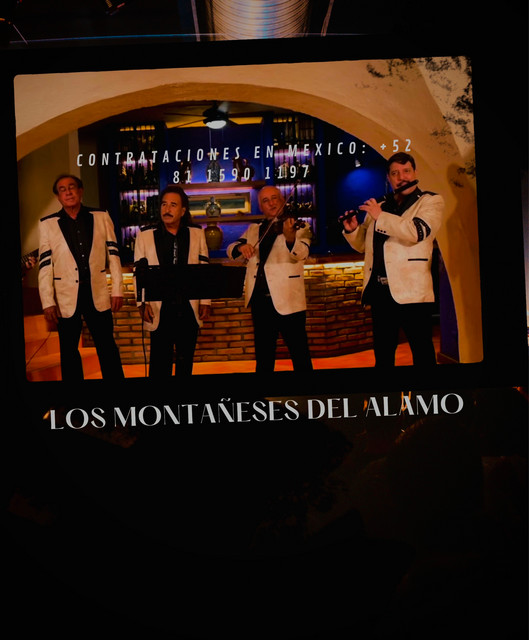
Los Montaneses Del Alamo
Norteño
Polka
Ranchera
2
/5
Los Gorriones Del Topo Chico
Bolero
Norteño
Polka
2
/5
Hermanos Prado
Bolero
Norteño
Polka
2
/5
Los Villalobos
Cumbia Norteña Mexicana
Norteño
Norteño-Sax
2
/5
Los Montaneses Del Alamo
Norteño
Polka
Ranchera
Download our mobile app
Get the Melodigging app and start digging for new genres on the go
Download on the App Store
Get it on Google Play
© 2026 Melodigging
Give feedback
Legal
Melodding was created as a tribute to
Every Noise at Once
, which inspired us to help curious minds keep digging into music's ever-evolving genres.