Genres
Artists
Albums
Make Music
Sign in
Sign in
Artists
Bolero
Artists
Bolero
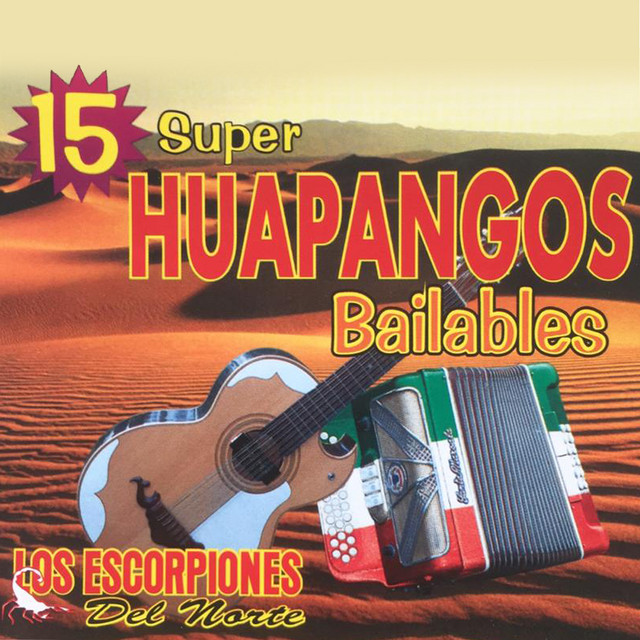
Los Escorpiones Del Norte
Listen
2
/5
Genres
Cumbia Norteña Mexicana
Cumbia norteña mexicana is a northern Mexican take on cumbia that blends the Colombian-born rhythm with the instrumentation, feel, and dance culture of norteño and grupera. It is driven by accordion lead lines, bajo sexto rhythm guitar, electric bass, and drum kit, often complemented by güiro or cowbell, and sometimes saxophone or keyboards. The groove keeps cumbia’s characteristic off-beat syncopation while adopting a brisk, two-step-friendly pulse common in the Mexican north and along the Texas border. Songs typically use simple, catchy harmonies (I–IV–V with frequent dominant sevenths), memorable accordion hooks, and verse–chorus structures. Lyrics range from festive parties and dance-floor humor to everyday border life, love, and migration, delivered with call-outs and crowd-response energy tailored to bailes and rodeos.
Discover
Listen
Norteño
Norteño (música norteña) is a Mexican regional style built around the bright timbre of the diatonic button accordion and the driving strum of the bajo sexto. Rooted in borderland dance music, it blends Central European polka, waltz, and schottische rhythms with Mexican corrido storytelling and ranchera songcraft. Characterized by brisk 2/4 polkas and lilting 3/4 waltzes, norteño songs range from narrative corridos about migration and everyday struggles to romantic ballads and party tunes. Traditional ensembles used tololoche (upright bass) and snare, while modern groups often add electric bass, full drum kits, and occasionally tenor sax (in the norteño-sax substyle) or tuba (in norteño-banda). The result is a dance-forward, story-rich music that bridges rural and urban audiences on both sides of the U.S.–Mexico border.
Discover
Listen
Polka
Polka is a lively Central European couple dance and musical style in a brisk 2/4 meter, characterized by its buoyant “oom‑pah” bass-chord accompaniment and bright, diatonic melodies. Originating in Bohemia (today’s Czech Republic) in the early 19th century, it quickly became a pan-European craze before taking root across immigrant communities in the Americas. Ensembles typically feature accordion or button box/concertina, clarinet or saxophone, trumpets/trombone, tuba or string bass, and drum kit, with regional variants highlighting different lead voices and rhythmic feels. While the classical ballroom tradition codified polka into formal strains (often AABB with a contrasting trio), folk and popular styles favor singable tunes, simple I–IV–V harmonies, and tempos commonly around 115–135 BPM, inviting upbeat social dancing and communal celebration.
Discover
Listen
Bolero
Bolero is both a Spanish dance-music form from the late 18th century and, later, a Cuban song style from the late 19th century. The Spanish bolero emerged as a moderately slow solo or partner dance in 3/4 time, shaped by Andalusian song-dance traditions. It typically features guitar accompaniment and castanets, and its sung texts often follow the seguidilla stanza pattern. In Cuba, bolero evolved into a romantic ballad—most often in 2/4 (later also felt in 4/4)—performed by singers, trios, and salon ensembles. Cuban bolero emphasizes intimate, lyrical melodies, guitar-led accompaniment (often with requinto), and gentle Afro-Caribbean rhythmic undercurrents (habanera feel, soft bongo, claves), becoming one of Latin America’s quintessential love-song forms.
Discover
Listen
Huapango
Huapango is a Mexican folk genre and dance whose heartbeat is the sesquialtera: a lively alternation and superposition of 6/8 and 3/4 meters that fuels foot-stomping zapateado on a wooden tarima. It is especially associated with the Huasteca region (Hidalgo, San Luis Potosí, Veracruz, Tamaulipas, Querétaro, and Puebla) and features small string ensembles. The classic Huasteco lineup is a virtuosic lead violin, jarana huasteca (a small, high-pitched rhythm guitar), and the deeper-voiced guitarra quinta huapanguera. Singing frequently employs ornamental falsetto, improvised verses, and playful call-and-response. Beyond the Huasteca, there are related variants—huapango arribeño in the Sierra Gorda, mariachi-styled huapangos, and norteño huapangos—that adapt the core rhythmic feel to different regional ensembles and repertoires.
Discover
Listen
Similar artists
2
/5
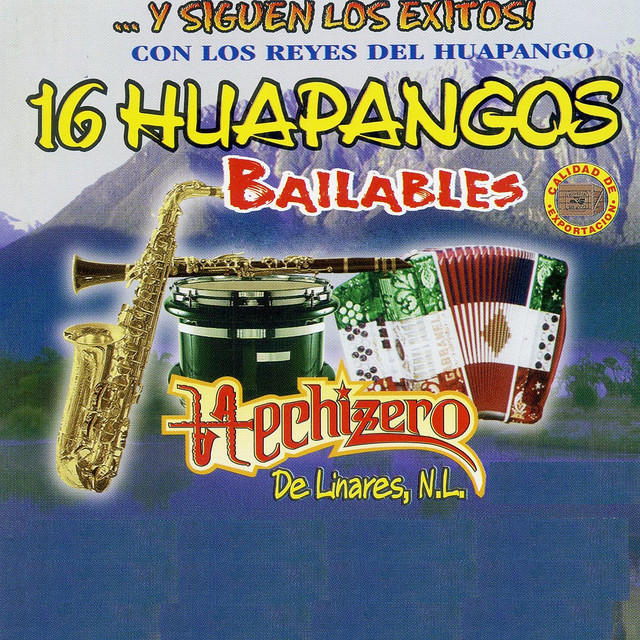
Hechizero de Linares
Cumbia Norteña Mexicana
Huapango
Norteño
4
/5
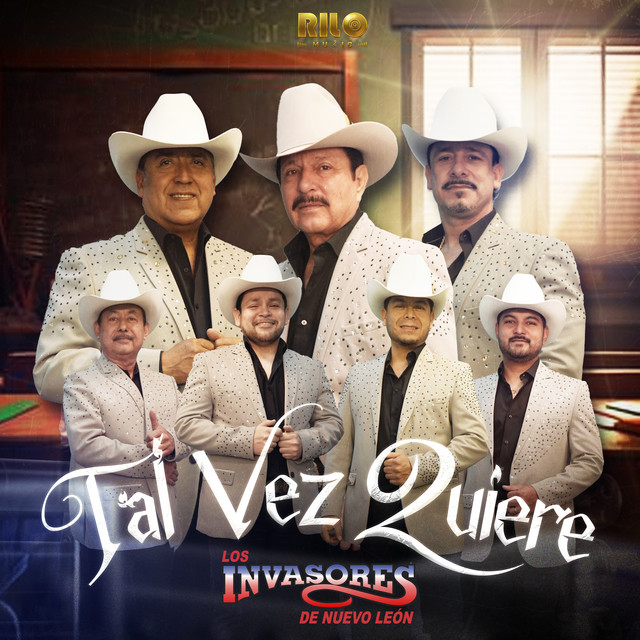
Los Invasores De Nuevo León
Corrido
Banda
Bolero
3
/5
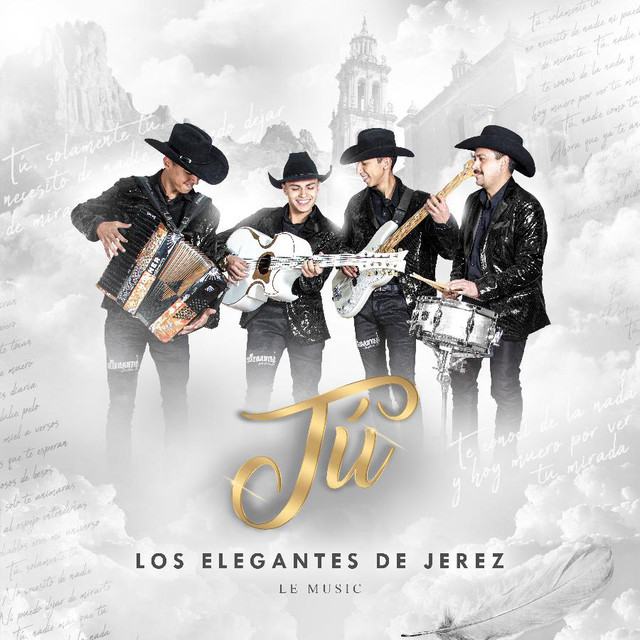
Los Elegantes de Jerez
Huapango
Banda
Cumbia Norteña Mexicana
3
/5
Los Indomables De Cedral
Huapango
Cumbia Norteña Mexicana
Norteño
3
/5
Eliseo Robles Y Los Barbaros Del Norte
Bolero
Corrido
Cumbia Norteña Mexicana
3
/5
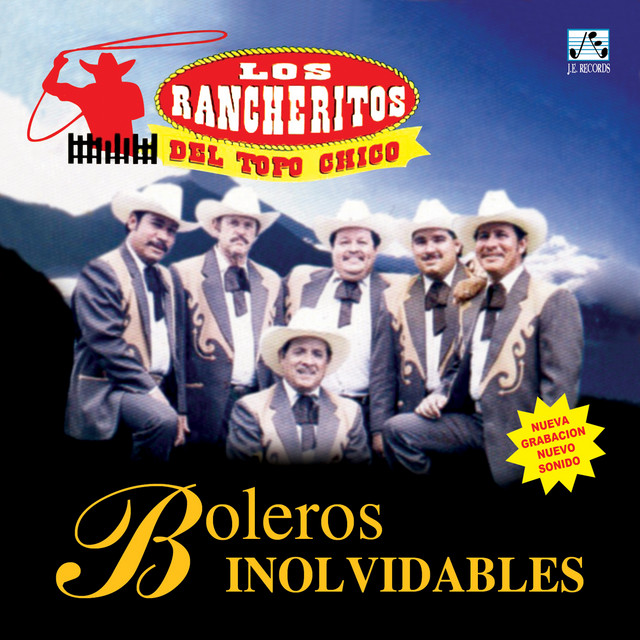
Los Rancheritos Del Topo Chico
Bolero
Cumbia Norteña Mexicana
Grupera
3
/5
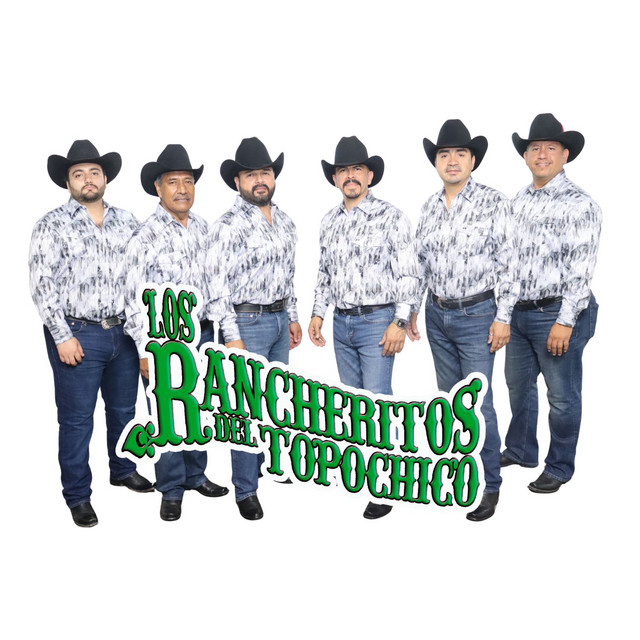
Los Rancheritos del Topo Chico
Bolero
Cumbia
Cumbia Norteña Mexicana
2
/5
Los Cadetes De Juan Y Rogelio
Cumbia Norteña Mexicana
Norteño
Polka
2
/5
El Respeto del Norte
Huapango
Cumbia Norteña Mexicana
Norteño
2
/5
Patada Y Coz
Huapango
Cumbia Norteña Mexicana
Norteño
Download our mobile app
Get the Melodigging app and start digging for new genres on the go
Download on the App Store
Get it on Google Play
© 2026 Melodigging
Give feedback
Legal
Melodding was created as a tribute to
Every Noise at Once
, which inspired us to help curious minds keep digging into music's ever-evolving genres.