Genres
Artists
Albums
Make Music
Sign in
Sign in
Artists
Bolero
Artists
Bolero
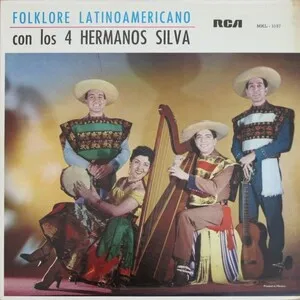
Los Cuatro Hermanos Silva
2014
·
1 album
Listen
2
/5
Genres
Latin Folk
Latin folk is a broad umbrella for singer‑songwriter and ensemble music that draws on traditional folk forms from across Latin America while presenting them in contemporary, often acoustically driven arrangements. It emphasizes storytelling, social and poetic lyricism, and the timbres of regional instruments such as the guitar, charango, quena, zampoña, cuatro, and bombo legüero. Rhythmic cells are borrowed from pan‑regional traditions (chacarera, cueca, zamba, huayno, joropo, son, and others), yet songs are commonly shaped in accessible verse‑chorus structures. While its roots are centuries old, the modern genre coalesced during the mid‑20th‑century folk revival and the Nueva Canción movements, which linked ancestral sounds with contemporary concerns such as identity, justice, and cultural memory.
Discover
Listen
Música Típica Chilena
Música típica chilena is a stylized, urban presentation of Chile’s rural folk traditions that coalesced in the early radio era. It highlights huaso (Chilean cowboy) imagery, close-harmony vocal ensembles, and dance-song forms such as the cueca and the tonada. Typical instrumentation includes nylon-string guitars, guitarrón chileno, Chilean harp, accordion (especially in southern repertoires), pandero cuequero, and light percussion. Songs frequently emphasize clear melodies, major-key harmonies (I–IV–V with occasional secondary dominants), and danceable rhythms with characteristic hemiola interplay between 6/8 and 3/4 in cueca forms. Lyrically, the repertoire celebrates rural life, love, nature, and patriotism, often using coplas and décimas. The style became a national symbol through polished stage and radio performances by huaso quartets and mixed ensembles, especially around national festivities.
Discover
Listen
Bolero
Bolero is both a Spanish dance-music form from the late 18th century and, later, a Cuban song style from the late 19th century. The Spanish bolero emerged as a moderately slow solo or partner dance in 3/4 time, shaped by Andalusian song-dance traditions. It typically features guitar accompaniment and castanets, and its sung texts often follow the seguidilla stanza pattern. In Cuba, bolero evolved into a romantic ballad—most often in 2/4 (later also felt in 4/4)—performed by singers, trios, and salon ensembles. Cuban bolero emphasizes intimate, lyrical melodies, guitar-led accompaniment (often with requinto), and gentle Afro-Caribbean rhythmic undercurrents (habanera feel, soft bongo, claves), becoming one of Latin America’s quintessential love-song forms.
Discover
Listen
Albums
2014
2
/5
Folklore latinamericano con las 4 hermanos Silva
Los Cuatro Hermanos Silva
Música Típica Chilena
Similar artists
4
/5
Natalia Lafourcade
Bolero
Latin Folk
Latin
3
/5
Los Macorinos
Bolero
Latin Folk
Trova
3
/5
Pablo Milanés
Nueva Trova
Trova
Nueva Canción
3
/5
Chavela Vargas
Nueva Canción
Ranchera
Bolero
3
/5
Paté de Fuá
Bolero
Latin Folk
Musica Quintanarroense
3
/5
Pedro Guerra
Bolero
Latin Folk
Nueva Trova
3
/5
La Santa Cecilia
Bolero
Latin Alternative
Latin Folk
3
/5
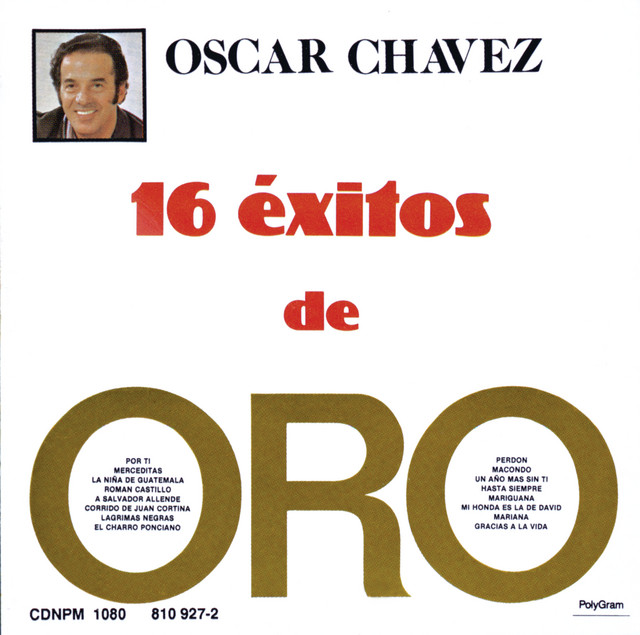
Óscar Chávez
Trova Mexicana
Nueva Trova
Trova
3
/5
Laura Itandehui
Bolero
Latin Folk
Hispanic American Folk Music
3
/5
María Cristina Plata
Bolero
Latin Folk
Nueva Trova
Download our mobile app
Get the Melodigging app and start digging for new genres on the go
Download on the App Store
Get it on Google Play
© 2026 Melodigging
Give feedback
Legal
Melodding was created as a tribute to
Every Noise at Once
, which inspired us to help curious minds keep digging into music's ever-evolving genres.