Genres
Artists
Albums
Make Music
Sign in
Sign in
Artists
Chamamé
Artists
Chamamé
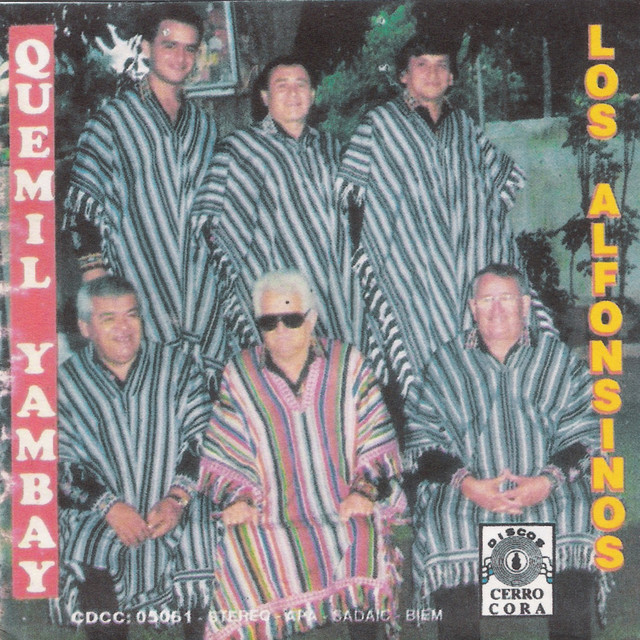
Los Alfonsinos
1995
·
1 album
Listen
2
/5
Genres
Chamamé
Chamamé is a traditional dance-music style from Argentina’s Litoral region (especially the province of Corrientes) characterized by a flowing 6/8–3/4 sesquiáltera feel, expressive accordion or bandoneón melodies, and guitars providing rhythmic and harmonic support. It is music for dancing in couples, with a swaying, gliding motion that mirrors the riverine landscapes of the Paraná and Uruguay rivers. The genre blends European social-dance influences (polka, schottische, mazurka, waltz) with Indigenous Guaraní aesthetics and language, often featuring the sapukai—a celebratory shout—within performances. Lyrically, chamamé is typically nostalgic and pastoral, evoking love, family, migration, and the natural environment, and it frequently mixes Spanish with Guaraní vocabulary.
Discover
Listen
Polka Paraguaya
Polka paraguaya is Paraguay’s distinctive take on the European polka, transformed in the Southern Cone into a vibrant dance-music idiom. Unlike the Central European 2/4 polka, the Paraguayan variant is commonly felt in 6/8 and features a hallmark sesquiáltera (hemiola) interplay between 6/8 and 3/4, producing a buoyant, forward-driving swing. The Paraguayan harp (arpa paraguaya) and guitars are core timbral signatures, with violin and sometimes accordion supplementing the ensemble. Two principal subtypes coexist: the faster instrumental galopa (dance-oriented) and the more lyrical polca canción (song form), often sung in Guaraní or in Jopará (a Spanish–Guaraní mix). Melodic lines tend to be diatonic and singable, harmony typically revolves around I–IV–V with occasional dominant preparations, and textures showcase arpeggiation, rasgueado strumming, and characteristic harp glissandi.
Discover
Listen
Polka
Polka is a lively Central European couple dance and musical style in a brisk 2/4 meter, characterized by its buoyant “oom‑pah” bass-chord accompaniment and bright, diatonic melodies. Originating in Bohemia (today’s Czech Republic) in the early 19th century, it quickly became a pan-European craze before taking root across immigrant communities in the Americas. Ensembles typically feature accordion or button box/concertina, clarinet or saxophone, trumpets/trombone, tuba or string bass, and drum kit, with regional variants highlighting different lead voices and rhythmic feels. While the classical ballroom tradition codified polka into formal strains (often AABB with a contrasting trio), folk and popular styles favor singable tunes, simple I–IV–V harmonies, and tempos commonly around 115–135 BPM, inviting upbeat social dancing and communal celebration.
Discover
Listen
Albums
1995
2
/5
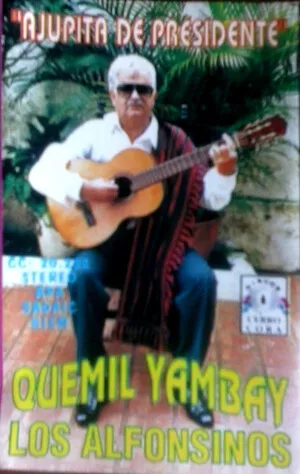
Ajupita de Presidente
Quemil Yambay Los Alfonsinos
Polka Paraguaya
Similar artists
2
/5
Quemil Yambay y su conjunto Los Alfonsinos
Chamamé
Polka
Traditional Music
1
/5
Félix Pérez Cardozo
Chamamé
Folklore Argentino
Polka
1
/5
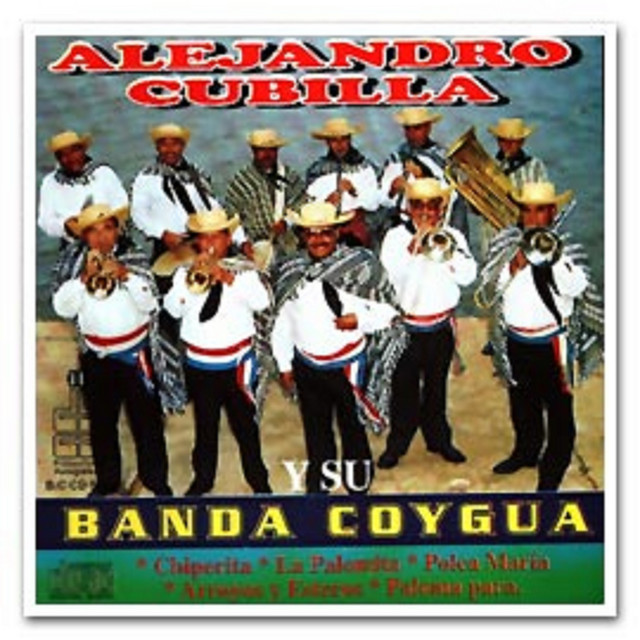
Alejandro Cubilla y su Banda Koygua
Chamamé
Polka
Traditional Music
3
/5
Derlis Gerardo y La Misma
Chamamé
Polka
3
/5
Chango Spasiuk
Chamamé
Folklore Argentino
Polka
3
/5
Tierra Adentro
Chamamé
Polka
3
/5
Odilio Román Y Los Románticos
Chamamé
Polka
3
/5
Los Autenticos Nativos Carapegueños
Chamamé
Polka
3
/5
Los Elegidos
Chamamé
Polka
3
/5
Agrupación San Salvador
Chamamé
Polka
Download our mobile app
Get the Melodigging app and start digging for new genres on the go
Download on the App Store
Get it on Google Play
© 2026 Melodigging
Give feedback
Legal
Melodding was created as a tribute to
Every Noise at Once
, which inspired us to help curious minds keep digging into music's ever-evolving genres.