Genres
Artists
Albums
Make Music
Sign in
Sign in
Artists
Breakbeat
Artists
Breakbeat
Liquid
1995
·
1 album
Listen
2
/5
Genres
Hypertrance
Hypertrance is an internet-native fusion of modern trance and the maximalist, ultra-glossy aesthetics of the hyperpop ecosystem. It emphasizes euphoric supersaw leads, soaring pads, huge risers, and hard side‑chained kick–bass grooves, while borrowing hyperpop’s pitch‑shifted vocals, clipped loudness, and playful, self‑aware sound design. Typical tempos sit around 140–160 BPM with a 4/4 pulse, bright major‑key hooks, and breakdowns that explode into short, high‑impact drops. Producers frequently combine trance signifiers (gated pads, anthemic builds, arpeggios, 303/acid flourishes) with internet-era techniques (OTT compression, aggressive clipping, formant play, nightcore‑style vocal edits). The result feels at once nostalgic and futuristic: a rave ecstasy updated for the post‑SoundCloud, post‑PC Music generation.
Discover
Listen
Gaming Edm
Gaming EDM is a bright, hook‑driven branch of electronic dance music tailored for online gaming, streaming, and creator culture. It blends festival‑ready drops and sidechained supersaws with melodic, video‑game–friendly timbres (arpeggiated leads, chip/8‑bit flourishes) and clean royalty-friendly production that sits well under voice chat or commentary. The songs are typically concise, high‑energy, and instantly catchy, engineered to loop well on streams and to sync to highlight reels and esports content.
Discover
Listen
Modern Jungle
Modern jungle is a contemporary revival and development of early‑to‑mid 1990s jungle that combines classic breakbeat science with today’s production standards. Producers retain the genre’s signature rapid‑fire chopped breaks (most famously the Amen, Think, and Apache breaks), sub‑heavy basslines, and dubwise sample culture, but render them with cleaner low‑end, wider stereo imaging, and precise digital edits. Typically running between 160–170 BPM, modern jungle balances nostalgia for pirate‑radio energy and rave euphoria with forward‑looking ideas. It freely borrows from footwork and juke’s 160 BPM momentum, folds in dub and dancehall vocal snippets, and often pairs rugged drums with dreamy pads or ambient textures. The result is music that can feel both vintage and futuristic—raw, rolling, and eminently dance‑focused, yet detailed enough for close headphone listening.
Discover
Listen
Powerstomp
Powerstomp is a high-energy offshoot of UK Hardcore that emphasizes a heavy, stomping 4/4 kick, euphoric melodies, and festival-sized drops. It typically runs around 165–175 BPM, replacing the rolling breakbeats of older happy hardcore with hardstyle/gabber-weighted kicks, reverse-bass grooves, and bouncy offbeat basslines. Bright supersaw leads, hands-in-the-air breakdowns, chopped vocals, and simple, chantable riffs make it highly dancefloor-focused and immediately impactful.
Discover
Listen
Uk Jackin
UK jackin is a bass-forward strain of house and UK garage that emerged in the UK during the early 2010s. It blends the swing and shuffle of garage with the chunky, percussive drive of house, emphasizing rubbery low‑end riffs, organ stabs, and chopped R&B or soul vocals. Compared with classic Chicago jackin’ house, the UK variant is darker and punchier, drawing heavily from bassline and UK bass aesthetics. Tracks typically sit around 124–130 BPM, use swung drums and syncopated bass patterns, and are arranged with DJ‑friendly intros, tension‑building breakdowns, and emphatic drops.
Discover
Listen
Hardcore Breaks
Hardcore breaks is a revivalist breakbeat style that recreates and updates the sound of early 1990s UK rave and breakbeat hardcore using modern production. It centers on fast chopped breakbeats, booming sub‑bass, rave stabs, pianos, and euphoric vocal snippets. Typically running around 150–165 BPM, hardcore breaks emphasizes the raw energy and sample-driven collage of the original oldskool era while benefiting from contemporary sound design and mixing techniques. Expect Amen/Think/Apache breaks, Hoover and Reese bass timbres, pitch‑shifted vocals, and hands‑in‑the‑air breakdowns designed for dancefloors. While closely related to breakbeat hardcore and jungle, hardcore breaks is characterized by a deliberate “back‑to‑’91–’93” aesthetic—keeping the rave spirit (pianos and stabs) prominent, with edits and fills that nod to both early hardcore and later jungle innovation.
Discover
Listen
Euro House
Euro house is a commercially oriented branch of house music that crystallized in continental Europe in the early 1990s. It blends the four-on-the-floor rhythms and club structure of house with the glossy melodies, big hooks, and pop accessibility of European chart music. Characterized by bright piano/organ stabs (often from the Korg M1), prominent diva-style vocals or chant-like hooks, punchy 909/808 drum programming, and uplifting chord progressions, euro house aimed squarely at radio and mainstream dancefloors. It often overlaps with early Eurodance, but tends to keep closer to straight house grooves and fewer rap verses. The style was driven largely by Italian, German, Belgian, and British producers and labels, delivering high-energy tracks that translated equally well to clubs, TV music shows, and pan-European charts.
Discover
Listen
Trance
Trance is a form of electronic dance music characterized by steady four-on-the-floor beats, long build‑ups and breakdowns, and euphoric, melodic progressions designed to induce a hypnotic or “trance‑like” state. Typical tempos range from about 130 to 142 BPM, with arrangements often stretching 7–10 minutes to allow DJs room for tension, release, and seamless mixing. The sound palette emphasizes shimmering pads, arpeggiated synth motifs, supersaw leads, and wide, reverberant spaces. Harmonically, trance tends to favor minor keys, modal mixture, and extended suspense before cathartic drops. Production hallmarks include sidechain compression (“pumping”), off‑beat open hi‑hats, rolling basslines, and lush delay/reverb tails. While largely instrumental, a major branch—vocal trance—features lyrical toplines and pop‑leaning structures without losing its club‑centric dynamics.
Discover
Listen
Acid House
Acid house is a subgenre of house music defined by the squelching, modulated basslines of the Roland TB-303 bass synthesizer-sequencer, typically set against a steady 4/4 drum pattern. It emerged in the mid-1980s club culture of Chicago, with formative 303 experiments credited to artists like Phuture and Sleezy D around 1986, and parallel early-1980s experiments occasionally cited in Mumbai’s nascent electronic scene. The style emphasizes hypnotic repetition, filter resonance, accent/slide programming, and minimalist arrangements that build intensity through real-time knob-tweaking rather than harmonic complexity.
Discover
Listen
Rave
Rave is a high-energy electronic dance music style and party culture that crystallized in the late 1980s in the United Kingdom, growing out of acid house nights and warehouse parties. Musically, it emphasizes relentless dance-floor momentum, big breakdowns and drops, bright "rave stabs" and hoover leads, chopped breakbeats or four-on-the-floor kicks, and euphoric vocal samples. While the word "rave" refers to the broader culture of all-night events, the genre tag often points to the early 1990s UK sound sometimes called hardcore rave or breakbeat hardcore: uptempo BPMs, Amen/Think breaks, 808/909 drums, M1 piano riffs, diva hooks, sirens, and airhorns. The mood ranges from ecstatic and communal to dark and intense, with DJ-friendly structures designed for long blends and peak-time rushes.
Discover
Listen
Breakbeat
Breakbeat is a broad branch of electronic music defined by its use of broken, syncopated drum patterns ("breakbeats") rather than straight four-on-the-floor rhythms. Producers typically build tracks from looped and chopped drum breaks—often sampled from vintage funk, jazz, and R&B recordings—layered with basslines, synths, and effects. As both a production technique and a stylistic umbrella, breakbeat underpins and intersects with many scenes: from old‑school hip‑hop turntablism and electro to the UK rave continuum (breakbeat hardcore, big beat, Florida breaks) and onward to garage-derived styles. While not synonymous with jungle and drum & bass, the same culture of sampling and chopping classic breaks (e.g., the Amen break) helped inform those genres as well.
Discover
Listen
Electronic
Electronic is a broad umbrella genre defined by the primary use of electronically generated or electronically processed sound. It encompasses music made with synthesizers, drum machines, samplers, computers, and studio/tape techniques, as well as electroacoustic manipulation of recorded or synthetic sources. The genre ranges from academic and experimental traditions to popular and dance-oriented forms. While its sonic palette is rooted in electricity and circuitry, its aesthetics span minimal and textural explorations, structured song forms, and beat-driven club permutations. Electronic emphasizes sound design, timbre, and studio-as-instrument practices as much as melody and harmony.
Discover
Listen
Show all 12 genres
Albums
1995
2
/5
Culture
Liquid
Euro House
Breakbeat
Electronic
Similar artists
1
/5
Various Artists
Afro-Funk
Alternative Rock
Ambient
2
/5
bye2
Breakbeat
Jungle
Breakcore
4
/5
The Prodigy
Big Beat
Breakbeat
Rave
2
/5
Golden Boy
Breakcore
Breakbeat
Breakbeat Hardcore
2
/5
EVABOY
Breakbeat
Breakbeat Hardcore
Hardcore Breaks
2
/5
NANORAY
Hardcore Breaks
Breakbeat Hardcore
Electronic
2
/5
SL2
Hardcore Breaks
Acid House
Breakbeat
2
/5
Awesome 3
Bleep Techno
Acid House
Breakbeat
2
/5
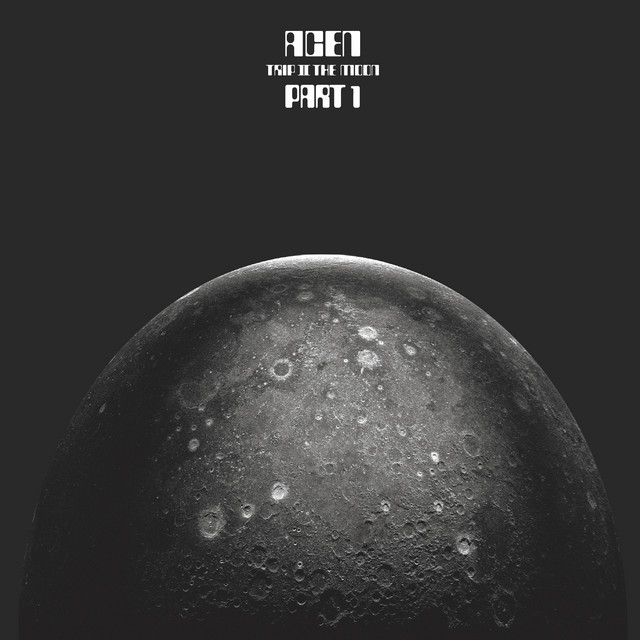
Acen
Hardcore Breaks
Acid House
Breakbeat
1
/5
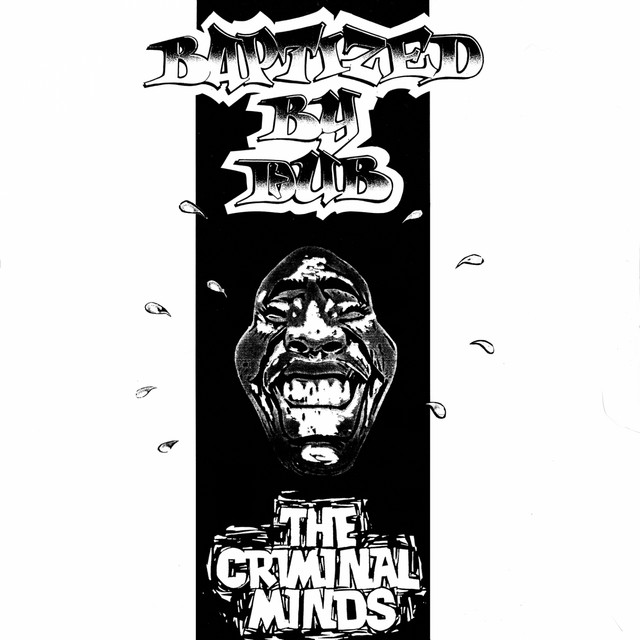
The Criminal Minds
Hardcore Breaks
Acid House
Breakbeat
Download our mobile app
Get the Melodigging app and start digging for new genres on the go
Download on the App Store
Get it on Google Play
© 2026 Melodigging
Give feedback
Legal
Melodding was created as a tribute to
Every Noise at Once
, which inspired us to help curious minds keep digging into music's ever-evolving genres.