Genres
Artists
Albums
Make Music
Sign in
Sign in
Artists
Rumba Cubana
Artists
Rumba Cubana
Lecuona Cuban Boys
2020–2023
·
3 albums
Listen
1
/5
Genres
Exotica
Exotica is a mid‑century style of mood music that blends jazz harmony, easy‑listening orchestration, and a collage of global percussion and timbral signifiers meant to evoke imaginary tropical, Polynesian, Asian, African, and Latin locales. Characterized by vibraphone and marimba leads, lush strings, woodwinds, wordless vocals, bird calls, gongs, and abundant reverberation, it creates a cinematic “armchair travel” experience. Rather than documenting specific traditions, exotica assembles stylized sound cues—Afro‑Cuban grooves, Polynesian drum patterns, pentatonic and whole‑tone colors—into atmospheric mini‑dramas. The genre flourished alongside postwar tiki culture and hi‑fi/stereo demonstrations, prioritizing vivid spatial staging and evocative orchestration over virtuoso soloing.
Discover
Listen
Rhumba
Rhumba (spelled with an “h”) is the Americanized, ballroom- and big-band-friendly adaptation of Cuban rumba and related Afro‑Cuban dance music. Emerging in the United States during the Latin dance craze of the 1930s, it translated the clave-based grooves and romantic lyricism of Cuban music into a smoother, slower, and more arranged popular dance style suited to hotel ballrooms, Hollywood, and radio. Compared with traditional Cuban rumba and son, American rhumba emphasizes clear phrase structure, a moderate tempo, and lush arrangements featuring strings, horns, and rhythm sections enhanced by Latin percussion. The result is a sensuous, elegant dance music that foregrounds romance and a steady, dancer-friendly pulse.
Discover
Listen
Son Cubano
Son cubano is a foundational Cuban genre that fuses Spanish-derived song forms and harmony with Afro-Cuban rhythms and percussion. Born in eastern Cuba (Oriente) and crystallized in Havana in the 1910s–1920s, it became the backbone of much of 20th‑century Latin popular music. Typical ensembles began as sextetos (tres, guitar, bongó, maracas, claves, and bass or marímbula) and later evolved into septetos with trumpet. Conjunto formats in the 1940s added piano, congas, and multiple horns. The music rides a son clave (in 3‑2 or 2‑3 orientation), features interlocking tres guajeos, a walking/tumbao bass that anticipates the downbeat, and call‑and‑response vocals in the montuno section. Harmonically it is rooted in I–IV–V with bluesy dominant sevenths and occasional secondary dominants. Lyrically it balances romance, everyday life, and streetwise wit, always aimed at dancing and social gathering.
Discover
Listen
Rumba Cubana
Rumba cubana is an Afro‑Cuban secular music and dance tradition born in the working‑class solares and dockyards of Havana and Matanzas in the late 19th century. It is percussion‑driven, sung in call‑and‑response, and danced in a highly interactive way. The genre revolves around the rumba clave (in 3‑2 or 2‑3 orientation), interlocking conga (tumbadora) parts, wooden sticks (palitos) on the drum shell, and often cajones (wooden boxes) and chekeré. Its main substyles are yambú (slow and graceful), guaguancó (medium tempo, playful “vacunao” courtship gesture), and columbia (fast, often in 12/8, originally a solo male competitive dance). Rumba cubana is distinct from the ballroom “rhumba.” It is a community practice that blends Central/West African rhythmic logics with Spanish song poetry, improvisation, and dance theater.
Discover
Listen
Rumba
Rumba is an Afro‑Cuban, percussion‑driven song‑and‑dance genre that arose in the port neighborhoods and solares of Havana and Matanzas. It features complex interlocking rhythms played on congas (tumbadora, segundo, quinto), claves, and palitos, with the quinto drum improvising over cyclical patterns. The music is built around the rumba clave (in 3‑2 or 2‑3 orientation), call‑and‑response vocals, and a lead singer who declaims verses followed by catchy coros. Three principal styles exist: yambú (slow, playful), guaguancó (medium, flirtatious, with the iconic "vacunao" gesture in the dance), and columbia (fast, virtuosic, traditionally for solo male dancers). Historically performed with cajones (wooden boxes) when drums were restricted, rumba is a secular, community practice whose poetry, dance, and rhythm encode Afro‑Cuban history and identity. It is distinct from ballroom "rhumba" and from Congolese rumba, both of which were influenced by Cuban music rather than being the same style.
Discover
Listen
Albums
2023
1
/5
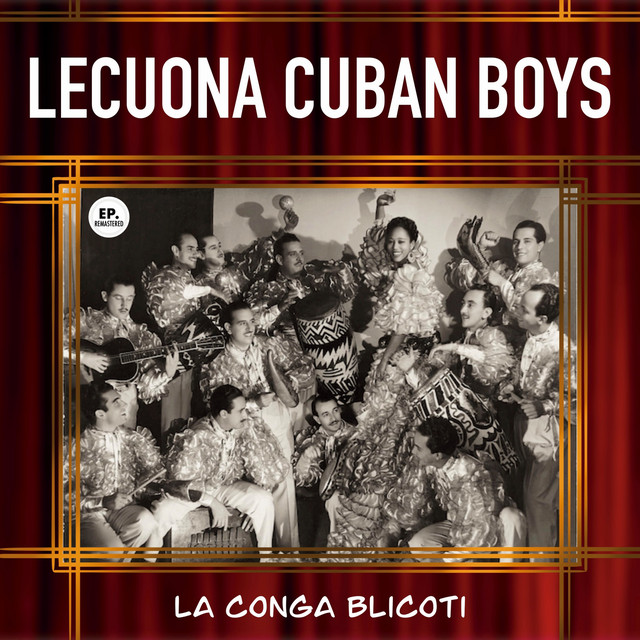
La conga Blicoti (Remastered)
Lecuona Cuban Boys
Rumba Cubana
2020
1
/5
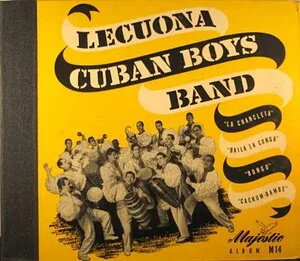
Lecuona Cuban Boys Band
Lecuona Cuban Boys
Rhumba
Rumba
2020
1
/5
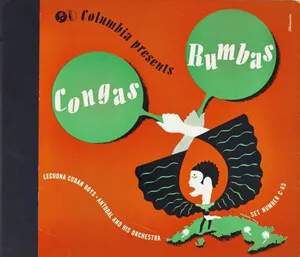
Congas and Rumbas
Lecuona Cuban Boys / Orquesta Antobal
Rhumba
Rumba
Similar artists
2
/5
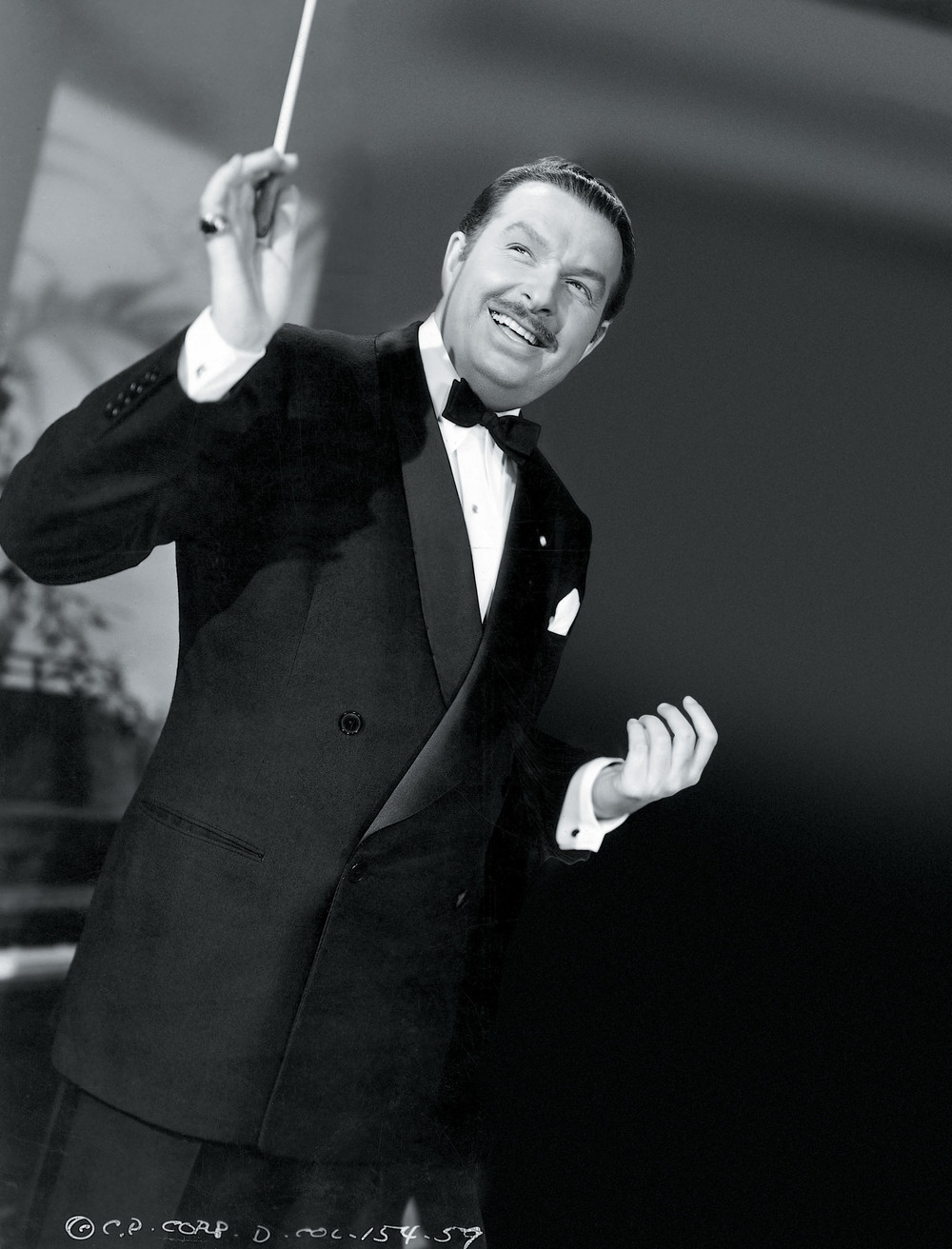
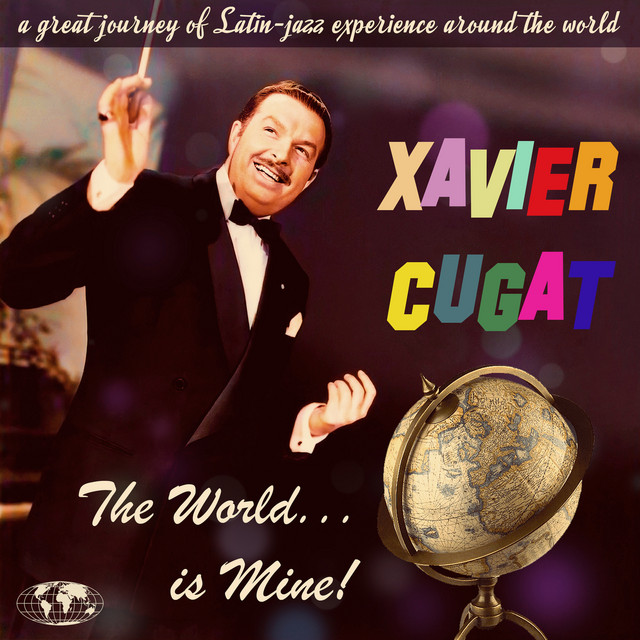
Xavier Cugat
Rumba Cubana
Rhumba
Rumba
2
/5
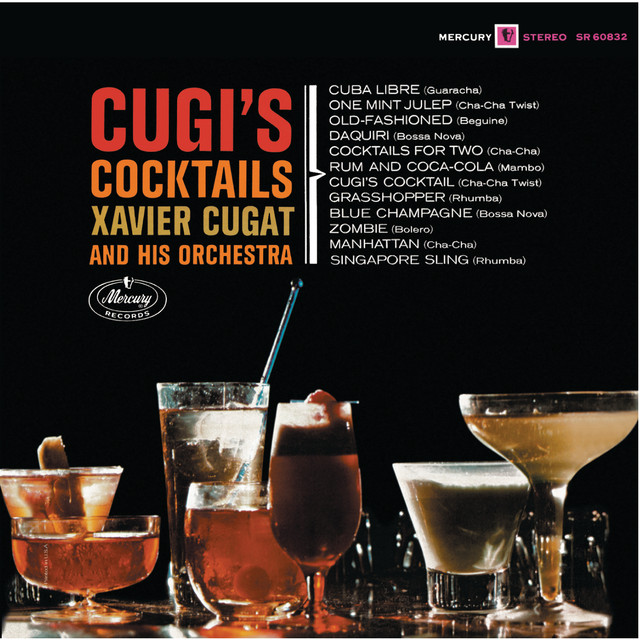
Xavier Cugat & His Orchestra
Mambo
Rhumba
Rumba
2
/5
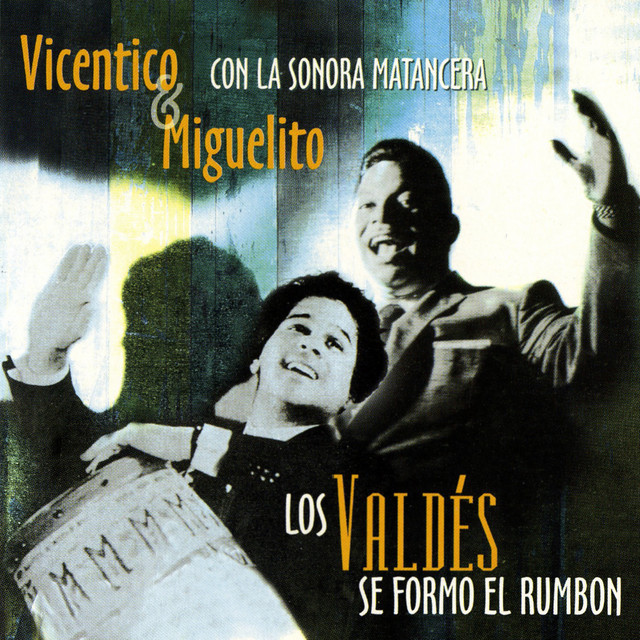
Miguelito Valdés
Bolero
Guaracha
Latin Jazz
1
/5
Various Artists
Afro-Funk
Alternative Rock
Ambient
2
/5
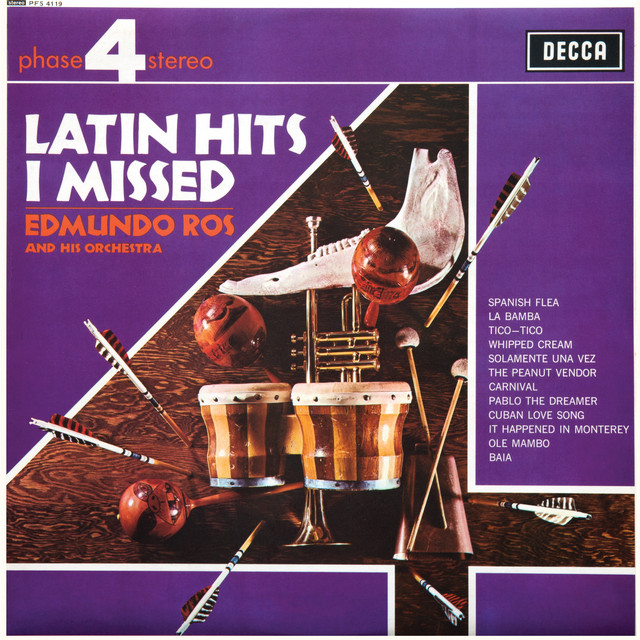
Edmundo Ros & His Orchestra
Chachachá
Exotica
Rhumba
2
/5
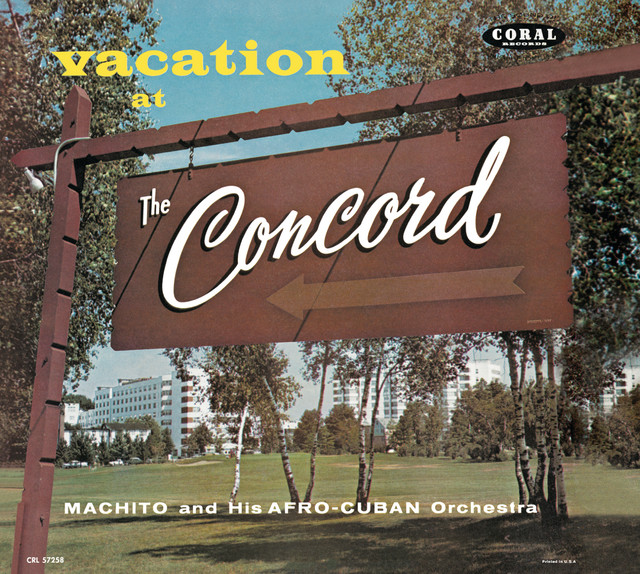
Machito Orchestra
Bebop
Chachachá
Latin Jazz
1
/5
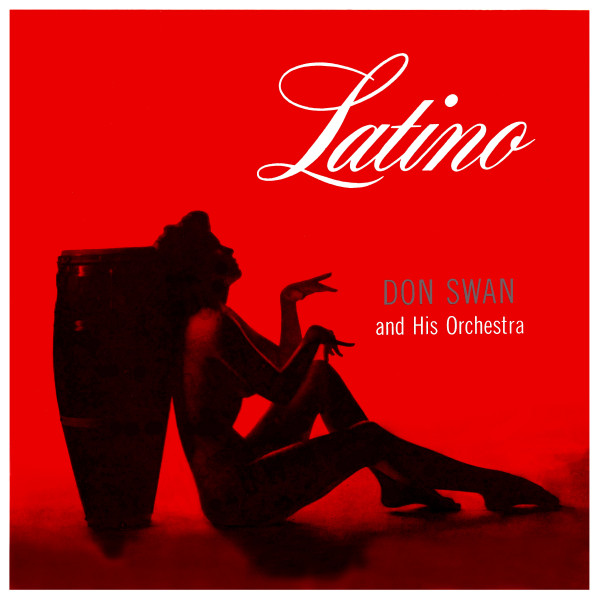
Don Swan
Chachachá
Exotica
Latin Jazz
1
/5
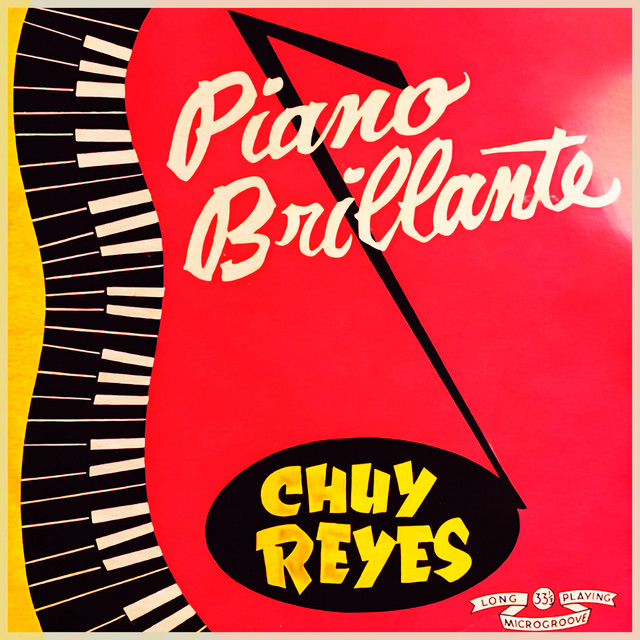
Chuy Reyes
Exotica
Rhumba
Rumba
1
/5
Xavier Cugat and His Orchestra
Exotica
Chachachá
Mambo
3
/5
Los Van Van
Timba
Rumba Cubana
Songo
Download our mobile app
Get the Melodigging app and start digging for new genres on the go
Download on the App Store
Get it on Google Play
© 2026 Melodigging
Give feedback
Legal
Melodding was created as a tribute to
Every Noise at Once
, which inspired us to help curious minds keep digging into music's ever-evolving genres.