Genres
Artists
Albums
Make Music
Sign in
Sign in
Artists
Baroque
Artists
Baroque
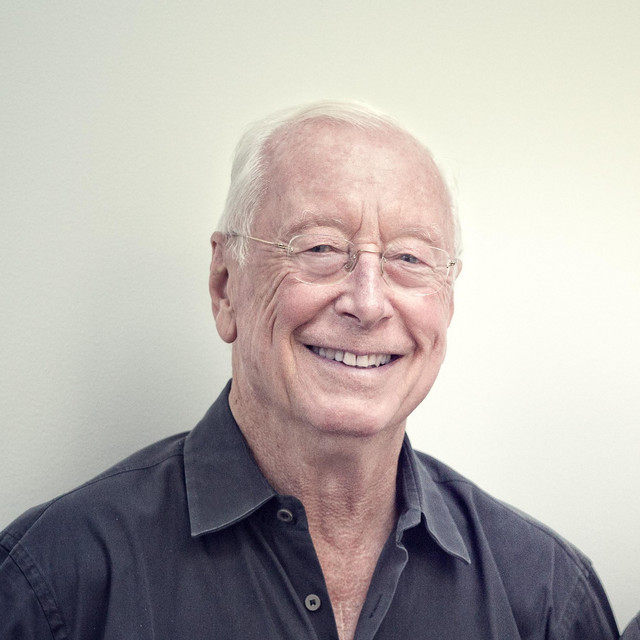
Laurence Cummings
2014–2020
·
2 albums
Listen
2
/5
Genres
Early Music
Early music is a modern performance movement devoted to the repertoire of the Medieval, Renaissance, and early Baroque eras (roughly before c. 1750), approached with historically informed performance (HIP) practices. It emphasizes period instruments (or faithful replicas), historical tunings and temperaments, original notations and sources, and performance conventions documented in treatises of the time. The sound world ranges from monophonic chant and modal organum, to intricate Renaissance polyphony, to the emergence of basso continuo and dramatic affect in the early Baroque. Rather than being a single historical style, early music is a contemporary practice of reviving diverse pre‑Classical musics with scholarly rigor and artistic vitality.
Discover
Listen
Classical Countertenor
The classical countertenor is a male singing voice that utilizes a developed falsetto or head voice technique to sing in the alto, mezzo-soprano, or soprano range, typically spanning from G3 to E5 or F5. Historically associated with the 'contratenor altus' line in early polyphony and later the English cathedral tradition, the modern genre emerged as a solo art form in the mid-20th century. It is characterized by a pure, often vibrato-less, and ethereal tone that distinguishes it from female voices in the same range. While the repertoire is heavily rooted in the Baroque era (originally written for castrati), the genre has expanded to include Renaissance lute songs, contemporary classical compositions, and art songs.
Discover
Listen
Baroque
Baroque is a period and style of Western art music spanning roughly 1600–1750. It is characterized by the birth of functional tonality, the widespread use of basso continuo (figured bass), and a love of contrast—between soloist and ensemble, loud and soft, and different timbres. Hallmark genres and forms of the era include opera, cantata, oratorio, concerto (especially the concerto grosso), dance suite, sonata, and fugue. Textures range from expressive monody to intricate counterpoint, and melodies are richly ornamented with trills, mordents, and appoggiaturas. Baroque music flourished in churches, courts, and theaters across Europe, with regional styles (Italian, French, German, English) shaping distinctive approaches to rhythm, dance, harmony, and ornamentation.
Discover
Listen
Baroque Singing
Baroque singing is the vocal practice of the Baroque era (c. 1600–1750), centered on expressive text delivery, rhetorical phrasing, and codified ornamentation. It grew from the shift toward solo song with continuo (monody) and the burgeoning of opera, cantata, and oratorio. Stylistically, it balances two complementary worlds: declamatory recitative (to advance text and drama) and highly ornate aria (to display beauty and virtuosity). Singers employ trills, appoggiaturas, mordents, properly prepared cadential trills, messa di voce, passaggi (rapid runs), and extempore diminutions—always guided by the words’ meaning and Baroque “affects.” Performance practice emphasizes clear diction, flexible but discreet vibrato (often a predominantly straight tone with vibrato as ornament), historically-informed tempi and articulation, and continuo-led textures (harpsichord, theorbo, organ, cello/violone). Pitch and temperament are often historical (e.g., A≈415). Treatises by Caccini, Tosi, and Mancini remain core references for technique, style, and ornamentation.
Discover
Listen
Opera
Opera is a large-scale theatrical genre that combines music, drama, and visual spectacle, in which the story is primarily conveyed through singing accompanied by an orchestra. It unites solo voices, ensembles, and chorus with staging, costumes, and often dance to create a total artwork. Emerging in late Renaissance Italy and flourishing in the Baroque era, opera developed signature forms such as recitative (speech-like singing that advances the plot) and aria (lyrical numbers that explore character and emotion). Over the centuries it evolved diverse national styles—Italian bel canto, French grand opéra, German music drama—while continually experimenting with orchestration, harmony, narrative structure, and stagecraft.
Discover
Listen
Harpsichord
Harpsichord refers to a repertoire and performance tradition centered on the plucked‑string keyboard instruments of the Renaissance and Baroque eras. Its sound is produced by quills (or plectra) that pluck the strings, giving a clear attack, rapid decay, and a bright, silvery timbre distinct from the later piano. As a genre tag it encompasses solo keyboard works (suites, ordres, toccatas, preludes and fugues, character pieces), concertos, chamber sonatas with continuo, and continuo playing in vocal and instrumental music. Stylistically it spans Italian brilliance, English virginalist craft, French elegance with agréments and notes inégales, German contrapuntal rigor, and Iberian color and rhythm. Modern harpsichord performance is closely tied to historically informed practice: period instruments or replicas, historical temperaments, A=415 (or period-appropriate) pitch, and articulation and ornamentation derived from primary sources.
Discover
Listen
Renaissance
Renaissance music (c. 1400–1600) marks the shift from medieval sonorities to a clearer, triad-based polyphony in which multiple independent voices are treated with near-equal importance. It favors modal counterpoint, pervasive imitation, smooth voice-leading, and carefully prepared cadences. Text intelligibility and expressive text-setting become central concerns, especially in sacred motets and masses and in secular forms like the Italian madrigal and the French chanson. While much of the repertory is a cappella, instrumental consorts (viol, recorder, sackbut, cornett, organ) play a growing role. A steady tactus underpins rhythms, and tuning systems such as meantone temperament shape its characteristic color. Music printing (from 1501) accelerates stylistic diffusion across Europe.
Discover
Listen
Classical
Classical music is the notated art-music tradition of Europe and its global descendants, characterized by durable forms, carefully codified harmony and counterpoint, and a literate score-based practice. The term “classical” can refer broadly to the entire Western art-music lineage from the Medieval era to today, not just the Classical period (c. 1750s–1820s). It privileges long-form structures (such as symphonies, sonatas, concertos, masses, and operas), functional or modal harmony, thematic development, and timbral nuance across ensembles ranging from solo instruments to full orchestras and choirs. Across centuries, the style evolved from chant and modal polyphony to tonal harmony, and later to post-tonal idioms, while maintaining a shared emphasis on written notation, performance practice, and craft.
Discover
Listen
Choral
Choral refers to music written for and performed by a choir—an ensemble of voices organized into sections such as soprano, alto, tenor, and bass (SATB), or same-voice groupings (SSA, TTBB). It encompasses both sacred and secular repertoire and may be sung a cappella or with accompaniment by organ, piano, or full orchestra. Stylistically, choral music ranges from chant-like monophony to intricate polyphony and rich homophonic textures. Texts are drawn from liturgy, scripture, poetry, and vernacular sources, and are set in many languages. Performance contexts include church services, concert halls, and community events, making choral one of the most socially embedded and widely practiced forms of ensemble music. Across history, choral music has served as a laboratory for vocal counterpoint, word painting, and text-driven form, while functioning as a cultural bridge among religious rites, national traditions, and contemporary concert practice.
Discover
Listen
Show all 9 genres
Albums
2020
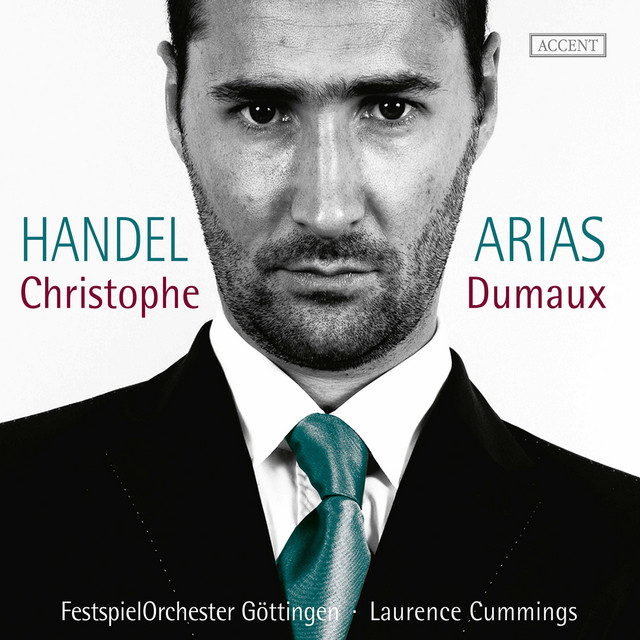
Arias
George Frideric Handel, Christophe Dumaux, Festspielorchester Göttingen, Lauren…
Classical Countertenor
2014
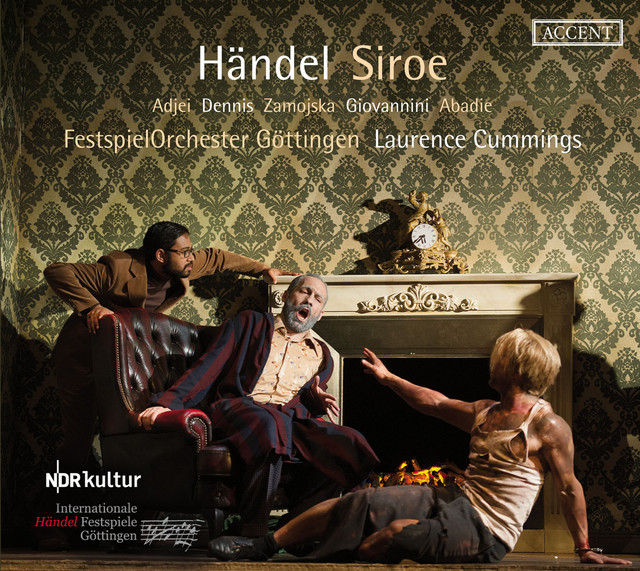
Handel: Siroe, HWV 24
George Frideric Handel, Laurence Cummings
Baroque Singing
Similar artists
3
/5
William Christie
Classical
Opera
Baroque
3
/5
Andreas Scholl
Baroque
Classical
Cantata
3
/5
Raphael Pichon
Baroque
Classical
Choral
2
/5
Concerto Italiano
Baroque
Classical
Opera
2
/5
Emma Kirkby
Choral
Classical
Baroque
2
/5
Herve Niquet
Tragédie En Musique
Baroque
Classical
2
/5
Ensemble Pygmalion
Baroque
Classical
Choral
2
/5
Le Concert Spirituel
Baroque
Classical
Opera
2
/5
Orfeo Orchestra
Baroque
Opera
Baroque Singing
2
/5
James Bowman
Baroque
Choral
Classical
Download our mobile app
Get the Melodigging app and start digging for new genres on the go
Download on the App Store
Get it on Google Play
© 2026 Melodigging
Give feedback
Legal
Melodding was created as a tribute to
Every Noise at Once
, which inspired us to help curious minds keep digging into music's ever-evolving genres.