Genres
Artists
Albums
Make Music
Sign in
Sign in
Artists
Kote Kei
Artists
Kote Kei
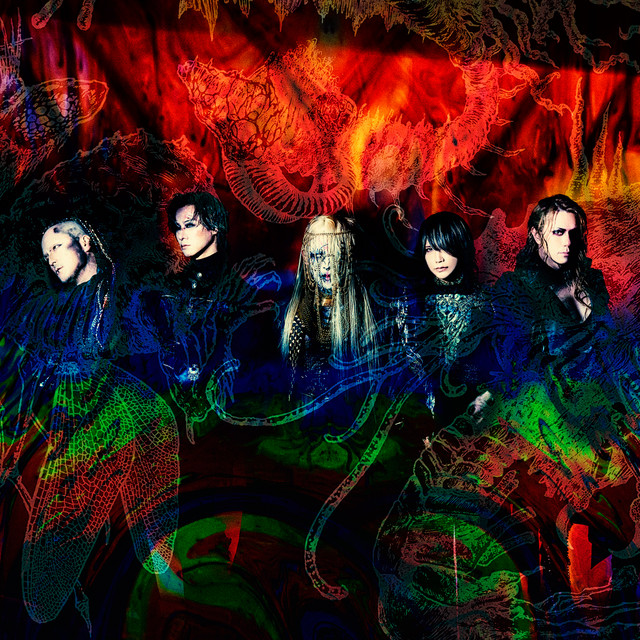
La'veil Mizeria
2017
·
2 albums
Listen
1
/5
Genres
Kote Kei
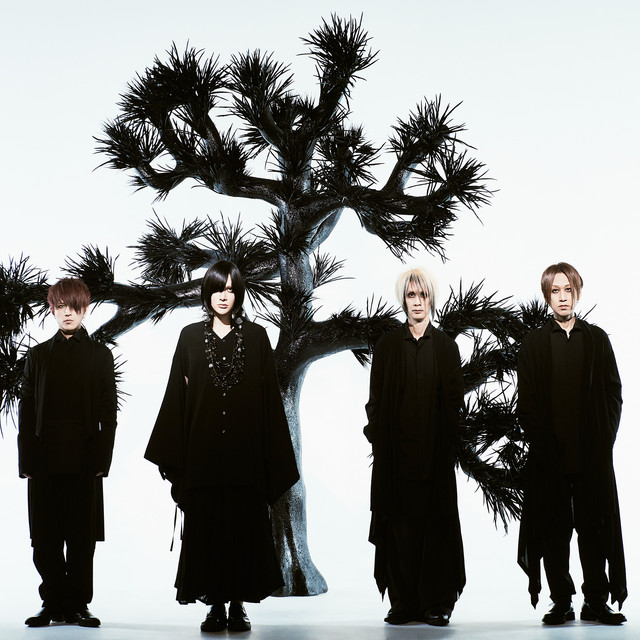
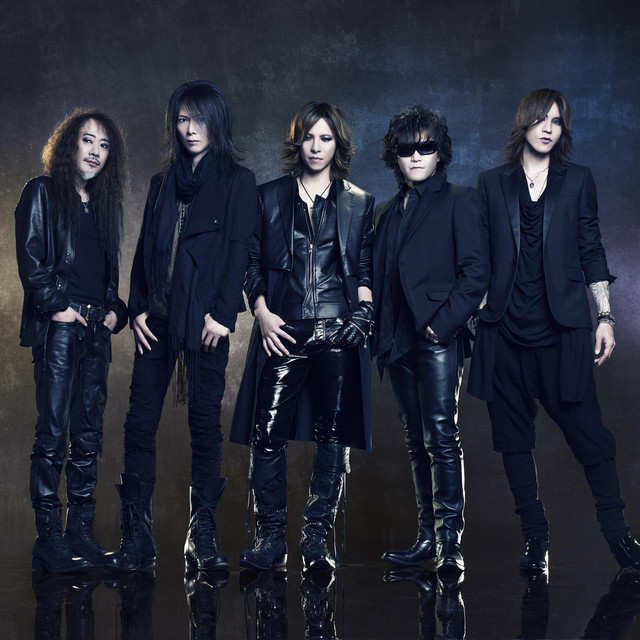
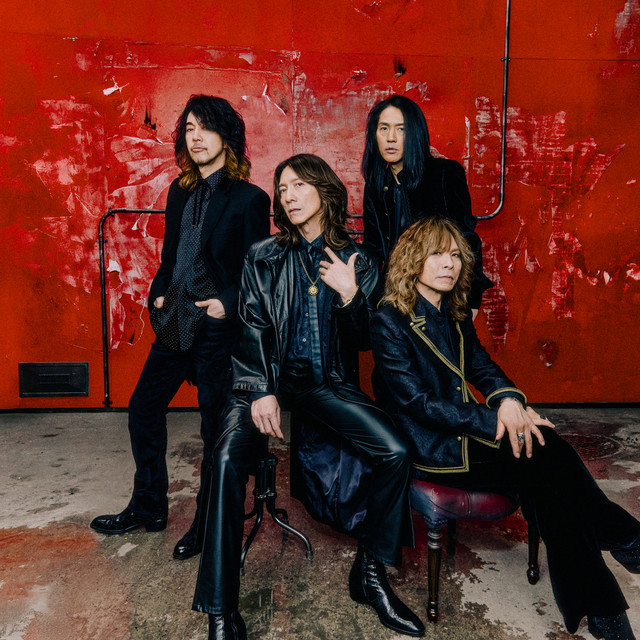
Kote kei is a dark, "classic" strain of Japanese visual kei that crystalized in the mid‑1990s. It emphasizes goth‑inspired, androgynous, and over‑the‑top attire meant to evoke otherworldliness—towering hair, elaborate makeup, corsetry, leather, lace, and Victorian or baroque silhouettes—paired with aggressive, dramatic rock and metal instrumentation. Musically it blends heavy guitar riffing, double‑kick drumming, and theatrical dynamics with tense minor‑key harmony, chromatic flourishes, and occasional industrial textures. Vocals range from whispery and effeminate to harsh screams, delivering decadent, shocking, or macabre lyrics. The visual concept, stagecraft, and lyrical decadence are inseparable from the sound, creating a total art style that feels dark, epic, and confrontational.
Discover
Listen
Visual Kei
Visual kei is a Japanese rock/metal-centered movement defined as much by its theatrical, gender-fluid visual presentation as by its sound. Bands employ elaborate makeup, dramatic hairstyles, flamboyant or gothic costumes, and stylized stagecraft to create a total art experience that fuses music and spectacle. Musically, visual kei spans hard rock, heavy/speed metal, punk/post-punk, new wave, and gothic influences, often blending melodic hooks with virtuosic guitar work, dynamic arrangements, and emotionally charged vocals. Lyrical themes commonly explore romance, decadence, existential angst, fantasy, and nostalgic longing, while arrangements may incorporate strings, synths, or piano for cinematic effect. Substyles like kote kei (early, heavier), Nagoya kei (darker, post-punk/goth-leaning), and later softer or pop-inflected variants illustrate its breadth and evolution.
Discover
Listen
Gothic
Gothic (often shortened to goth in a musical context) is a dark, atmospheric strain of post‑punk that emphasizes minor-key harmonies, bass-led grooves, and a brooding, romantic sensibility. It blends the stark urgency of punk with art-rock textural experimentation, icy new-wave synths, and lyrical themes drawn from gothic literature, existentialism, and melancholic introspection. Signature traits include chorus- and reverb-drenched guitars, prominent melodic basslines, steady drum-machine patterns, baritone or ethereal vocals, and a production aesthetic that favors space, echo, and nocturnal ambience. While closely associated with the UK goth subculture, the style quickly spread internationally, influencing parallel scenes such as dark wave, deathrock, and later gothic metal.
Discover
Listen
J-Rock
J-rock (Japanese rock) is the umbrella term for rock music created in Japan, spanning everything from classic rock, punk, and metal to alternative, indie, and progressive strains. It blends Western rock instrumentation and songcraft with Japanese melodic sensibilities, crisp production, and lyrics primarily in Japanese (often mixed with some English phrases). Typical features include hook-forward choruses, expressive guitar leads, tight rhythm sections, and dynamic arrangements that can pivot from delicate verses to big, anthemic refrains. Because of Japan’s media ecosystem, J-rock frequently intersects with anime, TV dramas, and video games, which helps bands reach mainstream audiences while retaining a band-centric, live-performance identity. Although stylistically diverse, J-rock commonly emphasizes memorable melodies, emotional catharsis, and precise musicianship, with influences ranging from British Invasion and classic rock to punk/new wave, progressive rock, and heavy metal.
Discover
Listen
Rock
Rock is a broad family of popular music centered on amplified instruments, a strong backbeat, and song forms that foreground riffs, choruses, and anthemic hooks. Emerging from mid‑20th‑century American styles like rhythm & blues, country, and gospel-inflected rock and roll, rock quickly expanded in scope—absorbing folk, blues, and psychedelic ideas—while shaping global youth culture. Core sonic markers include electric guitar (often overdriven), electric bass, drum kit emphasizing beats 2 and 4, and emotive lead vocals. Rock songs commonly use verse–chorus structures, blues-derived harmony, and memorable melodic motifs, ranging from intimate ballads to high‑energy, stadium‑sized performances.
Discover
Listen
Albums
2017
2
/5
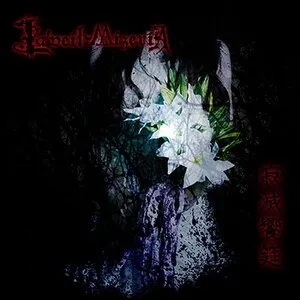
寂滅饗筵
La'veil MizeriA
Kote Kei
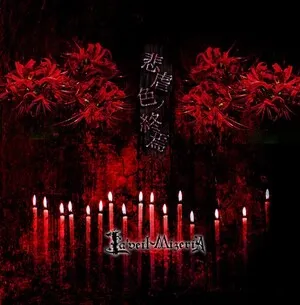
Higyakuiro no shuuen 悲虐色ノ終焉
La'veil MizeriA
Kote Kei
Similar artists
3
/5
DIR EN GREY
Visual Kei
J-Rock
Alternative Metal
2
/5
D
Folk Metal
J-Rock
Kote Kei
4
/5
RADWIMPS
Visual Kei
Anime
J-Pop
4
/5
ONE OK ROCK
Visual Kei
K-Rock
J-Rock
3
/5
BUCK-TICK
Visual Kei
Beat Rock
Rock
3
/5
GLAY
Visual Kei
J-Pop
J-Rock
3
/5
Plastic Tree
Visual Kei
Alternative Rock
J-Rock
3
/5
X JAPAN
Visual Kei
J-Pop
J-Rock
3
/5
MAXIMUM THE HORMONE
Visual Kei
Alternative Metal
Anime
3
/5
THE YELLOW MONKEY
Visual Kei
J-Pop
J-Rock
Download our mobile app
Get the Melodigging app and start digging for new genres on the go
Download on the App Store
Get it on Google Play
© 2026 Melodigging
Give feedback
Legal
Melodding was created as a tribute to
Every Noise at Once
, which inspired us to help curious minds keep digging into music's ever-evolving genres.