Genres
Artists
Albums
Make Music
Sign in
Sign in
Artists
Cumbia
Artists
Cumbia
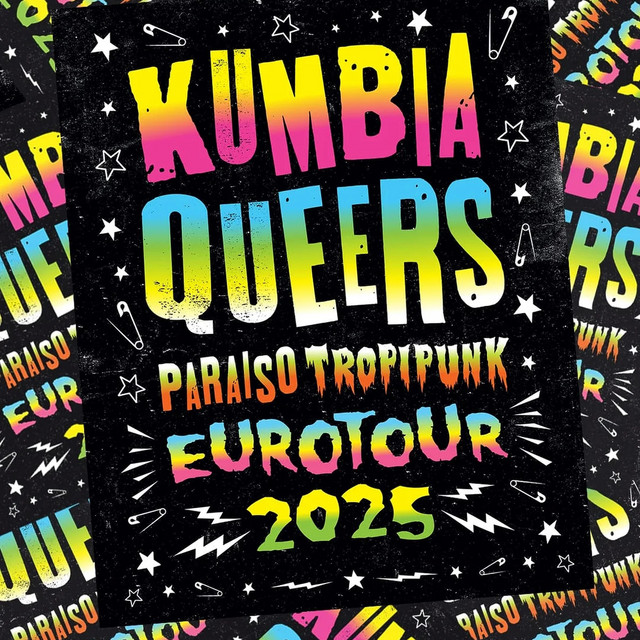
Kumbia Queers
3 albums
Listen
2
/5
Genres
Electrocumbia
Electrocumbia (often called digital cumbia or nu-cumbia) is a contemporary, electronic reinterpretation of traditional cumbia. It merges cumbia’s signature off‑beat percussion, guacharaca/güiro textures, and tumbao bass with modern production elements such as synthesizers, drum machines, sampling, and dub-style effects. While rooted in Colombian cumbia, the style took shape across Latin America—especially within Buenos Aires’ club scene—where producers fused folkloric rhythms with downtempo, house, hip hop, and dub aesthetics. The result is a sound that can be both hypnotic and dance‑forward, oscillating between dreamy, psychedelic atmospheres and gritty, bass‑heavy grooves.
Discover
Listen
Cumbia Villera
Cumbia villera is an Argentine subgenre of cumbia that emerged in the late 1990s from the working-class "villas miseria" (informal settlements) around Buenos Aires. It is characterized by punchy, low-cost keyboards, simple but driving drum-machine beats, a prominent electric bass, and gritty, conversational vocals. Lyrically, it often addresses everyday barrio life—parties, love and heartbreak, football fandom, encounters with police, crime, drugs, and survival—with slang-heavy storytelling and a mix of bravado and melancholy. Musically, it keeps the core cumbia groove while favoring catchy synth riffs over traditional accordion lines, resulting in dance-floor energy with a raw, street-level aesthetic.
Discover
Listen
Reggaeton
Reggaeton is a contemporary urban dance music that blends the dembow rhythm of Jamaican dancehall with hip hop’s MC culture and Caribbean–Latin melodic sensibilities. Its hallmark is the propulsive, syncopated “dembow” drum pattern, typically around 85–100 BPM (often felt in half-time), which powers energetic verses and catchy, sung hooks. Lyrically, reggaeton is most often in Spanish or Spanglish and centers on dance, nightlife, flirtation, romance, and street life, with a performance style that alternates between rapped bars and melodic chorus lines. Production emphasizes tight, punchy drums, rolling 808 sub-bass, percussive plucks or stabs, and bright, hook-forward toplines—crafted for the club and tailored for crowd participation and perreo.
Discover
Listen
Queercore
Queercore is a punk-derived music and cultural movement that centers LGBTQ+ experiences, politics, and pleasure. Emerging in the mid-1980s as a reaction against both homophobia in punk scenes and assimilationist tendencies in mainstream gay culture, it embraces a DIY ethos across music, zines, film, and community organizing. Musically, queercore spans from blistering hardcore punk and noisy art-punk to hooky pop‑punk and left‑field indie, with distorted guitars, driving bass, and often shouted or chant-like vocals. Lyrics are frank, confrontational, and frequently witty—tackling sexuality, gender variance, queer desire, anti-fascism, and everyday survival—with a mix of anger, humor, and camp. Beyond sound, queercore is a scene-building practice: small labels, hand-made zines, all-ages shows, and mutual-aid minded organizing that prioritize safe(r) spaces, consent culture, and queer joy.
Discover
Listen
World
World music is a broad, industry-coined umbrella for traditional, folk, and contemporary popular styles from around the globe that fall outside the Anglo-American pop mainstream. The label emerged in the 1980s as a retail and marketing category to group diverse regional musics for international distribution. Musically, it spans acoustic and electric instrumentation; modal, pentatonic, and microtonal pitch systems; and rhythms ranging from cyclical grooves and polyrhythms to asymmetrical meters. While the term can obscure local specificity, it also facilitated cross-cultural collaboration, festivals, and recordings that brought regional genres to wider audiences.
Discover
Listen
Punk Rock
Punk rock is a fast, raw, and stripped‑down form of rock music that foregrounds energy, attitude, and the DIY ethic over technical polish. Songs are short (often 90–180 seconds), in 4/4, and driven by down‑stroked power‑chord guitars, eighth‑note bass, and relentless backbeat drumming. Vocals are shouted or sneered rather than crooned, and lyrics are direct, often political, anti‑establishment, or wryly humorous. Production is intentionally unvarnished, prioritizing immediacy and live feel over studio perfection. Beyond sound, punk rock is a culture and practice: independent labels, fanzines, all‑ages venues, self‑organized tours, and a participatory scene that values inclusivity, affordability, and self‑reliance.
Discover
Listen
Cumbia Argentina
Cumbia argentina is the Argentine adaptation of Colombian cumbia that took root in the 1960s and evolved into a family of local styles. It blends the syncopated cumbia groove with regional tastes, instrumentation, and social realities in Argentina, producing variants such as the accordion‑led cumbia santafesina, the synth‑driven and street‑narrative cumbia villera, and radio‑friendly cumbia pop. Typical arrangements feature the cumbia beat on drum kit or programmed drums, congas and güiro driving the off‑beat swing, bass guitar outlining a steady tumbao, and lead voices supported by call‑and‑response coros. Depending on the substyle, melodies are carried by accordion, electric guitar, or bright keyboards. Lyrics range from romantic stories and dancefloor invitations to depictions of barrio life, celebration, and struggle. The result is a dance music that is both festive and deeply tied to Argentine urban and provincial identities.
Discover
Listen
Tropical
Tropical (often called música tropical) is a broad Latin American dance‑music umbrella that grew from Afro‑Caribbean styles and big‑band arrangements. It emphasizes lively, percussion‑driven grooves, syncopated horn lines, piano montunos, tumbao bass patterns, and call‑and‑response vocals. The feel ranges from elegant ballroom danzón and bolero to the high‑energy drive of mambo, cha‑cha‑chá, salsa, cumbia, and merengue. While repertoire and instrumentation vary by substyle and country, a shared rhythmic DNA—rooted in the clave and Afro‑diasporic percussion—unites Tropical music across the Caribbean and the Americas.
Discover
Listen
Cumbia
Cumbia is a syncretic dance-music tradition from Colombia’s Caribbean coast that blends African rhythmic heritage, Indigenous (especially gaita flute) melodic practice, and Spanish colonial instrumentation and forms. Traditionally performed in a moderate 2/4 (often felt in 4/4 today), it features interlocking hand-drum parts (tambora, alegre, llamador), guacharaca or maracas for steady texture, and long cane flutes (gaita hembra and gaita macho) carrying call-and-response melodies. As it spread in the 20th century, orchestras and dance bands added accordion, horns, piano, bass, and later electric guitar and synthesizers, creating urban and pan–Latin American variants. Harmonically simple and rhythm-forward, cumbia places groove, ostinati, and vocal refrains at the center, making it both ceremonial in origin and enduringly popular on social dance floors across the Americas.
Discover
Listen
Show all 9 genres
Albums
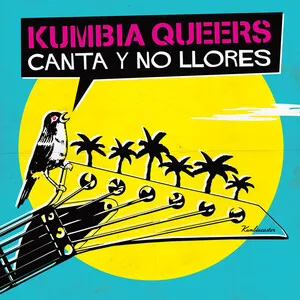
Canta y No Llores
Kumbia Queers
Cumbia Villera
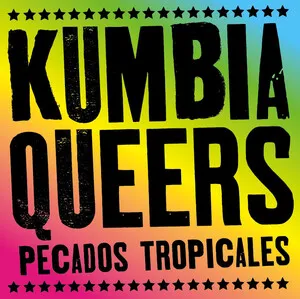
Pecados Tropicales
Kumbia Queers
Cumbia Villera
Pecados Tropicales
Kumbia Queers
Cumbia Argentina
Similar artists
4
/5
Damas Gratis
Cumbia Villera
Cumbia Argentina
Cumbia 420
4
/5
Rafaga
Cuarteto
Cumbia
Cumbia Chilena
4
/5
Leo Mattioli
Cumbia Santafesina
Cumbia Villera
Cuarteto
3
/5
Yerba Brava
Cumbia
Cumbia Villera
Cuarteto
3
/5
Los Pibes Chorros
Cumbia
Cumbia Villera
Cumbia Argentina
3
/5
Gilda
Cumbia
Cumbia Argentina
Cuarteto
3
/5
Supermerk2
Cumbia
Cumbia Sonidera
Cumbia Villera
3
/5
Mala Fama
Cumbia
Cuarteto
Cumbia Argentina
2
/5
Flor De Piedra
Cumbia
Cumbia Villera
Cumbia Argentina
2
/5
Los Gedes
Cumbia Villera
Cumbia
Cumbia Argentina
Download our mobile app
Get the Melodigging app and start digging for new genres on the go
Download on the App Store
Get it on Google Play
© 2026 Melodigging
Give feedback
Legal
Melodding was created as a tribute to
Every Noise at Once
, which inspired us to help curious minds keep digging into music's ever-evolving genres.