Genres
Artists
Albums
Make Music
Sign in
Sign in
Artists
Cumbia Villera
Artists
Cumbia Villera
Damas Gratis
2004–2019
·
7 albums
Listen
4
/5
Genres
Cumbia 420
Cumbia 420 is a contemporary Argentine micro‑genre that fuses the 2/4 swing and keyboard riffs of cumbia villera with the dembow/reggaetón pulse and trap/hip‑hop aesthetics. Built around minor‑key synth hooks, booming 808 sub‑bass, whistle/lead “silbido” lines and heavily Auto‑Tuned vocals, it keeps cumbia’s street‑party groove while adopting urban club sound design and lyrical themes tied to barrio life and cannabis (“420”). The result is a raw, dance‑forward style that sits between a cumbia sound system and an urban club set: simple, sticky melodies; aggressive percussive programming; and catchy call‑and‑response hooks designed for social media virality and neighborhood parties.
Discover
Listen
Cumbia Pop
Cumbia pop is a contemporary, radio-friendly take on cumbia that emerged in the Southern Cone during the 2010s. It blends the characteristic cumbia groove with glossy pop songwriting, bright synths, and clean, dance-pop production. Often nicknamed "cumbia cheta" in the Río de la Plata region, the style favors major-key hooks, chanted refrains, and romantic or party-themed lyrics aimed at teens and young adults. Tempos typically sit around 95–110 BPM, arrangements are concise and chorus-focused, and acoustic instruments (güira, congas, guitar, accordion) are layered with modern electronic elements for a feel-good, celebratory sound. The result is a polished, accessible crossover that carries cumbia’s infectious rhythm into the world of mainstream pop and streaming-era virality.
Discover
Listen
Rkt
RKT is a high‑energy Argentine take on urbano dance music that hardens the classic dembow/reggaeton pulse with the punch and party ethos of local cumbia scenes. It favors minimal, rhythm‑centric beats, heavy 808s, crisp kick‑snare patterns, and crowd‑hyping FX such as sirens, brass stabs, and risers. Vocals typically come in short, hooky chants and straightforward verses delivered in street‑level Spanish slang, designed for immediate dance‑floor and social‑media impact. Sonically it sits between reggaeton, DJ edit culture and Argentine cumbia (especially the villera tradition), keeping arrangements lean so the groove and drops hit as hard as possible.
Discover
Listen
Cumbia Editada
Cumbia editada (also seen as “kumbias editadas”) is a DJ‑driven offshoot of Mexican cumbia and the sonidero sound system tradition. It consists of re‑editing existing cumbia recordings—looping hooks, inserting stutters and rewinds, applying heavy echo and delay, and adding sound‑effects drops (sirens, air horns, lasers), DJ tags, and MC dedications. Born in dance floors, neighborhood street parties, and later on social video platforms, cumbia editada privileges crowd response and DJ functionality. Tracks often extend intros/outros for mixing, emphasize percussion breaks, and sometimes adopt the slowed, woozy feel popular in northern Mexico, while keeping the romantic and melodic core of classic cumbia.
Discover
Listen
La Pop
LA pop is a contemporary pop micro-scene centered on Los Angeles, defined by glossy, radio-ready production, hook-heavy toplining, and a tight ecosystem of songwriters, producers, and artist-development teams. It blends mainstream pop with electropop sheen, R&B smoothness, and a light touch of hip‑hop rhythms, all optimized for streaming, radio, and sync. The style emphasizes ultra-melodic choruses, crisp midtempo grooves, bright synths or guitar loops, and highly crafted vocal production (doubles, harmonies, tuned ad‑libs). Lyrically, it favors confessional storytelling about relationships, self‑image, and the LA dream—intimate in tone but cinematic in scale.
Discover
Listen
Cumbia Villera
Cumbia villera is an Argentine subgenre of cumbia that emerged in the late 1990s from the working-class "villas miseria" (informal settlements) around Buenos Aires. It is characterized by punchy, low-cost keyboards, simple but driving drum-machine beats, a prominent electric bass, and gritty, conversational vocals. Lyrically, it often addresses everyday barrio life—parties, love and heartbreak, football fandom, encounters with police, crime, drugs, and survival—with slang-heavy storytelling and a mix of bravado and melancholy. Musically, it keeps the core cumbia groove while favoring catchy synth riffs over traditional accordion lines, resulting in dance-floor energy with a raw, street-level aesthetic.
Discover
Listen
Cumbia Argentina
Cumbia argentina is the Argentine adaptation of Colombian cumbia that took root in the 1960s and evolved into a family of local styles. It blends the syncopated cumbia groove with regional tastes, instrumentation, and social realities in Argentina, producing variants such as the accordion‑led cumbia santafesina, the synth‑driven and street‑narrative cumbia villera, and radio‑friendly cumbia pop. Typical arrangements feature the cumbia beat on drum kit or programmed drums, congas and güiro driving the off‑beat swing, bass guitar outlining a steady tumbao, and lead voices supported by call‑and‑response coros. Depending on the substyle, melodies are carried by accordion, electric guitar, or bright keyboards. Lyrics range from romantic stories and dancefloor invitations to depictions of barrio life, celebration, and struggle. The result is a dance music that is both festive and deeply tied to Argentine urban and provincial identities.
Discover
Listen
Cuarteto
Cuarteto is a high-energy dance music from Córdoba, Argentina, built on a brisk duple-meter "tunga-tunga" groove that emphasizes a driving bass-and-chord pattern. Its core instrumentation historically featured a quartet—piano, accordion, violin, and bass—from which the style takes its name. Over time, drum kit, congas/timbales, and synthesizers expanded its sonic palette, while the piano’s left-hand ostinato and buoyant bass line remained central. Characterized by catchy melodies, simple diatonic harmonies, and verse–chorus forms designed for continuous dancing, cuarteto’s lyrics typically revolve around romance, nightlife, working-class pride, and Cordobés slang and humor.
Discover
Listen
Latin
Latin (as a genre label) is a broad umbrella used by the recording industry to categorize popular music rooted in Latin America, the Caribbean, and the Iberian world, often characterized by syncopated Afro-diasporic rhythms, dance-forward grooves, and lyrics primarily in Spanish or Portuguese. As a marketplace category that took shape in the mid-20th century United States, it gathers diverse traditions—Afro-Cuban, Brazilian, Mexican, and Caribbean styles—into a shared space. In practice, "Latin" spans everything from big-band mambo and bolero ballads to contemporary pop, rock, hip hop, and dance fusions produced by artists of Latin American heritage.
Discover
Listen
Cumbia
Cumbia is a syncretic dance-music tradition from Colombia’s Caribbean coast that blends African rhythmic heritage, Indigenous (especially gaita flute) melodic practice, and Spanish colonial instrumentation and forms. Traditionally performed in a moderate 2/4 (often felt in 4/4 today), it features interlocking hand-drum parts (tambora, alegre, llamador), guacharaca or maracas for steady texture, and long cane flutes (gaita hembra and gaita macho) carrying call-and-response melodies. As it spread in the 20th century, orchestras and dance bands added accordion, horns, piano, bass, and later electric guitar and synthesizers, creating urban and pan–Latin American variants. Harmonically simple and rhythm-forward, cumbia places groove, ostinati, and vocal refrains at the center, making it both ceremonial in origin and enduringly popular on social dance floors across the Americas.
Discover
Listen
Argentine Music
Argentine music is an umbrella term for the diverse musical traditions that developed within Argentina, spanning urban and rural, European, African-diasporic, and Indigenous roots. It is best known worldwide for tango, but also encompasses a rich array of folk styles (zamba, chacarera, chamamé, milonga, payada), urban popular music (rock nacional, pop), and contemporary urban scenes (cumbia argentina, trap). Its sound reflects waves of immigration (notably Spanish and Italian), the legacy of African rhythms via candombe and habanera, and Indigenous Andean and Guaraní influences—absorbed into criollo idioms and later reinterpreted in orchestral, jazz, and rock contexts. This synthesis created a distinct “porteño” urban sensibility in Buenos Aires and equally strong regional identities in the Northwest, Cuyo, the Littoral (litoraleña), and Patagonia.
Discover
Listen
Show all 11 genres
Albums
2019
3
/5
Damas Gratis Mix
Damas Gratis
Cumbia 420
Cumbia Villera
2004
3
/5
Operación Damas Gratis
Damas Gratis
Cumbia Villera
Cumbia Argentina
2004
3
/5
Para los pibes
Damas Gratis
Cumbia Villera
Cumbia Argentina
Argentine Music
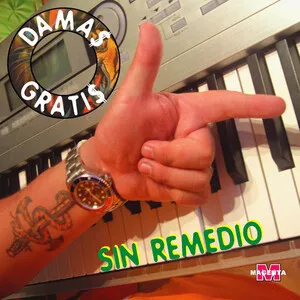
Sin remedio
Damas Gratis
Cumbia Villera
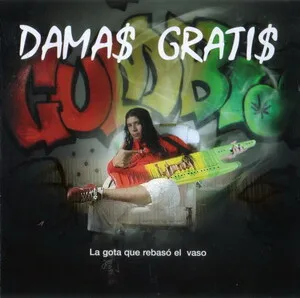
La gota que rebasó el vaso
Damas Gratis
Cumbia Villera
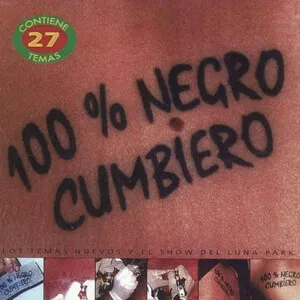
100% Negro Cumbiero
Damas Gratis
Cumbia Villera
100% Negro Cumbiero
Damas Gratis
Cumbia Argentina
Similar artists
4
/5
Nestor En Bloque
Cumbia 420
Cuarteto
Cumbia
3
/5
Los Pibes Chorros
Cumbia
Cumbia Villera
Cumbia Argentina
4
/5
Leo Mattioli
Cumbia Santafesina
Cumbia Villera
Cuarteto
3
/5
Yerba Brava
Cumbia
Cumbia Villera
Cuarteto
3
/5
Gilda
Cumbia
Cumbia Argentina
Cuarteto
3
/5
Mala Fama
Cumbia
Cuarteto
Cumbia Argentina
4
/5
Rafaga
Cuarteto
Cumbia
Cumbia Chilena
3
/5
Agrupación Marilyn
Cumbia Chilena
Cuarteto
Cumbia
3
/5
Los Turros
Cuarteto
Cumbia
Previa
4
/5
Los del Fuego
Cumbia Santafesina
Cumbia Villera
Cuarteto
Download our mobile app
Get the Melodigging app and start digging for new genres on the go
Download on the App Store
Get it on Google Play
© 2026 Melodigging
Give feedback
Legal
Melodding was created as a tribute to
Every Noise at Once
, which inspired us to help curious minds keep digging into music's ever-evolving genres.