Genres
Artists
Albums
Make Music
Sign in
Sign in
Artists
Contemporary Vocal Jazz
Artists
Contemporary Vocal Jazz
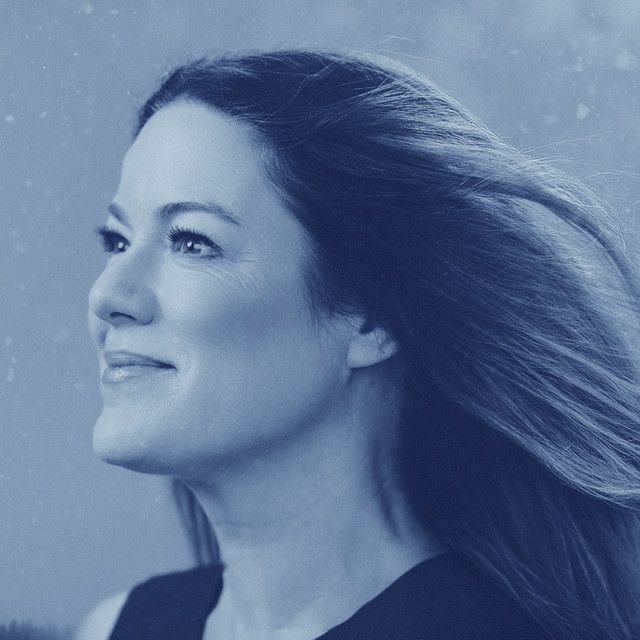
Kat Edmonson
Listen
3
/5
Genres
Contemporary Vocal Jazz
Contemporary vocal jazz is a modern continuation of the vocal-jazz tradition that blends classic jazz songcraft with current production aesthetics and a cosmopolitan repertoire. It typically features sophisticated phrasing, elastic time-feel, and rich reharmonizations of standards alongside original songs that draw on soul, pop, and world influences. Arrangements are often built around small ensembles (piano trio, guitar-led quartets, or chamber-like groups), with attention to microphone technique, intimate timbre, and audiophile recording quality. While it respects the lineage of the Great American Songbook, contemporary vocal jazz updates swing and bop-era vocabulary with subtler grooves, expanded harmony, and a global palette, making it both accessible and musically refined.
Discover
Listen
Baroque Pop
Baroque pop is a mid‑1960s fusion of contemporary pop/rock songwriting with the timbres, textures, and contrapuntal techniques of Baroque and broader European classical music. It is marked by harpsichord and piano doubling, string quartets or small orchestras, woodwinds (oboe, recorder, bassoon), French horn and piccolo trumpet colors, and melody‑forward arrangements that favor counter‑melodies and suspensions over riff‑based accompaniment. Harmonies tend to be richer than standard rock, with chromatic voice‑leading, circle‑of‑fifths motion, deceptive cadences, and occasional modulations. Production is usually lush and reverberant, supporting reflective, often nostalgic or romantic lyrics. Although it overlaps with orchestral pop and psychedelic pop, baroque pop is distinguished by its chamber‑scale instrumentation, Baroque idioms (basso continuo feel, ornamented lines), and the way classical elements are woven into compact pop song forms.
Discover
Listen
Bossa Nova
Bossa nova is a Brazilian popular music style that emerged in Rio de Janeiro in the late 1950s, blending samba’s syncopated pulse with the harmonic sophistication and understated cool of jazz. It is characterized by intimate, almost whispered vocals; a nylon‑string guitar playing the distinctive batida (a gently syncopated, two-beat accompaniment); subtle, brushed percussion; and lush, extended jazz harmonies. The mood is relaxed, refined, and full of saudade—a bittersweet sense of longing—often evoking images of Rio’s beaches, nightclubs, and urban modernity.
Discover
Listen
Easy Listening
Easy listening is a lush, melodic, and unobtrusive style of popular orchestral music designed to be pleasant in the foreground and effortless in the background. It favors smooth textures, lyrical melodies, and gentle rhythms over virtuosic display or dense complexity. Typical arrangements feature string sections, woodwinds, soft brass, vibraphone, harp, piano, subtle Latin or light swing percussion, and sometimes wordless choirs. Repertoire often consists of standards, film and television themes, and instrumental covers of contemporary hits, presented with polished studio production and wide stereo imaging. The mood ranges from romantic and sentimental to breezy and exotic, prioritizing warmth, clarity, and relaxed pacing. Improvisation, if present, is restrained, with harmony that leans on jazzy extensions while staying consonant and approachable.
Discover
Listen
Traditional Pop
Traditional pop is the pre–rock and roll mainstream of American popular song, centered on the Great American Songbook and the crooner/orchestral style that dominated radio, records, and film musicals from the 1930s through the 1950s. It favors memorable melodies, elegant lyrics (often about romance), and lush arrangements for strings, woodwinds, and big band rhythm sections. Singers use close‑mic "crooning" to deliver expressive, legato phrasing over jazz‑tinged harmonies and steady, unhurried grooves. Typical forms include the 32‑bar AABA standard, with sophisticated but accessible harmony (secondary dominants, ii–V–I cycles, tasteful modulations) and an emphasis on interpretation—how the vocalist shades timing, dynamics, and diction to make a familiar song feel personal.
Discover
Listen
French Jazz
French jazz is the French branch of jazz that took root in Paris and other urban centers after World War I, when African American musicians and touring bands introduced the music to a receptive café and cabaret culture. It blends American jazz idioms with French musical sensibilities, notably chanson, musette waltzes, and a refined classical ear for color and melody. Its sound ranges from the acoustic swing of the 1930s Hot Club style (guitar- and violin-led ensembles) to postwar bebop, cool and modal currents, free improvisation, and later fusions with chanson and electronic music. Hallmarks include lyrical, song-like themes, supple swing feels, elegant harmonic voicings, and, in some strands, the distinctive "la pompe" rhythm of manouche guitar and the timbre of accordion and violin. Today, French jazz encompasses both traditional and forward-looking approaches: intimate acoustic combos, orchestral and filmic jazz, and hybrid forms that intersect with nu jazz, electro-swing, and contemporary European improvisation.
Discover
Listen
Vocal Jazz
Vocal jazz is a jazz tradition in which the human voice is treated as an instrument—matching the phrasing, articulation, and timbral nuance of horns or piano. Singers often improvise melodically and rhythmically, including using scat singing (nonsense syllables) to emulate instrumental solos. At the same time, many vocal‑jazz performances favor traditional, pop‑leaning song structures and clear lyric delivery, reducing the overall role of extended improvisation compared with small‑group instrumental jazz. Repertoires frequently draw from Tin Pan Alley and Broadway standards (the Great American Songbook), rendered with swing, ballad, or Latin feels.
Discover
Listen
Jazz
Jazz is an improvisation-centered music tradition that emerged from African American communities in the early 20th century. It blends blues feeling, ragtime syncopation, European harmonic practice, and brass band instrumentation into a flexible, conversational art. Defining features include swing rhythm (a triplet-based pulse), call-and-response phrasing, blue notes, and extended harmonies built on 7ths, 9ths, 11ths, and 13ths. Jazz is as much a way of making music—spontaneous interaction, variation, and personal sound—as it is a set of forms and tunes. Across its history, jazz has continually hybridized, from New Orleans ensembles and big-band swing to bebop, cool and hard bop, modal and free jazz, fusion, and contemporary cross-genre experiments. Its influence permeates global popular and art music.
Discover
Listen
Show all 8 genres
Similar artists
4
/5
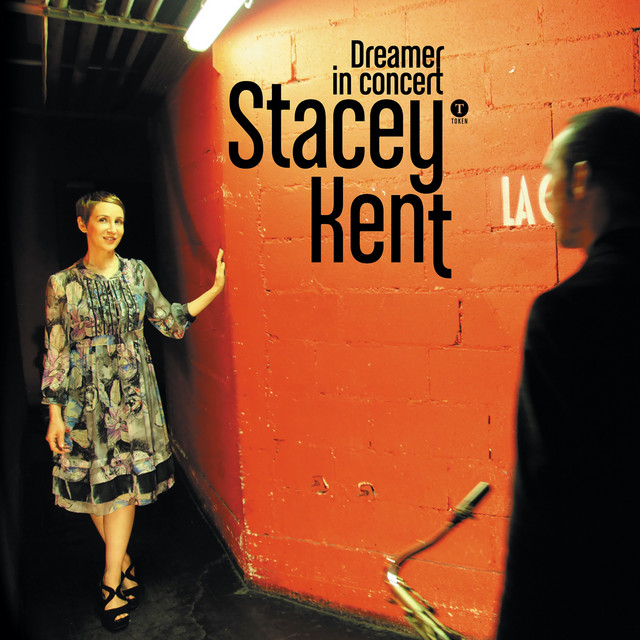
Stacey Kent
Contemporary Vocal Jazz
French Jazz
Smooth Jazz
1
/5
Various Artists
Afro-Funk
Alternative Rock
Ambient
4
/5
Melody Gardot
French Jazz
Jazz
Vocal Jazz
4
/5
Madeleine Peyroux
French Jazz
Jazz
Vocal Jazz
3
/5
Lara Louise
Contemporary Vocal Jazz
French Jazz
Vocal Jazz
3
/5
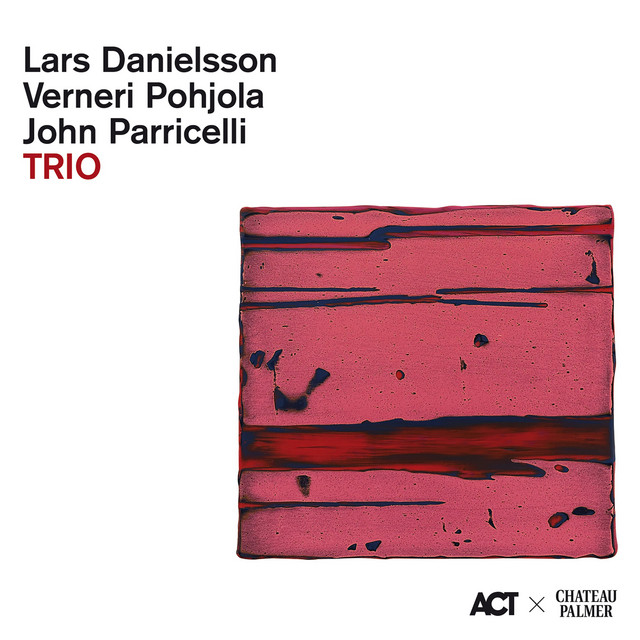
John Parricelli
Bossa Nova
French Jazz
Thall
3
/5
Matt Skelton
Bossa Nova
French Jazz
Jazz
3
/5
Jim Tomlinson
Bossa Nova
French Jazz
Jazz
3
/5
Emilie-Claire Barlow
Bossa Nova
French Jazz
Jazz
3
/5
Graham Harvey
Bossa Nova
French Jazz
Jazz
Download our mobile app
Get the Melodigging app and start digging for new genres on the go
Download on the App Store
Get it on Google Play
© 2026 Melodigging
Give feedback
Legal
Melodding was created as a tribute to
Every Noise at Once
, which inspired us to help curious minds keep digging into music's ever-evolving genres.