Genres
Artists
Albums
Make Music
Sign in
Sign in
Artists
Doo-Wop
Artists
Doo-Wop
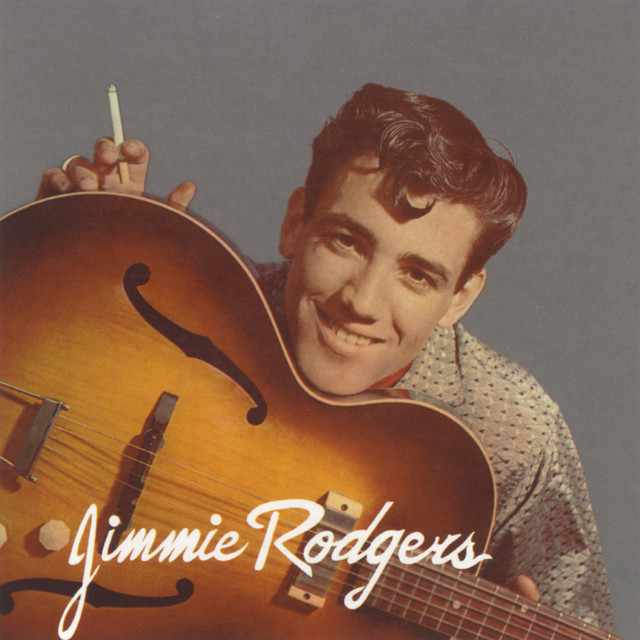
Jimmie Rodgers
Listen
2
/5
Genres
Pov: Indie
"pov: indie" is a social-media-native microstyle built around short, cinematic indie-pop/indie-rock snippets designed to accompany a first-person (POV) narrative. Instead of being defined by a single new musical technique, it is defined by context: the music is chosen or written to feel like the soundtrack to a specific moment (a crush, a late-night walk, moving to a new city, seasonal nostalgia). Sonically it typically uses bright but soft guitars or synths, intimate vocals, simple memorable hooks, and production that reads clearly on phone speakers. The emotional tone is often wistful, tender, and “coming-of-age,” with lyrics that can be understood quickly in a 10–30 second clip.
Discover
Listen
Doo-Wop
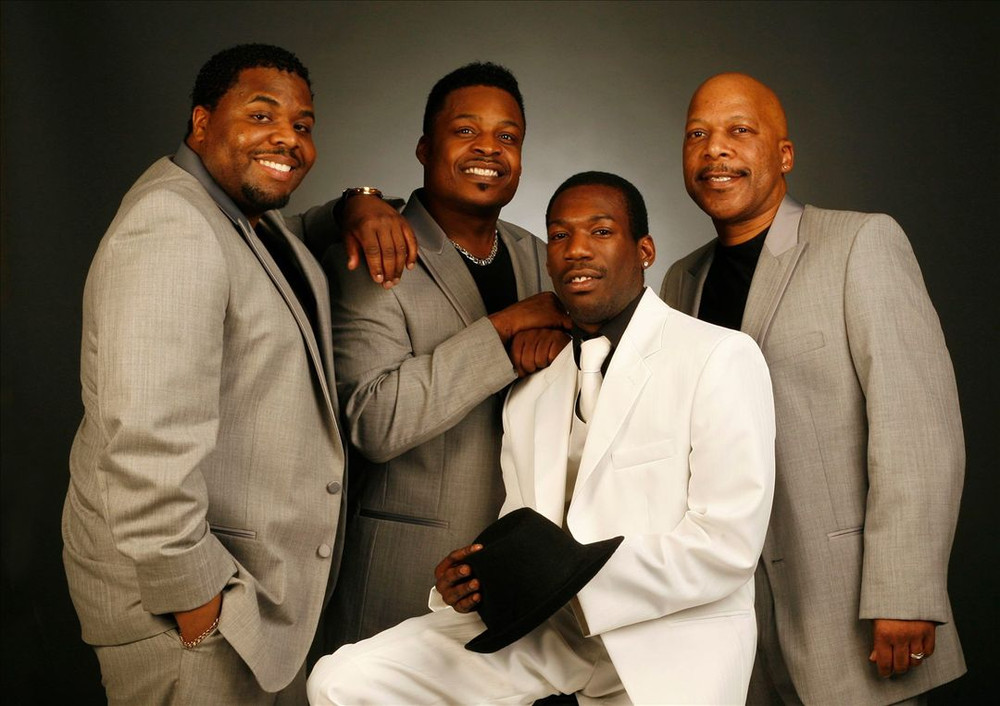
Doo-wop is a vocal harmony–driven style of rhythm and blues that blossomed in mid-century urban America. Built around lead-tenor melodies, lush background harmonies, and playful nonsense syllables (the source of its name), the genre blends church-bred gospel techniques with street-corner spontaneity. Musically, doo-wop favors simple, singable chord cycles—especially the “’50s progression” (I–vi–IV–V)—a steady 4/4 or lilting 12/8 feel, and call-and-response between lead and backing parts. Arrangements range from a cappella to small combos with guitar, piano, bass, light drums, and occasional saxophone. Lyrically, the songs are often teen-centered: romance, longing, heartbreak, and devotion. The sound emerged in the late 1940s within African-American communities and soon resonated across ethnic lines, inspiring groups in cities such as New York, Philadelphia, Chicago, Detroit, and Los Angeles. Its polished harmonies, sweet ballads, and hooky refrains helped shape early rock and roll and later pop harmony traditions.
Discover
Listen
Yodeling
Yodeling is a vocal technique and repertory defined by rapid and intentional alternation between chest voice and head voice (falsetto), producing audible register breaks on open vowels. Rooted most famously in the rural Alps, it functioned historically as long‑distance herding calls and community signals across mountains and valleys. Closely related practices appear in multiple cultures worldwide (e.g., Central African forest singing, Scandinavian cattle calls), underscoring yodeling’s role as a practical form of vocal communication as much as a musical idiom. Across the 19th and 20th centuries, yodeling moved from pasture and village dances into stage entertainment, commercial folk music, and North American country and western traditions, where it became a signature expressive device (“blue yodels,” cowboy yodels) and a symbol of pastoral nostalgia.
Discover
Listen
Similar artists
1
/5
Various Artists
Afro-Funk
Alternative Rock
Ambient
4
/5
Meghan Trainor
Hip Pop
Doo-Wop
Pop
4
/5
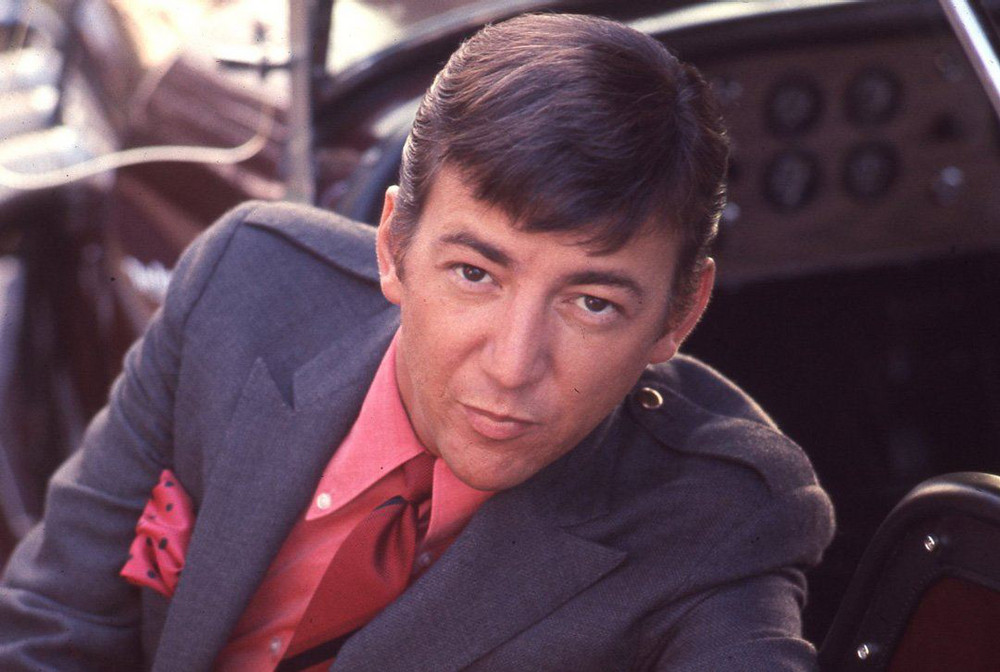
Bobby Darin
Adult Standards
Big Band
Doo-Wop
4
/5
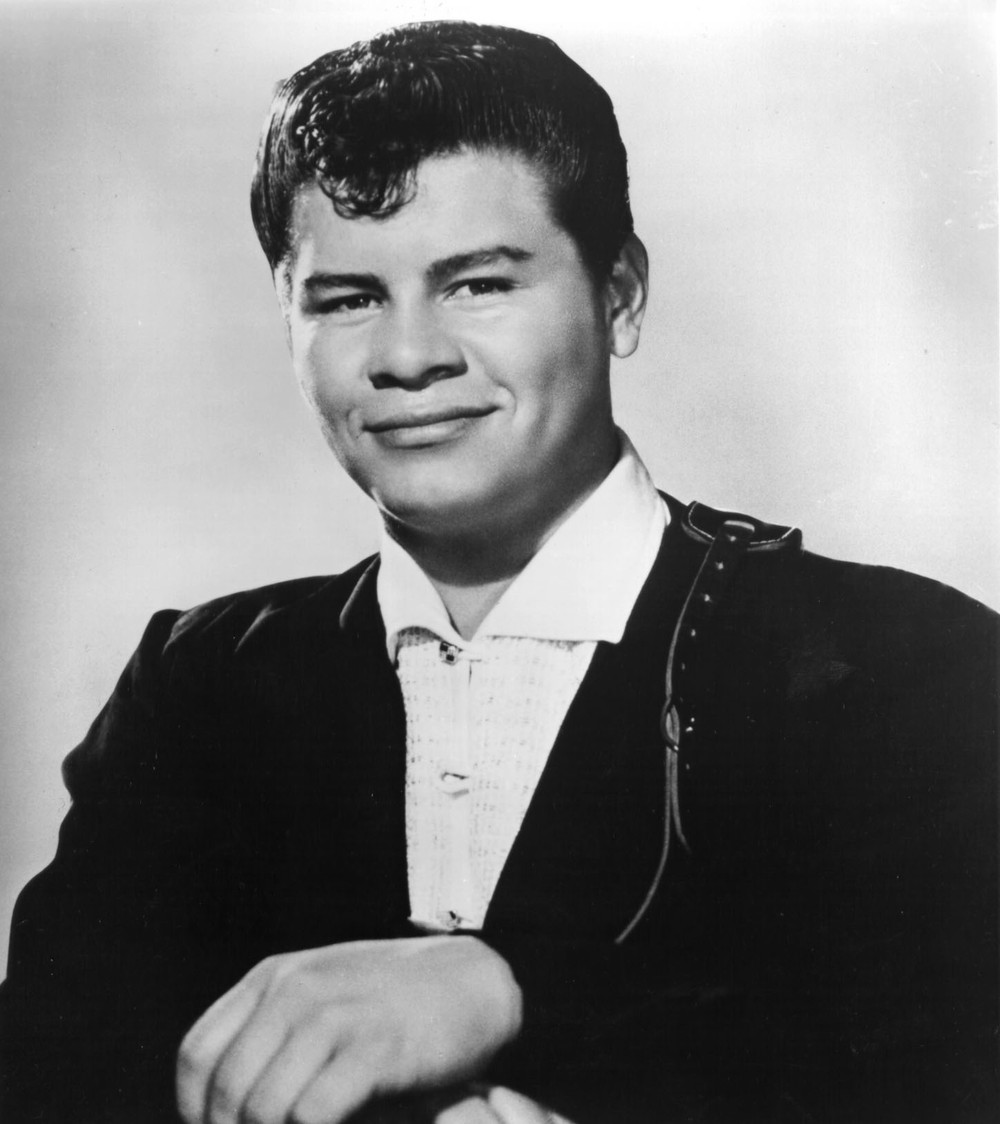
Ritchie Valens
Doo-Wop
Rock And Roll
Shimmer Psych
4
/5
The Platters
Doo-Wop
Easy Listening
Rock And Roll
3
/5
The Drifters
Doo-Wop
Motown
Rock And Roll
3
/5
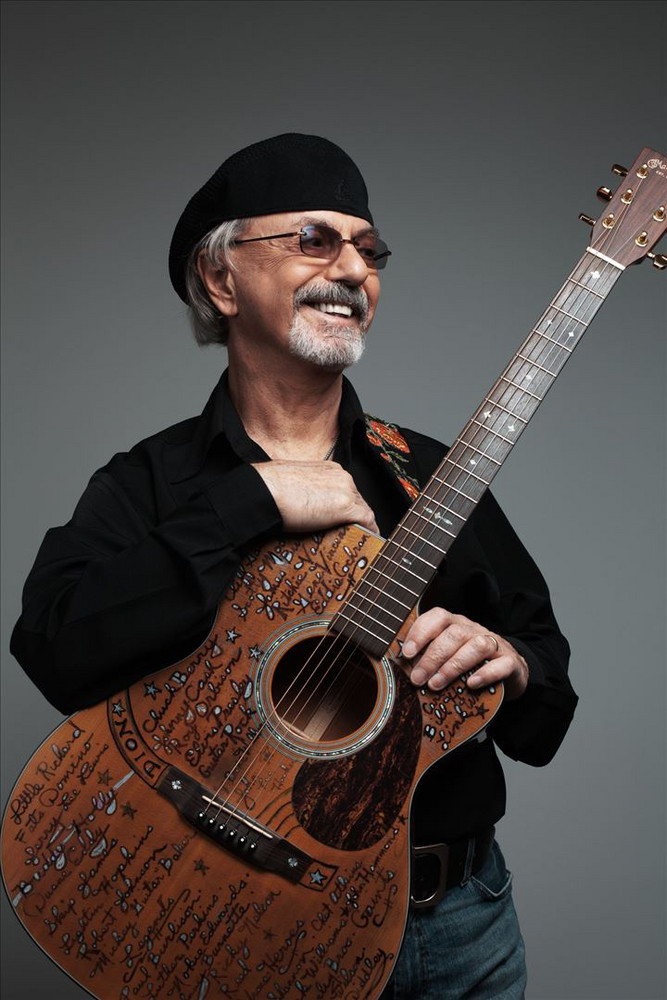
Dion
Doo-Wop
Brill Building
Gamecore
3
/5
The Everly Brothers
Rock And Roll
Close Harmony
Pop
3
/5
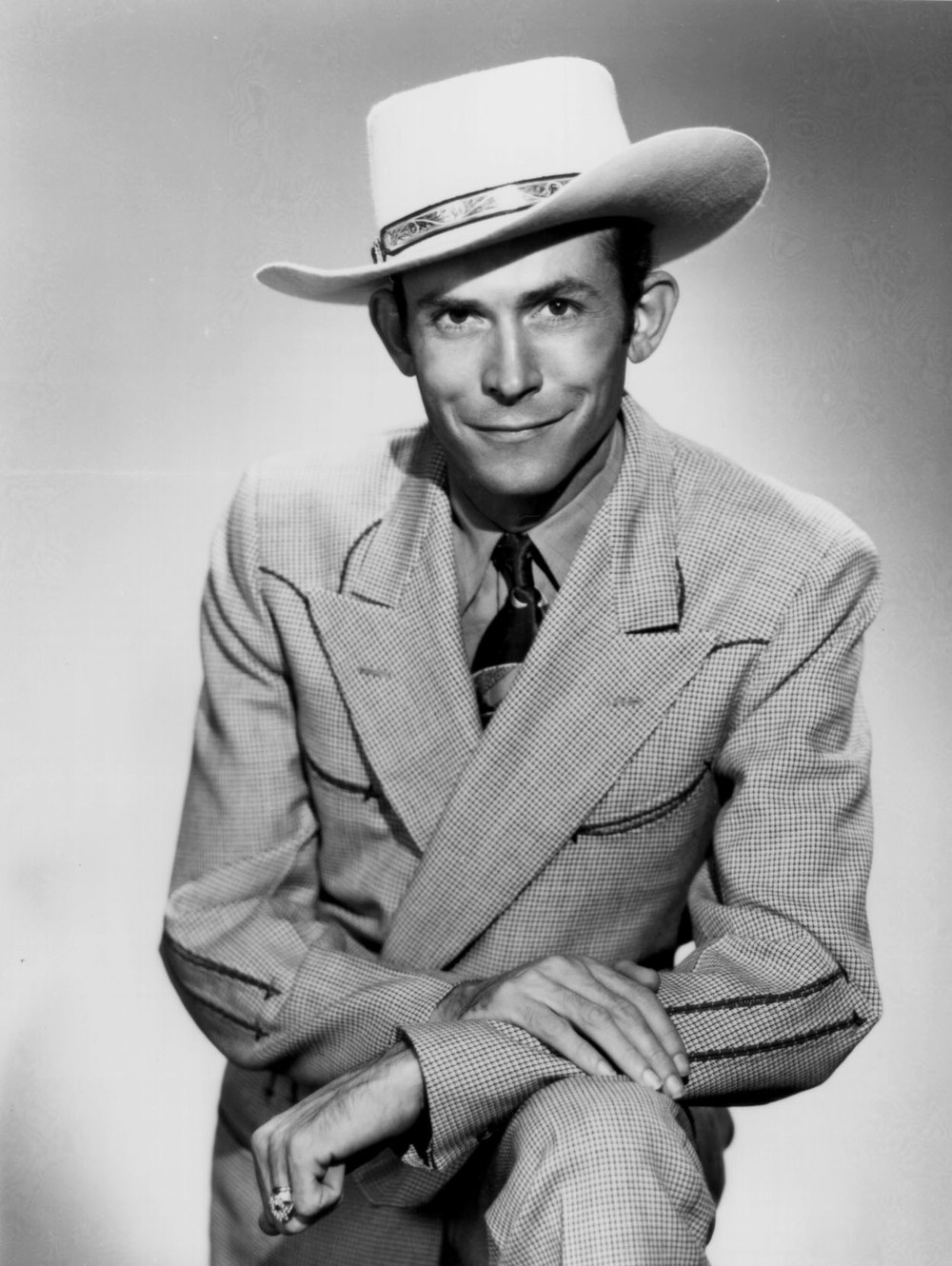
Hank Williams
Yodeling
Country
Traditional Country
3
/5
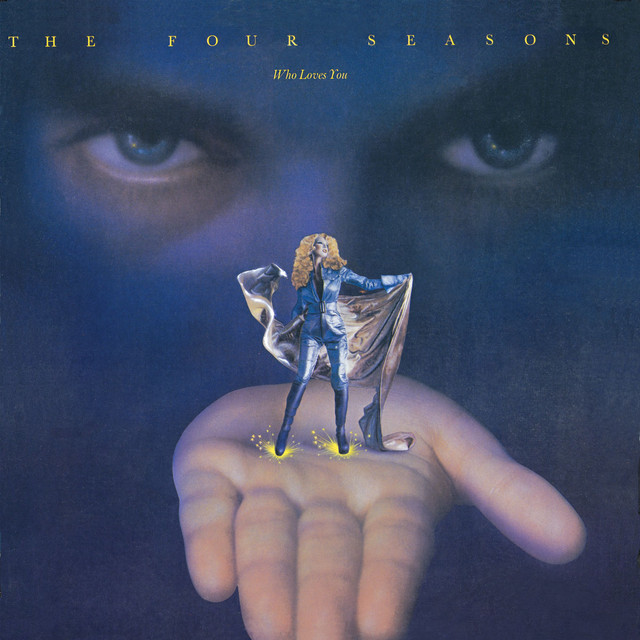
The Four Seasons
Doo-Wop
Pop
Pop Rock
Download our mobile app
Get the Melodigging app and start digging for new genres on the go
Download on the App Store
Get it on Google Play
© 2026 Melodigging
Give feedback
Legal
Melodding was created as a tribute to
Every Noise at Once
, which inspired us to help curious minds keep digging into music's ever-evolving genres.