Genres
Artists
Albums
Make Music
Sign in
Sign in
Artists
Acid Rock
Artists
Acid Rock
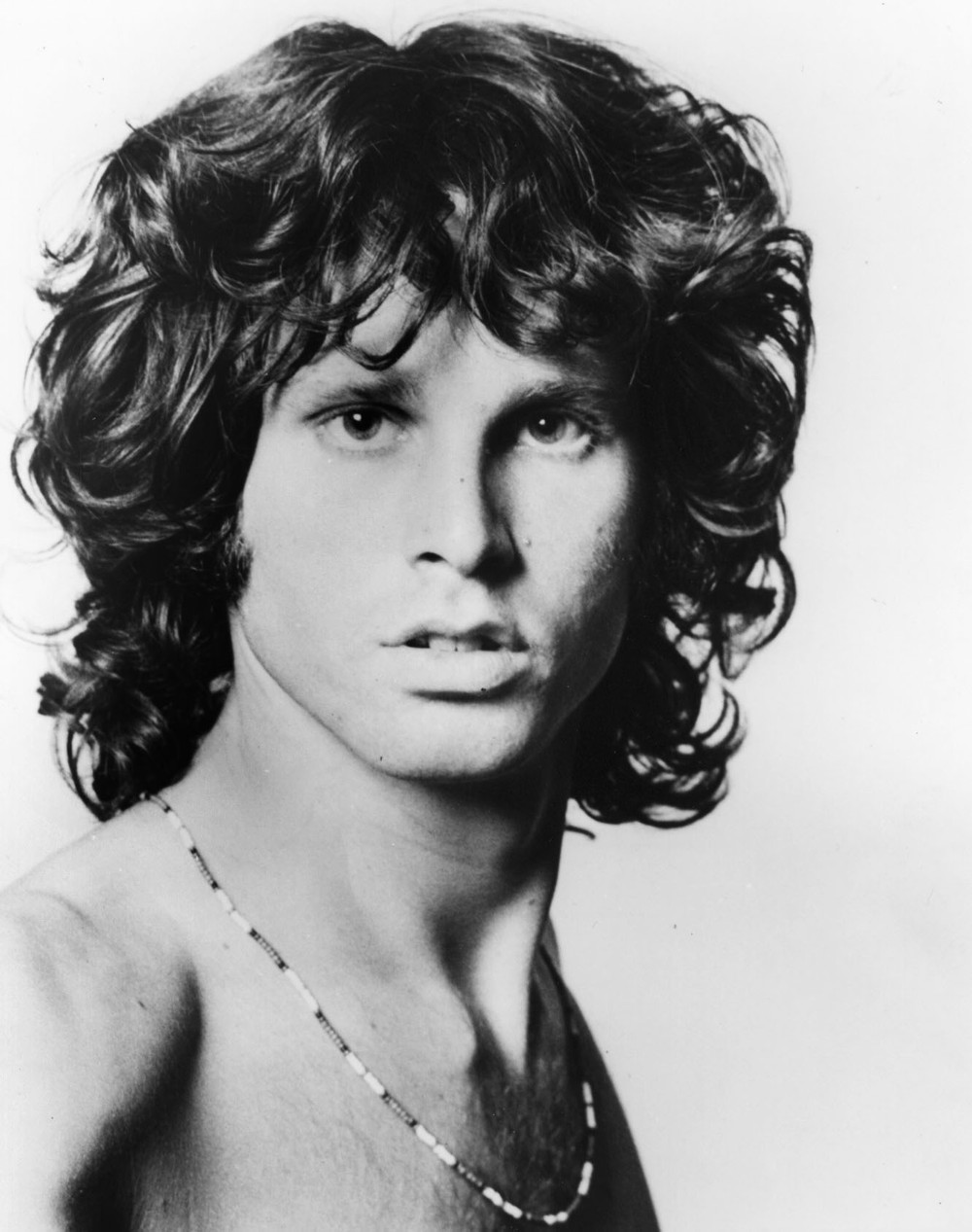
Jim Morrison
1978
·
1 album
Listen
3
/5
Genres
Connecticut Indie
Connecticut indie is a regional strain of U.S. indie rock that blends the heartfelt directness of emo-revival with the fuzzy guitars, DIY ethics, and adventurous textures of New England’s underground. Rooted in college-town and small-city scenes (Middletown, New Haven, Willimantic, Hartford), the sound swings between twinkly, lyrically confessional indie and louder, shoegaze- or noise-tinged guitar rock. You’ll hear gang-vocal catharsis, transparent production that favors live-room energy, and occasional orchestral or synth flourishes that reflect the area’s art-school and experimental leanings. While it is geographically defined, the micro-scene’s bands networked nationally through house shows, small labels, and online communities, making Connecticut indie both locally grounded and widely connected.
Discover
Listen
Classic Rock
Classic rock is a radio-defined umbrella for mainstream, guitar-centered rock music from the mid-1960s through the 1980s. It emphasizes blues-based riffs, memorable choruses, sturdy backbeats, and prominent guitar solos, often framed by warm, analog production. Rather than being a single stylistic branch, classic rock curates a canon that spans hard rock, blues rock, folk rock, psychedelic and progressive strains, and heartland- and country-tinged rock. Albums and album-oriented rock (AOR) values—extended tracks, conceptual cohesion, and musicianship—are central to its identity. The sound evokes tube-amp crunch, Hammond organs, stacked vocal harmonies, and anthemic songwriting designed for both FM radio and the concert arena.
Discover
Listen
Acid Rock
Acid rock is a heavier, louder, and more improvisation-driven branch of psychedelic rock that emerged in the mid-to-late 1960s. It is characterized by extended guitar solos, distorted and feedback-laden textures, modal or drone-based harmony, and a strong emphasis on trance-inducing grooves. The style was closely tied to the counterculture and LSD-fueled happenings of the era, particularly on the U.S. West Coast. Musically, it blends blues-rock’s grit, garage rock’s raw energy, folk-rock’s modal harmonies, and raga-influenced drones, then amplifies everything—volume, duration, and intensity—into hypnotic, often explosive performances.
Discover
Listen
Psychedelic Rock
Psychedelic rock is a style of rock music that seeks to evoke, simulate, and expand altered states of consciousness through sound. It typically features timbral experimentation (fuzz, wah, tape delay, phasing), drones, modal or raga-influenced harmony, extended improvisation, studio-as-instrument production, and surreal, mystical, or mind-expanding lyrics. Emerging from mid-1960s counterculture, it fused garage-band energy with folk, blues, and non-Western musical ideas—especially Indian classical ragas—while embracing new studio technologies and concert light shows. Both a live and a studio art, psychedelic rock ranges from jangly, kaleidoscopic pop to heavy, hypnotic jams and cosmic soundscapes.
Discover
Listen
Spoken Word
Spoken word is a performance-centered genre where text—poems, monologues, stories, or manifestos—is delivered aloud with musicality in voice rather than through singing. It may be entirely a cappella or accompanied by sparse instrumentation (often jazz combos, ambient textures, or minimal electronics) that frames the cadence and rhetoric of the performer. The emphasis is on language: prosody, pacing, imagery, and argument. Pieces often explore personal narratives, social critique, and political themes, drawing on techniques such as internal rhyme, alliteration, and repetition. While recordings exist, the tradition is fundamentally live, prioritizing immediacy, audience engagement, and oratorical presence.
Discover
Listen
Rock
Rock is a broad family of popular music centered on amplified instruments, a strong backbeat, and song forms that foreground riffs, choruses, and anthemic hooks. Emerging from mid‑20th‑century American styles like rhythm & blues, country, and gospel-inflected rock and roll, rock quickly expanded in scope—absorbing folk, blues, and psychedelic ideas—while shaping global youth culture. Core sonic markers include electric guitar (often overdriven), electric bass, drum kit emphasizing beats 2 and 4, and emotive lead vocals. Rock songs commonly use verse–chorus structures, blues-derived harmony, and memorable melodic motifs, ranging from intimate ballads to high‑energy, stadium‑sized performances.
Discover
Listen
Experimental
Experimental music is an umbrella term for practices that prioritize exploration, process, and discovery over adherence to established genre norms. It embraces new sound sources, nonstandard tuning systems, indeterminacy and chance operations, graphic and open-form scores, extended techniques, and technology-led sound design (tape, electronics, computers, and live processing). Rather than a single style, it is a methodology and ethos: testing hypotheses about sound, structure, and performance, often blurring boundaries between composition, improvisation, sound art, and performance art. Listeners can expect unfamiliar timbres, unusual forms, and an emphasis on how music is made as much as the resulting sound.
Discover
Listen
Poetry
Poetry (as a recorded genre) centers on the spoken or performed recitation of verse, foregrounding voice, diction, rhythm, and imagery over conventional song structure. Performances may be entirely unaccompanied or framed by sparse accompaniment such as piano, strings, jazz combos, drones, or subtle sound design. Unlike broader spoken word, which can include storytelling, monologues, and comedy, poetry recordings focus on literary verse—metered, rhymed, or free—delivered with attention to prosody and poetic form. Releases range from archival readings by canonical poets to contemporary performance sets recorded in studios, classrooms, libraries, and clubs. The listening experience often emphasizes intimacy and textual clarity: microphones capture breath, cadence, and silence, while arrangements (if any) remain secondary to the poem’s language and pacing.
Discover
Listen
Show all 8 genres
Albums
1978
4
/5
An American Prayer
Jim Morrison
Acid Rock
Spoken Word
Classic Rock
Similar artists
1
/5
Various Artists
Afro-Funk
Alternative Rock
Ambient
4
/5
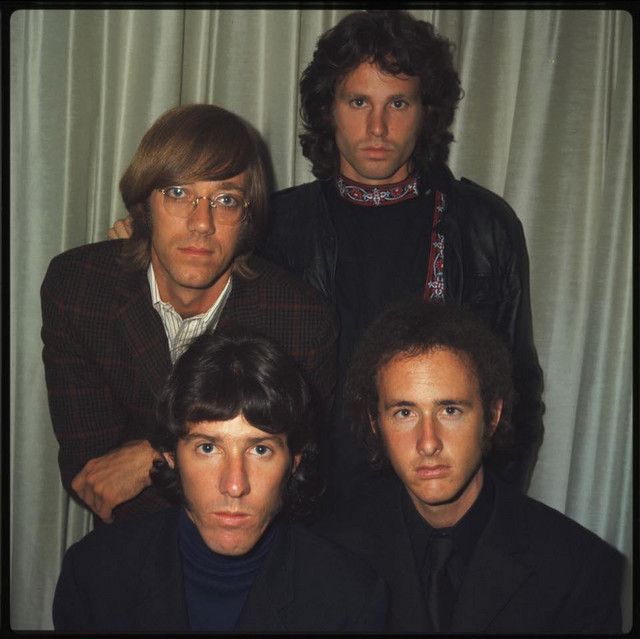
The Doors
Acid Rock
Classic Rock
Hard Rock
5
/5
David Bowie
Art Rock
Rock
Glam Rock
4
/5
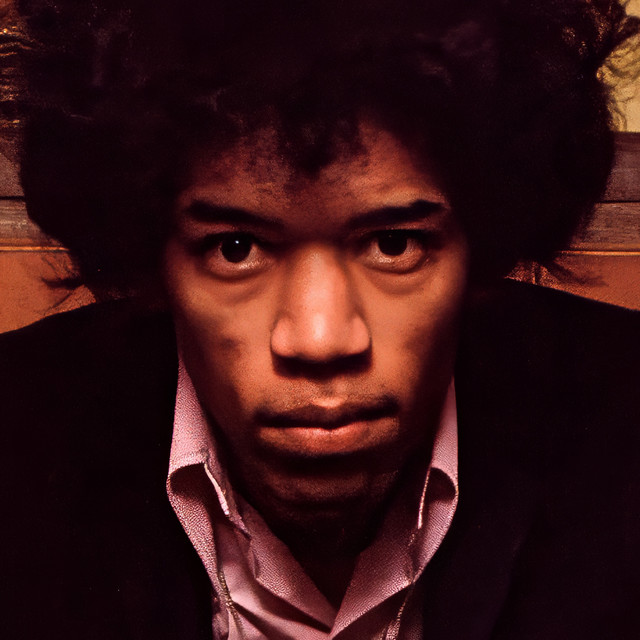
Jimi Hendrix
Blues Rock
Proto-Metal
Psychedelic Rock
4
/5
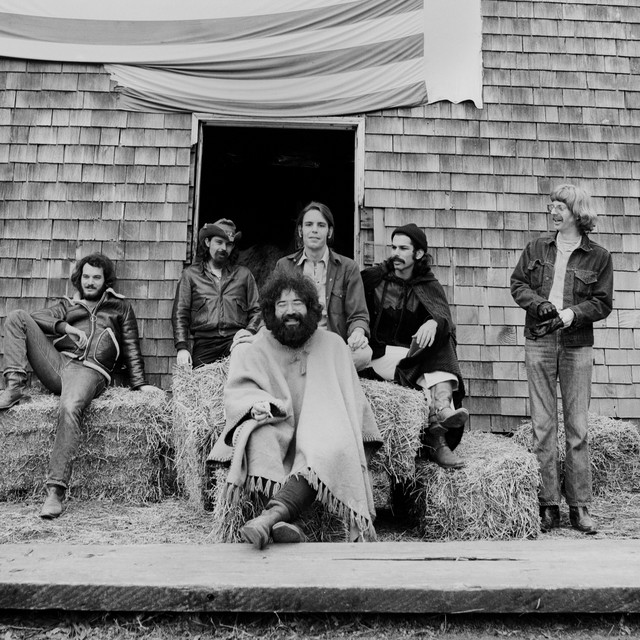
Grateful Dead
Acid Rock
Jam Band
San Francisco Sound
4
/5
Janis Joplin
Acid Rock
Blues Rock
Rock
1
/5
Robert Ashley
Spoken Word
Acousmatic
Experimental
4
/5
John Lennon
Rock
Chill Pop
Christmas Music
4
/5
Alice Cooper
Glam Rock
Hard Rock
Proto-Punk
4
/5
Los Lobos
Tex-Mex
Rock
Roots Rock
Download our mobile app
Get the Melodigging app and start digging for new genres on the go
Download on the App Store
Get it on Google Play
© 2026 Melodigging
Give feedback
Legal
Melodding was created as a tribute to
Every Noise at Once
, which inspired us to help curious minds keep digging into music's ever-evolving genres.