Genres
Artists
Albums
Make Music
Sign in
Sign in
Artists
Peak Time Techno
Artists
Peak Time Techno
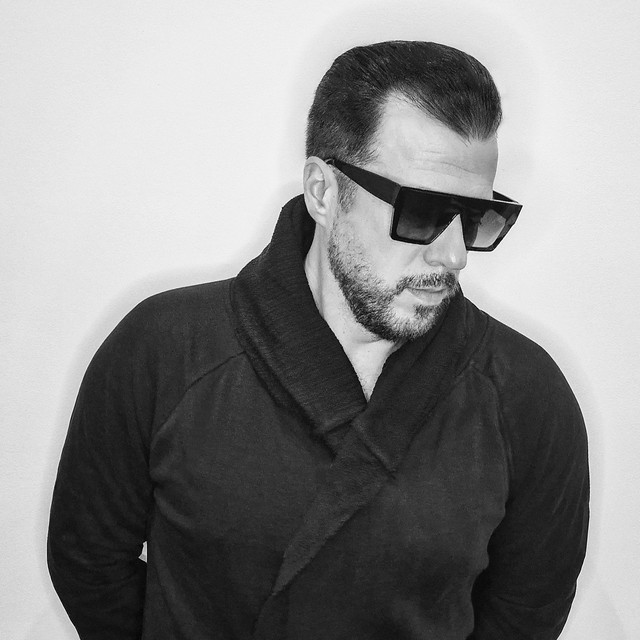
Jay Lumen
2021
·
1 album
Listen
2
/5
Genres
Liquid Riddim
Liquid riddim is a melodic, atmospheric strain of riddim dubstep that fuses the sparse, half‑time bounce and call‑and‑response bass writing of riddim with the lush pads, emotive chord progressions, and airy textures of liquid drum and bass. Compared with heavier festival riddim, liquid riddim favors fluid, legato bass timbres, glassy arpeggios, and generous reverb and delay. The result is a sound that remains dance‑floor friendly at 140 BPM yet leans introspective, dreamy, and sentimental, often using water‑like foley, silky supersaw layers, and soft vocal chops to enhance its “liquid” aesthetic.
Discover
Listen
Peak Time Techno
Peak time techno is a high-impact, festival-ready strain of techno crafted for the most energetic moments of a set. It emphasizes driving, rolling grooves; big-room dynamics; and tension-and-release structures designed to move large dance floors. Typically running around 128–135 BPM in 4/4, it features saturated, punchy kicks, rumbling low-end bass, insistent off-beat hats, rides, and dramatic risers and impacts. Musical content is often minimal and functional, with short motifs, stabs, and builds that funnel into cathartic drops rather than elaborate melodies. The sound and mix are optimized for large PA systems: wide stereo effects above the mids, a mono-focused sub, and arrangements with extended intros/outros for seamless DJ layering.
Discover
Listen
Wonky Techno
Wonky techno is a strain of techno that borrows the off‑kilter swing, lurching syncopations, and pitch‑wobbled sound design of “wonky” and UK bass, then grafts them onto techno’s hypnotic structures. Instead of straight four‑on‑the‑floor, it leans on broken, asymmetrical drum programming, micro‑timing nudges, and rubbery low‑end, creating grooves that feel simultaneously club‑functional and crooked. The palette often includes detuned or FM‑rich synths, percussive stabs filtered through dub‑techno space, and restless modulation that keeps the grid feeling fluid and unstable. The result is techno that moves bodies while constantly unbalancing the listener’s inner metronome: tense, bass‑forward, textural, and rhythmically adventurous.
Discover
Listen
Edm
EDM (Electronic Dance Music) refers to the mainstream, festival-oriented wave of electronic dance styles that rose to global prominence in the early 2010s. It emphasizes high-energy drops, ear-catching toplines, and crowd-pleasing arrangements designed for large stages and mass audiences. Musically, EDM typically sits around 124–130 BPM with a strong four-on-the-floor kick, wide supersaw leads, bright plucks, and heavily sidechained pads and basses for a pumping feel. Tracks are structured around tension-and-release: intros and builds lead to explosive drops, followed by breakdowns that rebuild energy. Vocals and pop-style songwriting frequently appear, enabling crossover success on radio and streaming platforms.
Discover
Listen
Minimal Melodic Techno
Minimal melodic techno is a strand of techno that strips the drum programming and arrangement back to a lean, hypnotic framework while foregrounding emotive, slowly evolving melodies. Compared with peak-time melodic techno, it uses fewer elements, more negative space, and subtler sound design. The kick-and-bass foundation is dry and precise, the percussion is sparse, and the lead material is typically a single motif (often arpeggiated) that develops via modulation, filtering, and gradual layer changes rather than big drops. Pads, drones, and nuanced reverb tails provide atmosphere, yielding a sound that is intimate, melancholic, and deeply danceable.
Discover
Listen
Deep Deep Tech House
Deep deep tech house is a particularly stripped‑back, hypnotic strain of tech house that leans heavily into deep house harmony and minimal, dub‑tinged textures. It keeps the 4/4 groove and club functionality of house while favoring restrained arrangements, long tension arcs, and subtle sound‑design over big breakdowns. Typical tempos sit around 120–126 BPM; drums emphasize tight 909‑style hats and crisp, short kicks; basslines are warm, rolling subs that lock with lightly swung percussion; harmonic content tends to be sparse—muted chord stabs, airy pads, and occasional soulful vocal fragments used as texture rather than focal hooks. The overall aim is an immersive “head‑down” flow that rewards long blends and extended sets. The palette and structure trace back to tech house’s fusion of house and techno and to deep house’s smoother harmonies.
Discover
Listen
Deep Euro House
Deep Euro House is a European-bred, melodically rich branch of deep house that blends club-ready four‑on‑the‑floor grooves with warm, emotive sound design and pop-aware songcraft. It favors lush pads, silky basslines, soft piano or guitar stabs, and subtly processed vocals, often in minor keys with bittersweet chord changes. Compared with classic Chicago deep house, Deep Euro House leans more cinematic and refined: filtered synth swells, sidechained textures, airy reverbs, and clean, modern low end. Tempos typically sit around 118–124 BPM, with grooves that feel unhurried yet propulsive—equally at home on late-night dancefloors and in headphone listening. The "Euro" aspect reflects not only its geography (Germany, Switzerland, France, the Netherlands, Austria, Belgium) but also a melodic sensibility shaped by European club culture, indie electronica, and Balearic moods: wistful, romantic, and polished without losing house’s foundational swing.
Discover
Listen
Dakke Dak
Dakke Dak (also spelled Dakkedak) is a Danish electronic dance music subgenre and slang term that emerged as a distinct cultural phenomenon in the 2010s. Musically, it is a high-energy fusion of various hard dance styles, primarily drawing from Psytrance, Hardstyle, Melbourne Bounce, and Hands Up techno. The name is an onomatopoeia mimicking the rapid, pounding "dak-dak-dak" sound of the heavy basslines and kick drums characteristic of the genre. It is strongly associated with provincial Danish youth culture, "tramper" (stomping) dance styles, car audio culture, and parties in rural or suburban areas. The lyrics are almost exclusively in Danish, often humorous, hedonistic, and centered around drinking, partying, and local identity.
Discover
Listen
Deep Tech
Deep tech (often shorthand for deep tech house) is a stripped‑back, groove‑led branch of house/tech house that emphasizes hypnotic repetition, swing, and sound design over big hooks. Typical tracks sit around 124–128 BPM, use tight, shuffling drum programming, and rely on deep sub‑bass, crisp hi‑hats, and minimal, percussive motifs. Harmony tends to be sparse—dubby chords, single‑note stabs, or short pads—leaving space for long DJ‑friendly arrangements. Vocals, if present, are usually snippets or whispered phrases processed with delay and reverb to blend into the texture rather than sit on top. The result is functional and heady: music optimized for long, seamless mixes, late‑night dancefloors, and a rolling, understated energy rather than explosive drops.
Discover
Listen
Psytech
Psytech (often written as psy-tech or psychedelic techno) fuses the hypnotic drive of techno with the trippy sound design and spatial aesthetics of psytrance. Typically sitting between 124–132 BPM, it favors solid four-on-the-floor kicks, rolling sub-basses, and long, evolving arrangements. The palette leans toward psychedelic textures—acidic lines, formant sweeps, resonant band-pass stabs, comb-filtered atmospheres, and modulated delays—while maintaining techno’s emphasis on groove, subtle variation, and club-focused functionality. The result is music that feels both heads-down and mind-bending: a dark, tensile floor-pulse animated by kaleidoscopic FX, micro-rhythmic ear-candy, and gradually mutating motifs.
Discover
Listen
Uk Jackin
UK jackin is a bass-forward strain of house and UK garage that emerged in the UK during the early 2010s. It blends the swing and shuffle of garage with the chunky, percussive drive of house, emphasizing rubbery low‑end riffs, organ stabs, and chopped R&B or soul vocals. Compared with classic Chicago jackin’ house, the UK variant is darker and punchier, drawing heavily from bassline and UK bass aesthetics. Tracks typically sit around 124–130 BPM, use swung drums and syncopated bass patterns, and are arranged with DJ‑friendly intros, tension‑building breakdowns, and emphatic drops.
Discover
Listen
Acid Techno
Acid techno is a harder, more driving offshoot of acid house that blends the squelching lines of the Roland TB-303 with the pounding rhythms and industrial edge of 1990s techno. It favors relentless 4/4 kicks, hypnotic 16th‑note bass patterns with accent and slide, and aggressive resonance sweeps that create a distinctive, corrosive timbre. Emerging largely from the UK free-party and squat-rave scenes, acid techno emphasizes raw energy, immediacy, and live hardware performance. Compared with acid house, it is faster, tougher, and more percussive; compared with mainstream techno, it leans heavily on the 303 as the central hook and motif. Typical tempos range from about 135 to 150 BPM, with arrangements built for long, tension-and-release transitions, filter rides, and layered drum machine grooves tailored to large, physically immersive sound systems.
Discover
Listen
Minimal Techno
Minimal techno is a stripped-down, precision-focused branch of techno that emphasizes space, repetition, and subtle change over time. It typically uses a small palette of elements—kick, hi-hats, sparse percussion, a bass pulse, and a few tonal stabs or textures—and relies on micro-variations, dynamics, and timbral modulation to create movement. Rather than dense layering, minimal techno foregrounds negative space and groove, often highlighting the interplay between a hypnotic 4/4 kick and minimal percussive details. The result is a deep, immersive club sound where patience, restraint, and nuance are central to the aesthetic.
Discover
Listen
Tech House
Tech house is a dancefloor-focused fusion of techno’s precision and house music’s groove. It emphasizes stripped‑back, percussive rhythms, rolling basslines, and clean, punchy drums, typically in the 120–130 BPM range. Compared to straight techno, tech house is funkier and more shuffle-oriented; compared to classic or deep house, it is darker, more minimal, and more machine-driven. Tracks often feature long DJ‑friendly intros/outros, subtle automation, sparse vocals or chopped one‑shots, and a strong emphasis on groove continuity over big melodic moments. Sound design favors tight 909/808-style drums, crisp open hats, snappy claps, subby or mid‑bass riffs, and understated stabs or chords. Modern tech house has broadened from its 1990s underground UK roots to global festival and club contexts, retaining its core identity of percussive drive and streamlined arrangements.
Discover
Listen
Techno
Techno is a four-on-the-floor, machine-driven form of electronic dance music that emerged in mid-to-late 1980s Detroit. It is characterized by steady 4/4 kick drums, repetitive and hypnotic rhythmic patterns, synthetic timbres, and an emphasis on texture, groove, and forward momentum over elaborate harmony. Producers typically use drum machines, sequencers, and synthesizers to build layered percussion, pulsing basslines, and evolving motifs. While often dark and minimalistic, techno spans a wide spectrum—from soulful, futuristic Detroit aesthetics to hard, industrially tinged European strains—yet it consistently prioritizes kinetic energy for dancefloors and a sense of machine futurism.
Discover
Listen
Electronic
Electronic is a broad umbrella genre defined by the primary use of electronically generated or electronically processed sound. It encompasses music made with synthesizers, drum machines, samplers, computers, and studio/tape techniques, as well as electroacoustic manipulation of recorded or synthetic sources. The genre ranges from academic and experimental traditions to popular and dance-oriented forms. While its sonic palette is rooted in electricity and circuitry, its aesthetics span minimal and textural explorations, structured song forms, and beat-driven club permutations. Electronic emphasizes sound design, timbre, and studio-as-instrument practices as much as melody and harmony.
Discover
Listen
Show all 16 genres
Albums
2021
1
/5
Voyager, (Pt.1)
Jay Lumen
Peak Time Techno
Similar artists
3
/5
Adam Beyer
Schranz
Dark Techno
Peak Time Techno
1
/5
Various Artists
Afro-Funk
Alternative Rock
Ambient
3
/5
Enrico Sangiuliano
Minimal Techno
Peak Time Techno
Acid Techno
2
/5
Spektre
Peak Time Techno
Acid Techno
Minimal Techno
4
/5
Alan Fitzpatrick
Deep Minimal Techno
Techno
Peak Time Techno
2
/5
Mario Ochoa
Peak Time Techno
Gogeo
Minimal Techno
2
/5
Wehbba
Peak Time Techno
Acid Techno
Deep Minimal Techno
3
/5
UMEK
Acid Techno
Dark Techno
Hard Techno
2
/5
METODI
Deep Minimal Techno
Minimal Techno
Acid Techno
4
/5
Maddix
Acid Techno
Hard Techno
Techno
Download our mobile app
Get the Melodigging app and start digging for new genres on the go
Download on the App Store
Get it on Google Play
© 2026 Melodigging
Give feedback
Legal
Melodding was created as a tribute to
Every Noise at Once
, which inspired us to help curious minds keep digging into music's ever-evolving genres.