Genres
Artists
Albums
Make Music
Sign in
Sign in
Artists
Cumbia
Artists
Cumbia
Javier Lopez y los Reyes Vallenatos
Listen
3
/5
Genres
Cumbia Editada
Cumbia editada (also seen as “kumbias editadas”) is a DJ‑driven offshoot of Mexican cumbia and the sonidero sound system tradition. It consists of re‑editing existing cumbia recordings—looping hooks, inserting stutters and rewinds, applying heavy echo and delay, and adding sound‑effects drops (sirens, air horns, lasers), DJ tags, and MC dedications. Born in dance floors, neighborhood street parties, and later on social video platforms, cumbia editada privileges crowd response and DJ functionality. Tracks often extend intros/outros for mixing, emphasize percussion breaks, and sometimes adopt the slowed, woozy feel popular in northern Mexico, while keeping the romantic and melodic core of classic cumbia.
Discover
Listen
Cumbia Colombiana Regia
Cumbia colombiana regia is the Monterrey (Nuevo León) take on Colombian cumbia and vallenato, performed by northern Mexican bands with accordion up front, bustling hand percussion, and lyrics steeped in barrio romance and everyday life. “Regia” signals its regiomontano roots: the music arrived through imported Colombian records and touring ensembles, then was adopted by local groups who kept the Colombian accordion vocabulary and guacharaca-style scraping while framing it in Mexican dance‑hall arrangements. In Monterrey it often coexists with the rebajada practice (slowing recordings down), which deepens the groove and turns the dance into a swaying, collective ritual. Compared with Mexico City’s sonidera scene or the sax‑driven cumbia from the northeast, cumbia colombiana regia stays close to Colombian accordion phrasing and rhythms, yet bears a distinctly northern Mexican timbre and attitude.
Discover
Listen
Cumbia Sonidera
Cumbia sonidera is a Mexican urban style of cumbia shaped by the neighborhood sound-system (sonidero) culture of Mexico City and Puebla. It features mid-tempo grooves, prominent electronic keyboards or accordion doubling the melody, punchy bass lines, güiro and timbales/congas, and heavy use of echo, reverb, and DJ shout-outs (saludos y dedicatorias). Built for social dancing and open-air parties, the style blends Colombian cumbia roots with Mexican popular and grupera sensibilities. Its signature is not only musical—it's the live performance practice: extended mixes, segues between tracks, and a charismatic MC steering the dance floor with dedications, drops, and dub-style effects.
Discover
Listen
Vallenato
Vallenato is a traditional folk-pop genre from Colombia’s Caribbean region that centers on storytelling and danceable rhythms. Its signature sound comes from a trio: the diatonic button accordion (melody and riffs), the caja vallenata (a small, single-headed drum providing punchy accents), and the guacharaca (a ribbed scraper driving the groove). Classic vallenato is organized into four main aires (rhythmic-feel types): paseo (lyrical and versatile), merengue (not to be confused with the Dominican genre; it is brisk and bouncy), puya (the fastest and most virtuosic), and son (the slowest, deeply expressive and sentimental). Themes often revolve around love, everyday life, travel, and regional identity, delivered through vivid narrative verses and memorable choruses. Over time, vallenato has absorbed elements of cumbia, porro, son cubano, and bolero, and it has also blended with pop and rock to create modern variants. In 2015, UNESCO recognized the “Traditional Vallenato music of the Greater Magdalena region” as Intangible Cultural Heritage in need of safeguarding, underscoring both its cultural importance and the need to preserve its roots.
Discover
Listen
Cumbia
Cumbia is a syncretic dance-music tradition from Colombia’s Caribbean coast that blends African rhythmic heritage, Indigenous (especially gaita flute) melodic practice, and Spanish colonial instrumentation and forms. Traditionally performed in a moderate 2/4 (often felt in 4/4 today), it features interlocking hand-drum parts (tambora, alegre, llamador), guacharaca or maracas for steady texture, and long cane flutes (gaita hembra and gaita macho) carrying call-and-response melodies. As it spread in the 20th century, orchestras and dance bands added accordion, horns, piano, bass, and later electric guitar and synthesizers, creating urban and pan–Latin American variants. Harmonically simple and rhythm-forward, cumbia places groove, ostinati, and vocal refrains at the center, making it both ceremonial in origin and enduringly popular on social dance floors across the Americas.
Discover
Listen
Similar artists
3
/5
La Tropa Vallenata
Cumbia Colombiana Regia
Vallenato
Cumbia
3
/5
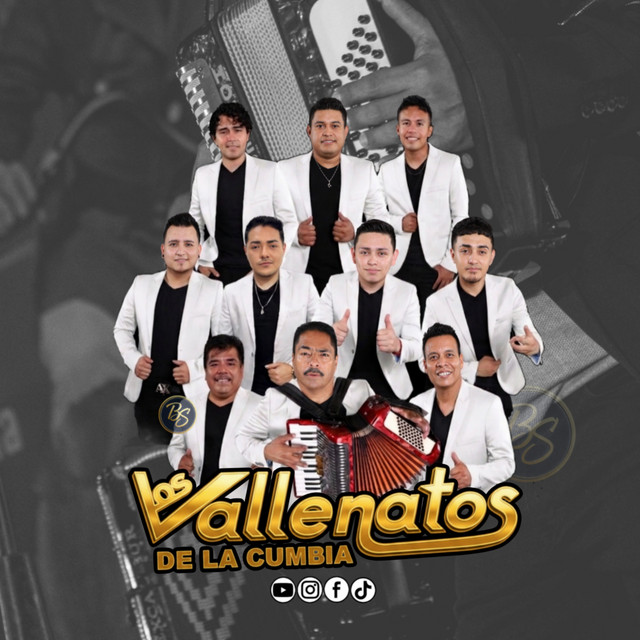
Los Vallenatos De La Cumbia
Cumbia Colombiana Regia
Cumbia
Cumbia Sonidera
3
/5
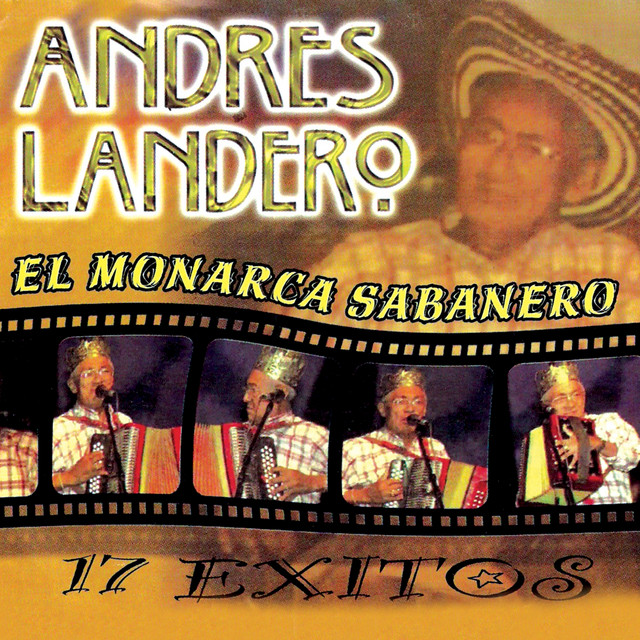
Andres Landero
Cumbia Colombiana Regia
Vallenato
Cumbia
3
/5
Paco Silva y su Tropa Colombiana
Cumbia
Cumbia Colombiana Regia
Cumbia Sonidera
2
/5
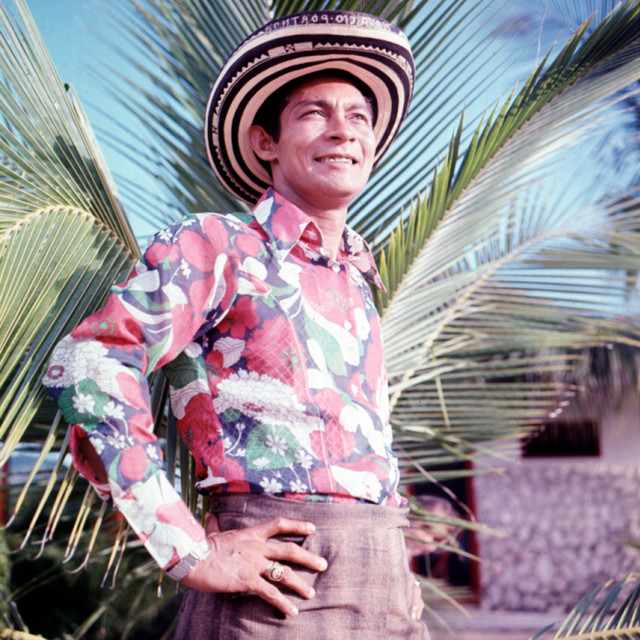
Andres Landero Y Su Conjunto
Cumbia Colombiana Regia
Vallenato
Cumbia
2
/5
Los Reyes Vallenatos
Cumbia
Cumbia Sonidera
Vallenato
2
/5
Vallenatos De La Cumbia
Cumbia
Cumbia Sonidera
Vallenato
1
/5
Various Artists
Afro-Funk
Alternative Rock
Ambient
4
/5
Celso Piña
Cumbia Colombiana Regia
Cumbia Sonidera
Cumbia
3
/5
Negro Gzz y los Aferra2
Cumbia
Cumbia Sonidera
Vallenato
Download our mobile app
Get the Melodigging app and start digging for new genres on the go
Download on the App Store
Get it on Google Play
© 2026 Melodigging
Give feedback
Legal
Melodding was created as a tribute to
Every Noise at Once
, which inspired us to help curious minds keep digging into music's ever-evolving genres.