Genres
Artists
Albums
Make Music
Sign in
Sign in
Artists
Mpb
Artists
Mpb
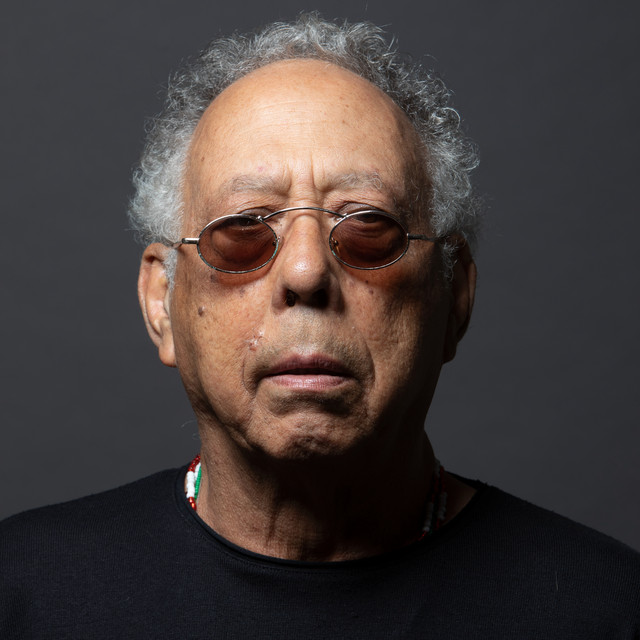
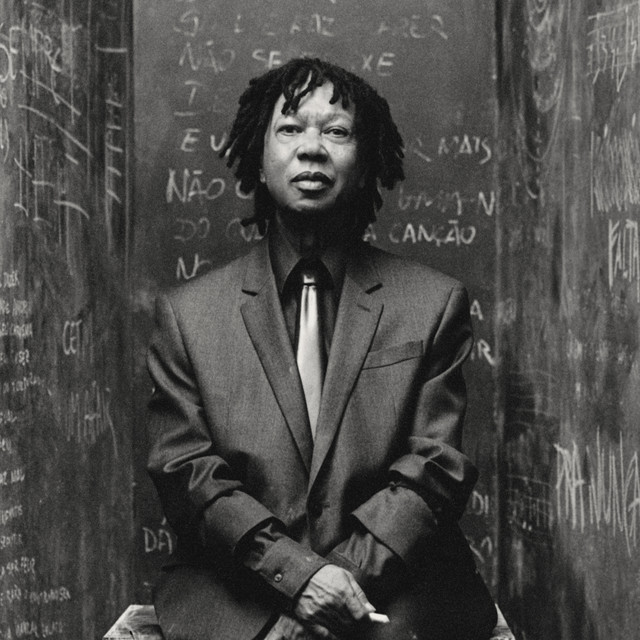
Jards Macalé
1972–2019
·
4 albums
Listen
2
/5
Genres
Nova Vanguarda Paulistana
Nova vanguarda paulistana is a 21st‑century renewal of São Paulo’s avant‑garde song movement, reviving the independent, experimental spirit of the original Vanguarda Paulista (late 1970s–1980s) while speaking to contemporary urban Brazil. It blends MPB songwriting with angular guitars, jazz‑inflected horns, Afro‑Brazilian percussion (candomblé/ijexá toques), samba’s rhythmic vocabulary, and post‑punk/no wave edge. The results are songs that are literate and socially aware, yet physically driven by polyrhythms and timbral experimentation.
Discover
Listen
Neo-Psicodelia Brasileira
Neo-psicodelia brasileira (Brazilian neo-psychedelia) is a contemporary wave of Brazilian artists who revive and reinvent classic 1960s/70s psychedelic aesthetics through today’s indie-rock, dream-pop, shoegaze, and experimental production. Marked by shimmering guitars drenched in reverb and fuzz, hypnotic grooves that often nod to Brazilian rhythmic DNA (from Tropicália’s eclecticism to samba, baião, and maracatu pulses), and kaleidoscopic synth textures, the style pairs vintage tones with modern bedroom-studio craft. Portuguese lyrics frequently blend surreal imagery with everyday urban poetics, creating a sound that is at once nostalgic and forward-looking. This scene flourished around DIY venues, independent labels, and digital communities across Brazil, with a particularly strong footprint in cities like São Paulo, Goiânia, Belo Horizonte, and Recife. The result is a colorful, exploratory ecosystem that treats psychedelia not as pure retro revival but as a living vocabulary.
Discover
Listen
Mpb
MPB (Música Popular Brasileira) is a broad Brazilian popular music movement that crystallized in the mid-1960s after bossa nova. It blends samba and other regional rhythms with jazz harmony, singer‑songwriter craft, and elements of contemporary pop and rock. The style is marked by sophisticated melodies, extended harmonies, inventive arrangements, and lyrically rich songs that often use poetry and metaphor. Many classic MPB works balance intimacy (voice and violão/nylon‑string guitar) with lush studio orchestration, drawing from samba‑canção, choro, baião, and frevo while engaging modern influences. Historically, MPB provided a platform for social commentary during Brazil’s military dictatorship, with artists employing allegory to navigate censorship. It remains a living tradition that continually renews itself through new generations (“nova MPB”).
Discover
Listen
Jazz Rock
Jazz rock is a hybrid style that merges the improvisational language and harmonic richness of jazz with the amplified energy, backbeat, and song forms of rock. It typically features electric guitar, bass, and drums alongside jazz-oriented instruments such as saxophone, trumpet, and keyboards, often arranged in horn sections. Extended chords, syncopation, and improvisation coexist with catchy riffs and driving grooves, yielding music that is both virtuosic and accessible. While closely related to jazz fusion, jazz rock generally keeps a stronger tie to rock songcraft and backbeat-centered rhythms.
Discover
Listen
Tropicália
Tropicália (also known as Tropicalismo) is a late‑1960s Brazilian movement that fused local popular and folkloric forms with global pop and rock, avant‑garde ideas, and mass‑media aesthetics. It treated culture with an "antropofagia" (cultural cannibalism) ethos—cheerfully absorbing and transforming foreign influences alongside Brazilian traditions. Musically, it blends samba and baião rhythms, bossa nova harmonies, psychedelic rock timbres, collage‑like arrangements, and orchestral color. Lyricists used irony, allegory, and vivid imagery to comment on modernity and politics under Brazil’s military dictatorship. The result is music that feels playful yet subversive, sophisticated yet immediate, and unmistakably Brazilian.
Discover
Listen
Latin
Latin (as a genre label) is a broad umbrella used by the recording industry to categorize popular music rooted in Latin America, the Caribbean, and the Iberian world, often characterized by syncopated Afro-diasporic rhythms, dance-forward grooves, and lyrics primarily in Spanish or Portuguese. As a marketplace category that took shape in the mid-20th century United States, it gathers diverse traditions—Afro-Cuban, Brazilian, Mexican, and Caribbean styles—into a shared space. In practice, "Latin" spans everything from big-band mambo and bolero ballads to contemporary pop, rock, hip hop, and dance fusions produced by artists of Latin American heritage.
Discover
Listen
Samba De Breque
Samba de breque is a comic, narrative-driven substyle of Rio de Janeiro samba marked by sudden stop-time breaks (the breque, or “brake”) in which the singer inserts spoken asides, jokes, and rapid-fire commentary before the band kicks back in. Built on the classic samba groove but punctuated by dramatic silences and hits, it spotlights the malandro persona (a streetwise trickster) and witty storytelling. Its arrangements typically feature cavaquinho, 7-string guitar, pandeiro, surdo, and brass or reeds, while the vocalist toggles between sung lines and theatrical speech for humorous, punchline-like effect.
Discover
Listen
Samba-Canção
Samba-canção is a Brazilian song style that slows down the rhythmic drive of samba and foregrounds a crooning, intimate vocal delivery. It is characterized by sentimental, often bittersweet lyrics (the famed dor-de-cotovelo "broken‑hearted" ethos), lyrical melodies, and harmonically rich progressions that anticipate the sophistication later associated with bossa nova. Arrangements typically feature voice with piano or guitar, plus subtle percussion and, in many classic recordings, strings or small orchestra. While it retains samba’s syncopated feel, the groove is gentler and more rubato-friendly, favoring mood and storytelling over dancefloor propulsion.
Discover
Listen
Jazz
Jazz is an improvisation-centered music tradition that emerged from African American communities in the early 20th century. It blends blues feeling, ragtime syncopation, European harmonic practice, and brass band instrumentation into a flexible, conversational art. Defining features include swing rhythm (a triplet-based pulse), call-and-response phrasing, blue notes, and extended harmonies built on 7ths, 9ths, 11ths, and 13ths. Jazz is as much a way of making music—spontaneous interaction, variation, and personal sound—as it is a set of forms and tunes. Across its history, jazz has continually hybridized, from New Orleans ensembles and big-band swing to bebop, cool and hard bop, modal and free jazz, fusion, and contemporary cross-genre experiments. Its influence permeates global popular and art music.
Discover
Listen
Show all 9 genres
Albums
2019
1
/5
Besta fera
Jards Macalé
Nova Vanguarda Paulistana
1987
1
/5
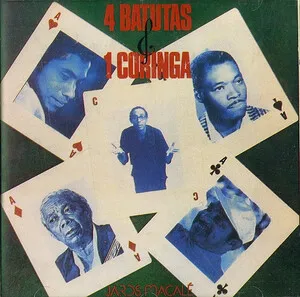
4 batutas & 1 coringa
Jards Macalé
Samba-Canção
1972
3
/5
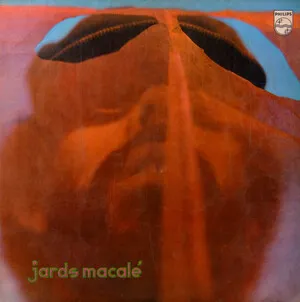
Jards Macalé
Jards Macalé
Jazz Rock
Jazz
Latin
Jards Macalé canta Moreira da Silva
Jards Macalé
Samba De Breque
Similar artists
1
/5
Various Artists
Afro-Funk
Alternative Rock
Ambient
4
/5
Djavan
Mpb
Sophisti-Pop
Bossa Nova
4
/5
Antônio Carlos Jobim
Bossa Nova
Latin Jazz
Brazilian Jazz
4
/5
Jorge Ben Jor
Samba
Mpb
Samba-Rock
4
/5
Vanessa Da Mata
Mpb
Samba
Nova Mpb
4
/5
Toquinho
Bossa Nova
Mpb
Samba
4
/5
Milton Nascimento
Mpb
Clube Da Esquina
Bossa Nova
4
/5
Vinícius de Moraes
Bossa Nova
Mpb
Samba
3
/5
Novos Baianos
Samba-Rock
Mpb
Tropicália
1
/5
RUMO
Mpb
Nova Vanguarda Paulistana
Vanguarda Paulista
Download our mobile app
Get the Melodigging app and start digging for new genres on the go
Download on the App Store
Get it on Google Play
© 2026 Melodigging
Give feedback
Legal
Melodding was created as a tribute to
Every Noise at Once
, which inspired us to help curious minds keep digging into music's ever-evolving genres.