Genres
Artists
Albums
Make Music
Sign in
Sign in
Artists
Dark Ambient
Artists
Dark Ambient
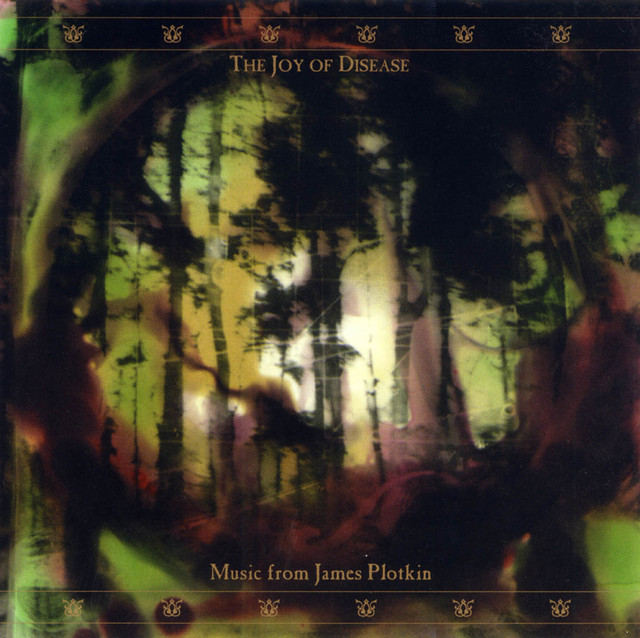
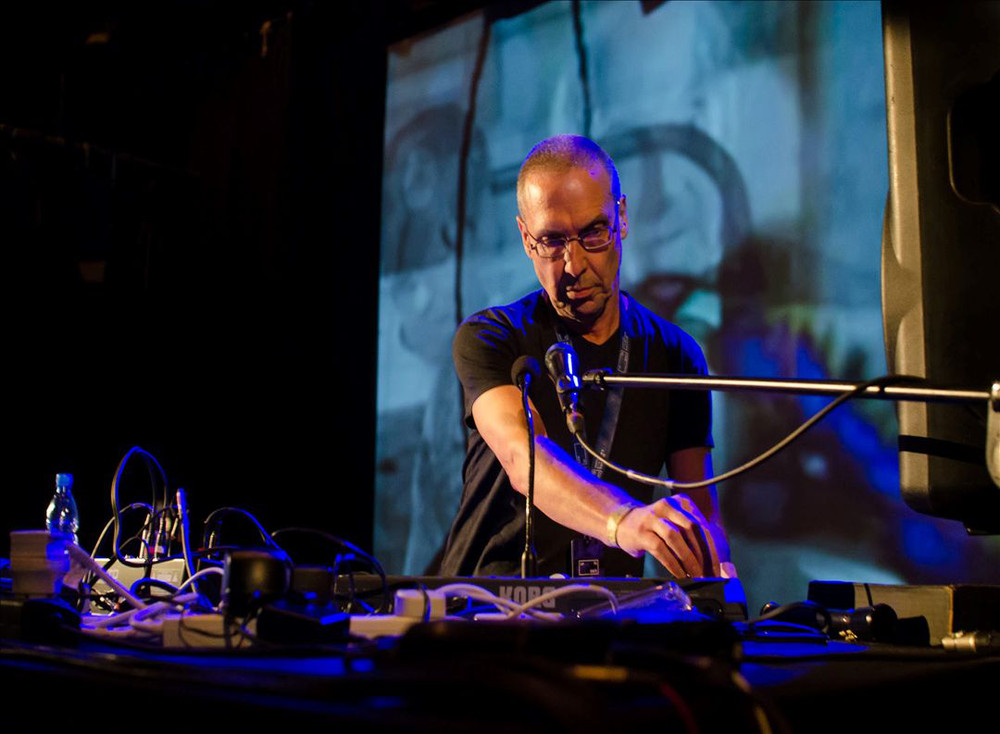
James Plotkin
1998
·
1 album
Listen
1
/5
Genres
Ambient Dub
Ambient dub fuses the studio-as-instrument ethos of Jamaican dub with the spacious textures and slow-motion pacing of ambient and ambient house. It is marked by deep sub‑bass, echo‑drenched percussion, and vast, reverb‑heavy soundscapes where delays, filtering, and tape‑style feedback become primary compositional tools. Tracks tend to be long, hypnotic, and minimal, often incorporating field recordings, gentle synth pads, and fragmentary vocals that are treated as atmospheric elements rather than lyrical leads. Emerging in the early 1990s UK, the style crystallized through influential artists and compilations that showcased a reflective, psychedelic, and immersive approach to dub-informed electronic music.
Discover
Listen
Post-Rock
Post-rock is a style that uses traditional rock instrumentation—guitars, bass, drums, and often piano or strings—to create expansive textures, evolving soundscapes, and dynamic arcs rather than conventional verse–chorus songs. It emphasizes timbre, atmosphere, and gradual development: clean or lightly overdriven guitars drenched in delay and reverb, cyclical ostinatos, layered crescendos, and pronounced quiet–loud dynamics. Vocals, if present, are often sparse, wordless, or treated as another textural layer. The genre draws heavily from ambient, minimalism, krautrock, progressive and space rock, shoegaze, noise rock, and experimental practices, yielding music that can feel cinematic, contemplative, and emotionally cathartic.
Discover
Listen
Dark Ambient
Dark ambient is a post‑industrial subgenre that coalesced in the mid‑1980s, drawing primarily on ambient music but shifting its focus toward ominous, subterranean space and timbre. It is characterized by long, low‑frequency drones; dissonant or microtonal overtones; and an enveloping, gloomy or catacomb‑like atmosphere. While largely electronic (synthesizers, samplers, tape and digital processing), artists frequently incorporate field recordings, contact‑mic textures, bowed metal, gongs, and fragments of traditional instruments captured with semi‑acoustic techniques and then heavily processed. Melody and pulse are minimized; instead the music emphasizes immersive sound design, psychoacoustic detail, and slowly evolving textures that evoke dread, awe, and isolation.
Discover
Listen
Ambient Industrial
Ambient industrial is a subgenre of dark ambient that fuses the spacious, textural focus of ambient music with the corroded timbres, machine noise, and found-sound strategies of industrial and post‑industrial music. Instead of melody and conventional rhythm, it privileges atmosphere: low‑frequency rumbles, metallic drones, cavernous reverb, spectral overtones, and slowly evolving sound masses. Field recordings (factories, ventilation shafts, tunnels), tape manipulation, feedback, and electroacoustic processing are common, as are techniques borrowed from musique concrète and drone. The result is an immersive yet ominous sound world—often beatless and minimal—whose purpose is to evoke place, memory, and psychological space as much as to “compose” in the traditional sense. Compared with broader dark ambient, ambient industrial tends to sound more material and mechanical: grit, hiss, clatter, hum, and resonance are treated as primary musical objects, encouraging both passive contemplation and detailed, acousmatic listening.
Discover
Listen
Post-Industrial
Post-industrial is an umbrella term for the diverse musical currents that evolved out of first‑wave industrial music in the early 1980s. Rather than a single sound, it describes a methodology: the recontextualization of noise, tape collage, found sound, non‑traditional percussion, and transgressive or esoteric themes into new hybrids. It commonly emphasizes textural experimentation over conventional song form, drawing on ambient drones, harsh electronics, ritualistic rhythms, and performance-art strategies. The scene grew through DIY cassette culture, mail‑art networks, and small independent labels, fostering substyles like power electronics, dark ambient, neofolk, martial industrial, and illbient. Aesthetically, post‑industrial retains industrial’s confrontational stance but disperses it into atmospheric, political, mystical, and avant‑garde directions, making it as much a way of working with sound and media as a genre label.
Discover
Listen
Ambient
Ambient is a form of electronic and electroacoustic music that prioritizes tone, atmosphere, and texture over conventional song structures and rhythmic drive. It typically features slow-moving harmonies, sustained drones, gentle timbral shifts, and extensive use of space and silence. Rather than drawing attention to itself through hooks or beats, ambient is designed to be as ignorable as it is interesting, rewarding both background listening and focused immersion. Artists often employ synthesizers, samplers, tape loops, field recordings, and subtle acoustic instruments, with reverb and delay creating a sense of place. Substyles range from luminous, consonant soundscapes to darker, more dissonant atmospheres.
Discover
Listen
Drone
Drone is a minimalist music genre defined by sustained tones, long durations, and extremely gradual change. Harmony is often static or centered on a single fundamental with subtle overtone shifts, while rhythm tends toward stasis or very slow pulses. Sound sources range from acoustic instruments (e.g., strings, organ, bagpipes, shruti box, tambura) to electronics (sine waves, oscillators, feedback, tape loops, and later digital synthesis and processing). Many composers favor just intonation or other alternative tuning systems to emphasize beating patterns, psychoacoustic effects, and the internal life of sound. Although drone as a sonic principle is ancient and global, the modern experimental genre cohered in the 1960s through the New York minimalists and related avant‑garde circles, then spread into ambient, experimental, and heavy music scenes. The focus is less on melody and more on timbre, resonance, and the phenomenology of listening.
Discover
Listen
Free Jazz
Free jazz is a radical branch of jazz that rejects fixed chord progressions, strict meter, and conventional song forms in favor of collective improvisation, textural exploration, and spontaneous interaction. Musicians prioritize timbre, dynamics, and gesture as much as pitch and harmony, often using extended techniques (multiphonics, overblowing, prepared piano) and unconventional sounds. While rooted in the blues and earlier jazz vocabularies, free jazz frees improvisers from pre-set harmonic cycles, allowing lines to unfold over tonal centers, shifting modes, drones, or complete atonality. Rhythm sections may float without a steady pulse, or drive with layered polyrhythms and “energy playing.” The result ranges from contemplative soundscapes to cathartic, high-intensity eruptions. Culturally, the genre intersected with the civil rights era and broader avant-garde movements, emphasizing autonomy, community, and new possibilities for musical expression.
Discover
Listen
Show all 8 genres
Albums
1998
A Peripheral Blur
James Plotkin, Mark Spybey
Ambient Industrial
Similar artists
1
/5
Scanner
Ambient
Electronic
Dark Ambient
2
/5
Lustmord
Dark Ambient
Ritual Ambient
Ambient
2
/5
Thomas Köner
Ambient
Dark Ambient
Drone
1
/5
vidnaObmana
Ambient
Deep Ambient
Dark Ambient
1
/5
Rapoon
Tribal Ambient
Ambient
Dark Ambient
1
/5
Final
Ambient
Dark Ambient
Drone
1
/5
Troum
Ambient
Dark Ambient
Drone
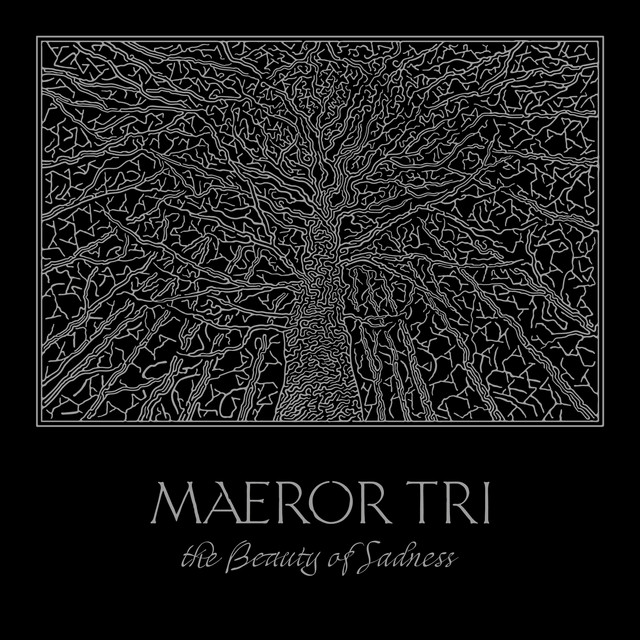
Maeror Tri
Dark Ambient
Ambient Industrial
Ambient
2
/5
Merzbow
Japanoise
Noise
Harsh Noise
2
/5
Prurient
Industrial
Noise
Fort Thunder Scene
Download our mobile app
Get the Melodigging app and start digging for new genres on the go
Download on the App Store
Get it on Google Play
© 2026 Melodigging
Give feedback
Legal
Melodding was created as a tribute to
Every Noise at Once
, which inspired us to help curious minds keep digging into music's ever-evolving genres.