Genres
Artists
Albums
Make Music
Sign in
Sign in
Artists
Chicago Soul
Artists
Chicago Soul
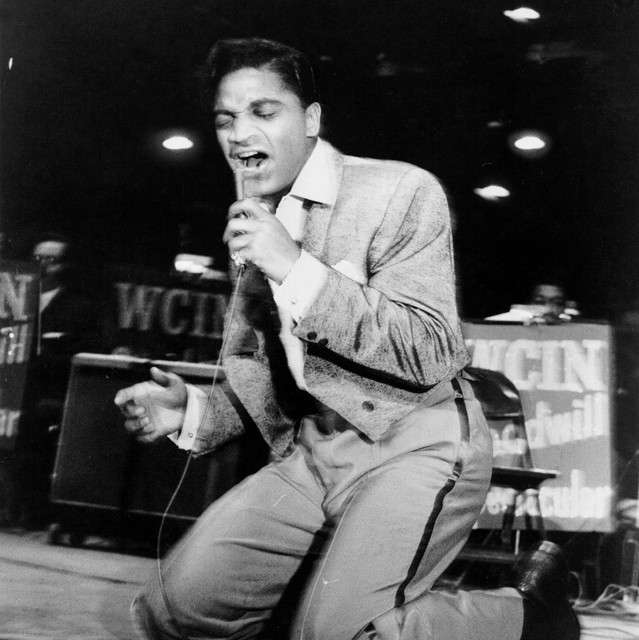
Jackie Wilson
1959–1976
·
3 albums
Listen
3
/5
Genres
Shimmer Psych
Shimmer psych is a contemporary strand of neo‑psychedelia that pairs sparkling, chorus‑washed guitars and gauzy vocal harmonies with dreamy pop songcraft. It emphasizes high‑end "shimmer," tape‑soft saturation, hypnagogic textures, and melodic hooks, sitting between dream pop, jangle pop, and classic psychedelic rock. Typical tracks are mid‑tempo, built on warm bass lines, gentle motorik or laid‑back breakbeats, and drenched in reverb, phaser, and delay. The result is sun‑bleached, nostalgic, and kaleidoscopic rather than heavy or jam‑oriented.
Discover
Listen
Souldies
Souldies is a modern revival of classic lowrider “oldies” soul—slow, tender ballads rooted in 1960s and early-’70s sweet soul and doo‑wop aesthetics, reimagined by a new generation of largely Chicano/Latinx artists in Southern California. Characterized by warm, analog-leaning production, mellow backbeats, honeyed vocal harmonies, and heart‑on‑sleeve lyricism, the style favors mid‑slow tempos, tape‑like saturation, spring/plate reverb, and minimalist yet expressive arrangements. English and Spanish (or Spanglish) lyrics often explore love, longing, devotion, and cruising/lowrider culture. Souldies sits at the intersection of classic soul, rhythm & blues, northern soul selections, and Latin soul, offering a contemporary, community‑centered sound that feels both timeless and newly personal.
Discover
Listen
Chicago Soul
Chicago soul is a smooth, melodic branch of 1960s soul music that grew out of the city’s rich gospel, doo‑wop, and rhythm & blues traditions. Compared with the harder-edged Southern soul and the tightly percussive Motown sound, Chicago soul favors graceful string and horn arrangements, warm vocal harmonies, and a polished, pop-aware production aesthetic. It is defined by clean rhythm sections, gospel-inflected leads (often with falsetto), call-and-response backgrounds, and lyrical themes that range from tender romance to community uplift and social conscience. Key labels (Chess, Vee‑Jay, Okeh, Brunswick, and later Curtom) and producers/arrangers (notably Carl Davis and Johnny Pate) shaped a signature sound that balanced church-born emotion with urbane sophistication.
Discover
Listen
Classic Soul
Classic soul is the 1960s–early 1970s strain of soul music that fused gospel's emotive vocals and church-derived harmony with the backbeat and instrumentation of rhythm & blues. It emphasizes powerful lead singing, call-and-response with background vocals, tight rhythm sections, and punchy horn arrangements. The sound ranges from uptempo, danceable singles to deeply expressive ballads in 12/8 time. Production is typically warm and analog, with live bands, tambourine and handclaps on the backbeat, and arrangements crafted for immediacy and drama. Lyrical themes center on love, heartbreak, perseverance, community, and, at times, social conscience.
Discover
Listen
Motown
Motown (often called the "Motown Sound" or Detroit soul) is a sleek, hook-driven form of soul that fused Black gospel fervor and rhythm & blues groove with pop songwriting craft and radio-friendly production. Born out of Berry Gordy Jr.’s Motown Records in Detroit, the sound emphasized strong melodies, tight vocal harmonies, and a driving backbeat designed for broad crossover appeal. Hallmarks include tambourine on the backbeat, handclaps, punchy horns and strings, shimmering glockenspiel or vibraphone accents, and highly melodic bass lines. Lead vocals often deliver heartfelt, universal stories of love and heartbreak, answered by responsive background harmonies. Songs typically use concise verse–chorus forms, bridges, and modulations to keep energy rising. Behind many hits was the Motown house band, the Funk Brothers, whose danceable grooves powered an assembly-line approach to songwriting and production—resulting in an unmatched run of chart-topping records that reshaped the sound of American pop.
Discover
Listen
Northern Soul
Northern soul is a British dance and record‑collecting movement that champions fast, dramatic, and often obscure American soul singles from the mid‑1960s. Rooted in the mod scene, it favors Motown‑influenced 4/4 "stompers" with driving backbeats, tambourine, handclaps, punchy horns, and soaring vocals. Rather than a studio-born genre, northern soul is a club culture defined by DJs, dancers, and rare 7-inch singles. Its identity centers on high-tempo soul songs (typically 120–135 BPM), euphoric choruses, and romantic or inspirational themes that keep dancefloors moving through all‑night sessions.
Discover
Listen
Pop Soul
Pop soul is a crossover style that blends the emotive vocals, gospel-rooted harmonies, and backbeat of soul music with the concise song forms, catchy hooks, and polished production of mainstream pop. It emphasizes memorable choruses, smooth lead vocals, tight background harmonies, and radio-friendly arrangements designed for broad appeal. The sound is often defined by a crisp rhythm section, tambourine on the backbeat, melodic bass lines, piano/organ comping, handclaps, and lush string or horn arrangements. Originating with the Motown hit-making model, pop soul prized sophisticated songwriting and sleek studio craft that could connect equally on the dance floor and the pop charts.
Discover
Listen
Soul
Soul is a genre of popular music that blends the spiritual fervor and vocal techniques of African‑American gospel with the grooves and song forms of rhythm & blues and the harmonic palette of jazz and blues. It is defined by impassioned, melismatic lead vocals; call‑and‑response with backing singers; handclaps and a strong backbeat; syncopated bass lines; and memorable horn or string riffs. Typical instrumentation includes drum kit, electric bass, electric guitar, piano or Hammond organ, horns (trumpet, saxophone, trombone), and sometimes orchestral strings. Lyrically, soul ranges from love and heartbreak to pride, social commentary, and spiritual yearning. Regionally distinct scenes—such as Detroit’s Motown, Memphis/Stax, Muscle Shoals, Chicago, New Orleans, and Philadelphia—shaped different flavors of soul, while the style’s emotional directness and rhythmic drive made it a cornerstone of later funk, disco, contemporary R&B, and hip hop.
Discover
Listen
Rock And Roll
Rock and roll is a high-energy, dance-oriented popular music style that emerged in the United States in the early-to-mid 1950s. It fuses the 12‑bar blues and boogie‑woogie with the backbeat and instrumentation of rhythm & blues, the twang and storytelling of country, and the fervor of gospel. Its hallmark sound centers on a strong backbeat (accented on beats 2 and 4), driving rhythm sections, electric guitar riffs, prominent piano or saxophone leads, and catchy, chorus-forward songwriting. Typical harmonies revolve around I–IV–V progressions, often in 12-bar form, with swung or shuffle feels and punchy turnarounds. Culturally, rock and roll catalyzed a youth movement linked to dancing, teen identity, and social change. It bridged racial audiences by popularizing Black American musical traditions for mainstream listeners, and it laid the foundation for subsequent rock styles and much of modern pop.
Discover
Listen
Doo-Wop
Doo-wop is a vocal harmony–driven style of rhythm and blues that blossomed in mid-century urban America. Built around lead-tenor melodies, lush background harmonies, and playful nonsense syllables (the source of its name), the genre blends church-bred gospel techniques with street-corner spontaneity. Musically, doo-wop favors simple, singable chord cycles—especially the “’50s progression” (I–vi–IV–V)—a steady 4/4 or lilting 12/8 feel, and call-and-response between lead and backing parts. Arrangements range from a cappella to small combos with guitar, piano, bass, light drums, and occasional saxophone. Lyrically, the songs are often teen-centered: romance, longing, heartbreak, and devotion. The sound emerged in the late 1940s within African-American communities and soon resonated across ethnic lines, inspiring groups in cities such as New York, Philadelphia, Chicago, Detroit, and Los Angeles. Its polished harmonies, sweet ballads, and hooky refrains helped shape early rock and roll and later pop harmony traditions.
Discover
Listen
R&b
R&B (Rhythm and Blues) is a vocal- and groove-centered popular music tradition that blends blues tonality, jazz harmony, and gospel-inflected singing with a steady backbeat. It emphasizes expressive lead vocals, call-and-response, lush harmonies, and danceable rhythms. From its 1940s roots in African American communities to its later evolutions, R&B has continually absorbed and reshaped surrounding sounds—from jump blues and swing in the early days to soul, funk, hip hop, and electronic production in the contemporary era. Today, R&B ranges from intimate, slow-burning ballads to club-ready tracks, all tied together by a focus on feel, melody, and vocal performance.
Discover
Listen
Traditional Pop
Traditional pop is the pre–rock and roll mainstream of American popular song, centered on the Great American Songbook and the crooner/orchestral style that dominated radio, records, and film musicals from the 1930s through the 1950s. It favors memorable melodies, elegant lyrics (often about romance), and lush arrangements for strings, woodwinds, and big band rhythm sections. Singers use close‑mic "crooning" to deliver expressive, legato phrasing over jazz‑tinged harmonies and steady, unhurried grooves. Typical forms include the 32‑bar AABA standard, with sophisticated but accessible harmony (secondary dominants, ii–V–I cycles, tasteful modulations) and an emphasis on interpretation—how the vocalist shades timing, dynamics, and diction to make a familiar song feel personal.
Discover
Listen
Blues
Blues is an African American musical tradition defined by expressive "blue notes," call-and-response phrasing, and a characteristic use of dominant-seventh harmony in cyclical song forms (most famously the 12‑bar blues). It is as much a feeling as a form, conveying sorrow, resilience, humor, and hard-won joy. Musically, blues commonly employs the I–IV–V progression, swung or shuffled rhythms, and the AAB lyric stanza. Melodies lean on the minor/major third ambiguity and the flattened fifth and seventh degrees. Core instruments include voice, guitar (acoustic or electric), harmonica, piano, bass, and drums, with slide guitar, bends, and vocal melismas as signature techniques. Over time the blues has diversified into regional and stylistic currents—Delta and Piedmont country blues, urban Chicago and Texas blues, West Coast jump and boogie-woogie—while profoundly shaping jazz, rhythm & blues, rock and roll, soul, funk, and much of modern popular music.
Discover
Listen
Show all 13 genres
Albums
1976
1
/5
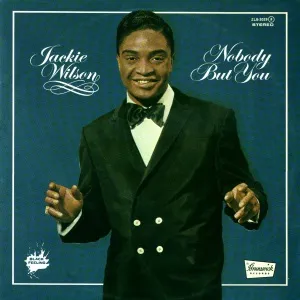
Nobody but You
Jackie Wilson
Chicago Soul
1967
4
/5
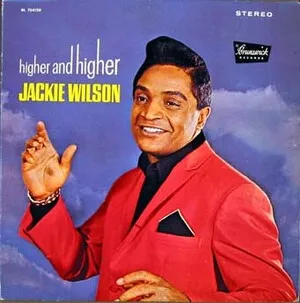
Higher and Higher
Jackie Wilson
Chicago Soul
R&b
Soul
1959
3
/5
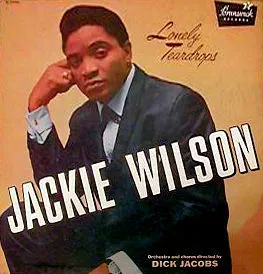
Lonely Teardrops
Jackie Wilson
Doo-Wop
Blues
Soul
Similar artists
1
/5
Various Artists
Afro-Funk
Alternative Rock
Ambient
4
/5
Curtis Mayfield
Chicago Soul
Soul
Funk
3
/5
The Impressions
Chicago Soul
Classic Soul
Doo-Wop
4
/5
Marvin Gaye
Motown
Soul
Northern Soul
3
/5
Smokey Robinson & The Miracles
Motown
Soul
Classic Soul
3
/5
The Shirelles
Doo-Wop
Girl Group
Motown
3
/5
Jerry Butler
Philly Soul
Chicago Soul
Classic Soul
3
/5
Donny Hathaway
Chicago Soul
Soul
Southern Soul
3
/5
Syl Johnson
Chicago Soul
Soul
Classic Soul
4
/5
Etta James
Soul
Blues
Soul Blues
Download our mobile app
Get the Melodigging app and start digging for new genres on the go
Download on the App Store
Get it on Google Play
© 2026 Melodigging
Give feedback
Legal
Melodding was created as a tribute to
Every Noise at Once
, which inspired us to help curious minds keep digging into music's ever-evolving genres.