Genres
Artists
Albums
Make Music
Sign in
Sign in
Artists
Classical Electronic Music
Artists
Classical Electronic Music
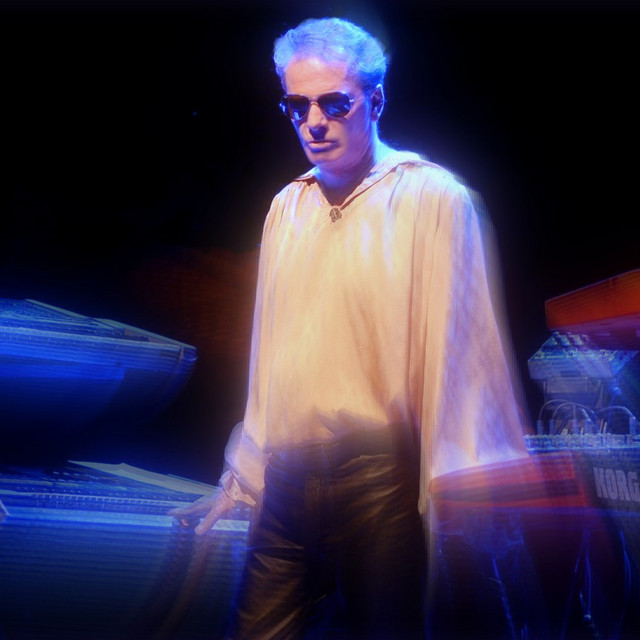
Isao Tomita
1984–2012
·
2 albums
Listen
2
/5
Genres
Artcore
Artcore is a subgenre of hardcore techno that fuses high-BPM club energy with the orchestral colors and dramatic writing of cinematic classical music. Producers combine pounding four-on-the-floor kicks, breakbeats, and modern EDM sound design with strings, piano, choirs, and sweeping harmonic progressions. The result is a maximalist, emotive style: towering builds, through-composed sections, key changes, and leitmotifs are common, while supersaw leads, reese basses, and intricate percussion keep the dancefloor intensity. The sound took shape in Japan’s doujin and rhythm-game circles, but it has since spread globally among electronic musicians who favor epic, narrative arrangements.
Discover
Listen
Candy Pop
Candy pop is a super-bright, hook-forward branch of contemporary pop that emphasizes sweetness in both sound and theme. It blends bubblegum-style melodies with modern, glossy production, favoring catchy toplines, clean harmonies, and playful textures. Arrangements lean on glittery synths, claps, hand-percussion, and buoyant four-on-the-floor or bouncy half-time beats. Lyrics typically revolve around crushes, friendship, first love, and carefree fun, delivered with enthusiastic, youthful vocals. Compared with classic bubblegum pop, candy pop adopts current pop techniques (EDM builds, post-chorus hooks, subtle trap-lite percussion) and borrows visual and melodic cues from J-pop and K-pop’s “kawaii” aesthetics.
Discover
Listen
Modern Classical
Modern classical is a contemporary strand of instrumental music that applies classical composition techniques to intimate, cinematic settings. It typically foregrounds piano and strings, is sparsely orchestrated, and embraces ambience, repetition, and timbral detail. Rather than the academic modernism of the early 20th century, modern classical as used today refers to accessible, mood-driven works that sit between classical, ambient, and film music. Felt pianos, close‑miked string quartets, tape hiss, drones, soft electronics, and minimal harmonic movement are common, producing a contemplative, emotionally direct sound that translates well to headphones, streaming playlists, and screen media.
Discover
Listen
New Age
New age is a largely instrumental, mood-driven genre that emphasizes calm, spacious textures and a sense of spiritual or contemplative uplift. It blends gentle electronic timbres, acoustic instruments, and global/folk influences to create immersive soundscapes intended for relaxation, meditation, and introspection. Hallmarks include slow tempos or free time, long sustaining pads, modal and consonant harmonies, nature field recordings, and unobtrusive rhythms. The music often avoids dramatic tension in favor of openness and continuity, conveying themes of inner peace, nature, and the transcendent.
Discover
Listen
Space Music
Space music is an ambient-leaning form of electronic and acoustic soundscaping designed to evoke vastness, weightlessness, and the mystery of the cosmos. It favors long, slowly evolving textures, deep drones, and luminous harmonies over conventional song structure, rhythm, or melody. The style grew around sustained synthesizer pads, sequencer patterns, and expansive reverberation, often integrating field recordings or processed acoustic instruments. Whether contemplative or awe‑struck, its intent is to transport the listener into a spacious, imaginal soundfield—akin to drifting through celestial environments and deep time.
Discover
Listen
Moogsploitation
Moogsploitation is a retroactively coined term for the late-1960s and early-1970s wave of pop-oriented records that showcased the Moog synthesizer as a novelty attraction. These albums typically featured playful, technicolor arrangements, catchy lead lines, and filter-swept timbres, often covering current chart hits, film themes, or familiar classical tunes in a cheeky, futuristic style. Sonically, moogsploitation sits at the crossroads of lounge and easy listening, space age pop, and early electronic experimentation. It foregrounds monophonic Moog leads, burbling bass ostinatos, spring/plate reverbs, tape echo, and stereo panning tricks, while rhythm sections lean on light pop, bossa-nova, or shuffle grooves. The genre blossomed after the commercial success of Wendy Carlos’s Switched-On Bach (1968), prompting labels and arrangers to release “Moog-ified” LPs that celebrated the synthesizer’s new, otherworldly character.
Discover
Listen
Classical Electronic Music
Electronic classical is a crossover tradition that applies classical composition techniques, forms, and aesthetics to electronic sound sources and studio practices. It spans from post‑war tape and oscillator experiments by academic composers to later synthesizer reinterpretations of the classical canon and, more recently, hybrid concert works for strings, piano, and electronics. Typical traits include orchestral or chamber writing adapted for electronic timbres, through‑composed structures, extended techniques captured and processed, and a palette that ranges from pure sine tones and noise to lush analog pads and granular textures.
Discover
Listen
Electronic
Electronic is a broad umbrella genre defined by the primary use of electronically generated or electronically processed sound. It encompasses music made with synthesizers, drum machines, samplers, computers, and studio/tape techniques, as well as electroacoustic manipulation of recorded or synthetic sources. The genre ranges from academic and experimental traditions to popular and dance-oriented forms. While its sonic palette is rooted in electricity and circuitry, its aesthetics span minimal and textural explorations, structured song forms, and beat-driven club permutations. Electronic emphasizes sound design, timbre, and studio-as-instrument practices as much as melody and harmony.
Discover
Listen
Impressionism
Impressionism in music is a late-19th- and early-20th-century style that prioritizes color, atmosphere, and suggestion over overt drama and functional harmonic progressions. Originating in France, it parallels the visual arts movement in its fascination with light, timbre, and fleeting impressions. Musically, the style favors modal, pentatonic, and whole‑tone materials; parallel (planed) chords; unresolved dissonances; and ambiguous tonal centers. Rhythms are flexible and often blur a sense of strong meter, while textures shimmer through delicate orchestration, pedal tones, and arpeggiated figures. Rather than strict sonata designs, impressionist works tend to be episodic, evocative, and programmatic, conjuring landscapes, water, night, and dreamlike states.
Discover
Listen
Show all 9 genres
Albums
2012
2
/5
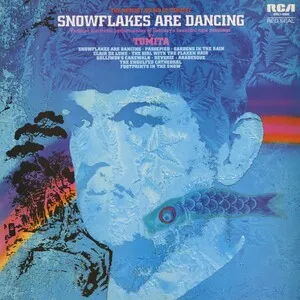
Snowflakes Are Dancing
Claude Debussy / Tomita
Moogsploitation
Impressionism
1984
1
/5
The Planets
Gustav Holst / Tomita
Moogsploitation
Classical Electronic Music
Electronic
Similar artists
3
/5
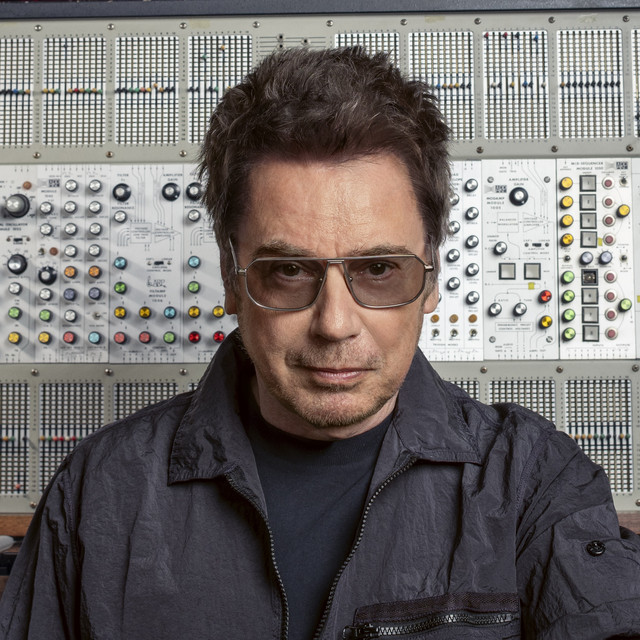
Jean-Michel Jarre
Electronic
Laboratorio
Ambient
3
/5
Tangerine Dream
Berlin School
Progressive Electronic
Ambient
2
/5
Steve Roach
Ambient
Electronic
Space Ambient
2
/5
Klaus Schulze
Berlin School
Ambient
Electronic
2
/5
Jonn Serrie
Ambient
Space Ambient
Drone
2
/5
Robert Rich
Ambient
Tribal Ambient
Electronic
2
/5
Michael Stearns
Ambient
Space Ambient
New Age
2
/5
Tim Story
Ambient
New Age
Space Music
2
/5
Constance Demby
Ambient
New Age
Space Music
2
/5
Mark Seelig
Tribal Ambient
Ambient
Electronic
Download our mobile app
Get the Melodigging app and start digging for new genres on the go
Download on the App Store
Get it on Google Play
© 2026 Melodigging
Give feedback
Legal
Melodding was created as a tribute to
Every Noise at Once
, which inspired us to help curious minds keep digging into music's ever-evolving genres.