Genres
Artists
Albums
Make Music
Sign in
Sign in
Artists
Arabesk
Artists
Arabesk
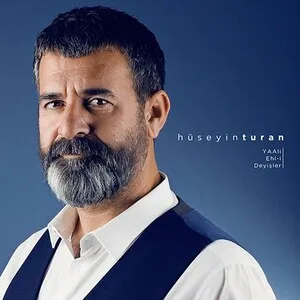
Hüseyin Turan
2017
·
1 album
Listen
2
/5
Genres
Arabesk
Arabesk is a Turkish popular music style characterized by deeply emotive singing, melodramatic lyrics, and melodies grounded in the makam (modal) tradition. It blends elements of Turkish classical/urban art music, regional folk timbres (especially the bağlama/saz), and lush orchestral arrangements inspired by mid-20th-century Middle Eastern film music. Typical performances feature melisma, expressive vibrato, microtonal inflections, and frequent use of the Hijaz/Phrygian dominant flavor, often at slow-to-mid tempos with prominent strings and acoustic instruments. Lyrical themes revolve around longing (gurbet), fate, heartbreak, social displacement, and moral struggle—reflecting the rural-to-urban migration experience that shaped modern Turkey.
Discover
Listen
Folk
Folk is a song-centered acoustic tradition rooted in community storytelling, everyday life, and social history. It emphasizes clear melodies, simple harmonies, and lyrics that foreground narrative, protest, and personal testimony. As a modern recorded genre, folk coalesced in the early-to-mid 20th century in the United States out of older ballad, work song, and rural dance traditions. It typically features acoustic instruments (guitar, banjo, fiddle, mandolin, harmonica), strophic song forms, and participatory singing (choruses, call-and-response).
Discover
Listen
Oyun Havasi
Oyun havası (literally “dance tune”) is a broad Turkish term for lively, groove‑driven pieces played for social dancing at weddings and festive gatherings. It is most closely associated with clarinet‑led urban/Thracian (Rumeli) and Turkish Roma (Roman) ensembles, as well as rural zurna–davul bands. Typical meters include the asymmetrical 9/8 “aksak” (especially the karşılama groupings 2+2+2+3), alongside 2/4 or 4/4 çiftetelli and occasional 6/8. Melodies often follow the makam (modal) system, with ornamented, vocal‑like phrasing and exuberant percussion patterns that keep dancers moving. Instrumentation commonly features clarinet, davul (bass drum), darbuka/tef (frame drum/riq), zurna, violin, kanun, ud, cümbüş, and bağlama. In urban settings, taksim (improvised preludes) may introduce the tune before the main dance sections. The overall feel is festive, flirtatious, and highly rhythmic, encouraging call‑and‑response energy between musicians and dancers.
Discover
Listen
Alevi Folk Music
Alevi folk music (Alevi–Bektaşi music) is the devotional and vernacular song tradition of the Alevi communities of Anatolia. It is centered on the bağlama (saz) and the sung poetry of the âşık/ozan lineage, conveying mystical, ethical, and communal teachings. Core forms include deyiş and nefes (didactic, mystical hymns), düvaz-ı imam (praise of the Twelve Imams), and semah (songs accompanying the ritual turning/dance). Melodies often draw on folk-modal practice related to the Turkish makam world, while rhythm favors both free-meter recitation and asymmetrical “aksak” cycles such as 5/8, 7/8, and 9/8. The performance practice is intimate and participatory, with a zakir (lead singer/bağlama player) guiding congregational response during the cem ritual.
Discover
Listen
Albums
2017
1
/5
YAAli / Ehl-i Deyişler
Hüseyin Turan
Alevi Folk Music
Similar artists
4
/5
Sezen Aksu
Turkish Pop
Oyun Havasi
Pop
3
/5
Kâzım Koyuncu
Anatolian Rock
Arabesk
Karadeniz Folk
3
/5
Aşık Mahzuni Şerif
Anatolian Rock
Arabesk
Karadeniz Folk
4
/5
İbrahim Tatlıses
Arabesk
Kurdish Remix
Oyun Havasi
4
/5
Candan Erçetin
Arabesk
Oyun Havasi
Turkish Pop
4
/5
Serkan Nişancı
Arabesk
Oyun Havasi
Huzunlu Sarkilar
4
/5
Elif Buse Doğan
Karadeniz Pop
Karadeniz Folk
Oyun Havasi
4
/5
Azer Bülbül
Arabesk
Kurdish Remix
Oyun Havasi
4
/5
Ebru Yaşar
Oyun Havasi
Arabesk
Turkish Pop
3
/5
Tekir
Oyun Havasi
Arabesk
Turkish Hip Hop
Download our mobile app
Get the Melodigging app and start digging for new genres on the go
Download on the App Store
Get it on Google Play
© 2026 Melodigging
Give feedback
Legal
Melodding was created as a tribute to
Every Noise at Once
, which inspired us to help curious minds keep digging into music's ever-evolving genres.