Genres
Artists
Albums
Make Music
Sign in
Sign in
Artists
Heavy Psych
Artists
Heavy Psych
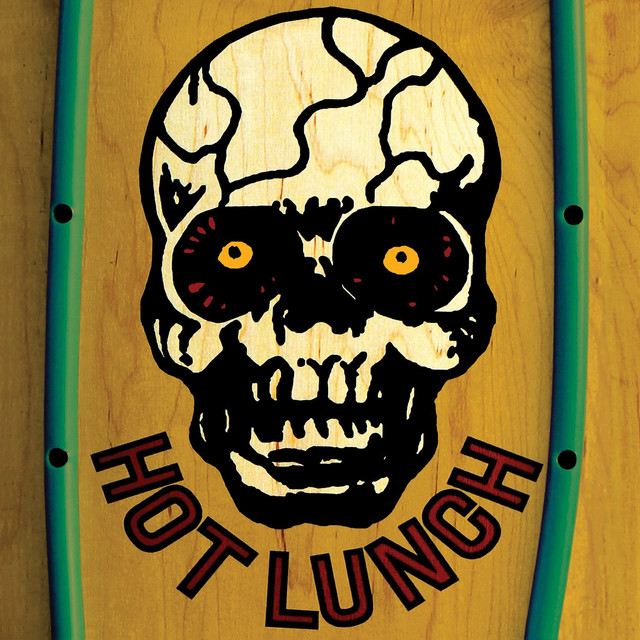
Hot Lunch
2013
·
1 album
Listen
1
/5
Genres
Skate Punk
Skate punk is a fast, energetic subgenre of punk closely tied to 1980s Southern California skate culture. It favors rapid tempos, tight downstroked power-chord guitars, punchy bass played with a pick, and driving, skank- or d‑beat‑adjacent drum patterns. Vocals range from nasal, melodic leads to gang shouts, with big, shout-along choruses. Lyrically, skate punk mixes anti-authoritarian commentary with personal and youthful themes—friendship, boredom, suburban malaise, and of course skateboarding. Melodic sophistication distinguishes it from rawer hardcore, while its speed and intensity keep it edgier than most pop punk. Labels like Epitaph and Fat Wreck Chords helped define the sound’s crisp, high-BPM assault with tight harmonies and hook-laden riffs.
Discover
Listen
Heavy Psych
Heavy psych is a louder, denser offshoot of late‑1960s psychedelic rock characterized by fuzz‑soaked guitar tones, wah‑drenched solos, thunderous drums, and a visceral low‑end. It takes the exploratory jams and mind‑bending studio tricks of psychedelia and pushes them toward proto‑metal weight and volume. Musically, it leans on blues‑based riffs, pentatonic and modal improvisation (especially Dorian and Mixolydian), droning vamps, and feedback‑saturated climaxes. Production often favors analog saturation, tape echo, phasing, and other period effects that magnify a sense of heady, cosmic intensity. The result is a sound that bridges psychedelic freedom and hard rock punch—music that feels both trippy and physically overwhelming, laying essential groundwork for heavy metal, stoner rock/metal, doom, and space rock.
Discover
Listen
Hard Rock
Hard rock is a loud, riff-driven style of rock music built around heavily amplified electric guitars, a powerful rhythm section, and assertive vocals. Songs typically center on memorable, blues-based guitar riffs, strong backbeats, and energetic, often shouted or belted choruses. The genre emphasizes power, groove, and visceral impact over intricate harmony or extended improvisation. Distortion, power chords, pentatonic melodies, and call‑and‑response between vocals and guitar are core traits, while lyrical themes often explore rebellion, lust, swagger, escape, and cathartic release.
Discover
Listen
Garage Rock
Garage rock is a raw, energetic style of rock music that emerged in the mid-1960s from local scenes across North America. Typically performed by amateur or semi-professional teenage bands in basements and suburban garages, the sound is unpolished and immediate, favoring feel over finesse. Its hallmarks include distorted guitars, pounding drums, simple chord progressions (often I–IV–V), prominent Farfisa/Vox organ riffs, and shouted, attitude-heavy vocals. Songs are short, hooky, and driven by rhythmic urgency, with lyrics about teenage love, boredom, rebellion, and swagger. The style became a direct ancestor of proto-punk and punk rock, prized for its do-it-yourself spirit and visceral impact.
Discover
Listen
Proto-Punk
Proto-punk is a catch-all term for the raw, stripped-down rock that immediately preceded and inspired punk rock. It favors abrasive guitar tones, primitive drumming, short song forms, shouted or deadpan vocals, and lyrics steeped in alienation, anti-establishment anger, and street-level realism. Emerging from 1960s garage rock, avant-leaning art rock, and hard-edged rhythm & blues, proto-punk connected the chaos of early rock and roll with the urgency of the 1970s punk explosion. Its sound ranges from the Detroit ferocity of The Stooges and MC5 to the arty minimalism and noise experiments of The Velvet Underground.
Discover
Listen
Rock
Rock is a broad family of popular music centered on amplified instruments, a strong backbeat, and song forms that foreground riffs, choruses, and anthemic hooks. Emerging from mid‑20th‑century American styles like rhythm & blues, country, and gospel-inflected rock and roll, rock quickly expanded in scope—absorbing folk, blues, and psychedelic ideas—while shaping global youth culture. Core sonic markers include electric guitar (often overdriven), electric bass, drum kit emphasizing beats 2 and 4, and emotive lead vocals. Rock songs commonly use verse–chorus structures, blues-derived harmony, and memorable melodic motifs, ranging from intimate ballads to high‑energy, stadium‑sized performances.
Discover
Listen
Albums
2013
2
/5
Hot Lunch (Deluxe Edition)
Hot Lunch
Heavy Psych
Hard Rock
Rock
Similar artists
4
/5
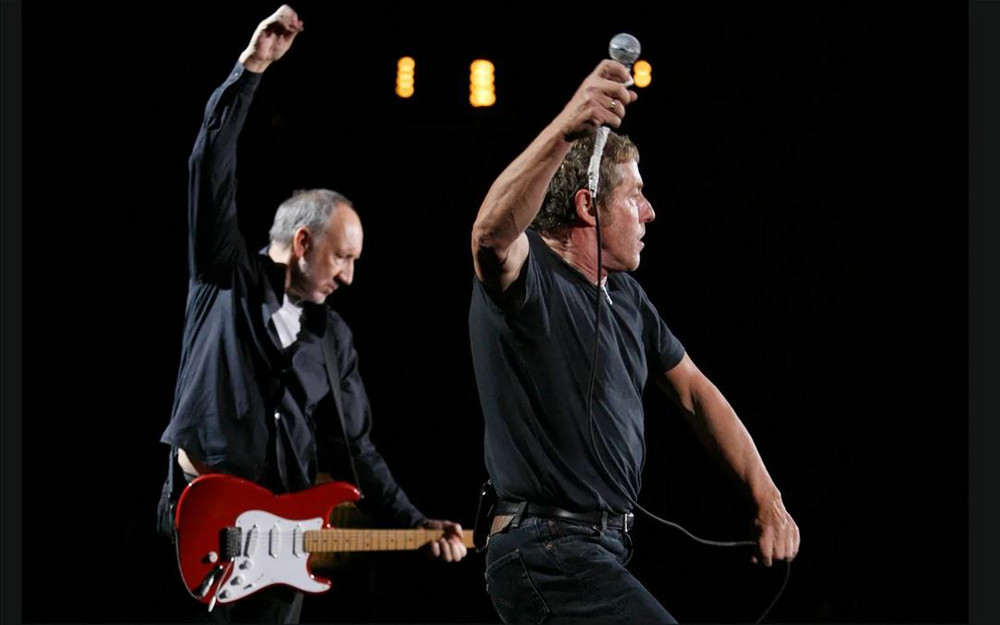
The Who
Hard Rock
Classic Rock
Rock
4
/5
Royal Blood
Modern Blues Rock
Modern Hard Rock
Rock
3
/5
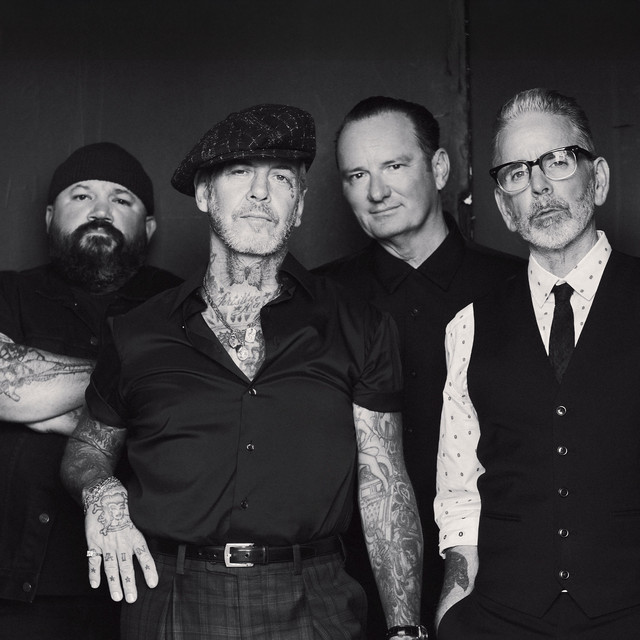
Social Distortion
Punk
Punk 'n' Roll
Psychobilly
3
/5
Turbonegro
Glam Punk
Punk
Heavy Metal
3
/5
T.S.O.L.
Crossover Thrash
Hardcore Punk
Horror Punk
1
/5
Various Artists
Afro-Funk
Alternative Rock
Ambient
3
/5
The Stooges
Garage Rock
Proto-Punk
Punk
3
/5
The Hellacopters
Action Rock
Punk 'n' Roll
Hard Rock
2
/5
The Dictators
Glam Punk
Punk
Punk 'n' Roll
4
/5
Iggy Pop
Proto-Punk
Glam Rock
Chill Pop
Download our mobile app
Get the Melodigging app and start digging for new genres on the go
Download on the App Store
Get it on Google Play
© 2026 Melodigging
Give feedback
Legal
Melodding was created as a tribute to
Every Noise at Once
, which inspired us to help curious minds keep digging into music's ever-evolving genres.