Genres
Artists
Albums
Make Music
Sign in
Sign in
Artists
City Pop
Artists
City Pop
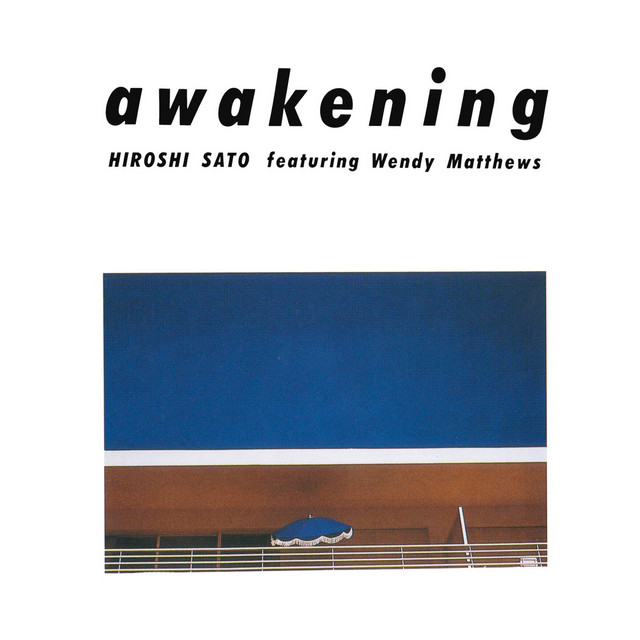
Hiroshi Sato
Listen
2
/5
Genres
Retro Pop
Retro pop is contemporary pop music that deliberately evokes the sound, songwriting, and studio aesthetics of earlier eras—most commonly the late 1970s and 1980s, but also the 1960s girl‑group era, 1970s disco, soft rock, and early 1990s pop-R&B. Hallmarks include analog-leaning synth textures, danceable four-on-the-floor or funky backbeats, prominent basslines, glossy chorus-heavy guitars, gated-reverb drums, stacked background vocals, and big, unforgettable hooks. While its palette looks backward, retro pop uses modern production workflows—tight low-end, streaming-friendly loudness, and contemporary vocal processing—so it feels nostalgic yet current. Lyrically, retro pop often pairs timeless pop themes (romance, yearning, nightlife, bittersweet memories) with sleek, neon-tinged imagery and cinematic nostalgia, bridging classic pop sensibilities with today’s chart expectations.
Discover
Listen
Vapor Pop
Vapor pop is a glossy, internet-native strain of alternative pop that blends vaporwave’s hazy nostalgia with contemporary synth-pop and dream-pop songwriting. It favors soft-focus textures, clean but slightly detuned synths, breathy vocals, and gently pulsing beats that evoke late‑night drives, neon cityscapes, and digital romance. Where vaporwave deconstructs and slows down archival media, vapor pop translates that vaporous, retro-futurist palette into concise, hook-forward songs. The result is sleek and melancholic yet accessible: pop structures and earworm choruses wrapped in gauzy ambience, 80s/90s timbral references, and modern streaming-era minimalism.
Discover
Listen
J-R&b
J-R&B (Japanese R&B) is Japan’s domestic take on contemporary R&B, blending American R&B, soul, hip hop, and new jack swing aesthetics with Japanese pop songwriting and linguistic nuance. It typically features slick, groove-forward production, jazzy extended chords, and emotive vocal performances rich in melisma, ad‑libs, and layered harmonies. Lyrics often alternate between Japanese and English phrases, and themes cover romance, self-empowerment, and urban introspection. From late-1990s pioneers to 2000s chart success, J-R&B became a core pillar of the wider J‑Pop/J‑Urban movement, shaping the sound of mainstream pop, idol music, and even K‑Pop’s early development.
Discover
Listen
Electro-Funk
Electro-funk is a dance-music style that fuses the syncopated grooves and bass-forward feel of funk with the drum machines, sequencers, and analog synthesizers of early electronic music. It is defined by TR-808 drum programming, robotic textures, vocoder or talkbox vocals, angular synth-bass lines, and sparse, futuristic arrangements designed for breakdancing. Claps often double the snare, off-beat open hi-hats add momentum, and synthetic percussion (cowbells, toms, zaps) punctuates the groove. Compared with boogie/post-disco, electro-funk relies more on machine-driven rhythms than live drums, and it emphasizes minimal, mechanical funk with DJ-friendly structures. Canonical tracks include Afrika Bambaataa & The Soulsonic Force’s “Planet Rock” (1982), Herbie Hancock’s “Rockit” (1983), and Hashim’s “Al-Naafiysh (The Soul)” (1983).
Discover
Listen
City Pop
City pop is a sleek, cosmopolitan strain of Japanese popular music that emerged in the late 1970s and flourished throughout the 1980s. It fuses the polish of Western AOR and soft rock with funk, disco, jazz fusion, and boogie grooves, wrapping them in sophisticated harmonies and studio gloss. Built for car stereos, FM radio, and neon-lit nightlife, the style favors tight rhythm sections, lush keyboards (Rhodes, FM synths), clean chorus-laden guitars, and sax or synth leads. Lyrics often paint aspirational urban scenes—coastal highways, midnight drives, summer romance—balancing breezy optimism with a bittersweet, nostalgic hue. After a period of relative dormancy in the 1990s, city pop enjoyed a global revival in the 2010s via YouTube algorithms, online crate-digging, and sample-based microgenres, turning once-domestic hits into worldwide cult classics.
Discover
Listen
Aor
AOR (often read as Album-Oriented Rock and, in stylistic terms, Adult-Oriented Rock) is a polished, melody-forward strain of rock geared for FM radio and arena stages. It pairs sleek production with anthemic choruses, soaring vocals, and a balance of guitar crunch and prominent keyboards, aiming for broad appeal without sacrificing musicianship. In practice, AOR sits between hard rock and soft rock: tight rhythm sections, glossy multi-tracked harmonies, clean-to-overdriven guitar leads, and radio-friendly structures. Its repertoire spans driving uptempo anthems and emotive power ballads, with frequent key changes for climactic final choruses, meticulously layered arrangements, and lyrical themes of romance, resilience, and escape.
Discover
Listen
Synth-Pop
Synth-pop is a pop-oriented style that foregrounds the synthesizer as its primary instrument, often paired with drum machines and sequencers. It favors clean, melodic hooks, concise song structures, and a sleek, modernist sound that ranges from cool and minimal to lush and romantic. Emerging at the turn of the 1980s from the UK new wave and post-punk scenes, synth-pop leveraged affordable analog and then digital keyboards to bring electronic textures into the mainstream. Its sonic palette includes arpeggiated basslines, shimmering pads, bright leads, gated or machine-driven drums, and polished vocals that convey both futuristic detachment and emotional immediacy.
Discover
Listen
Jazz Fusion
Jazz fusion (often simply called "fusion") blends the improvisational language and harmonic richness of jazz with the amplified instruments, grooves, and song forms of rock, funk, and R&B. It typically features electric guitars, electric bass or fretless bass, Rhodes electric piano, clavinet, analog and digital synthesizers, and a drum kit playing backbeat- and syncopation-heavy patterns. Hallmarks include extended chords and modal harmony, complex and shifting meters, brisk unison lines, virtuosic improvisation, and a production aesthetic that embraces effects processing and studio craft. The style ranges from fiery, aggressive workouts to polished, atmospheric textures, often within the same piece. Emerging in the late 1960s and flourishing through the 1970s, jazz fusion became a bridge between jazz audiences and rock/funk listeners, shaping later styles such as jazz-funk, smooth jazz, nu jazz, and parts of progressive and technical rock/metal.
Discover
Listen
Show all 8 genres
Similar artists
3
/5
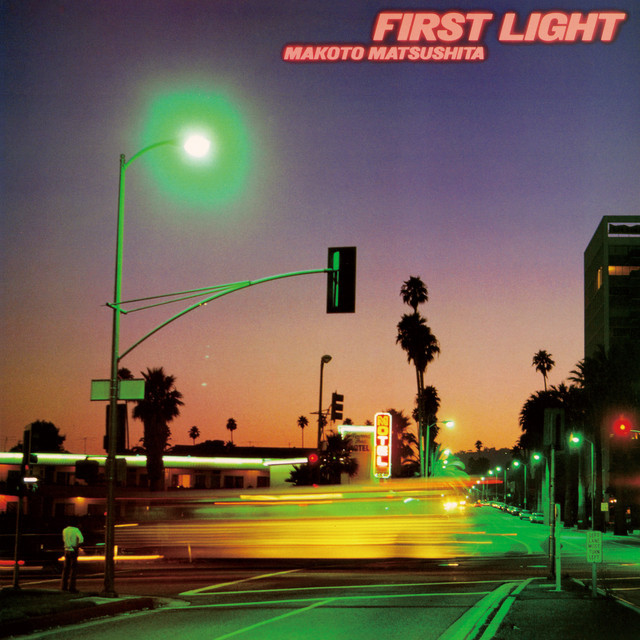
Makoto Matsushita
City Pop
Jazz Fusion
J-R&b
3
/5
RYUSENKEI
City Pop
J-R&b
Japanese Indie
2
/5
PIPER
City Pop
Jazz Fusion
Boogie
2
/5
PYRAMID
J-R&b
Jazz Fusion
City Pop
2
/5
Akira Inoue
Aor
City Pop
Jazz Fusion
2
/5
Yuji Toriyama
City Pop
Jazz Fusion
Aor
4
/5
Masayoshi Takanaka
Jazz Fusion
Jazz-Funk
City Pop
3
/5
Suchmos
Acid Jazz
City Pop
J-Pop
3
/5
Toshinobu Kubota
City Pop
J-Pop
J-R&b
3
/5
CASIOPEA
Jazz Fusion
Jazz
Smooth Jazz
Download our mobile app
Get the Melodigging app and start digging for new genres on the go
Download on the App Store
Get it on Google Play
© 2026 Melodigging
Give feedback
Legal
Melodding was created as a tribute to
Every Noise at Once
, which inspired us to help curious minds keep digging into music's ever-evolving genres.