Genres
Artists
Albums
Make Music
Sign in
Sign in
Artists
Congolese Rumba
Artists
Congolese Rumba
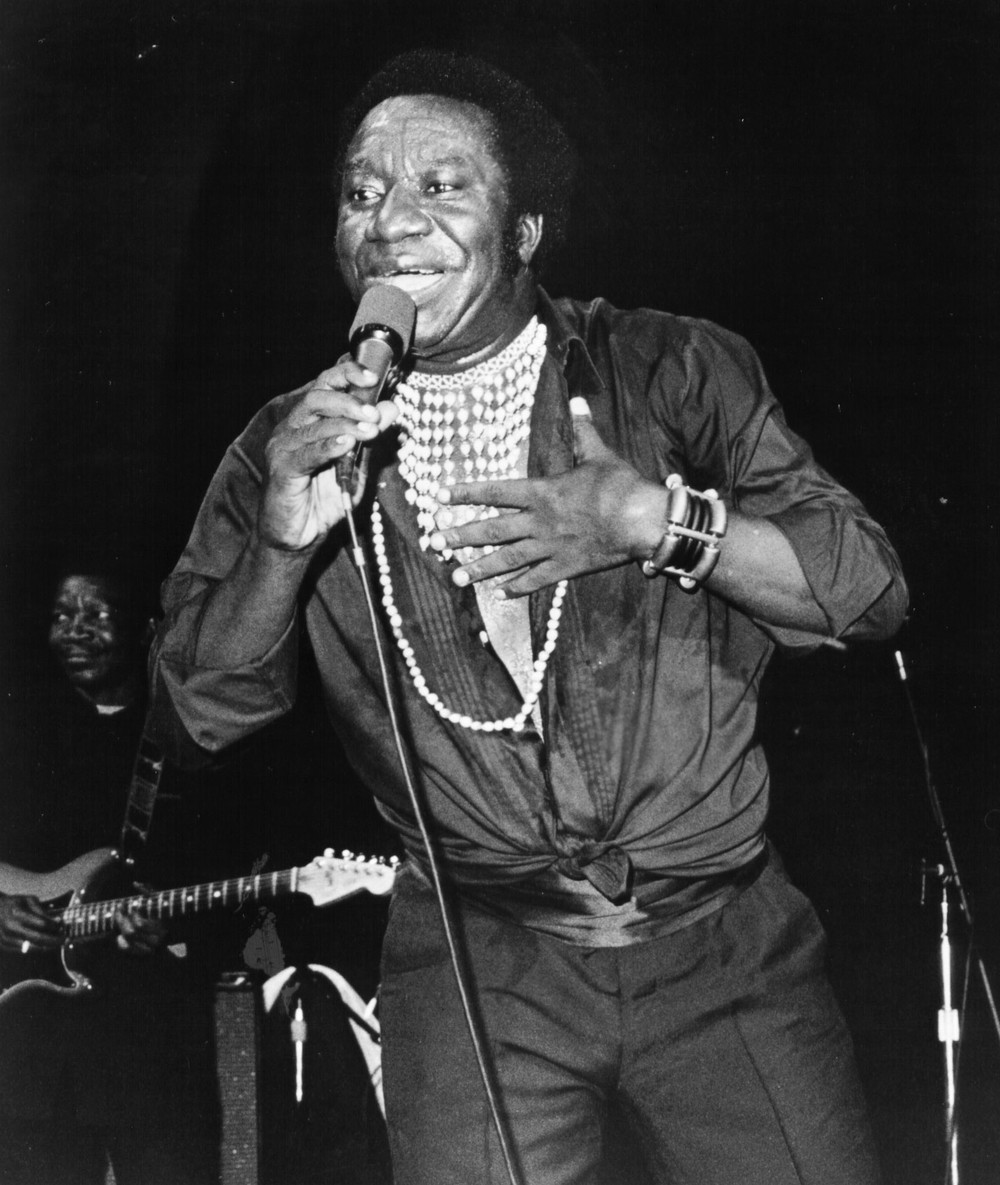
Henri Bowane
1994
·
1 album
Listen
1
/5
Genres
Sebene
Sebene (also spelled seben) is the instrumental dance-break section within Congolese rumba and its up-tempo offshoots. It typically arrives after the sung verses to lift the energy and get dancers onto the floor. Musically, a sebene vamps on a short, cycling progression—most classically a major chord alternating with a dominant seventh chord—underpinning interlocking guitar figures. The name is commonly linked to the Lingala word “sebene,” derived from the English “seven,” referring to the prominent use of the 7th (dominant-seventh chord) and a set, repeating note-cell within that two-chord loop. During the sebene, lead and mi-solo (middle-voice) guitars weave bright, cascading arpeggios and melodic ostinati, locked to a propulsive bass line and a polyrhythmic drum–percussion bed. Shouted call-and-response, handclaps, and horn riffs often heighten the climax. Over time, “sebene” came to mean both the break itself and, by extension, guitar-driven dance pieces built almost entirely from that ecstatic break.
Discover
Listen
Congolese Rumba
Congolese rumba (often called African rumba) is a danceable, guitar-driven popular music that emerged in Kinshasa and Brazzaville after World War II. It blends Afro‑Cuban son and bolero harmonies with Central African rhythmic sensibilities and call‑and‑response vocals. Typical recordings feature interlocking electric guitars (rhythm, mi‑solo and lead) playing lilting, cyclical figures over a steady, clave‑informed groove, buoyed by congas, maracas, cowbell, bass tumbao, and occasional horns. Songs frequently move from a lyrical, crooning verse into an extended instrumental vamp called the “sebene,” where the band raises the energy for dancers. Lyrically, Congolese rumba often uses Lingala (and sometimes French), celebrating romance, urban life, and social themes with suave vocal harmonies and a refined sense of melody.
Discover
Listen
Highlife
Highlife is a popular music genre from Ghana that blends indigenous rhythmic cycles and song forms with Western instrumentation and harmonies. It is instantly recognizable by its bright, interlocking guitar lines (often played with a two‑finger plucking technique), buoyant polyrhythms, call‑and‑response vocals, and jazzy horn riffs. Early dance‑band highlife favored brass and woodwinds (trumpet, saxophone, trombone) and big‑band arrangements, while guitar‑band highlife drew from palm‑wine guitar styles with lighter, lilted grooves. Across its variants, the music typically sits in major or mixolydian tonalities and uses dominant 7th/9th chord colors. From its coastal roots in the late 19th and early 20th centuries to post‑independence urban dance halls, highlife has continually evolved, later embracing electric guitars, synthesizers, and drum machines—yielding contemporary uptempo, synth‑driven forms that still retain the genre’s danceable feel.
Discover
Listen
Albums
1994
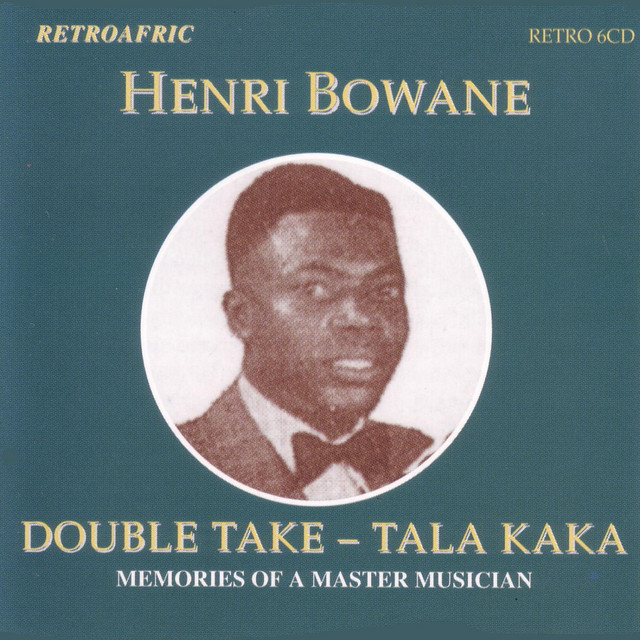
Double Take - Tala Kaka
Henri Bowane
Sebene
Similar artists
2
/5
Tabu Ley Rochereau
Soukous
Congolese Rumba
Afropop
2
/5
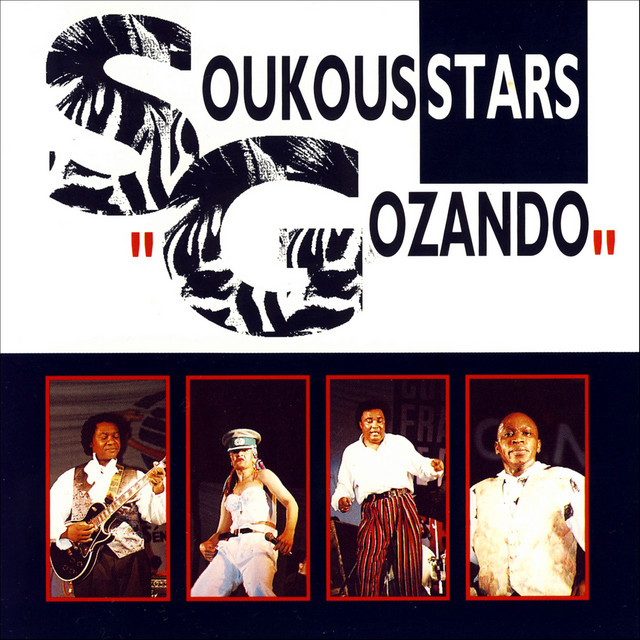
Soukous Stars
Champeta
Congolese Rumba
Highlife
2
/5
Orchestra Super Mazembe
Congolese Rumba
Highlife
Ndombolo
2
/5
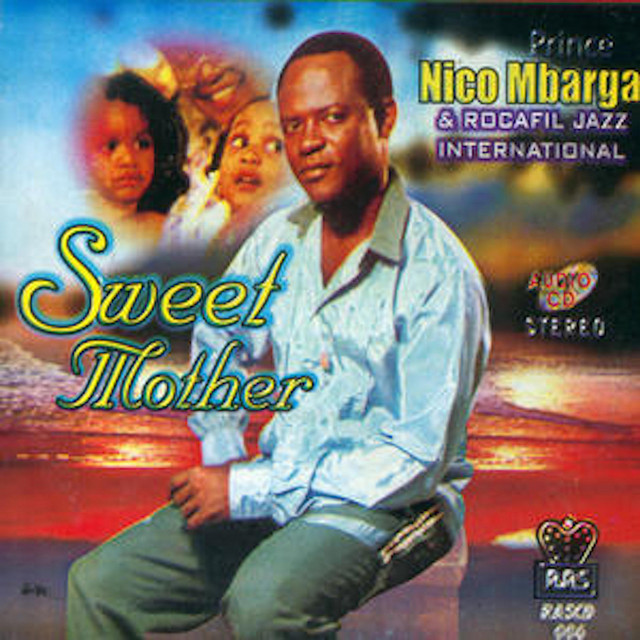
Prince Nico Mbarga & Rocafil Jazz International
Highlife
Champeta
Congolese Rumba
2
/5
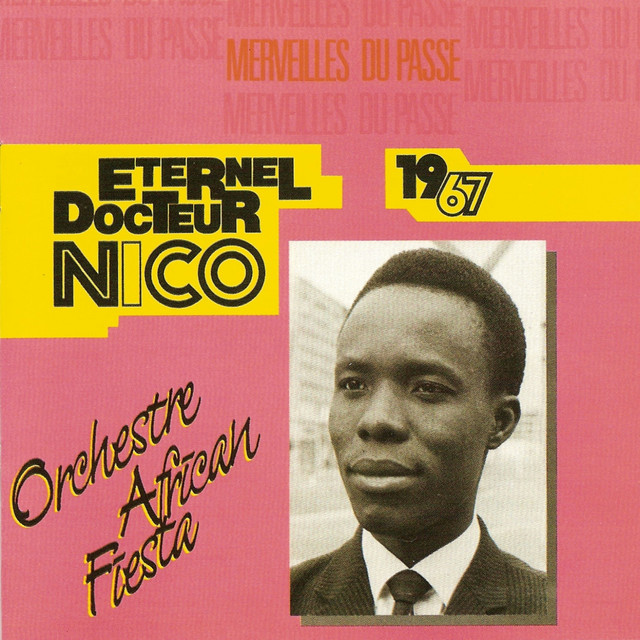
Docteur Nico
Congolese Rumba
Highlife
Ndombolo
1
/5
Barura Express
Congolese Rumba
Highlife
1
/5
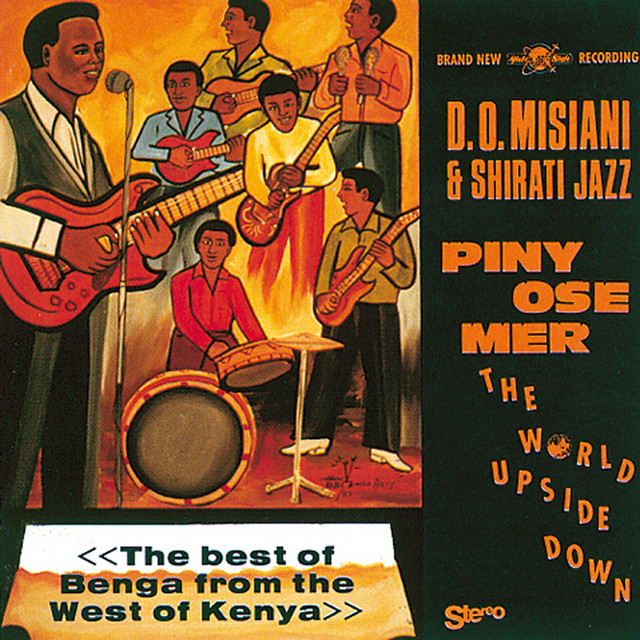
Daniel Owino Misiani
Afropop
Benga
Congolese Rumba
1
/5
Lokassa Ya Mbongo
Champeta
Congolese Rumba
Highlife
1
/5
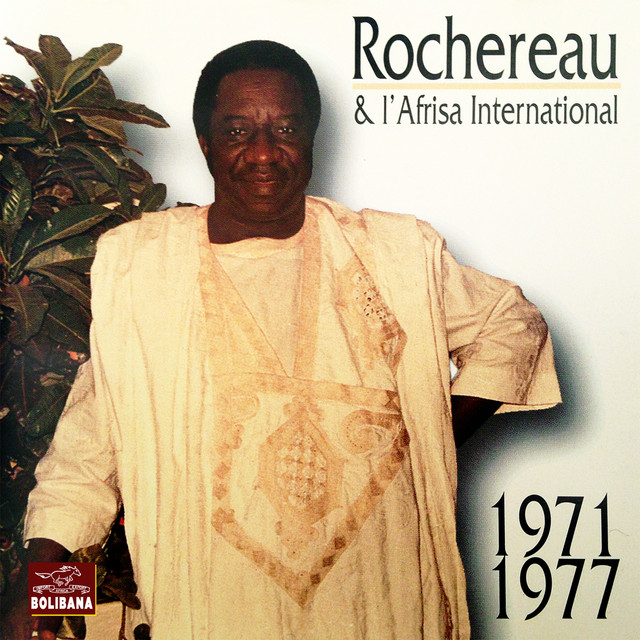
Rochereau
African Gospel
Congolese Rumba
Highlife
1
/5
Ry-Co Jazz
Congolese Rumba
Highlife
Download our mobile app
Get the Melodigging app and start digging for new genres on the go
Download on the App Store
Get it on Google Play
© 2026 Melodigging
Give feedback
Legal
Melodding was created as a tribute to
Every Noise at Once
, which inspired us to help curious minds keep digging into music's ever-evolving genres.