Genres
Artists
Albums
Make Music
Sign in
Sign in
Artists
Bhangra
Artists
Bhangra
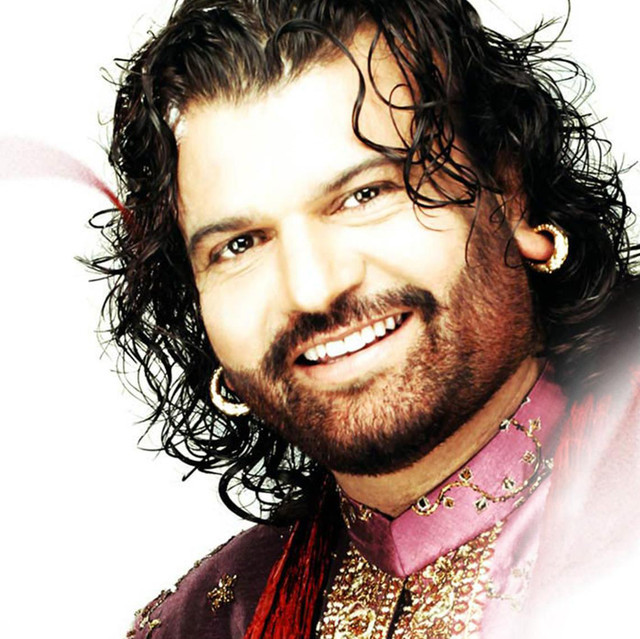
Hans Raj Hans
1999–2000
·
3 albums
Listen
3
/5
Genres
Indian Indie
Indian indie is the umbrella for independent, non-film music made in India across languages such as Hindi, English, and numerous regional tongues. It is defined more by its DIY production and artist-led release model than by a single sound. Musically, it spans indie pop and rock, folk-fusion, singer‑songwriter ballads, dream‑pop/shoegaze textures, and electronic‑leaning productions. Artists often blend Western harmony and song forms with raga‑tinged melodies, Indian rhythmic feels, and occasional use of traditional instruments like tabla, bansuri, or sitar. The scene grew rapidly with college festivals, small venues, and digital platforms (YouTube, streaming services, Bandcamp), plus boutique labels and festivals such as NH7 Weekender that created national visibility. Lyrically, it tends to be intimate and contemporary—touching on romance, urban life, identity, and nostalgia—while maintaining accessible hooks and warm, organic sonics.
Discover
Listen
Classic Bhangra
Classic bhangra refers to the UK‑born, band‑driven Punjabi dance music that crystallized in the 1980s and early 1990s among South Asian communities—especially in Birmingham, the West Midlands, and West London. It fuses Punjabi folk dance rhythms and vocal traditions (boliyan, call‑and‑response) with Western pop, funk, disco, reggae, and later synth‑pop instrumentation. The signature sound centers on the dhol’s chaal groove, bright tumbi riffs, and crowd‑moving choruses sung in Punjabi, augmented by electric bass, guitars, keyboards, drum machines, and occasional algoza (double flute). Energetic, celebratory, and built for dance floors and weddings, classic bhangra is hook‑forward and rhythm‑led. It balances folk authenticity with slick band arrangements, establishing the blueprint for modern Punjabi and diasporic South Asian pop.
Discover
Listen
Punjabi Pop
Punjabi pop is contemporary popular music performed primarily in the Punjabi language, blending the folk rhythms and melodies of Punjab with modern pop, hip hop, EDM, and R&B production. It emphasizes energetic dance grooves, big sing-along hooks, and bright, percussive timbres such as dhol and tumbi layered with synthesizers, 808s, and glossy vocal processing. While rooted in the culture of the Punjab region, Punjabi pop has grown through the South Asian diaspora—especially the UK and Canada—into a global style that regularly crosses into Bollywood and international charts.
Discover
Listen
Bhangra
Bhangra is a high-energy Punjabi music and dance tradition that evolved from harvest and celebratory folk songs into a modern pop-dance style. It centers on powerful dhol drum patterns, bright tumbi riffs, and call-and-response vocals that make it instantly danceable. While its roots lie in rural Punjabi folk culture, bhangra modernized in the post‑independence era and then transformed further in the South Asian diaspora—especially in the UK—where artists fused it with reggae, dancehall, hip hop, R&B, house, and electronic production. Contemporary bhangra often features Punjabi-language vocals, catchy choruses (boliyan), bold shouts (like “hoi!” and “balle balle!”), and arrangements designed for clubs and weddings.
Discover
Listen
Ghazal
Ghazal is a South Asian light-classical vocal genre built around the Urdu–Persian poetic form of the same name. It sets couplets (sher) that share a rhyme (qaafiya) and refrain (radif), often opening with a matla and ending with a maqta featuring the poet’s takhallus. Themes revolve around love, longing, separation, metaphysical yearning, and refined wit. Musically, ghazal draws on Hindustani classical grammar but prioritizes text clarity and melodic expressiveness over elaborate improvisation. Performances commonly feature a singer accompanied by harmonium and tabla (with sarangi, sitar, or guitar as color), use raga-informed melodies, and keep lilting tala cycles such as dadra (6 beats) or keherwa (8 beats). The style favors intimate delivery, subtle ornamentation (meend, murki), and immaculate diction, making it ideal for salon (mehfil) settings as well as recorded and film music.
Discover
Listen
Punjabi Folk Music
Punjabi folk music is the traditional song and dance music of the Punjab region of South Asia, today divided between India and Pakistan. It encompasses a rich array of forms such as bhangra (harvest dance songs), giddha and boliyan (women’s call-and-response couplets), jhumar (lyrical, swaying songs), tappé, jugni (contemporary narrative refrains), and var/vaaṛ (ballads of heroes). Its sound is defined by energetic dhol and dholki drums, bright tumbi and chimta riffs, breathy twin-flute lines on algoza, and expressive vocals often supported by harmonium and drone. Themes span agrarian life, love and weddings, playful teasing, devotional mysticism, and heroic epics. The music is typically modal and largely monophonic, featuring microtonal ornamentation, robust call-and-response, and powerful group choruses. It accompanies social celebrations—Vaisakhi harvest festivities, melas (fairs), and nuptial rites—where music, rhythmic clapping, and vibrant dance steps fuse into a communal experience.
Discover
Listen
Qawwali
Qawwali is a Sufi devotional vocal music from the Indian subcontinent that aims to evoke spiritual ecstasy and communal devotion. It is typically performed by a lead singer (qawwal) with a small ensemble of accompanying vocalists, harmoniums, handclaps, and percussion such as dholak and tabla. Musically, Qawwali blends raga-based melodic frameworks and flexible, improvisatory singing with driving rhythms and responsorial choruses. Texts are drawn from Urdu, Persian, Punjabi, and other North Indian languages, and include ghazals, kafis, hamds (praise of God), naats (praise of the Prophet), and manqabats (praise of Sufi saints). Performances traditionally take place at Sufi shrines (dargahs), where repetition, call-and-response, and gradual intensification lead listeners toward wajd (states of spiritual ecstasy). In the modern era, Qawwali is also heard on concert stages, recordings, and film.
Discover
Listen
Sufi
Sufi is a devotional musical tradition rooted in Islamic mysticism that seeks to induce remembrance of the Divine (dhikr) and transport performers and listeners toward spiritual ecstasy (wajd). It is not a single uniform style, but a family of practices that vary across regions—most notably Persian/Iranian, Anatolian/Turkish (Mevlevi), Arab, and South Asian (qawwali, kafi). Musically, Sufi repertoire tends to revolve around repetitive, mantra-like refrains, call-and-response between lead and chorus, and gradual intensification over cyclical rhythms. Melodic language draws from regional modal systems such as the Persian dastgāh, Ottoman/Turkish makam, and South Asian raga, and is often supported by drones. Texts are central: poetry by mystic masters like Rumi, Hafez, Bullhe Shah, and Amir Khusrau is sung in Persian, Urdu, Punjabi, Arabic, Turkish, and other languages. Instrumentation varies by locale—harmonium, tabla/dholak, tanpura, and clapping in South Asia; ney, kudüm, bendir, and tanbur in Turkey; oud and frame drums across the Arab world—yet the unifying aim is spiritual uplift and inner transformation.
Discover
Listen
Show all 8 genres
Albums
2000
3
/5
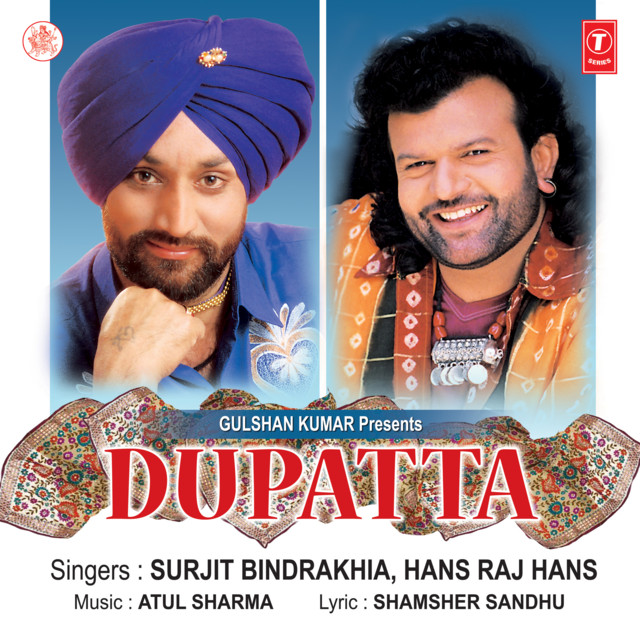
Dupatta
Surjit Bindrakhia
Classic Bhangra
1999
2
/5
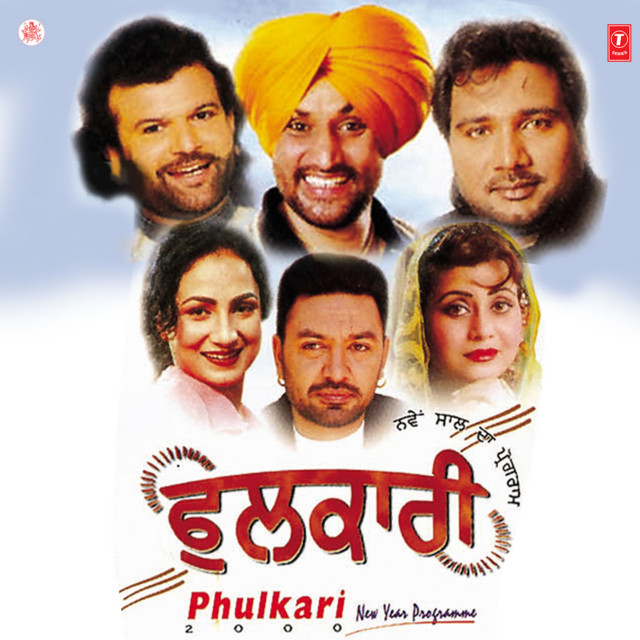
Phulkari (New Year Programme)
Surjit Bindrakhia
Classic Bhangra
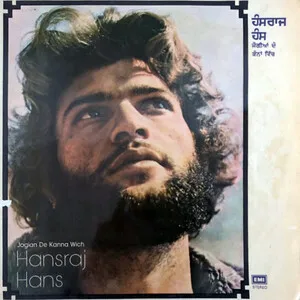
Jogian De Kanna Wich
Hans Raj Hans
Punjabi Folk Music
Similar artists
3
/5
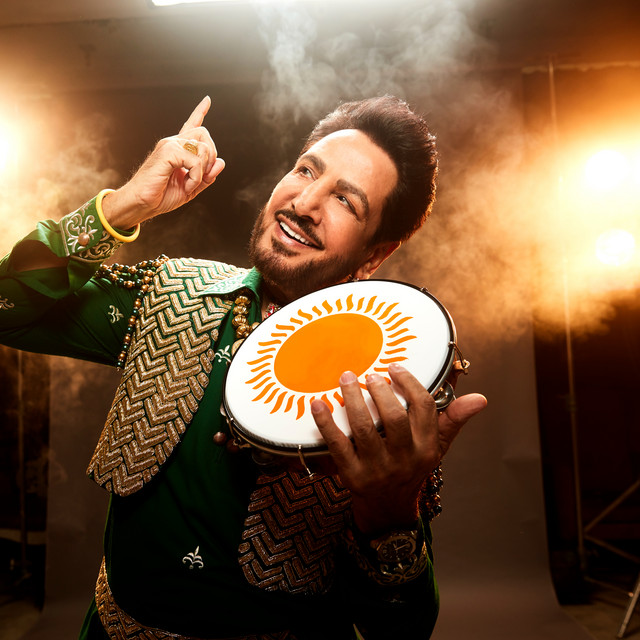
Gurdas Maan
Classic Bhangra
Bhangra
Punjabi Pop
3
/5
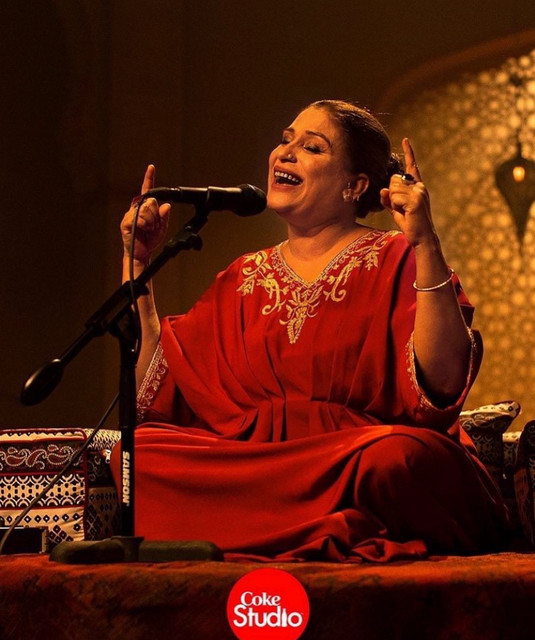
Naseebo Lal
Bhangra
Desi
Ghazal
3
/5
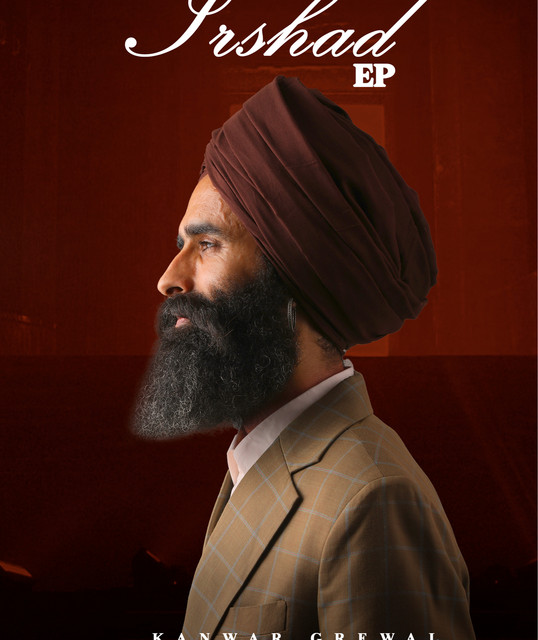
Kanwar Grewal
Bhangra
Punjabi Pop
Qawwali
3
/5
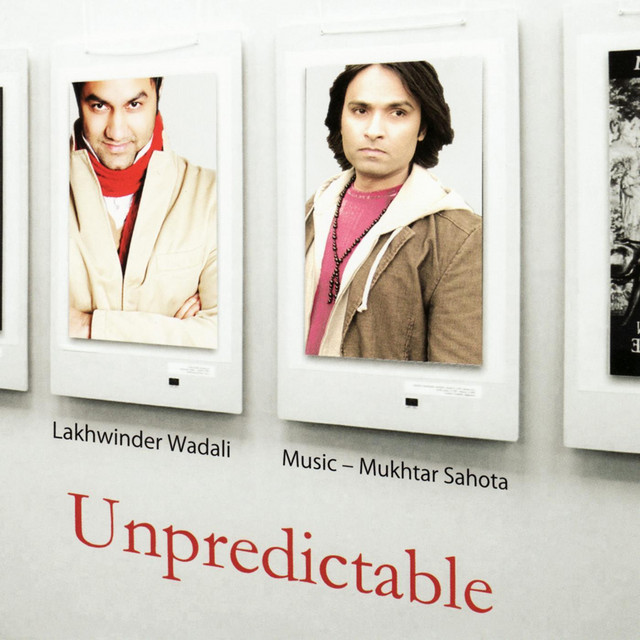
Mukhtar Sahota
Bhangra
Ghazal
Qawwali
2
/5
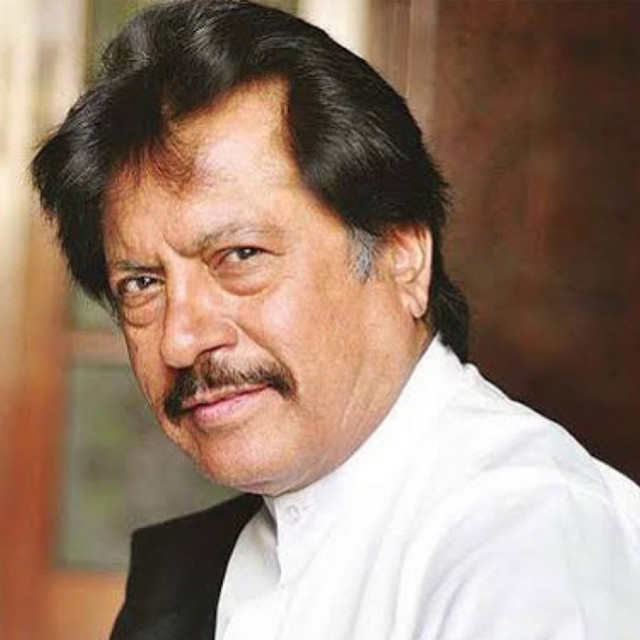
Atta Ullah Khan Esakhelvi
Bhangra
Ghazal
Qawwali
2
/5
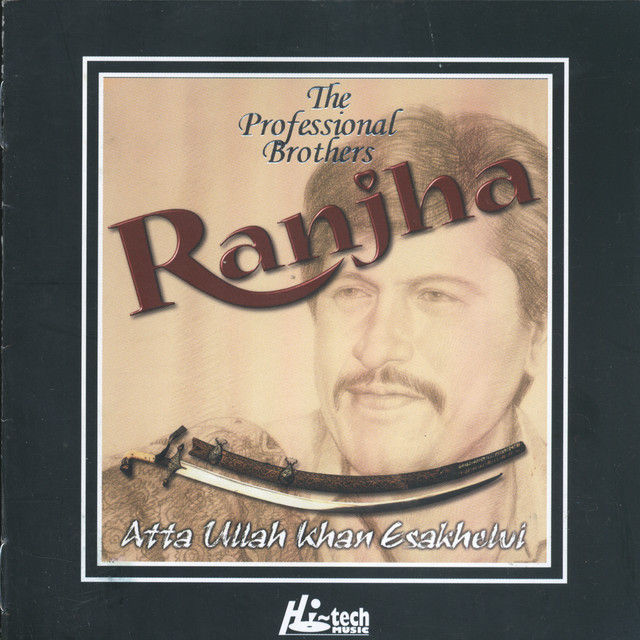
The Professional Brothers
Bhangra
Ghazal
Qawwali
2
/5
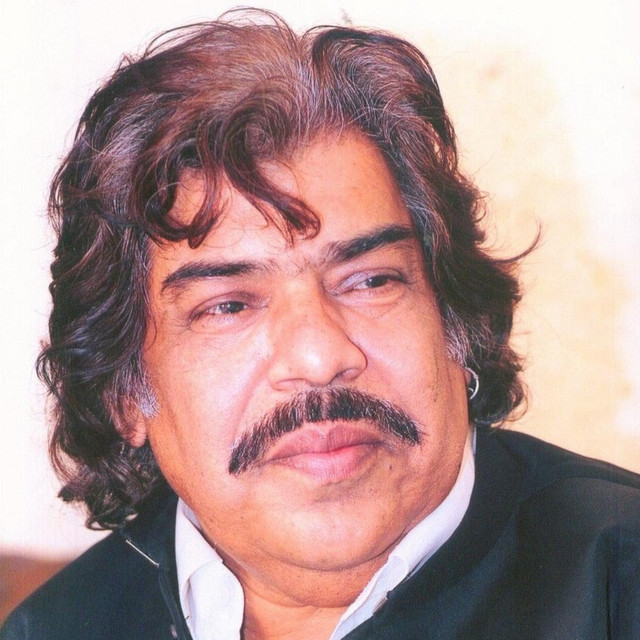
Shaukat Ali
Bhangra
Ghazal
Qawwali
1
/5
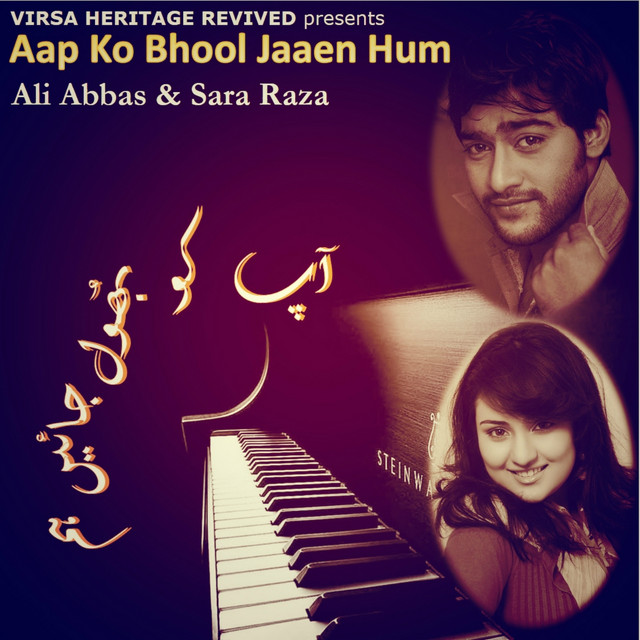
Ali Abbas
Bhangra
Ghazal
Qawwali
5
/5
Vishal-Shekhar
Bollywood
Filmi
Pop
4
/5
Yo Yo Honey Singh
Hindi Hip Hop
Punjabi Hip Hop
Bollywood
Download our mobile app
Get the Melodigging app and start digging for new genres on the go
Download on the App Store
Get it on Google Play
© 2026 Melodigging
Give feedback
Legal
Melodding was created as a tribute to
Every Noise at Once
, which inspired us to help curious minds keep digging into music's ever-evolving genres.