Genres
Artists
Albums
Make Music
Sign in
Sign in
Artists
Big Band
Artists
Big Band
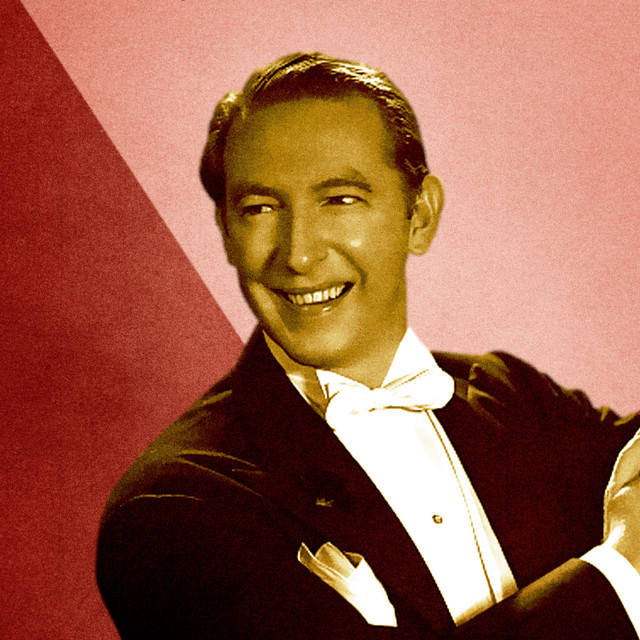
Hal Kemp And His Orchestra
1994
·
1 album
Listen
2
/5
Genres
Big Band
Big band is a large-ensemble style of jazz and popular dance music built around brass, reed, and rhythm sections playing arranged parts. Typical instrumentation includes five saxophones (often doubling clarinet/flute), four trombones, four trumpets, and a rhythm section of piano, guitar, upright bass, and drum set. The music emphasizes swing rhythms, call-and-response between sections, riff-based writing, and dramatic shout choruses, while leaving space for improvised solos. Born in American ballrooms and theaters, big band became the sound of the Swing Era, providing both music for dancing and a platform for sophisticated arranging and orchestration that shaped much of 20th‑century jazz and popular music.
Discover
Listen
British Dance Band
British dance band refers to the polished, hotel-ballroom and radio-friendly dance orchestras active primarily in Britain during the 1920s and 1930s. Characterized by smooth, tightly arranged versions of foxtrots, waltzes, quicksteps, and tangos, the style blended American jazz-dance band idioms with British light-music and music-hall sensibilities. Improvisation was usually restrained in favor of clear melody, elegant voicings, and reliable “strict-tempo” rhythms designed for social dancing. Typical ensembles featured saxophones (often clarinet doubles), trumpets, trombone, violins, piano, banjo or guitar, string bass or tuba, and drums—sometimes with a crooner or vocal trio. The sound was urbane and genteel, popularized via prestigious hotel residencies (e.g., the Savoy) and BBC broadcasts, and it helped standardize many songs that later became part of the Great British and American songbooks.
Discover
Listen
Ragtime
Ragtime is an African American–rooted piano style that flourished from the 1890s to the 1910s, characterized by lively syncopation in the right hand against a steady, march-like “oom‑pah” accompaniment in the left hand. Typically written in 2/4 or 4/4 time and notated with straight (unswung) eighth notes, classic rags unfold in multiple 16‑bar strains, often in the form AABBACCDD. The music draws on cakewalk rhythms, marching-band forms, and popular song, and it became a sensation through sheet music, piano rolls, and parlor performance. Scott Joplin, known as the “King of Ragtime,” helped codify the genre’s refined, compositional approach, calling for moderate tempos and a clear, singing melody. Beyond solo piano, ragtime was arranged for small ensembles and orchestras, found a home in vaudeville and dance halls, and laid essential groundwork for early jazz, stride piano, and much of 20th‑century American popular music.
Discover
Listen
Albums
1994
2
/5
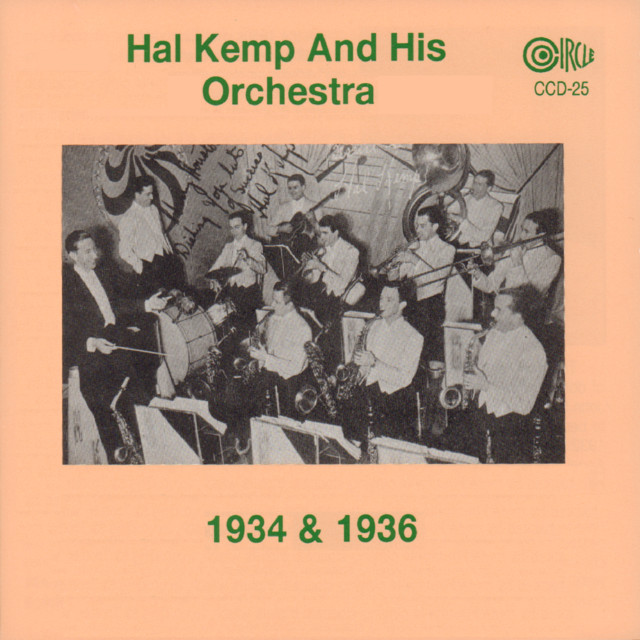
1934 & 1936
Hal Kemp And His Orchestra
British Dance Band
Similar artists
2
/5
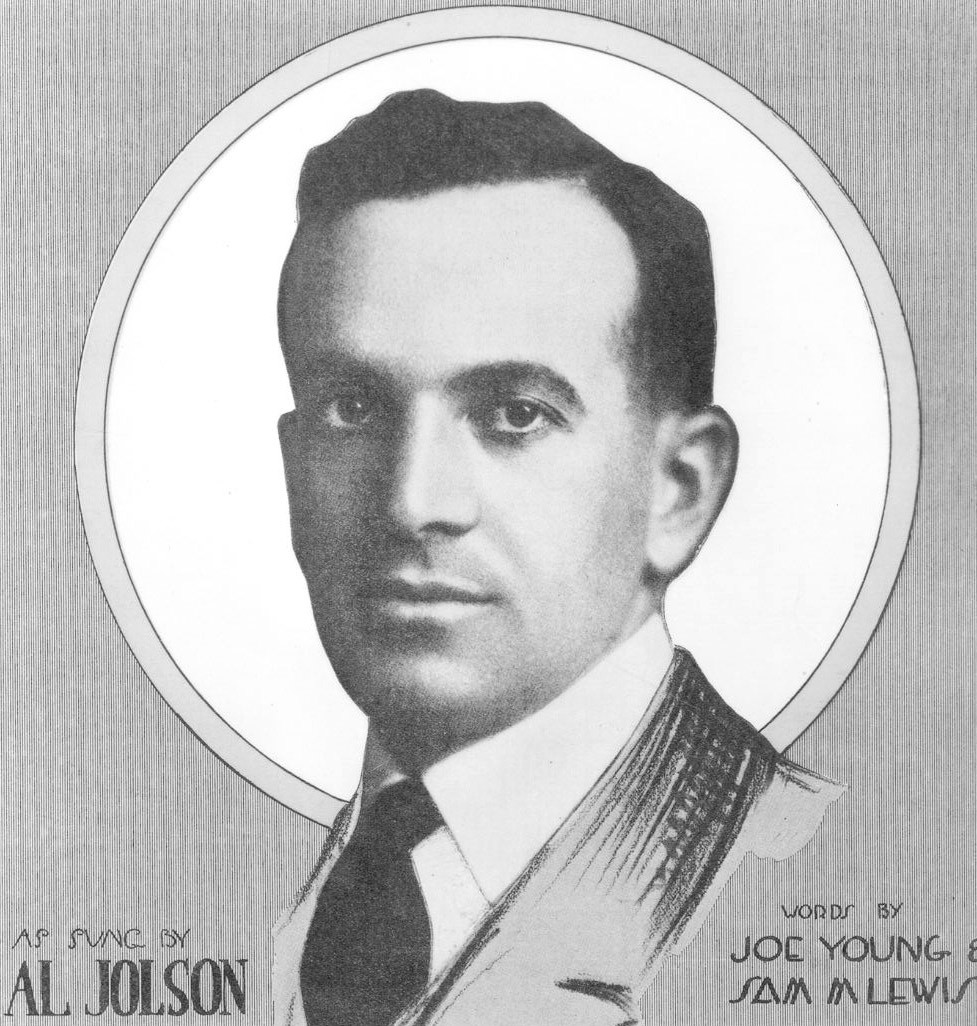
Al Jolson
Music Hall
Vaudeville
Tin Pan Alley
2
/5
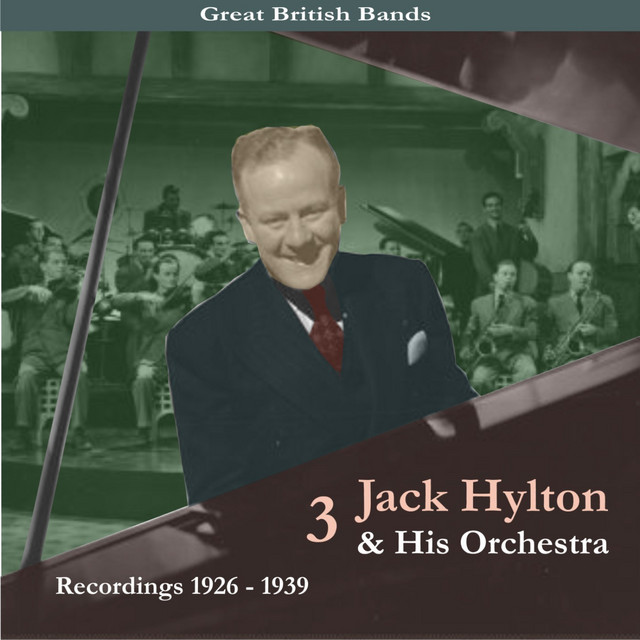
Jack Hylton & His Orchestra
Ragtime
Analog Horror
Big Band
2
/5
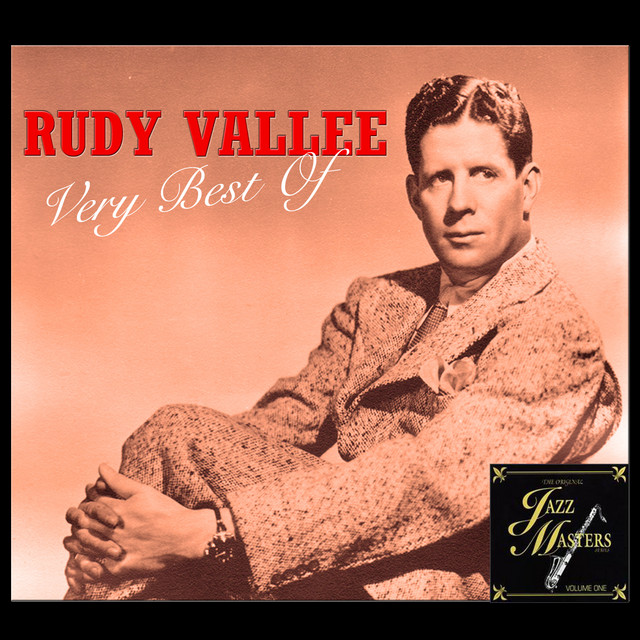
Rudy Vallee
Vaudeville
Big Band
British Dance Band
2
/5
Ambrose & His Orchestra
British Dance Band
Ragtime
Big Band
2
/5
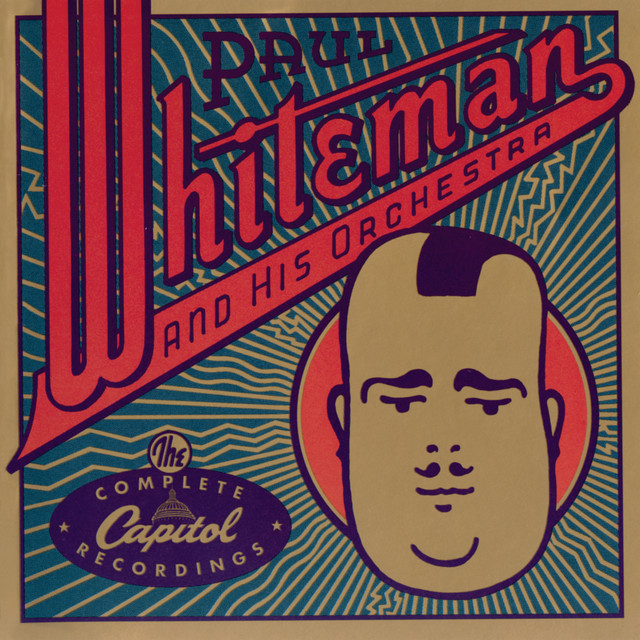
Paul Whiteman & His Orchestra
Big Band
British Dance Band
Ragtime
2
/5
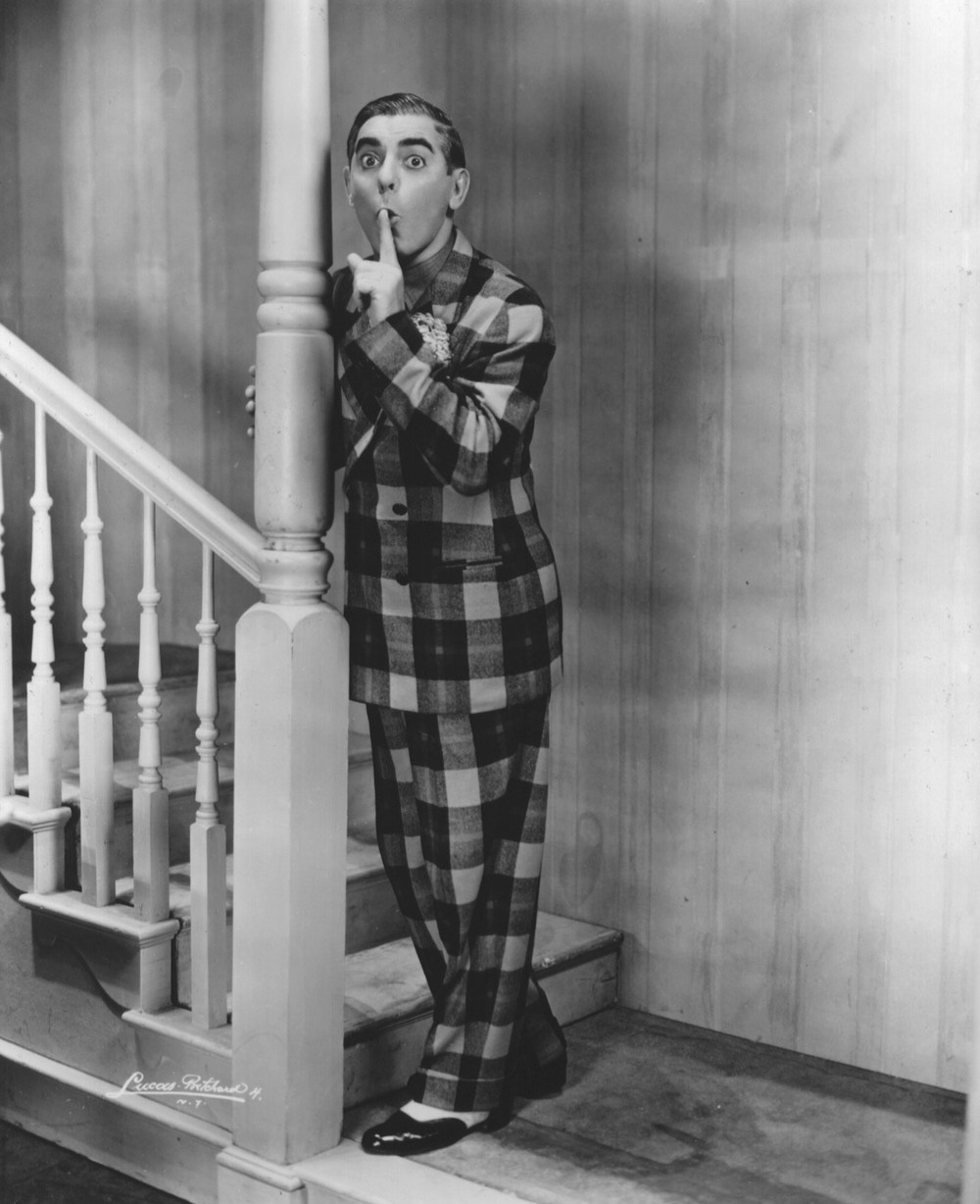
Eddie Cantor
Big Band
British Dance Band
Ragtime
1
/5
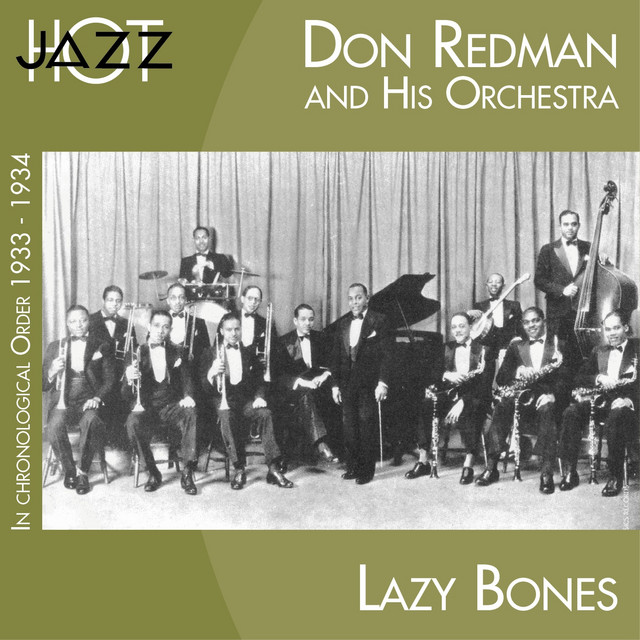
Don Redman and His Orchestra
Big Band
Ragtime
Swing
1
/5
Various Artists
Afro-Funk
Alternative Rock
Ambient
3
/5
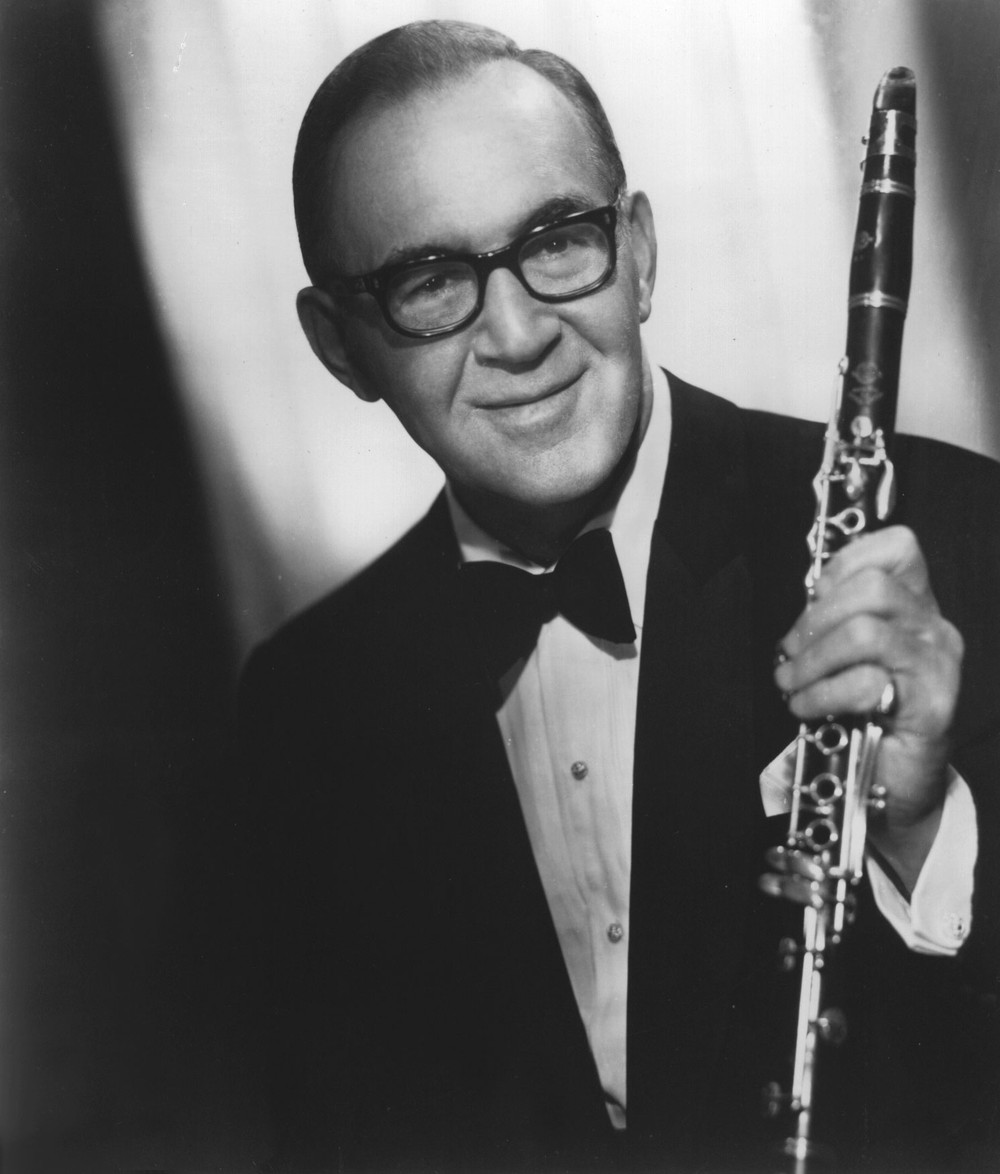
Benny Goodman
Ragtime
Big Band
Jazz
3
/5
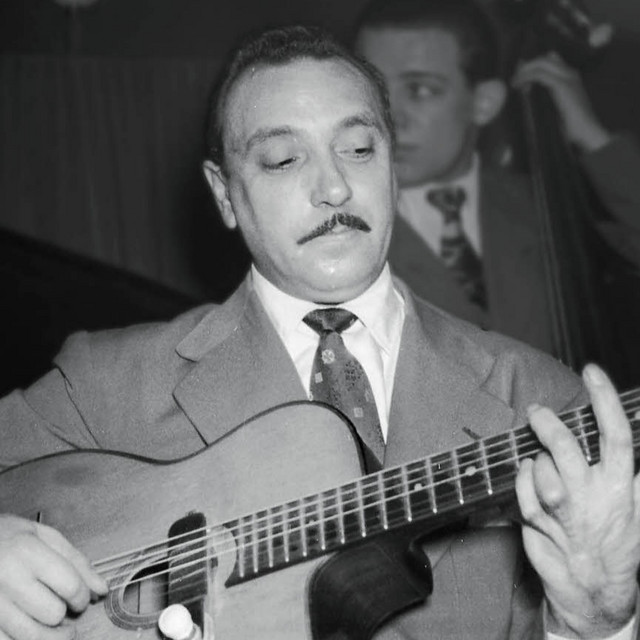
Django Reinhardt
Gypsy Jazz
Jazz
Ragtime
Download our mobile app
Get the Melodigging app and start digging for new genres on the go
Download on the App Store
Get it on Google Play
© 2026 Melodigging
Give feedback
Legal
Melodding was created as a tribute to
Every Noise at Once
, which inspired us to help curious minds keep digging into music's ever-evolving genres.