Genres
Artists
Albums
Make Music
Sign in
Sign in
Artists
Sufi
Artists
Sufi
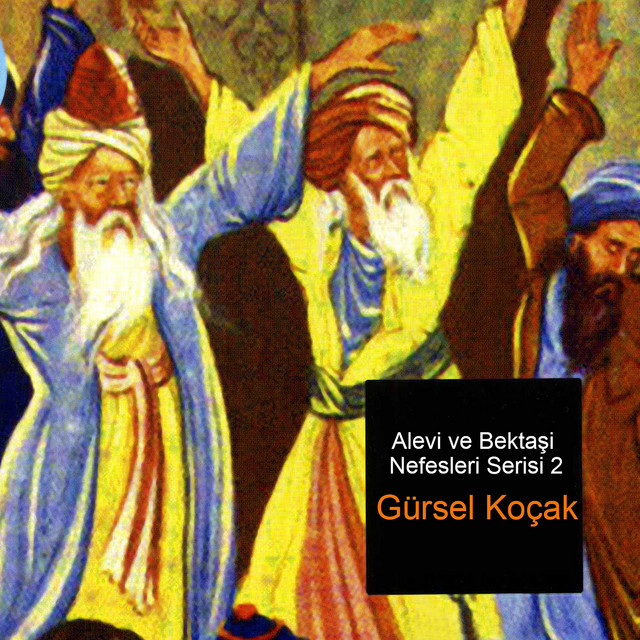
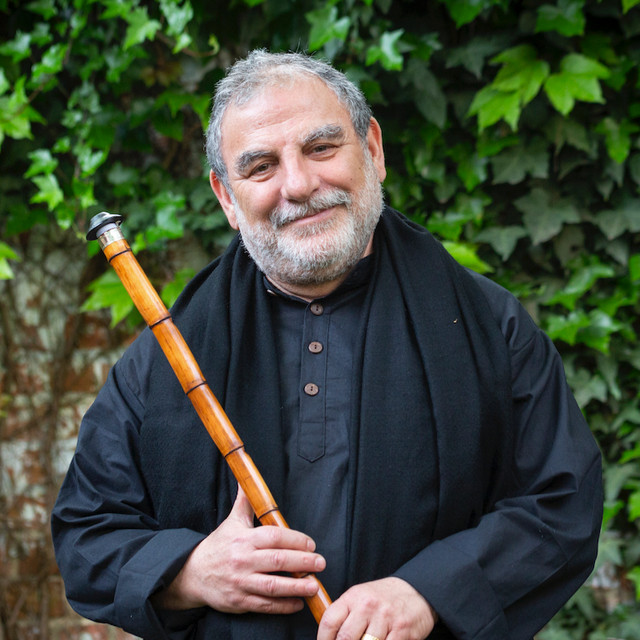
Gürsel Koçak
1990
·
1 album
Listen
1
/5
Genres
Alevi Folk Music
Alevi folk music (Alevi–Bektaşi music) is the devotional and vernacular song tradition of the Alevi communities of Anatolia. It is centered on the bağlama (saz) and the sung poetry of the âşık/ozan lineage, conveying mystical, ethical, and communal teachings. Core forms include deyiş and nefes (didactic, mystical hymns), düvaz-ı imam (praise of the Twelve Imams), and semah (songs accompanying the ritual turning/dance). Melodies often draw on folk-modal practice related to the Turkish makam world, while rhythm favors both free-meter recitation and asymmetrical “aksak” cycles such as 5/8, 7/8, and 9/8. The performance practice is intimate and participatory, with a zakir (lead singer/bağlama player) guiding congregational response during the cem ritual.
Discover
Listen
Sufi
Sufi is a devotional musical tradition rooted in Islamic mysticism that seeks to induce remembrance of the Divine (dhikr) and transport performers and listeners toward spiritual ecstasy (wajd). It is not a single uniform style, but a family of practices that vary across regions—most notably Persian/Iranian, Anatolian/Turkish (Mevlevi), Arab, and South Asian (qawwali, kafi). Musically, Sufi repertoire tends to revolve around repetitive, mantra-like refrains, call-and-response between lead and chorus, and gradual intensification over cyclical rhythms. Melodic language draws from regional modal systems such as the Persian dastgāh, Ottoman/Turkish makam, and South Asian raga, and is often supported by drones. Texts are central: poetry by mystic masters like Rumi, Hafez, Bullhe Shah, and Amir Khusrau is sung in Persian, Urdu, Punjabi, Arabic, Turkish, and other languages. Instrumentation varies by locale—harmonium, tabla/dholak, tanpura, and clapping in South Asia; ney, kudüm, bendir, and tanbur in Turkey; oud and frame drums across the Arab world—yet the unifying aim is spiritual uplift and inner transformation.
Discover
Listen
Turkish Mevlevi Music
Turkish Mevlevi music is the sacred repertoire of the Mevlevi (whirling dervish) Sufi order founded in the milieu of Jalāl al-Dīn Rūmī in Anatolia. It is a modal, monophonic, and highly ornamented tradition performed for the Sema ceremony, where music, poetry, and ritual movement converge to induce remembrance of the divine. The core large-scale form is the Ayîn-i Şerîf (Mevlevi ayin), a multi-movement work in a specific makam (mode) and usul (cycle), typically for voice and a chamber ensemble centered on the ney (end-blown reed flute), with kudüm (kettledrums), tanbur, kemençe, kanun, and occasionally rebab and ud. The ayin unfolds through four selâms (sections) that guide the spiritual progression of the rite. Improvisation (taksim), refined intonation of makam microtones, and the poetic texts of Rūmī and later Mevlevi authors are hallmarks of the style.
Discover
Listen
Albums
1990
1
/5
Alevi ve Bektaşi Nefesleri Serisi 1
Gürsel Koçak
Alevi Folk Music
Turkish Mevlevi Music
Similar artists
3
/5
Omar Faruk Tekbilek
Arabic Jazz
Sufi
New Age
2
/5
Mercan Dede
Sufi
World Fusion
Islamic Religious Music & Recitation
2
/5
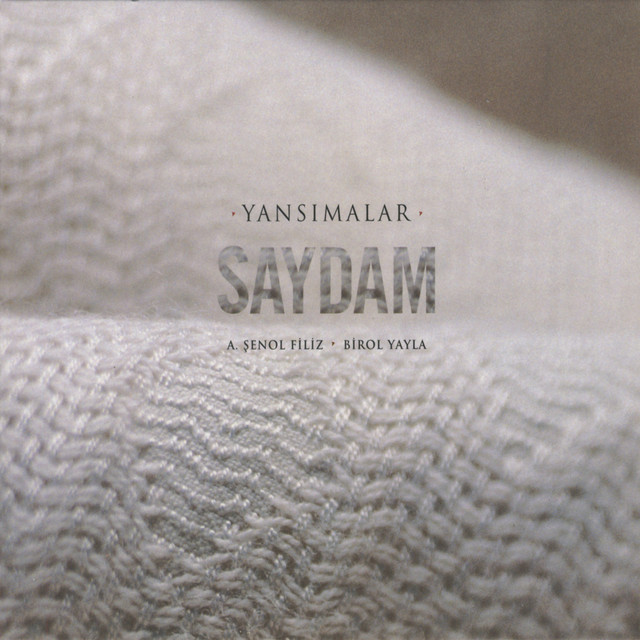
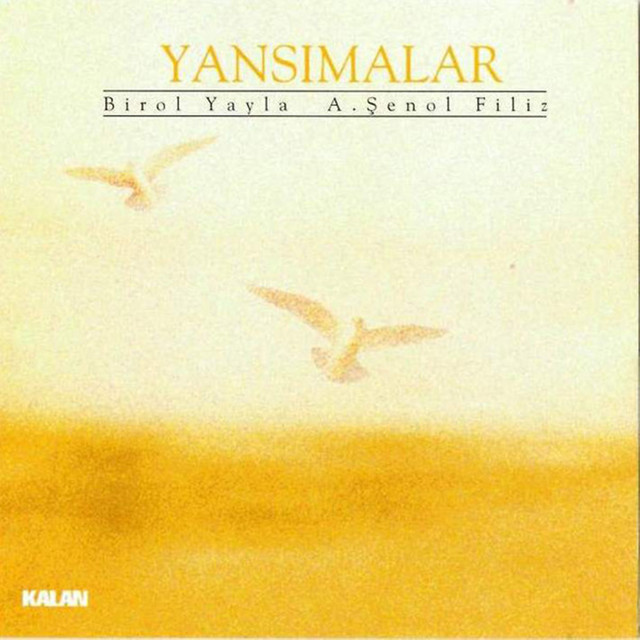
Yansımalar
Turkish Mevlevi Music
Islamic Religious Music & Recitation
Turkish Classical
2
/5
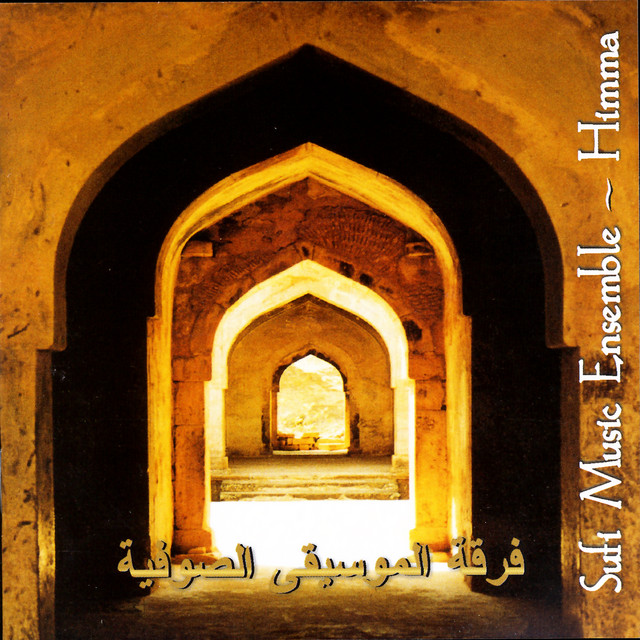
Sufi Music Ensemble
Sufi
Traditional Music
Turkish Mevlevi Music
2
/5
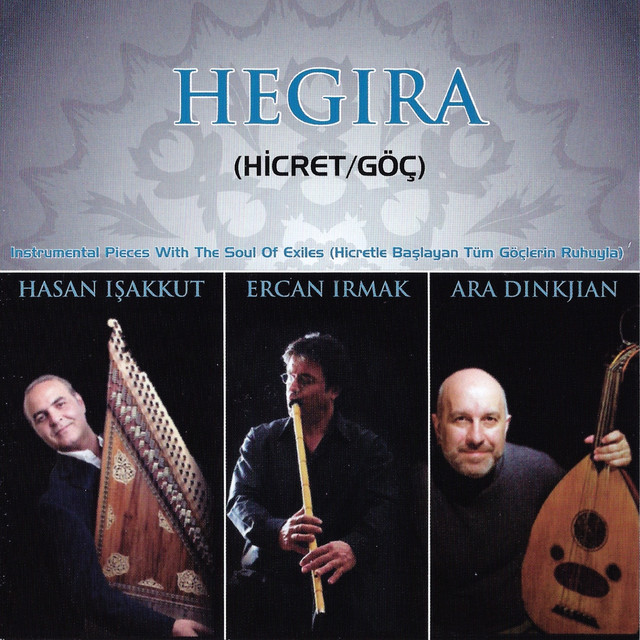
Ercan Irmak
Sufi
Turkish Classical
Ambient
2
/5
Sami Savni Ozer
Sufi
Turkish Mevlevi Music
2
/5
Kudsi Erguner
Sufi
Turkish Classical
Turkish Mevlevi Music
2
/5
Birol Yayla
Sufi
Islamic Religious Music & Recitation
Turkish Classical
2
/5
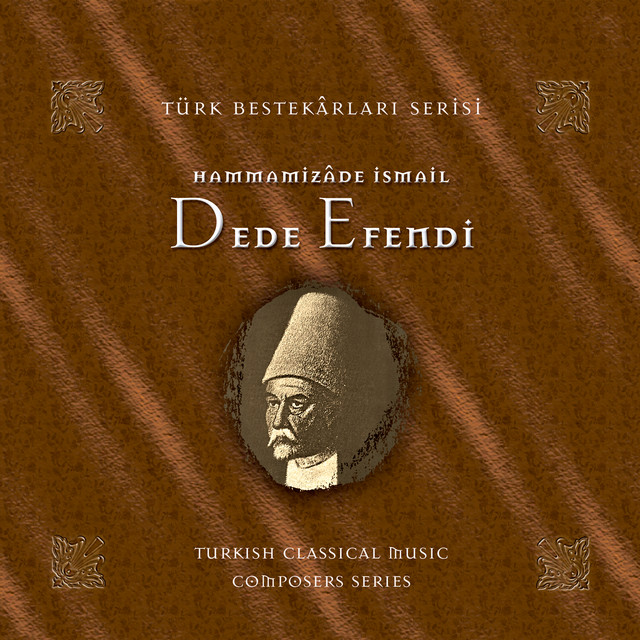
Dede Efendi
Sufi
Turkish Classical
Turkish Mevlevi Music
1
/5
Aziz Şenol Filiz
Sufi
Islamic Religious Music & Recitation
Turkish Classical
Download our mobile app
Get the Melodigging app and start digging for new genres on the go
Download on the App Store
Get it on Google Play
© 2026 Melodigging
Give feedback
Legal
Melodding was created as a tribute to
Every Noise at Once
, which inspired us to help curious minds keep digging into music's ever-evolving genres.