Genres
Artists
Albums
Make Music
Sign in
Sign in
Artists
Cumbia Chilena
Artists
Cumbia Chilena
Grupo Red
1997
·
1 album
Listen
3
/5
Genres
Cumbia 420
Cumbia 420 is a contemporary Argentine micro‑genre that fuses the 2/4 swing and keyboard riffs of cumbia villera with the dembow/reggaetón pulse and trap/hip‑hop aesthetics. Built around minor‑key synth hooks, booming 808 sub‑bass, whistle/lead “silbido” lines and heavily Auto‑Tuned vocals, it keeps cumbia’s street‑party groove while adopting urban club sound design and lyrical themes tied to barrio life and cannabis (“420”). The result is a raw, dance‑forward style that sits between a cumbia sound system and an urban club set: simple, sticky melodies; aggressive percussive programming; and catchy call‑and‑response hooks designed for social media virality and neighborhood parties.
Discover
Listen
Previa
Previa is a contemporary Argentine pre‑party DJ style built around high‑energy edits, bootlegs, and mashups designed to kick off the night. The name comes from the colloquial “la previa,” the pregame gathering before going out, and the music’s job is to turn familiar Latin pop, reggaeton, and regional hits into floor‑ready, faster, harder versions. Sonically, previa lives between tech‑house tempo and reggaeton sensibilities: hooks are sped up, drops hit with big sidechained bass, and builds are short and dramatic. DJs chop sing‑along choruses, stack hypechants and FX, and slam dembow or four‑on‑the‑floor kick patterns under recognizable vocals. The vibe is extroverted, party‑starting, and unapologetically functional—made for mass sing‑backs and immediate dancing.
Discover
Listen
Cumbia Villera
Cumbia villera is an Argentine subgenre of cumbia that emerged in the late 1990s from the working-class "villas miseria" (informal settlements) around Buenos Aires. It is characterized by punchy, low-cost keyboards, simple but driving drum-machine beats, a prominent electric bass, and gritty, conversational vocals. Lyrically, it often addresses everyday barrio life—parties, love and heartbreak, football fandom, encounters with police, crime, drugs, and survival—with slang-heavy storytelling and a mix of bravado and melancholy. Musically, it keeps the core cumbia groove while favoring catchy synth riffs over traditional accordion lines, resulting in dance-floor energy with a raw, street-level aesthetic.
Discover
Listen
Cumbia Chilena
Cumbia chilena is the Chilean interpretation of cumbia that took root in the early 1960s and became a staple of fiestas, dancehalls, and popular radio. It blends the Colombian cumbia beat with the brass-driven sound of Chile’s tropical orchestras, creating an upbeat, party-ready style with catchy choruses and prominent horn riffs. Classic cumbia chilena is marked by trumpets and saxophones, bright major-key harmonies, güiro and conga patterns, timbales fills, and a driving electric bass “tumbao.” Later waves introduced romantic ballad sensibilities and pop polish, while the 2000s revival (often called “nueva cumbia chilena”) fused cumbia with ska, rock, and urban grooves, keeping the dancefloor spirit while updating textures and themes.
Discover
Listen
Cuarteto
Cuarteto is a high-energy dance music from Córdoba, Argentina, built on a brisk duple-meter "tunga-tunga" groove that emphasizes a driving bass-and-chord pattern. Its core instrumentation historically featured a quartet—piano, accordion, violin, and bass—from which the style takes its name. Over time, drum kit, congas/timbales, and synthesizers expanded its sonic palette, while the piano’s left-hand ostinato and buoyant bass line remained central. Characterized by catchy melodies, simple diatonic harmonies, and verse–chorus forms designed for continuous dancing, cuarteto’s lyrics typically revolve around romance, nightlife, working-class pride, and Cordobés slang and humor.
Discover
Listen
Cumbia
Cumbia is a syncretic dance-music tradition from Colombia’s Caribbean coast that blends African rhythmic heritage, Indigenous (especially gaita flute) melodic practice, and Spanish colonial instrumentation and forms. Traditionally performed in a moderate 2/4 (often felt in 4/4 today), it features interlocking hand-drum parts (tambora, alegre, llamador), guacharaca or maracas for steady texture, and long cane flutes (gaita hembra and gaita macho) carrying call-and-response melodies. As it spread in the 20th century, orchestras and dance bands added accordion, horns, piano, bass, and later electric guitar and synthesizers, creating urban and pan–Latin American variants. Harmonically simple and rhythm-forward, cumbia places groove, ostinati, and vocal refrains at the center, making it both ceremonial in origin and enduringly popular on social dance floors across the Americas.
Discover
Listen
Albums
1997
4
/5
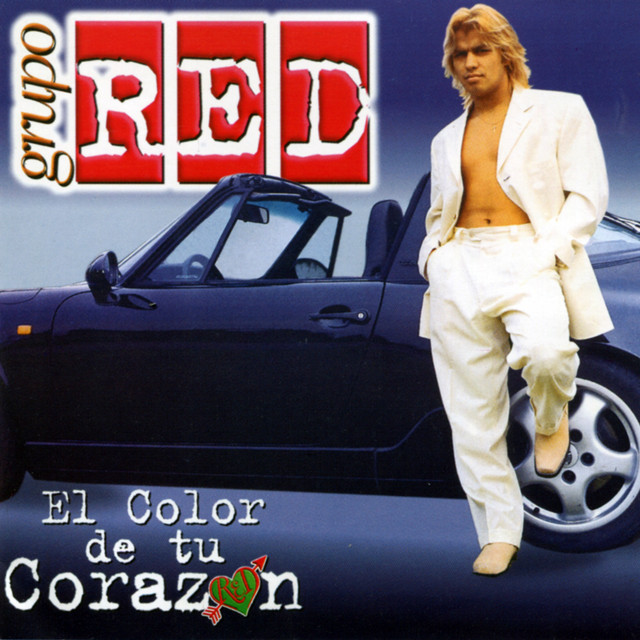
El Color De Tu Corazón
Grupo Red
Cumbia Chilena
Cumbia Villera
Similar artists
3
/5
Agrupación Marilyn
Cumbia Chilena
Cuarteto
Cumbia
4
/5
Rafaga
Cuarteto
Cumbia
Cumbia Chilena
3
/5
Yerba Brava
Cumbia
Cumbia Villera
Cuarteto
3
/5
La Liga
Cumbia Villera
Cuarteto
Cumbia
3
/5
Los Turros
Cuarteto
Cumbia
Previa
3
/5
El Dipy
Cumbia Villera
Cuarteto
Cumbia
4
/5
La T y La M
Cuarteto
Cumbia
Rkt
4
/5
Luck Ra
Cumbia Pop
Trap Triste
Cuarteto
4
/5
Max Carra
Cuarteto
Cumbia
Previa
4
/5
The La Planta
Cuarteto
Cumbia Pop
Turreo
Download our mobile app
Get the Melodigging app and start digging for new genres on the go
Download on the App Store
Get it on Google Play
© 2026 Melodigging
Give feedback
Legal
Melodding was created as a tribute to
Every Noise at Once
, which inspired us to help curious minds keep digging into music's ever-evolving genres.