Genres
Artists
Albums
Make Music
Sign in
Sign in
Artists
Cumbia Norteña Mexicana
Artists
Cumbia Norteña Mexicana
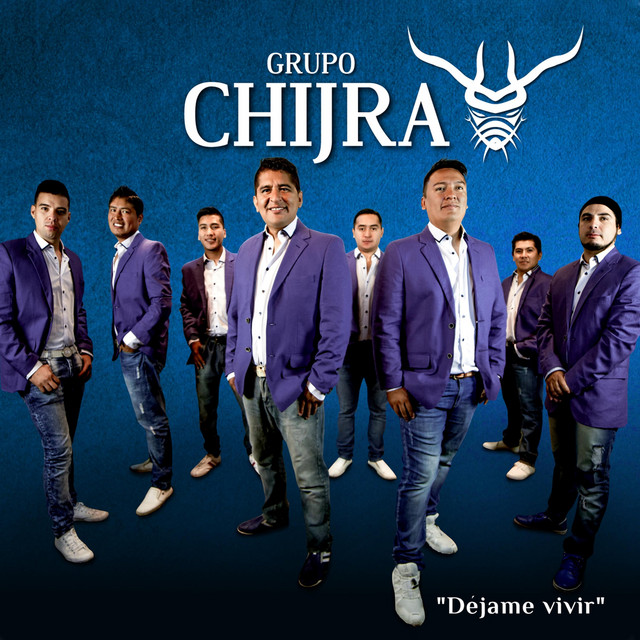
Grupo Chijra
2019
·
1 album
Listen
1
/5
Genres
Cumbia Norteña Mexicana
Cumbia norteña mexicana is a northern Mexican take on cumbia that blends the Colombian-born rhythm with the instrumentation, feel, and dance culture of norteño and grupera. It is driven by accordion lead lines, bajo sexto rhythm guitar, electric bass, and drum kit, often complemented by güiro or cowbell, and sometimes saxophone or keyboards. The groove keeps cumbia’s characteristic off-beat syncopation while adopting a brisk, two-step-friendly pulse common in the Mexican north and along the Texas border. Songs typically use simple, catchy harmonies (I–IV–V with frequent dominant sevenths), memorable accordion hooks, and verse–chorus structures. Lyrics range from festive parties and dance-floor humor to everyday border life, love, and migration, delivered with call-outs and crowd-response energy tailored to bailes and rodeos.
Discover
Listen
Folclor Andino
Folclor andino is the pan‑regional folk music of the Andean highlands, shaped by Indigenous Quechua and Aymara traditions and later mestizo influences. It centers on wind instruments such as quena (notched flute) and zampoña/siku (panpipes), the small 10‑string charango, guitar, and deep hand‑drummed bombos, producing bright timbres over earthy rhythms. Melodically it favors pentatonic and natural minor (Aeolian/Dorian) scales, parallel thirds, antiphonal hocketing between panpipe parts, and cyclical ostinatos. Repertoire often draws from regional forms like huayno, yaraví, carnavalito, and related highland dances, with lyrics that invoke the mountains, Pachamama (Mother Earth), love, migration, and social realities. As a modern stage and recording genre, folclor andino coalesced mid‑20th century when urban ensembles standardized instrumentation and performance, later intersecting with nueva canción’s socially engaged aesthetics and spreading globally through tours and world‑music circuits.
Discover
Listen
Folklore Argentino
Folklore argentino (música folklórica argentina) is the umbrella term for Argentina’s regional traditional music and song. It gathers styles such as chacarera and zamba from the Northwest, chamamé and rasguido doble from the Litoral, cueca and tonada cuyana from Cuyo, malambo and milonga pampeana from the Pampas, vidala and baguala from the Andean northwest, and many more. While its roots stretch back to the colonial era and to indigenous traditions, the genre crystallized as a modern national repertoire during the mid‑20th‑century folkloric boom. It is marked by guitar-based accompaniment (rasgueado strumming), bombo legüero drum pulses, rich vocal traditions (solo and choral), and dance forms in compound meters with characteristic hemiolas. Themes often evoke the land, the gaucho, love and longing, community festivities, indigenous memory, and social justice.
Discover
Listen
Huayno
Huayno (Quechua: waynu/wayno) is a traditional Andean music and dance style that took modern shape in the Peruvian highlands and spread across Bolivia and Ecuador. It is marked by brisk duple-meter rhythms with a strong downbeat, bright pentatonic melodies, and emotive vocals often sung in Quechua and Spanish. Typical ensembles feature charango and guitar strumming patterns, soaring quena (Andean flute) and siku (panpipes), lyrical violin or harp lines, and driving bombo or wankara drum pulses. The dance uses lively stomping steps and turns, reflecting festive community gatherings, courtship, and rural life. Regional variants include the fast, celebratory Huaylas (central highlands), the yaraví-inflected, tender huayno ayacuchano (Ayacucho), and the panpipe- and charango-rich wayno sureño (Cusco–Puno). Lyrical themes span love and longing, migration, indigenous pride, and everyday joys and hardships.
Discover
Listen
Folclore Jujeno
Folclore jujeño is the regional folk music of Jujuy Province in Northwest Argentina, shaped by the Andean highland (Puna and Quebrada de Humahuaca) environment and the living traditions of Kolla/Quechua and Aymara communities. It blends indigenous Andean song forms and scales with criollo instruments and Argentine folk practices. Typical song types include carnavalito, bailecito, huayno-influenced pieces, coplas accompanied by caja coplera, and deeply plaintive bagualas and vidalas sung a cappella or with minimal percussion. Its timbral palette is defined by charango, quena, sikus/zampoña, erke, bombo legüero, and caja, producing bright, breathy winds over earthy drum grooves and pentatonic or modal melodies. Lyrically, folclore jujeño evokes the landscape (Pachamama, puna winds, quebradas), community rituals (Carnaval, comparsas), migration, and memory, often in octosyllabic quatrains (coplas) with Spanish interwoven with Quechua/Aymara words.
Discover
Listen
Albums
2019
Déjame Vivir
Grupo Chijra
Folclore Jujeno
Similar artists
Hide discovered
2
/5
Tomás Lipán
Chamamé
Folclor Andino
Folklore Argentino
2
/5
Raul Olarte
Folclor Andino
Folklore Argentino
Huayno
3
/5
Diableros Jujeños
Folklore Argentino
Huayno
Latin Folk
2
/5
Los Incateños
Folclor Andino
Folklore Argentino
Huayno
2
/5
Mariana Carrizo
Folclor Andino
Folklore Argentino
Huayno
2
/5
Jaime Torres
Folclor Andino
Folklore Argentino
Huayno
2
/5
Camila y Silvio
Folclor Andino
Folklore Argentino
Huayno
2
/5
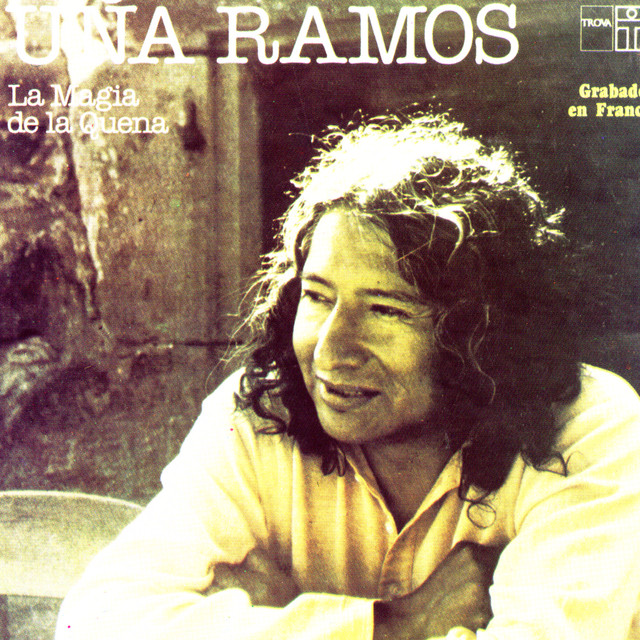
Uña Ramos
Huayno
Folclor Andino
Folklore Argentino
1
/5
Markama
Candombe
Folclor Andino
Folklore Argentino
1
/5
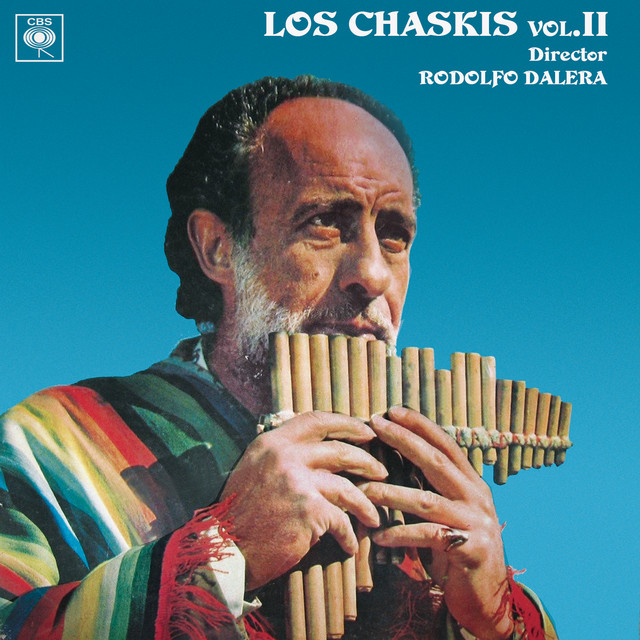
Los Chaskis
Folclor Andino
Folklore Argentino
Huayno
Download our mobile app
Get the Melodigging app and start digging for new genres on the go
Download on the App Store
Get it on Google Play
© 2026 Melodigging
Give feedback
About & FAQ
Legal
Melodding was created as a tribute to
Every Noise at Once
, which inspired us to help curious minds keep digging into music's ever-evolving genres.