Genres
Artists
Albums
Make Music
Sign in
Sign in
Artists
Conjunto Andino
Artists
Conjunto Andino
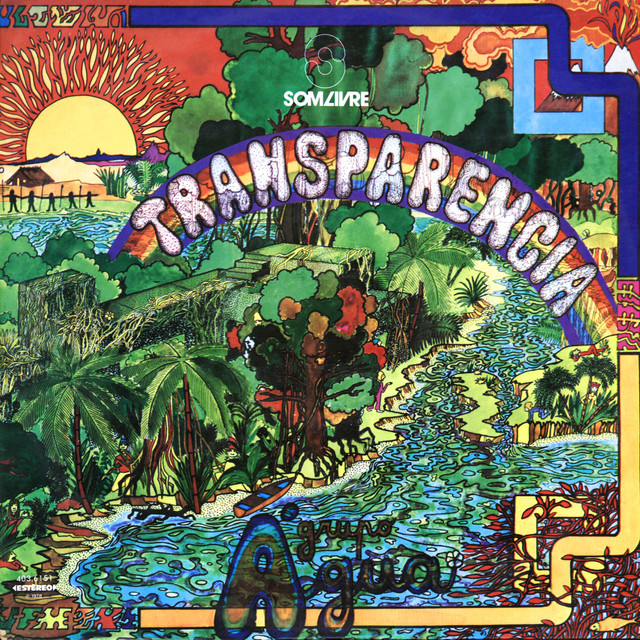
Grupo Água
1978
·
1 album
Listen
1
/5
Genres
Rock Andino
Rock andino (Andean rock) is a fusion genre that blends the instrumentation, rhythms, and scales of Andean folk traditions with the timbres and song forms of rock. Typical bands combine electric guitar, bass, drums, and keyboards with charango, quena and zampoña (panpipes), bombo legüero, and siku ensembles. The music often draws on rhythmic cells from huayno, tinku, saya, and other highland dances, while harmony and arrangements reflect progressive and psychedelic rock. Lyrics frequently address indigenous identity, nature, migration, and social justice, and may be sung in Spanish alongside Quechua or Aymara. The result is a sound that can be both celebratory and contemplative: soaring panpipe lines and charango arpeggios ride atop rock grooves and extended, prog-influenced forms, creating a distinctly Andean take on rock that foregrounds cultural heritage.
Discover
Listen
Conjunto Andino
Conjunto andino refers to the modern Andean folk ensemble format that crystallized in urban centers of the Central Andes during the 1960s and 1970s. Typical groups feature panpipes (zampoña/siku), end-blown flutes (quena), the small re-entrant lute charango, nylon- or steel-string guitar, bombo legüero or caja (drums), and occasional instruments like kena kena, ronroco, bandurria, and Andean harp. While rooted in Indigenous Quechua and Aymara musical traditions such as huayno, carnavalito, and sikuri panpipe music, the conjunto format standardized arrangements for stage performance and recording, blending rural repertories with urban harmony and song structures. The result is a recognizable acoustic sound marked by interlocking panpipe lines, bright charango strums, modal/pentatonic melodies, and dance-oriented rhythms.
Discover
Listen
Indigenous Andean Music
Indigenous Andean music refers to the ceremonial, communal, and dance music of Quechua, Aymara, and other native peoples of the Andean highlands of present-day Peru, Bolivia, Ecuador, northern Chile, and northwestern Argentina. It is characterized by panpipe ensembles (siku/zampoña, antara), end-blown flutes (quena, pinkillu), block flutes (tarka), large double-headed drums (wankara/bombo), and—since the colonial period—the charango. Ensembles often play in interlocking pairs (ira/arca), creating hocketed melodies, dense heterophony, and a powerful collective sound suitable for processions and open-air festivals. Melodically, pentatonic and hexatonic scales are common, with flexible, non-equal-tempered tunings. Rhythms favor duple meters (2/4) and 6/8 feels, with frequent sesquialtera (3:2) interplay that drives circle and line dances. Vocals tend toward group singing, call-and-response, and timbres that prioritize projection in outdoor contexts. The music is inseparable from agricultural cycles, community identity (ayllu), and ritual calendars.
Discover
Listen
Albums
1978
1
/5
Transparencia
Grupo Agua
Conjunto Andino
Rock Andino
Indigenous Andean Music
Similar artists
3
/5
Los Kjarkas
Huayno
Latin Folk
Conjunto Andino
3
/5
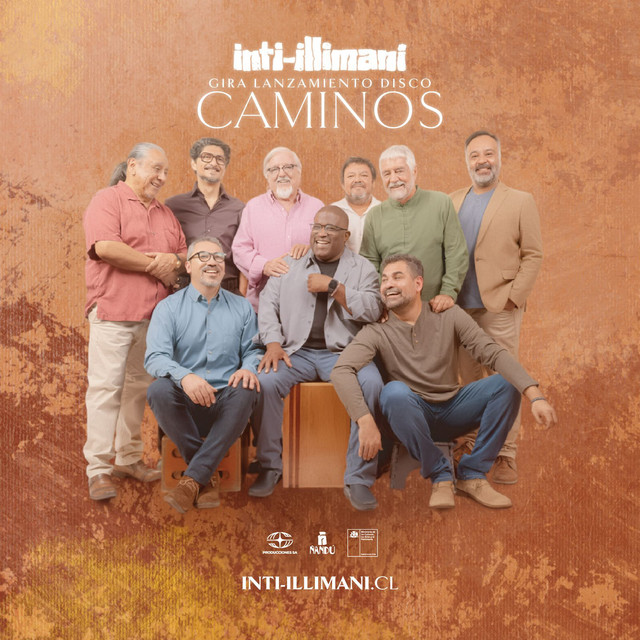
Inti-Illimani
Nueva Canción Chilena
Conjunto Andino
Chilean Music
2
/5
Rumillajta
Conjunto Andino
Folclor Andino
Huayno
2
/5
Los Jairas
Huayno
Folclor Andino
Villancico
2
/5
Wara
Conjunto Andino
Folclor Andino
Rock Andino
1
/5
Sol Simiente Sur
Folclor Andino
Indigenous Andean Music
Rock Andino
1
/5
Sierra Manta
Folclor Andino
Conjunto Andino
Indigenous Andean Music
3
/5
Los Jaivas
Rock Andino
Nueva Trova
Latin Folk
3
/5
William Luna
Huayno
Latin Folk
Folclor Andino
3
/5
Illapu
Nueva Canción
Conjunto Andino
Chilean Music
Download our mobile app
Get the Melodigging app and start digging for new genres on the go
Download on the App Store
Get it on Google Play
© 2026 Melodigging
Give feedback
Legal
Melodding was created as a tribute to
Every Noise at Once
, which inspired us to help curious minds keep digging into music's ever-evolving genres.