Genres
Artists
Albums
Make Music
Sign in
Sign in
Artists
Disco
Artists
Disco
Geraldine Hunt
1980
·
1 album
Listen
2
/5
Genres
Deep Funk Ostentacao
Deep funk ostentação is a moody, late‑night variant of São Paulo’s funk ostentação, emphasizing deeper sub‑bass, sparse percussion, and atmospheric pads while retaining the genre’s themes of luxury, status, and upward mobility. Compared with the brighter, EDM‑leaning hits of ostentação in the early 2010s, the “deep” approach strips arrangements down to hypnotic tamborzão grooves, 808 low‑end, and minimal, minor‑key synth motifs. Vocals often sit closer to the beat, with autotune and chant‑like hooks, but the lyrical focus remains on conspicuous consumption (cars, brands, nightlife) filtered through a more introspective, nocturnal aesthetic.
Discover
Listen
Deep Deep House
Deep deep house is a late-evolution branch of deep house that emphasizes warmth, space, and subtlety over overt hooks or peak-time energy. Compared with classic deep house, it leans even more toward minimal, dub-inflected textures, extended harmonies, and long atmospheric tails. Tracks typically feature understated yet weighty low end, soft Rhodes or pad chords rich in 7ths/9ths, lightly swung percussion, and carefully sculpted ambience. The mood is intimate and immersive—club music that invites close listening as much as dancing—often suited to small rooms, lounges, after-hours sets, and sunset/sunrise moments.
Discover
Listen
Deep Groove House
Deep Groove House is a modern house substyle centered on thick, rolling basslines, swung percussion, and soulful or disco-leaning motifs delivered with contemporary club production. It balances the warmth and musicality of classic and deep house with the punch and arrangement sensibilities of present-day tech-leaning club music. Hallmarks include a steady 4/4 kick (typically 122–126 BPM), syncopated bass grooves that drive the track rather than sit under it, crisp hi-hats with subtle swing, and tasteful use of organ stabs, piano chords, and filtered disco/funk samples. Vocals—when present—tend to be hooky but restrained, often chopped or looped to reinforce the groove rather than dominate it. As a playlist and DJ vernacular label, Deep Groove House crystallized around the 2010s, especially in UK- and EU-facing club culture, online stores, and label ecosystems that favored groove-first, dancefloor-ready house with deep and classic roots.
Discover
Listen
Italo Beats
Italo beats is a contemporary, club-oriented offshoot of the classic Italian Italo sound, fusing the sleek melodicism of 1980s Italo disco with the punch and polish of modern European dance music. Typical tracks feature four-on-the-floor drums, bright synth leads, rubbery basslines, and hook-forward vocals that lean into romantic or nightlife themes. Rather than being a strict historical movement, Italo beats functions as a modern production style and DJ vernacular that revives Italo’s earworm melodies and neon textures while adopting current mixdown aesthetics (sidechained pads, wider stereo imaging, and festival-ready low end). It thrives in streaming-era dance culture, uniting Italian, Central/Eastern European, and broader EU producers around a recognizable “Italo-flavored” club sound.
Discover
Listen
Post-Disco
Post-disco emerged at the turn of the 1980s as club music adapted to the backlash against late-1970s disco. It kept disco’s dance-floor focus but pared down the orchestral lushness, replacing strings and large horn sections with drum machines, synthesizers, and tighter funk- and soul-informed grooves. The style favors mid-tempo, bass-forward rhythms (often around 105–120 BPM), crisp handclaps, syncopated rhythm guitar, and glossy keyboard textures. It served as a bridge between classic disco and later developments like boogie, electro-funk, house, freestyle, and dance-pop, defining the sonic palette of early 1980s urban contemporary R&B.
Discover
Listen
Disco
Disco is a dance-music genre and nightlife subculture that crystallized in the United States during the 1970s, drawing especially from African-American, Italian-American, Latino, and queer club communities. Musically, disco is typified by a steady four-on-the-floor kick drum, syncopated and melodic electric-bass lines, lush string sections, bright brass and horns, electric pianos and synthesizers, and percussive, choppy rhythm guitars. Arrangements often feature orchestral colors, handclaps, congas, and vibraphone or bell textures, all engineered to deliver a continuous, groove-forward experience for the dance floor. The style combines the rich orchestration and romantic sweep of Philadelphia soul with the bottom-end drive of funk and the songcraft of contemporary R&B/pop, delivered in DJ-friendly extended mixes and 12-inch singles designed for club play.
Discover
Listen
Deep Disco
Deep disco is a late‑1970s strand of disco that emphasizes hypnotic basslines, extended 12" arrangements, and richly layered orchestration. Compared with radio‑oriented disco, it leans into longer grooves, soulful harmonies, and DJ‑friendly intros, breakdowns, and dubs that keep dancers in a sustained flow. Rooted in the New York and Philadelphia club and label ecosystems, the style blends live rhythm sections (drum kit, congas, electric bass, rhythm guitar, clavinet) with lush strings and brass, gospel‑tinged vocals, and studio craft—edits, echoes, and breakdowns—that deepen the pocket. European production aesthetics (Munich/Paris) added sequenced synths and cinematic drama, further darkening and thickening the groove. The result is a luxurious, immersive disco sound designed for dance floors rather than charts: deep, soulful, and expansive.
Discover
Listen
Funk
Funk is a rhythm-forward African American popular music style that centers on groove, syncopation, and interlocking parts. Rather than emphasizing complex chord progressions, funk builds tight, repetitive vamps that highlight the rhythm section and create an irresistible dance feel. The genre is marked by syncopated drum patterns, melodic yet percussive bass lines, choppy guitar "chanks," punchy horn stabs, call‑and‑response vocals, and a strong backbeat. Funk’s stripped-down harmony, prominent use of the one (accenting the downbeat), and polyrhythmic layering draw deeply from soul, rhythm and blues, jazz, gospel, and African rhythmic traditions. From James Brown’s late-1960s innovations through the expansive P-Funk universe and the slicker sounds of the 1970s and 1980s, funk has continually evolved while seeding countless other genres, from disco and hip hop to house and modern R&B.
Discover
Listen
Show all 8 genres
Albums
1980
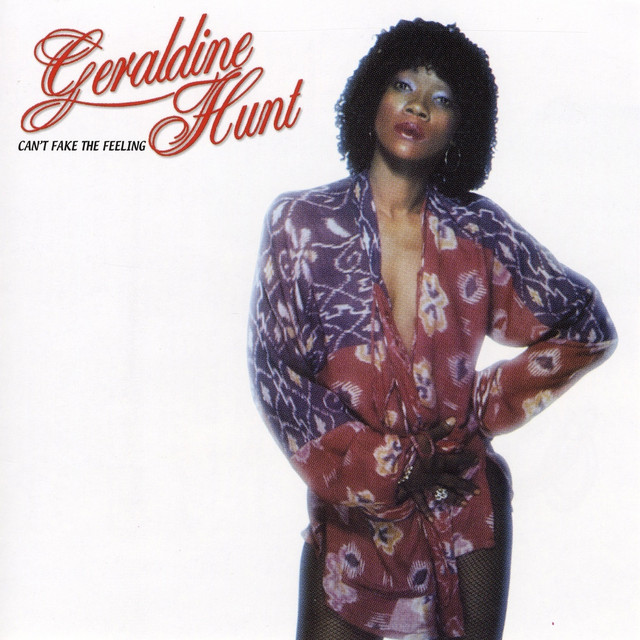
Can't Fake the Feeling
Geraldine Hunt
Deep Disco
Similar artists
4
/5
Patrice Rushen
Disco
Boogie
Funk
3
/5
Cheryl Lynn
Disco
Soul
Funk
3
/5
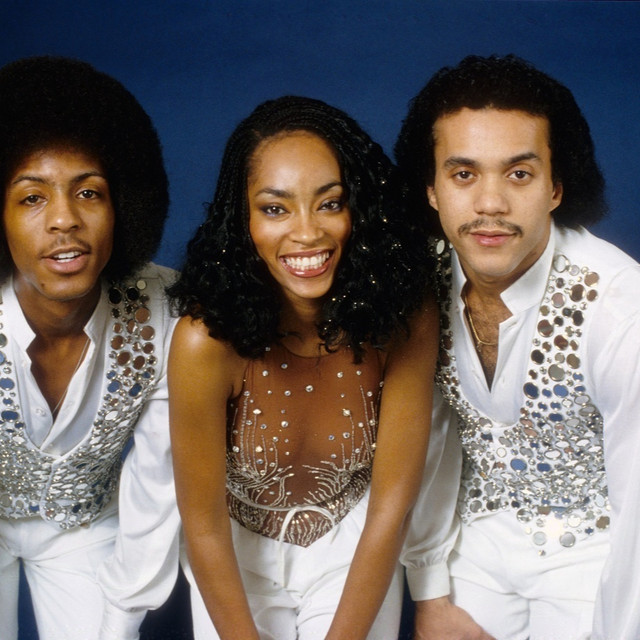
Shalamar
Boogie
Disco
Funk
3
/5
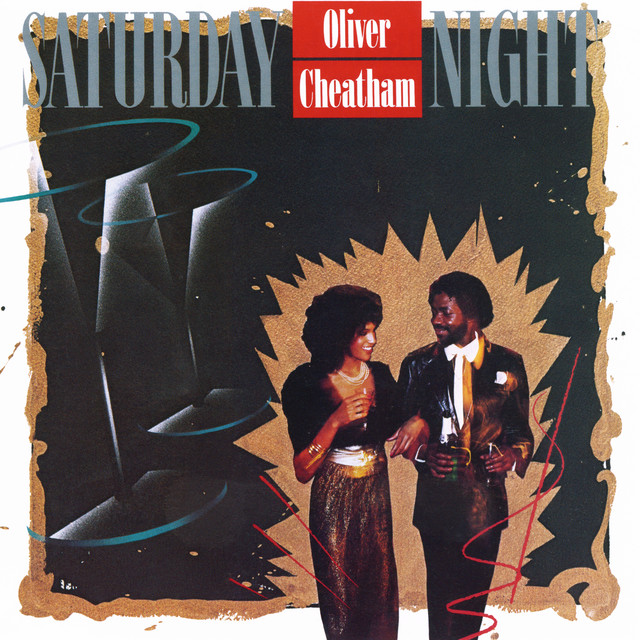
Oliver Cheatham
Disco
Funk
Post-Disco
3
/5
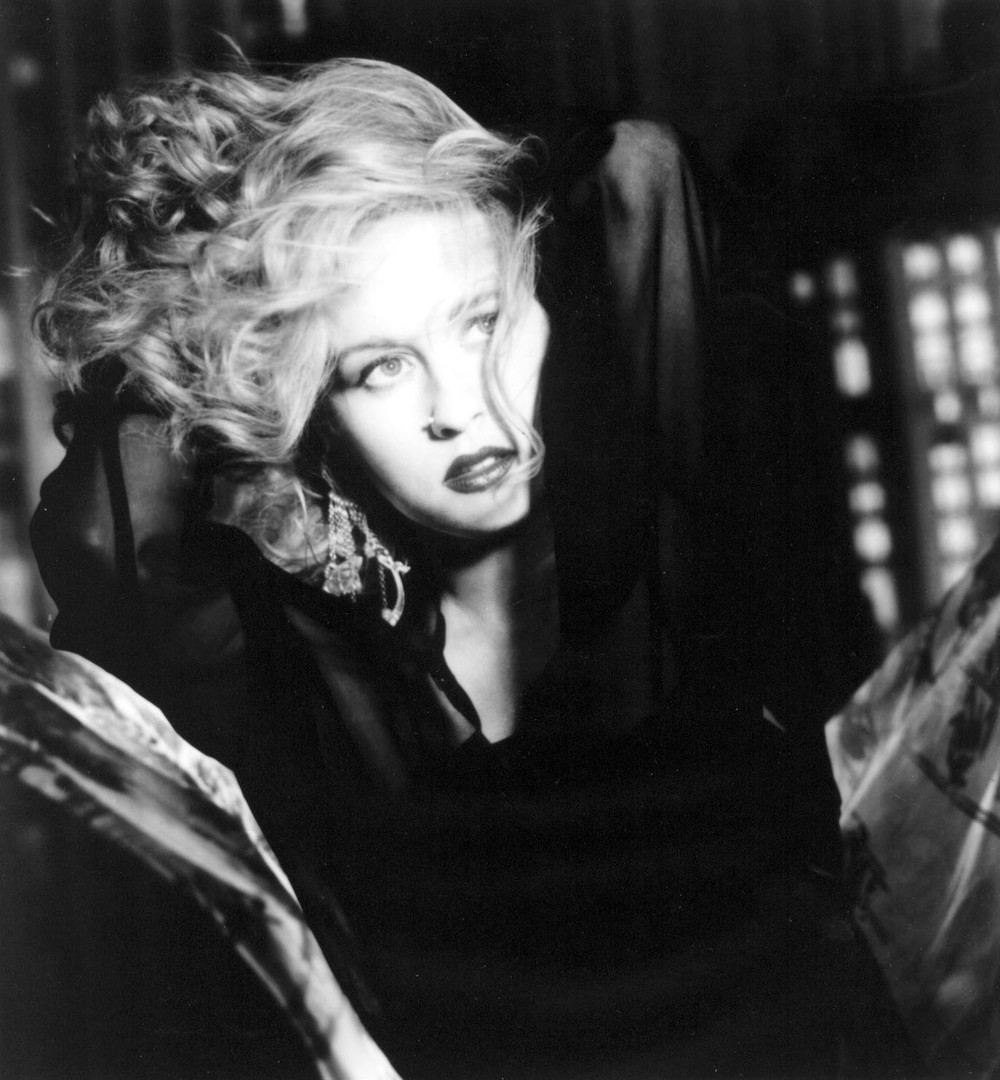
Teena Marie
Disco
Electronic
Contemporary R&b
3
/5
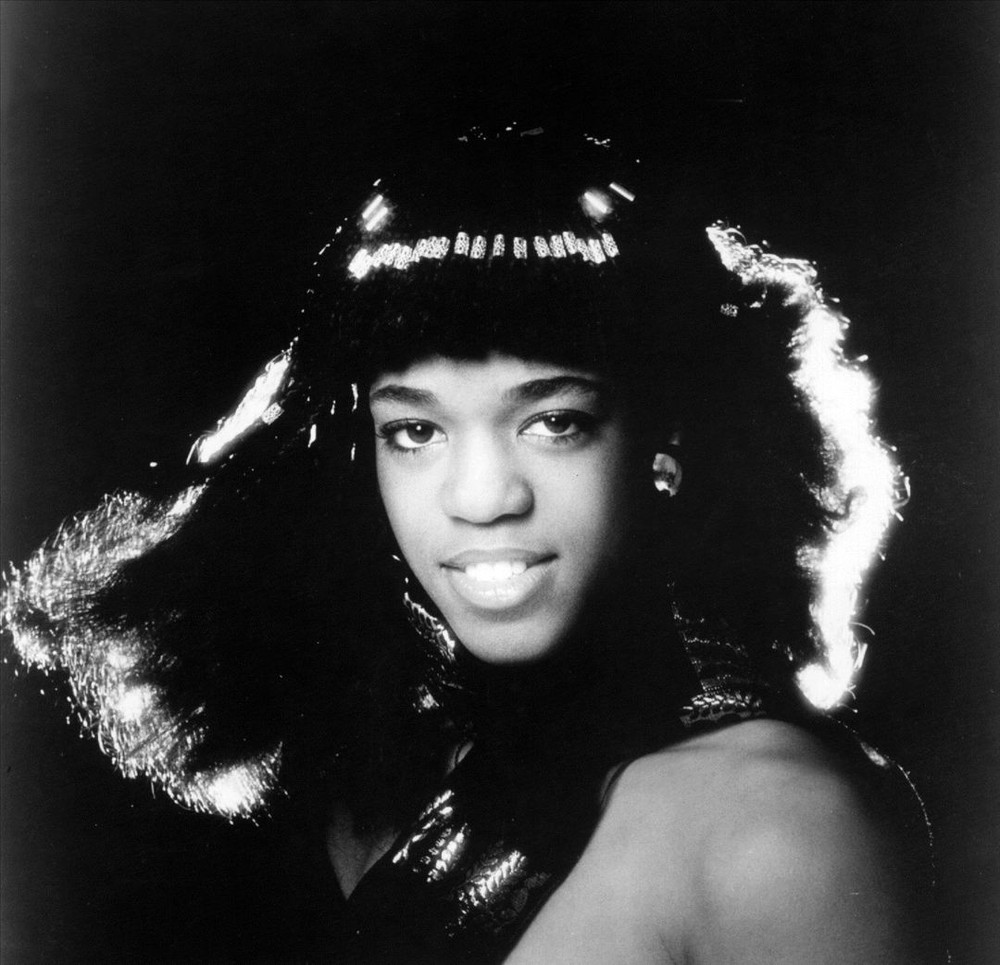
Evelyn "Champagne" King
Minneapolis Sound
Disco
Boogie
3
/5
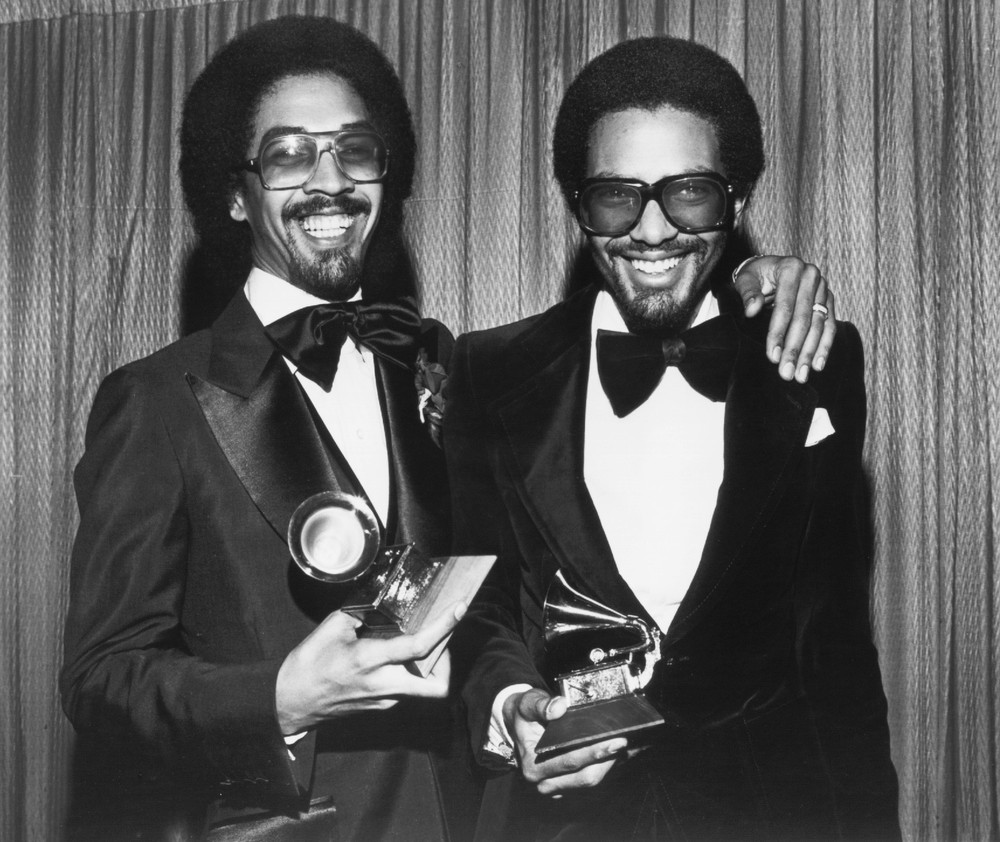
The Brothers Johnson
P-Funk
Disco
Funk
3
/5
The Whispers
Post-Disco
Classic Soul
Quiet Storm
3
/5
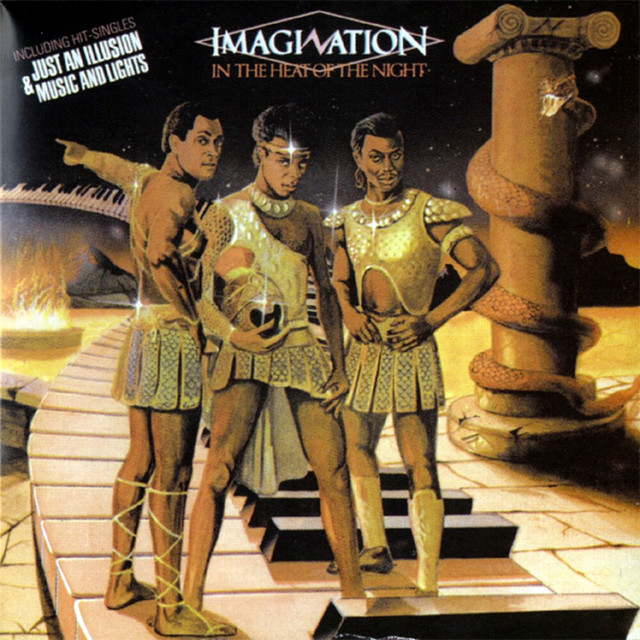
Imagination
Brit Funk
Disco
Post-Disco
3
/5
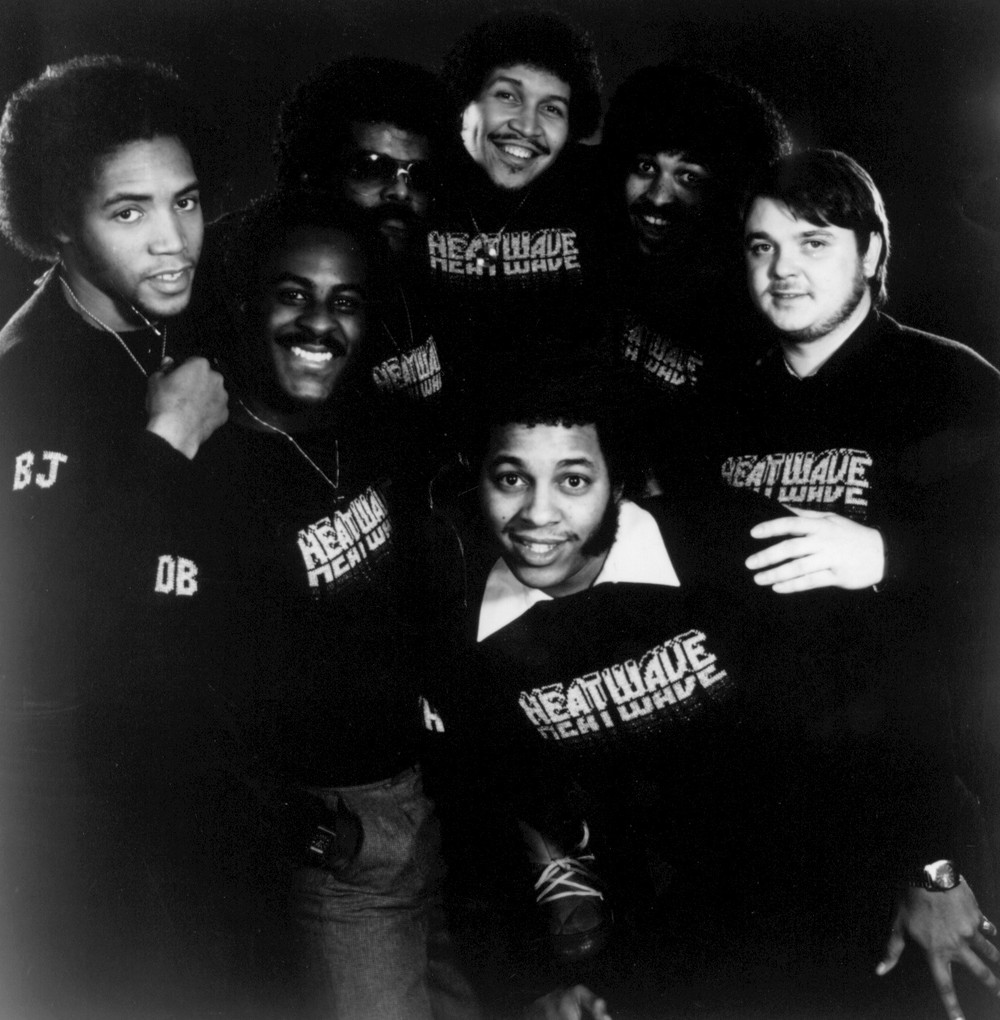
Heatwave
Disco
Funk
Brit Funk
Download our mobile app
Get the Melodigging app and start digging for new genres on the go
Download on the App Store
Get it on Google Play
© 2026 Melodigging
Give feedback
Legal
Melodding was created as a tribute to
Every Noise at Once
, which inspired us to help curious minds keep digging into music's ever-evolving genres.