Genres
Artists
Albums
Make Music
Sign in
Sign in
Artists
Gamelan Degung
Artists
Gamelan Degung
Gentra Pasundan
2001
·
3 albums
Listen
1
/5
Genres
Kacapi Suling
Kacapi suling is a Sundanese instrumental genre from West Java, Indonesia that pairs the kacapi (box zither) with the suling (bamboo ring flute). The music is intimate, spacious, and highly ornamented, emphasizing tone color, subtle dynamics, and a floating sense of time. The genre draws on Sundanese modal systems (laras) such as pelog/degung, salendro, and sorog/madenda, and on melodic formulas from Tembang Sunda. The kacapi provides cyclical arpeggios and cadential patterns, while the suling weaves a lyrical, breathy melody with glides and microtonal inflections. The overall effect is meditative, melancholic, and gently hypnotic.
Discover
Listen
Lagu Jawa
Lagu Jawa (literally “Javanese songs”) is a Javanese‑language song tradition that bridges classical Javanese aesthetics with Indonesian popular music formats. Its melodies often trace back to gamelan’s sléndro and pélog tonalities, while its arrangements borrow from keroncong’s string textures and, later, dangdut and campursari rhythm sections. Vocals feature ornate cengkok and sindhen-inspired melismas, and lyrics alternate between ngoko and krama registers of the Javanese language, exploring love, longing, humor, and everyday life. Today, Lagu Jawa spans classic langgam Jawa, cassette-era campursari, and contemporary “Pop Jawa,” thriving on radio, wedding stages, and digital platforms alike.
Discover
Listen
Traditional Music
Traditional music is an umbrella term used in the mid–20th century by folklorists and ethnomusicologists to denote community-rooted, orally transmitted repertoires tied to social ritual, work, celebration, and storytelling. Unlike commercial pop or art-music traditions, traditional music is typically learned by ear, varies regionally, and evolves slowly through communal participation. It often features modal melodies, cyclic rhythms, heterophony or unison singing, and indigenous instruments whose timbres are integral to local identity. Lyrics tend to preserve language, history, and collective memory. While the musical practices themselves can be ancient, the phrase “traditional music” emerged to replace earlier, narrower or colonial framings like “folk” or “ethnic” music, foregrounding continuity, locality, and living practice rather than exoticism.
Discover
Listen
Gamelan Degung
Gamelan degung is a Sundanese court-derived gamelan tradition from West Java, Indonesia, performed on a distinctive, reduced-set pelog tuning known as laras degung. Its core sound centers on a stately, resonant colotomic cycle marked by the goong ageung (large gong), with interlocking metalophones and kettle gongs weaving heterophonic textures. Compared with Central Javanese gamelan, degung often feels clearer and more transparent in texture, with a strong melodic core (balungan) and elegant elaborations from bonang and suling (bamboo flute). It is used for ceremonial occasions, dance accompaniment, and vocal repertoires (kawih), and today also appears in popular and fusion contexts.
Discover
Listen
Sundanese Music
Sundanese music is the traditional and popular music of the Sundanese people of West Java, Indonesia. It is recognized for its bright bamboo timbres, supple drumming, fluid vocal lines, and distinctive tunings that differ from Central Javanese practice. Core ensembles include gamelan degung (a Sundanese variant of gamelan with a characteristic “degung” tuning), kacapi suling (zither and bamboo flute chamber music), angklung (shaken bamboo idiophones), and ritual styles such as tarawangsa (two‑string bowed lute with zither). Dance and theatre forms—like jaipongan and wayang golek (rod puppetry)—rely on energetic kendang (drum) leadership and cyclical gong patterns. Melodically, Sundanese music employs laras salendro, pelog, sorog, and madenda (a mode akin to a “minor” feel), with ornate vocal ornamentation and refined zither/bonang figuration. Its expressive range spans courtly elegance, pastoral intimacy, social dance vitality, and trance‑ritual depth.
Discover
Listen
Gamelan
Gamelan is a traditional Indonesian ensemble music, centered on tuned metal percussion (metallophones and gongs), drums, and soft-sounding melodic instruments. It is most closely associated with the islands of Java and Bali, where distinct courtly and village traditions evolved. Its sound is defined by cyclical structures marked by gongs (colotomic cycles), interlocking figurations, and modal systems (laras) called sléndro and pélog. Textures are “stratified,” with a core melody (balungan) surrounded by elaborating parts. The result ranges from serene, floating atmospheres to dazzling, kinetic brilliance, depending on region and context. Beyond ceremony and theater (wayang), gamelan has influenced global composers and experimentalists, while continuing to thrive in Indonesia as a living, communal art.
Discover
Listen
Albums
2001
2
/5
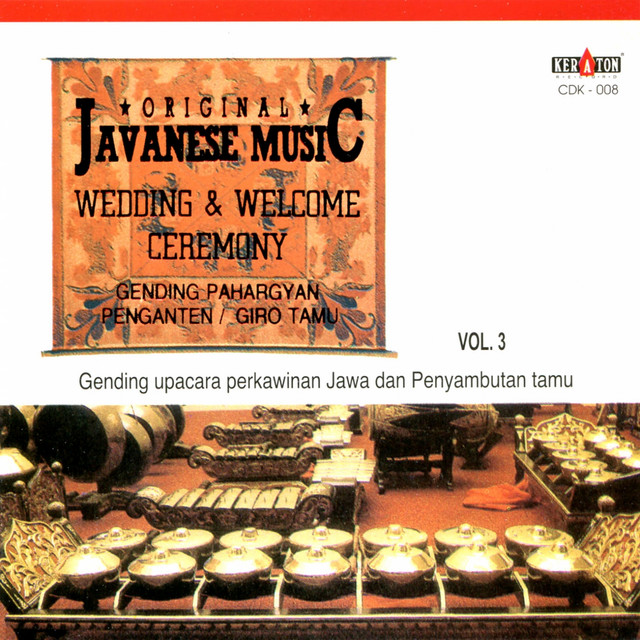
Sundanese Wedding Ceremony
Gentra Pasundan
Gamelan Degung
Sundanese Music
Gamelan
Degung - Bulan Dagoan
Gentra Pasundan
Gamelan Degung
Kacapi Suling vol. 3: Mojang Modern
Gentra Pasundan
Kacapi Suling
Similar artists
2
/5
Suara Parahiangan
Gamelan
Gamelan Degung
Lagu Jawa
1
/5
Euis Komariah
Lagu Jawa
Traditional Music
Gamelan Degung
2
/5
Redafs
Gamelan
Traditional Music
Lagu Jawa
2
/5
Tjoek Soeparlan
Gamelan
Indonesian Jazz
Indorock
2
/5
Karawitan Condhong Raos
Javanese Gamelan
Gamelan
Lagu Jawa
2
/5
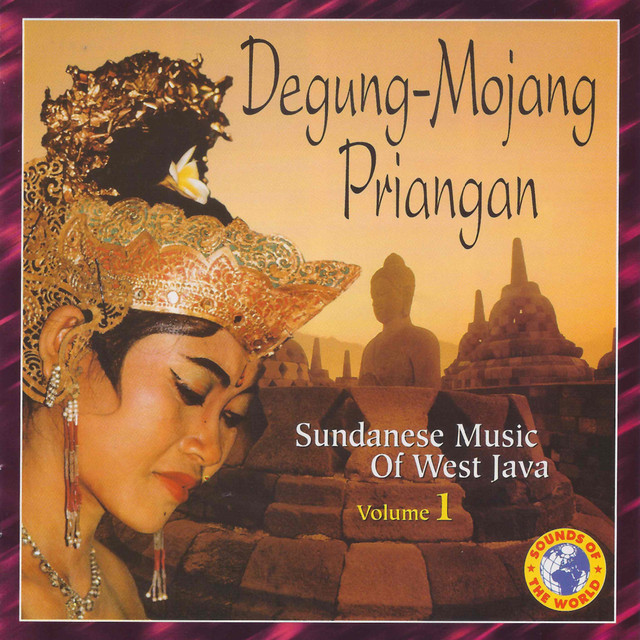
Mojang Priangan
Gamelan
Lagu Jawa
Traditional Music
2
/5
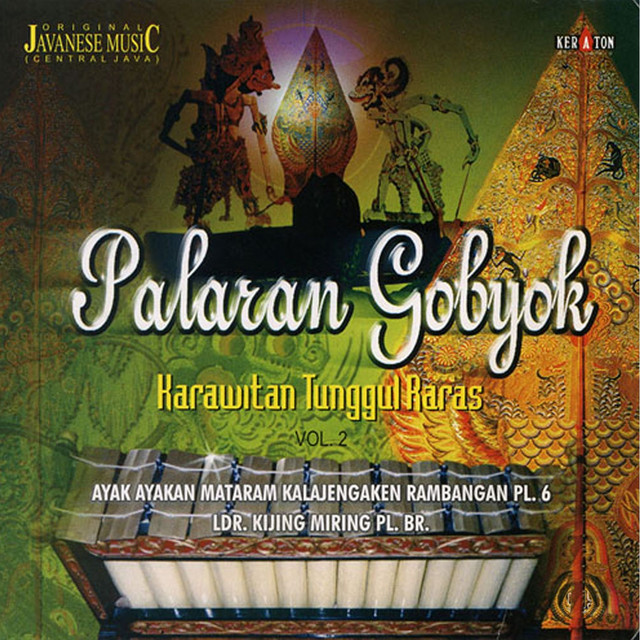
Karawitan Tunggul Raras Irama
Javanese Gamelan
Lagu Jawa
Traditional Music
1
/5
LS Gentra Pasundan
Gamelan
Lagu Jawa
Traditional Music
1
/5
Ida Widawati
Gamelan Degung
Sundanese Music
Gamelan
1
/5
SambaSunda
Gamelan
Gamelan Degung
Traditional Music
Download our mobile app
Get the Melodigging app and start digging for new genres on the go
Download on the App Store
Get it on Google Play
© 2026 Melodigging
Give feedback
Legal
Melodding was created as a tribute to
Every Noise at Once
, which inspired us to help curious minds keep digging into music's ever-evolving genres.